
How to Start Cycling to Work Safely Every Day
Key takeaways
- Pick a quiet, well-lit route and ride it once in daylight before your first commute.
- Be visible with lights, reflectors, and bright clothing, and hold a road position drivers can read.
- Lock the frame and both wheels to a fixed stand with two quality locks, and take lights and valuables with you.
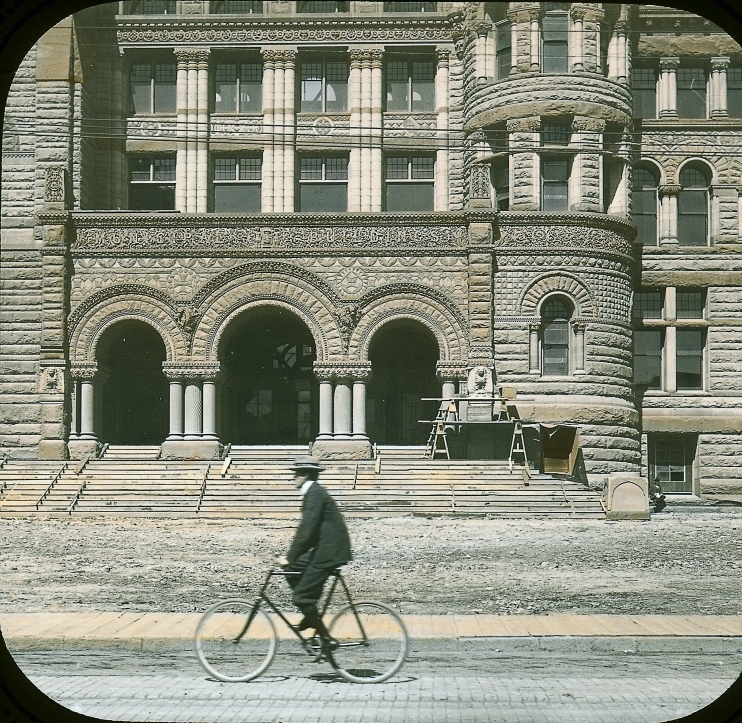
Cycling to work is one of the simplest ways to add exercise to a busy day. It also puts you in live traffic, in all weathers, with a bike that thieves would like to own.
Safety on a bike commute comes from preparation, not from luck. Route, visibility, road position, and locking all matter, and each one can be sorted before the first ride.
This article explains how to start cycling to work safely, including how to choose a route, what the Highway Code requires, how to be seen, how to ride in traffic, and how to lock a bike so thieves move on.
Choose the route before you choose the bike
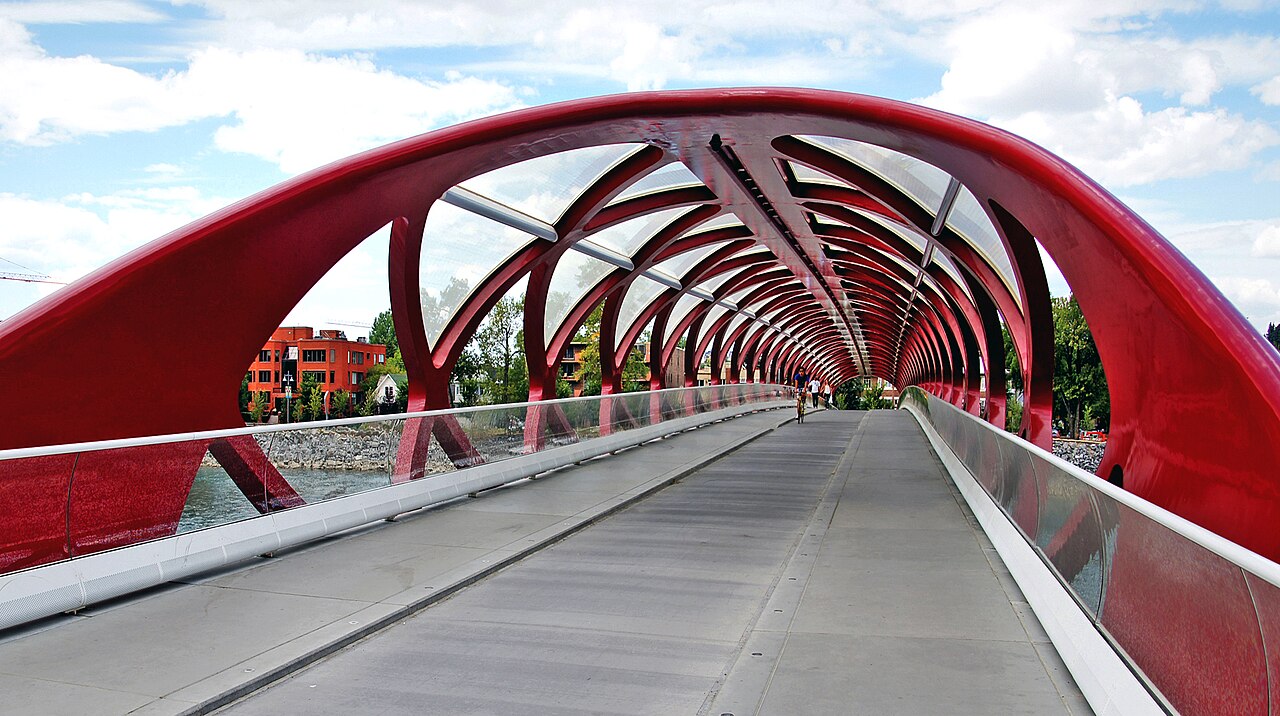
The fastest route by car is rarely the best route by bike. A good cycle commute favours quiet streets, cycle tracks, and well-lit roads over direct main roads.
Start with a map and look for three things. Cycle lanes and tracks, streets with low speed limits, and crossings that let you cross busy roads without fighting traffic.
Sustrans advises testing a new route in daylight before relying on it. A trial ride shows the potholes, the awkward junctions, and the places where parked cars force you into traffic.
Ride the trial at commuting pace. Time it, note where you felt tense, and try one alternative on the way home.
Check the return journey separately. A hill that feels easy downhill in the morning can feel very different uphill in the evening.
Know the rules that apply to you
Cyclists share the road with motor traffic, and the Highway Code sets out what that means. Three rules matter most for a new commuter.
Rule 59 covers clothing and helmets. It says cyclists should wear a cycle helmet that conforms to current regulations, is the correct size, and is securely fastened. It adds that light-coloured or fluorescent clothing helps other road users see you in daylight and poor light, while reflective clothing or accessories help in the dark.
Rule 59 also warns against clothes that may get tangled in the chain or a wheel, or that may obscure your lights. Tie loose laces, tuck in long scarves, and keep bags clear of the wheels.
Rule 60 covers lights, and it uses the word MUST. At night, your cycle must have white front and red rear lights lit. It must also be fitted with a red rear reflector, plus amber pedal reflectors if it was manufactured after 1 October 1985.
Rule 61 covers cycle facilities. It says to use cycle lanes, tracks, advanced stop lines, and toucan crossings where they make your journey safer and easier. It also says you are not obliged to use them, and your judgement on the day counts.
Two more rules help daily. Rule 67 says to leave a door's width, or 1 metre, when passing parked vehicles. Rule 70 says to park in a conspicuous place and use cycle stands where possible.
Be visible in every light
Visibility is the commuter's best protection. Drivers cannot avoid a cyclist they have not seen, so the goal is to be obvious in daylight, at dusk, and in rain.
Start with the legal minimum, then add more. Sustrans lists the UK requirements for cycling between sunset and sunrise: one front white light, one rear red light, a red reflector at the back, and four amber pedal reflectors.
Sustrans adds that lights help in fog and in dark daytime conditions too. If the sky is grey, the lights go on.
Aim the front light with care. Sustrans advises angling the beam down at the road ahead at about 3.5 degrees. That lights the surface in front of you without blinding oncoming traffic, and it helps drivers judge how far away you are.
Clothing does the rest. A fluorescent top or vest stands out in daylight and poor light. Reflective strips, a reflective belt, or reflective ankle bands stand out after dark, when headlights hit them.
Keep a backup set of lights and spare batteries at work. Many lights now charge by USB, so a spare set can charge at your desk.
Hold a road position drivers can read
New cyclists often hug the kerb, thinking the edge of the road is the safest place. It is not. The kerb hides you from drivers, pushes you into drains and debris, and leaves no room to dodge an opening door.
The Highway Code sets out two basic road positions. On quiet roads, and on the approach to junctions or narrowings where overtaking would be unsafe, ride in the centre of your lane so drivers see you clearly.
On busy roads where traffic moves faster than you, let vehicles overtake where it is safe, while keeping at least 0.5 metres away from the kerb edge. Move left to let faster traffic pass when you can do so safely.
At junctions, position yourself in the centre of your chosen lane where you feel able to do so safely. That stops drivers from squeezing past you at the worst moment. If a junction feels beyond your confidence, dismount and wheel the bike across.
Signal clearly and early. Look behind before moving out to overtake or to pass parked vehicles, and give a clear arm signal for turns. A driver who knows what you plan to do can give you room.
Watch for the classic hazards. Opening car doors, vehicles turning left across your path, pedestrians stepping out, and large vehicles with blind spots all deserve extra care. The Highway Code warns that you should only pass to the left of large vehicles when they are stationary or slow moving, and with caution.
Prepare the bike and the bag
A commute bike does not need to be expensive, but it does need to work. A weekly check catches most problems before they strand you.
Sustrans recommends the M check, a simple sequence that runs from the rear wheel up and over the handlebars to the front wheel, checking wheels, spokes, tyres, seat, chain, pedals, and steering as you go.
Tyres deserve a look before every ride. Sustrans advises fitting winter tyres and pumping them up regularly in the darker months, and avoiding the gutter, where broken glass and debris collect.
Brakes, lights, and the chain are the daily three. Squeeze both brake levers, switch the lights on, and check the chain is not dry or rusty.
Pack for the ride, not for the gym. A small bag with a lock, lights, a spare tube or puncture kit, a pump, a basic multi-tool, water, and a dry shirt covers most commutes.
Lock the bike so thieves move on
Bike theft is a commute risk, not a side note. A good lock and a good technique decide whether your bike is still there at 6 PM.
Stolen Ride advises using two Sold Secure gold-rated locks in medium to high risk areas. Two different types, such as a D-lock plus a chain lock, force a thief to carry two tools and spend twice as long.
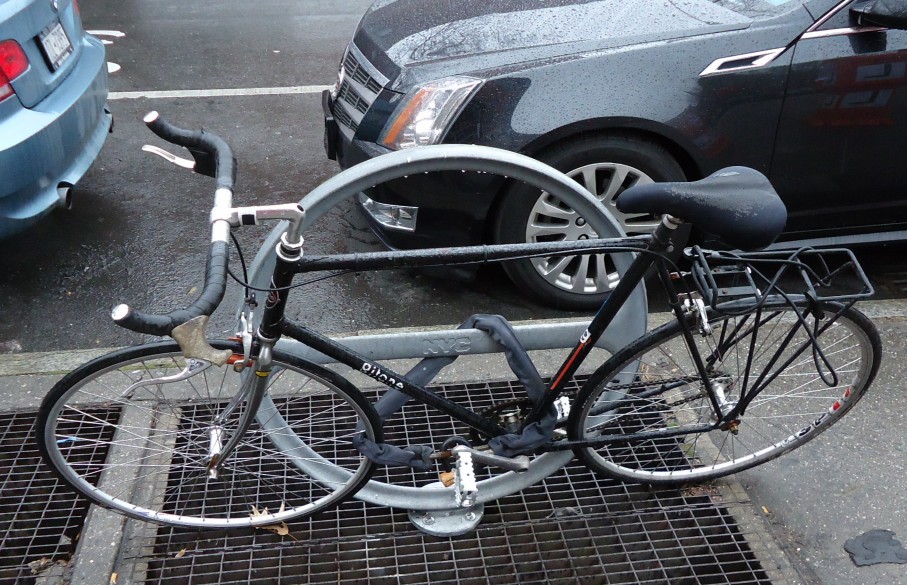
Lock the frame and both wheels to a fixed stand. Locking only the front wheel leaves the rest of the bike free to carry away, and locking only the frame leaves a wheel behind.
Choose the stand with care. Pick a busy, well-lit spot, ideally covered by CCTV, and use a purpose-built cycle stand rather than a railing or a sign post. Stolen Ride warns that bikes locked to sign posts can be lifted over the top once the sign is removed.
Keep the lock off the ground and fit it as tightly as possible. A loose lock lying on the ground is easier to attack with leverage, and a tight lock leaves no room for tools.
If you use a D-lock, face the keyhole downward to make it harder to reach. Remove lights, pumps, and anything else that unclips, and take them with you.
Avoid locking in the same exposed spot every day if you can vary it. A thief who watches a rack learns which bike sits there all day, every day.
At home, lock the bike to an immovable object too, and keep it out of sight where possible. A bike left in an open hallway or an unlocked shed is an easy target.
The first-week plan
A new commute works best as a gradual start, not a sudden switch from driving every day to cycling every day.
Ride two days in the first week, on the days with the best forecast. Ride the full route once at the weekend first, so the first working ride is not also the first time you see the junctions.
Start earlier than you think you need to. Ten spare minutes turn a late arrival into a calm one, and they give you time to lock up properly instead of rushing the lock.
After the first week, review what worked. Move the bag, change the route, or add the backup lights. Small fixes in week two prevent the annoyance that makes people quit in week three.
Frequently asked questions
Do I have to wear a helmet to cycle to work?
The Highway Code says cyclists should wear a correctly fitted helmet that conforms to current regulations. A well-fitted helmet reduces the risk of head injury in certain crashes.
What lights does the law require at night?
Rule 60 says your cycle must have white front and red rear lights lit at night, plus a red rear reflector and amber pedal reflectors on bikes made after 1 October 1985. Add reflective clothing for dark and rainy rides.
Is it safer to ride on the pavement?
No. Rule 64 says you must not cycle on a pavement. Use cycle tracks and lanes where they help, and hold a visible road position on the road itself.
How do I stop my bike being stolen at work?
Use two Sold Secure gold locks, secure the frame and both wheels to a fixed stand in a busy, well-lit spot, keep the lock off the ground, and take lights and valuables with you.
The bottom line
A safe cycle commute is a planned one. Pick a quiet, well-lit route, ride it once in daylight, and sort lights, helmet, and locks before the first working ride.
Hold a visible road position, signal early, and lock the bike as if someone is watching it. Those habits turn cycling to work from a brave experiment into an ordinary part of the day.
Tags: cycling, commuting, bike safety, road safety
Latest in Sports
- Start hiking if you have never done it
- Choose running shoes for beginners
- Pack a day hiking bag with the essentials
- Train for your first 5K run
Subscribe to the Rive News newsletter for one practical outdoors guide each week.
Related stories

Why Is Altitude Sickness Worse for Some People?
Altitude sickness hits some people harder because of genetics, ascent speed, and prior history, not fitness level. Here is what raises risk

Why Do You Get Blisters When Hiking and How to Prevent Them
Friction plus moisture plus heat equals a blister. Learn why hiking breeds all three, and the boots, socks, and tape system that keeps

How to choose hiking boots for beginners: fit, features, and break-in
Beginners should buy for fit first: snug everywhere, tight nowhere, with a thumb's width at the toes. Here is how to size, test,