
What Happens to Your Muscles During a Rest Week?
Key takeaways
- Strength is largely preserved through a full rest week, research shows.
- Muscles repair damage, refill energy stores, and may rebound bigger afterward.
- Regaining lost size happens faster than building it the first time.
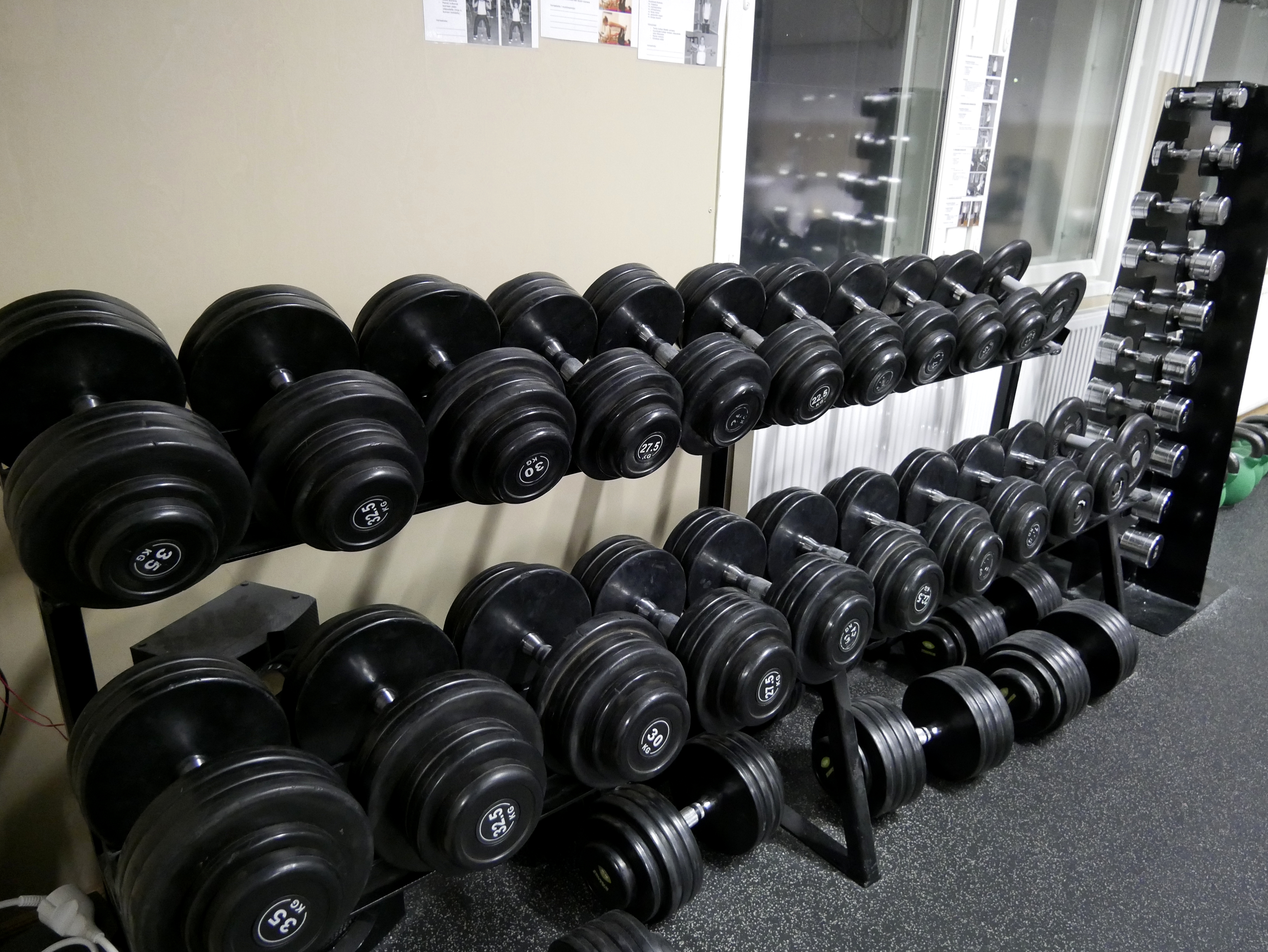
A week off the dumbbells lets tendons, nerves, and muscle fibers finish repairs that training keeps interrupting. Photograph: Wikimedia Commons contributor
Image Credits: Wikimedia Commons / contributor
A rest week, or deload, is a planned break from hard training, usually seven days of light activity or full rest. Lifters fear it will melt their progress, but physiology tells a friendlier story: the body uses the pause to finish repairs it cannot complete while training keeps breaking things down.
This article takes a closer look at what happens to your muscles during a rest week, including what changes in the first few days, how supercompensation can make you bigger afterward, and how fast any losses return once you resume.
The first days: repair crews get to work
Every hard session creates microscopic damage in muscle fibers, depletes glycogen stores, and inflames connective tissue. Under normal training, the next workout arrives before the previous repairs finish, so the body stays in a state of managed debt. A rest week lets the accounts settle.
Damaged fibers rebuild, glycogen refills, and accumulated fatigue drains from the nervous system. Tendons and joints, which adapt more slowly than muscle, finally catch up. This is why many lifters report that their joints feel better and their bar speed improves after a week off, even though they trained less.
The measurable losses in a single week are small. According to the classic detraining review by Mujika and Padilla, published in Medicine and Science in Sports and Exercise in 2001, strength performance is generally maintained for up to four weeks of inactivity.
Force production declines slowly and tracks reduced neural drive rather than lost muscle tissue. In short, one quiet week does not shrink your muscles.
What a week of full rest actually costs
Longer breaks do cost something, and the numbers help calibrate expectations. A study by Franchi and colleagues found that just 10 days of unloading one leg reduced quadriceps volume by 3.7 percent and maximal voluntary contraction by about 29 percent in 11 young men, with oxidative energy genes downregulated in biopsies.
But the recovery half of that study matters more for rest-week planning. After only 21 days of retraining (nine sessions at 70 percent of one-rep max), strength was fully restored, rising 42 percent from the post-unloading low. The muscle also rewired itself: post-disuse training favored endurance-oriented mitochondrial pathways, suggesting rest changes how muscle adapts when you return.
Cardiovascular fitness fades faster than strength. A study of 15 endurance-trained men found that two weeks of detraining reduced VO2max, maximal stroke volume, and knee extensor strength, while body fat stayed stable and muscle endurance held. Interestingly, the researchers noted signs of an enhanced anabolic hormonal environment during short detraining, which may help explain the rebound effect lifters report.
Supercompensation: the rebound bigger than baseline
The most underrated part of a rest week is supercompensation, the rebound in which adaptations overshoot their starting point. The cycle has three phases: hard training temporarily lowers performance as fatigue accumulates, recovery repairs the damage, and the body then rebuilds slightly beyond the old baseline as insurance against the next challenge.
Direct evidence comes from a Norwegian study of 16 untrained participants who performed brutal five-day blocks of leg extensions with blood flow restriction, each followed by ten days of rest.
Muscle fiber size actually dipped during the training blocks, likely from inflammation and incomplete recovery, then grew during the rest periods. The largest increases appeared ten days after the final training block, not during training itself.
ExRx's review of detraining literature adds the muscle-memory piece. Previously trained muscle regains size and performance faster than it was first built.
Three weeks of limb unloading cost about 10 percent of quadriceps volume in one study (Campbell 2013), yet three weeks of retraining fully restored it. Protein networks in muscle remodel reversibly during these cycles, ready to respond again, as documented in a 2025 proteomics analysis.
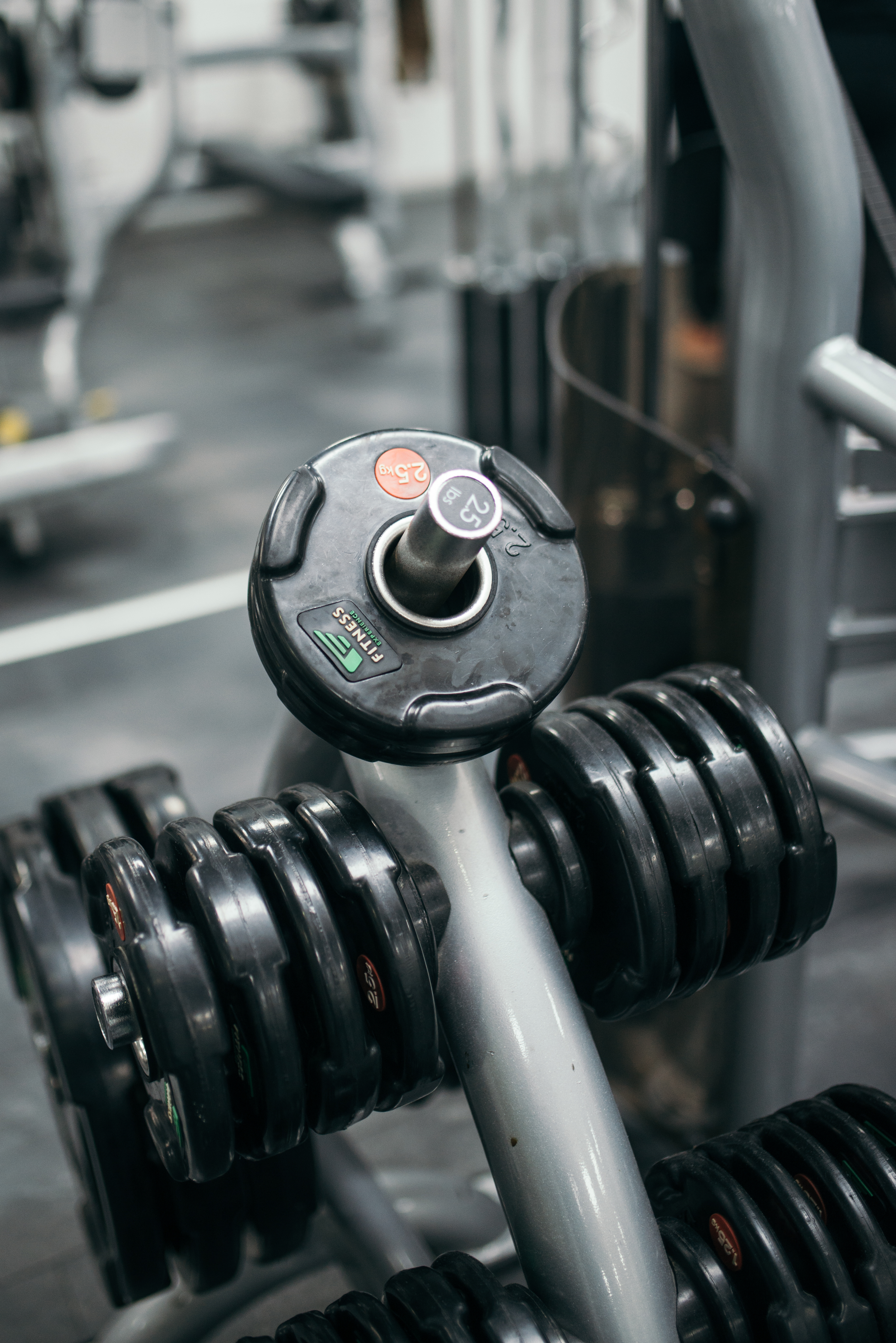
Heavy dumbbells at rest. Strength athletes keep most of their force through a week off because neural adaptations outlast the break. Photograph: Wikimedia Commons contributor
Image Credits: Wikimedia Commons / contributor
How to use a rest week well
A rest week works best when it is genuinely easy. Cut volume by half or more, drop intensity, and keep sessions short if you train at all. Walking, mobility work, and sleep do more for recovery than light versions of your normal program.
Eat normally. A rest week is not the time to slash calories, since repair runs on energy and protein. Keep protein intake steady, stay hydrated, and protect sleep, because growth hormone pulses and tissue repair concentrate during deep sleep.
Watch for the difference between a planned deload and burnout. If motivation has collapsed, sleep is broken, and performance has fallen for weeks, one week may not be enough, and a longer break or a program change is the honest answer. A scheduled rest week every 8 to 12 weeks, though, prevents most lifters from ever reaching that state.
Frequently asked questions
Will I lose muscle if I take a full week off?
Almost certainly not in any meaningful amount. Strength holds for up to four weeks of inactivity, and the small size losses seen after ten days reverse within a few weeks of retraining.
Should I train lightly or rest completely?
Both work. Complete rest maximizes recovery; light activity preserves the habit and keeps joints moving. The key is that nothing in the week should feel hard.
Why do I look bigger after a rest week?
Glycogen refills pull water into the muscle, inflammation subsides so definition returns, and supercompensation can push fiber size slightly past baseline. It is real, and it usually sticks if you resume training.
How often should I schedule a rest week?
Most intermediate lifters benefit from a deload every 8 to 12 weeks, or whenever performance stalls for two weeks despite good sleep and food. Beginners training moderately may not need scheduled rest weeks at all.
The bottom line
A rest week is not lost time. It is when the repairs finish, the fuel tanks refill, and the body overshoots its old baseline through supercompensation.
Strength survives a week off easily, small losses reverse quickly thanks to muscle memory, and many lifters return looking and performing better than when they stopped. Train hard, then rest deliberately, and let the rebound do its work.
Latest in Fitness
- How your body shifts gears from a walk to a run without thinking
- Why climbers tape their fingers before hard routes
- Why quizzing yourself beats re-reading the chapter
- Why music can raise goosebumps on your skin
Subscribe to the Rive News newsletter for one science-backed explainer like this every morning.
Related stories

How long does it really take to build noticeable muscle?
Strength gains start in week one, but visible muscle takes 8-12 weeks for most beginners. What the Oklahoma CT-scan study measured,

Why you feel dizzy after a workout: the 5 common causes
Post-workout dizziness usually comes from a blood pressure dip, dehydration, or low blood sugar. The numbers behind each cause, and when
Why Do Knees Hurt When Squatting but Not Running?
Knees hurt when squatting but not running because deep bends multiply force on the kneecap. Learn the mechanics, common causes, fixes,