
Why Does Spinach Shrink So Much When Cooked: A Kitchen Science Guide
Key takeaways
- Spinach is more than 90% water, and each leaf cell is inflated like a tiny water balloon that heat pops.
- Oxalic acid, released as the leaves heat, weakens cell-wall pectin and speeds the collapse.
- Six cups of raw leaves cook down to about one cup, so plan roughly 3-4 times the raw volume per serving.
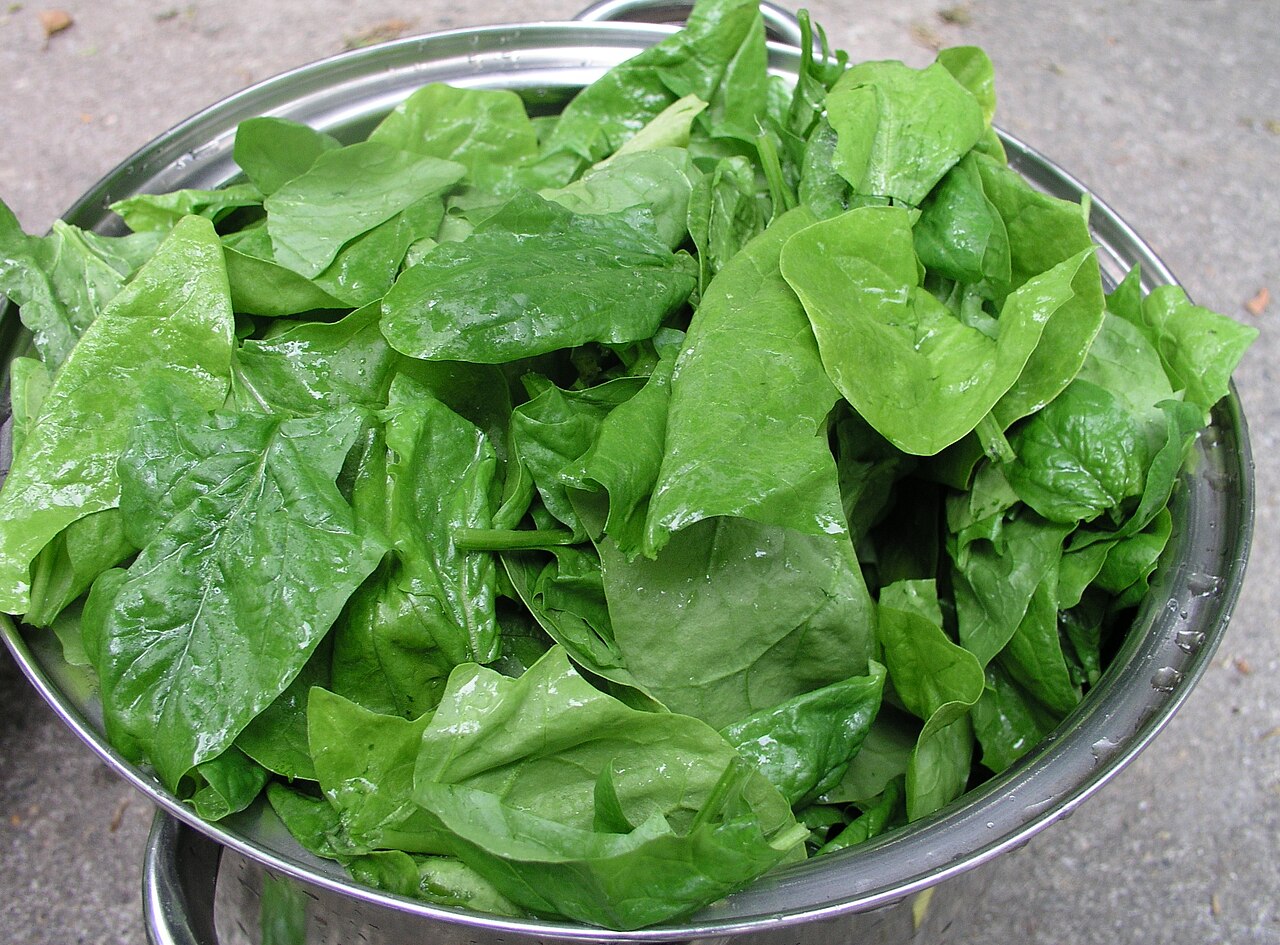
You dump a mountain of spinach into the pan. Three minutes later you are staring at a tablespoon of dark green sadness.
It feels like a magic trick, but nothing magical happened. You just watched water leave a building.
This article explains why spinach shrinks so much when cooked, including how leaf cells hold their shape, the role of oxalic acid, why a lid makes everything worse, how much raw spinach you actually need, and how cooks keep the color and texture.
A leaf is mostly water wearing a costume
Spinach is made up of more than 90 percent water, according to FoodPrint figures cited by Tasting Table, with some estimates running to 95 percent. That water is not sloshing around loose.
It sits inside individual plant cells, each one pressurized against its cell wall. Botanists call this turgor pressure, and it is the same pressure that keeps a crisp leaf standing upright and a wilted one flopping over.
Heat attacks this system from two directions at once. First, the water inside the cells heats up, turns to steam, and escapes. Second, the cell walls themselves, built from cellulose and pectin, soften and lose rigidity as they warm.
Biologists describe the result as plasmolysis: the cell contents contract as water leaves, and each cell deflates like a tiny balloon. Multiply that by millions of cells and the whole pile collapses.
This is why raw spinach looks so deceptively abundant. You are mostly looking at trapped water wearing a thin green costume.
Oxalic acid: the second shrinker
Water loss explains most of the collapse, but spinach has a second mechanism that most greens lack. The Los Angeles Times, via Tasting Table, reports that spinach contains oxalic acid, which responds quickly to heat. As the acid leaves the heating leaves, it breaks down the cell walls from the inside, accelerating the wilt.
Crush Mag adds the mechanism: the released oxalic acid leaches into the moisture the spinach expels, and that acidic bath weakens the pectin in the cell walls, making them collapse more readily. So spinach shrinks through a one-two punch. Water escape deflates the cells, and oxalic acid dissolves the scaffolding that might have held some shape.
Why the lid makes everything worse
Here is the mistake that turns shrinkage into swamp. Cover the pan and the escaping steam condenses on the lid and rains back down.
Tasting Table notes that cooking covered effectively gives the spinach a double dose of oxalic acid compared with sauteing uncovered, because the acid leaches back into the leaves instead of escaping with the steam. The result shrinks harder, turns soggier, and goes dull in color as the trapped moisture and acid attack the chlorophyll.
Food Republic gives the practical version of the same rule: never cover spinach while it cooks, use a wide pan so liquid evaporates instead of pooling, and use high heat so the leaves sear rather than stew in their own juices. If the leaves sit in a crowded pan, the water has nowhere to go and the spinach boils itself.
How much raw spinach you actually need
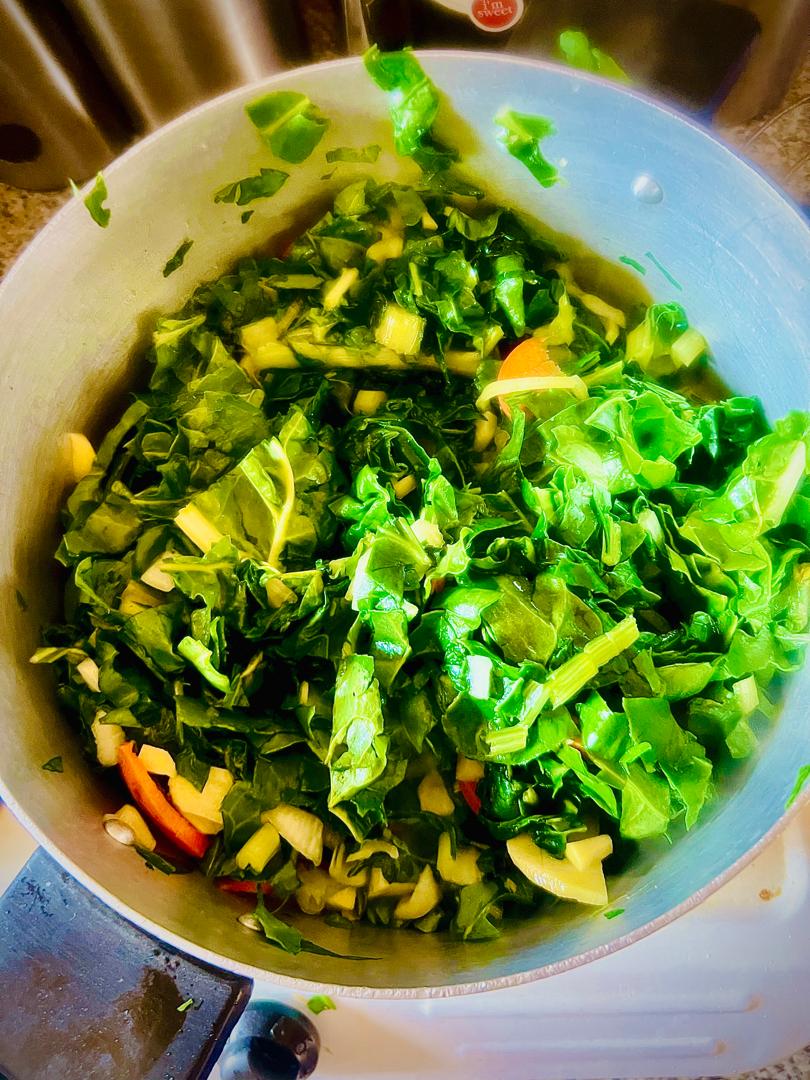
The shrinkage is dramatic enough that recipe math surprises most cooks. The Reluctant Gourmet reports that five cups of raw leaves cook down to roughly one cup.
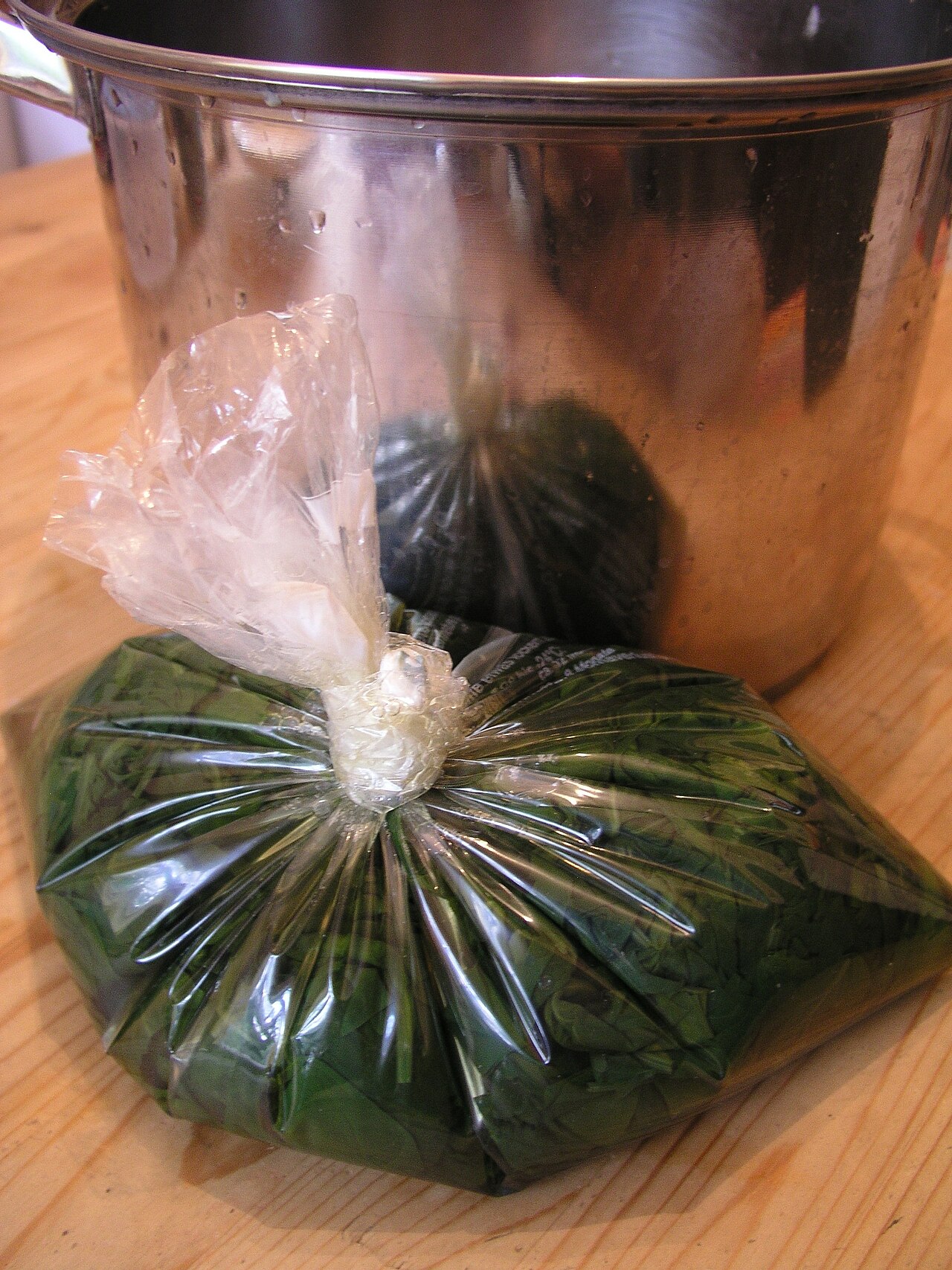
Other sources land in the same territory: a 10-ounce bag yields about a cup, and a full pound (450 grams) of raw spinach reduces to just half to three-quarters of a cup. Volume loss of 75 to 90 percent is the normal range.
Plan on roughly four to five times the raw volume you want to serve. For two people, that means a seriously heaping pan. Buy the bigger bag.
You will use it. Once cooked, squeeze out the excess liquid if the recipe calls for it, because that water will thin sauces and soggy up fillings.
Keeping the color and the bite
Shrinkage is unavoidable, but mush and grey are not. High heat and speed are the whole game.
A quick saute in a large, hot pan with a little oil wilts the leaves in two to three minutes. Some chefs prefer a fast blanch, since setting the color quickly beats the enzymes that turn the leaf brown and bitter.
Salt the leaves lightly as they hit the pan, which draws out moisture faster and seasons them evenly. And pull the spinach off the heat while it still looks slightly underdone, because residual heat keeps cooking it. The same heat-management thinking shows up across the kitchen, from the Maillard reaction in simple terms to the difference between baking soda and baking powder.
How much raw spinach equals one cup cooked?
About five to six cups of loosely packed raw leaves. A standard 10-ounce bag of fresh spinach cooks down to roughly one cup.
Why does my cooked spinach turn out soggy?
Usually a crowded pan, low heat, or a lid. All three trap the water the leaves release, so the spinach stews instead of searing. Use a wide pan, high heat, and no lid.
Does cooking spinach destroy its nutrients?
Heat and water leach some vitamin C and B vitamins, which is why quick cooking and minimal water are better. The oxalic acid that shrinks the leaves also binds some calcium and iron, reducing what your body absorbs.
Should I squeeze cooked spinach dry?
If it goes into a filling, pasta, or anything where water would pool, yes. Press it in a clean towel or squeeze it by hand. For a simple side dish, leave the moisture.
The bottom line
Spinach shrinks because it was never really a pile of leaves. It was a pile of water balloons, each cell inflated by turgor pressure, and heat pops every one of them while oxalic acid dissolves the wreckage. Cook it fast, hot, and uncovered, buy far more than looks reasonable, and you will get bright green spinach instead of a puddle.
Image Credits: Wikimedia Commons / Nillerdk, Olgatladi2020
Latest in Food & Cooking
- The Maillard reaction in simple terms
- The difference between baking soda and baking powder
- How salt preserves food: the science
Subscribe to Rive News for one clear explainer like this every day.
Related stories
Why Does Bread Go Stale Faster in the Refrigerator?
Bread goes stale faster in the fridge because starch recrystallizes fastest near 4°C. Here is the retrogradation science and the right way
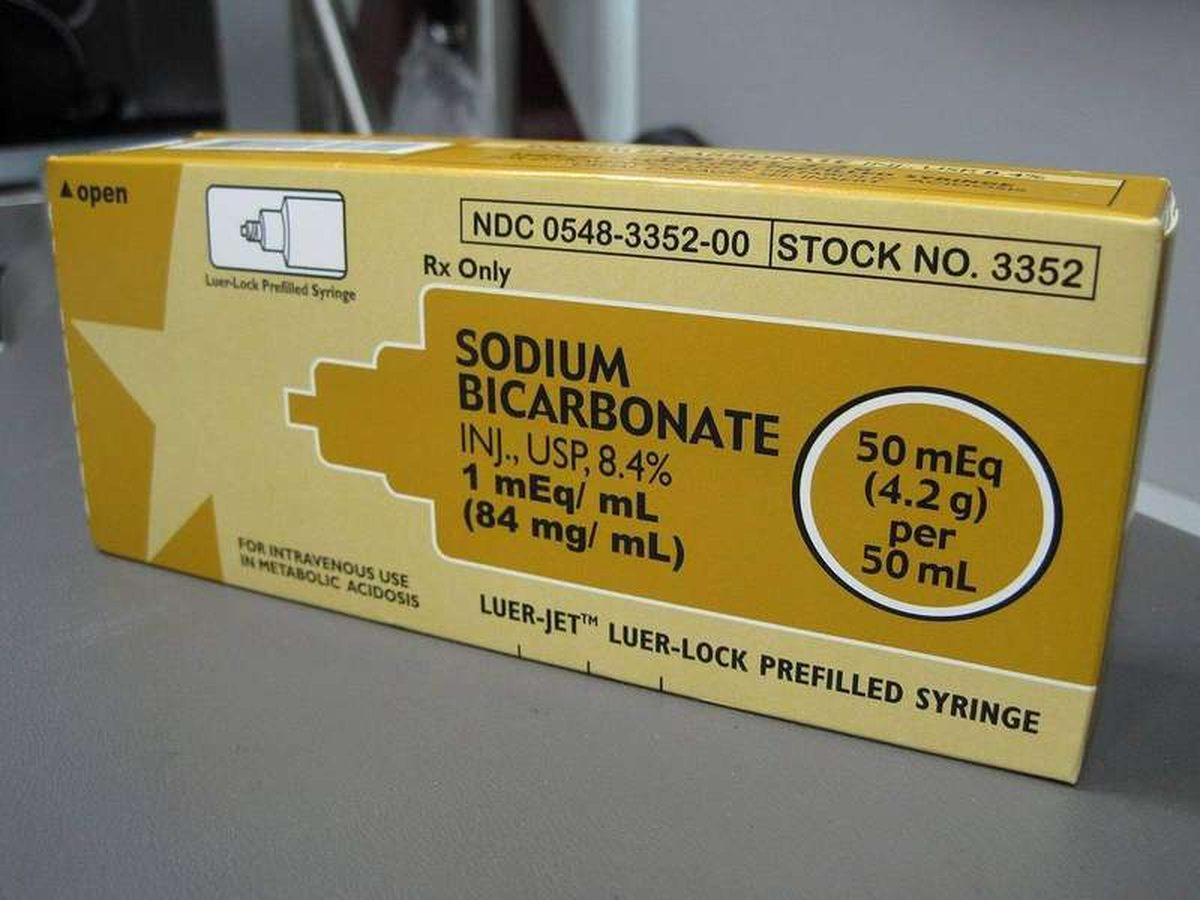
Baking soda and baking powder: what's the difference?
Baking soda is pure sodium bicarbonate; baking powder adds two dry acids for double-acting lift. Learn when to use each, plus exact
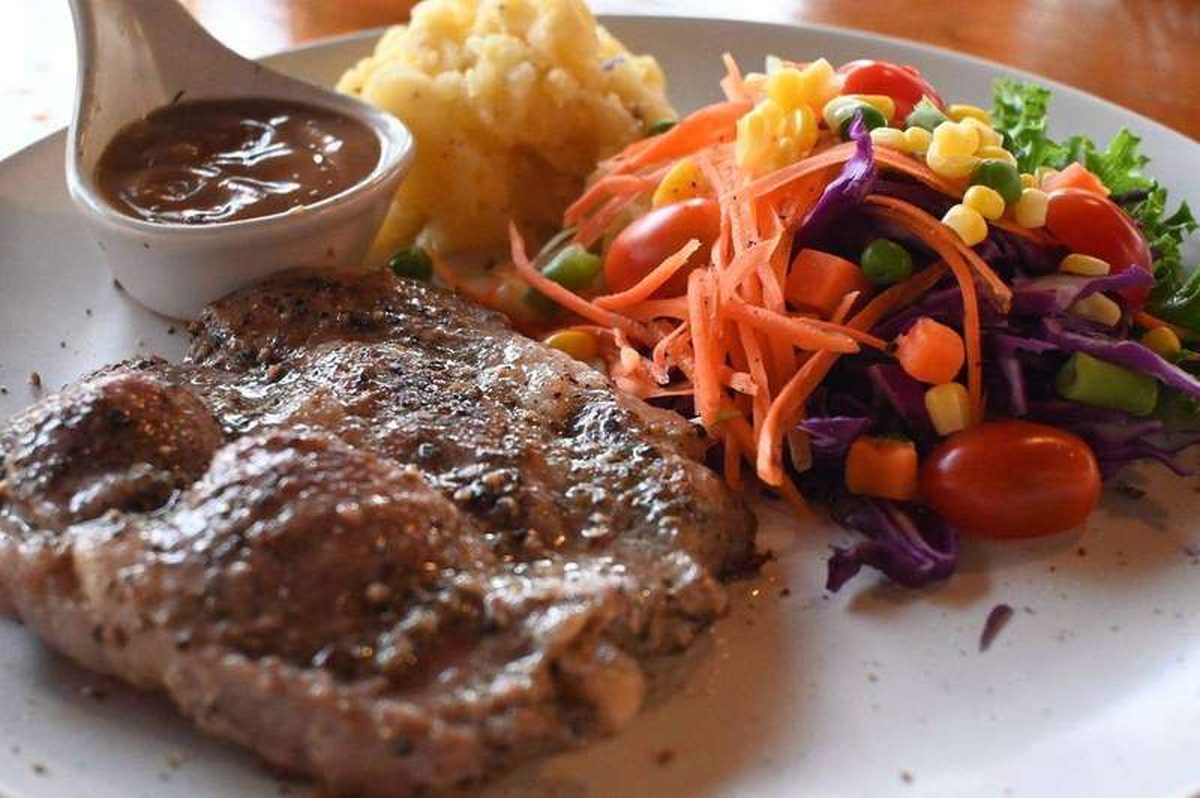
What Is the Maillard Reaction in Simple Terms?
The Maillard reaction is the browning chemistry between amino acids and sugars above 140 C that creates the crust, color, and rich flavor