
Why Do Garlic Cloves Sprout Green in the Fridge? Cold Science
Key takeaways
- Garlic sprouts in the fridge because cold, humid air mimics winter, waking the clove from dormancy through a process called vernalization.
- Sprouted garlic is safe to eat, though the clove turns drier and slightly more bitter as the shoot draws on its stored energy.
- Whole bulbs keep longest in a cool, dry, ventilated pantry; the fridge is only for peeled or chopped cloves you will use soon.
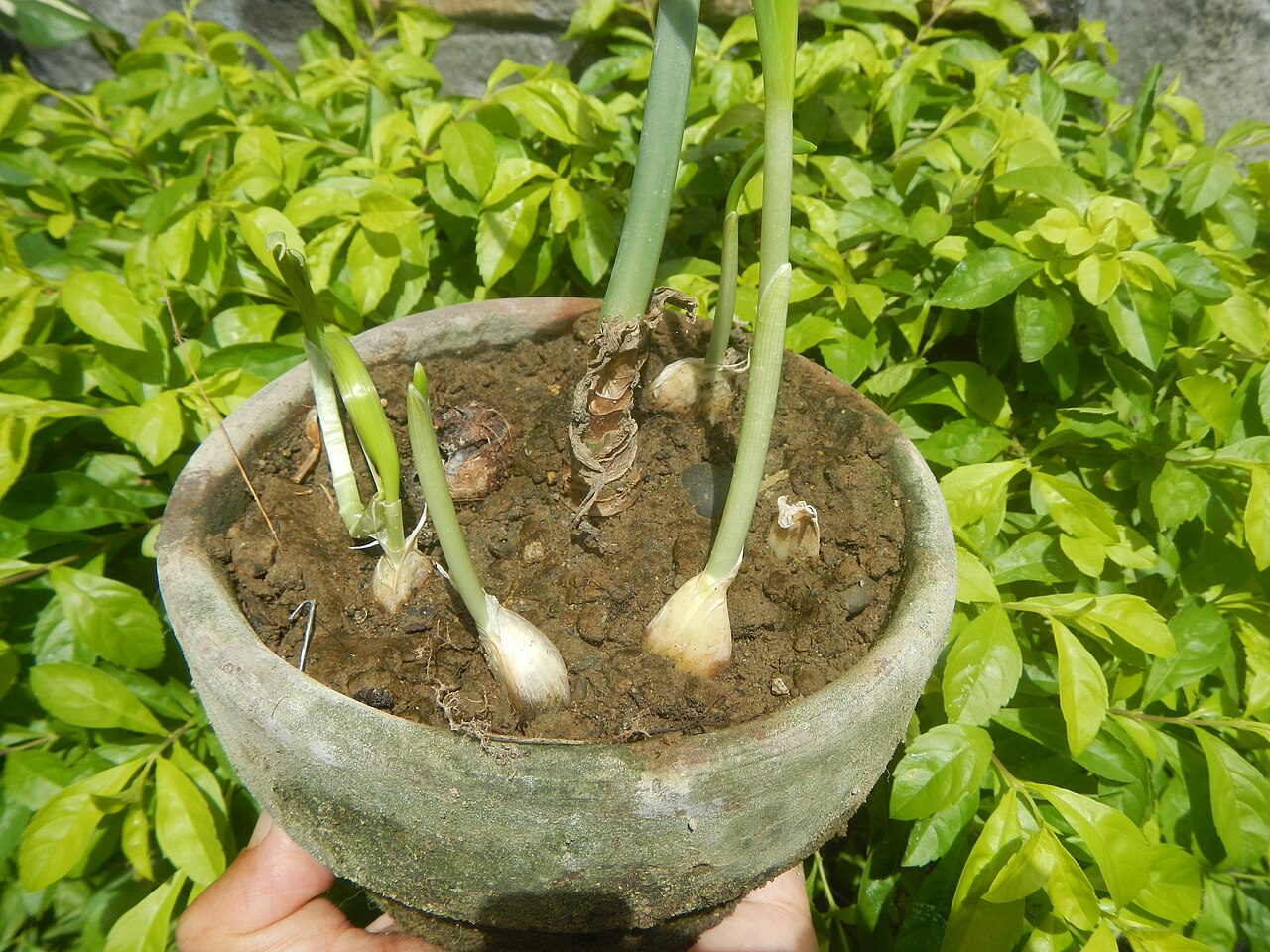
Open the fridge and find green shoots poking out of your garlic, and your first thought might be that it has gone bad. It has not.
The clove is simply doing what cold weather tells it to do: grow. Your refrigerator accidentally convinced it that winter just ended.
This article takes a closer look at fridge sprouting, including the vernalization trigger, why the shoot turns green, whether sprouted garlic is safe to eat, and how to store bulbs so they stay dormant.
Cold tells the clove that winter is over
Garlic is a bulb built to survive winter underground and sprout in spring. Even after harvest, each clove keeps the biological machinery to sense the seasons. Cold, damp conditions signal that winter has arrived and passed, and the clove responds by breaking dormancy and sending up a shoot.
The technical name for this reset is vernalization: a prolonged period of cold, typically several weeks between 32 and 40 degrees Fahrenheit, that breaks dormancy in bulbs and seeds.
Gardeners use it deliberately. They chill flower bulbs and garlic cloves on purpose to force sprouting outside the normal season. Your refrigerator performs the same trick by accident.
A fridge crisper drawer typically holds 35 to 40 degrees Fahrenheit with high humidity, conditions nearly identical to those used commercially to induce sprouting. Research from Haramaya University tested this directly: garlic cloves held at 7 degrees Celsius (about 45 Fahrenheit) for 30 days sprouted at a significantly higher percentage and speed than cloves kept at room temperature around 21 degrees. For hardneck garlic varieties, growers report that four to six weeks at refrigerator temperatures is usually enough to break dormancy completely.
Moisture matters as much as temperature. The cold wakes the clove, and the humidity gives the emerging shoot the water it needs to grow. That is why garlic in a sealed plastic bag in the fridge sprouts faster and also risks mold: trapped moisture feeds both processes.
Why the sprout is green
The shoot is green for the same reason leaves are green. Once the clove breaks dormancy, the emerging shoot starts producing chlorophyll as soon as it encounters light. Even modest light is enough to trigger the pigment, which is why the sprout looks pale yellow-white inside a dark fridge and deepens to green on the counter.
Inside the clove, the wake-up is a busy chemical shift. Enzymes break stored starches down into sugars to fuel growth, and growth hormones mobilize the clove's reserves toward the shoot.
The clove is not rotting. It is spending its savings on a new plant, which is why a sprouted clove feels lighter and drier than a dormant one.
Is sprouted garlic safe? How does it taste?
Sprouted garlic is safe to eat. Vegetable expert and cookbook author Cara Mangini confirmed this in reporting for Serious Eats: sprouting signals that garlic has begun its next growth cycle, but it is not a sign the bulb has spoiled. The sprouts themselves are harmless and can go straight into the pan.
The trade-off is flavor and texture, not safety. Mangini notes that sprouted cloves can taste slightly more bitter, especially when the green shoot inside is large.
As the shoot grows, it draws sugars and moisture out of the clove, leaving it drier and less sweet. For raw applications like aioli, trimming out a large bitter shoot is worth the ten seconds. For a long-simmered stew, you will never notice.
The University of Vermont Extension makes the same point from the gardener's side. Extension writer Joyce Amsden notes that sprouting is simply the nature of garlic cloves in late winter, and the real cost is that the cloves use up their food stores to nourish the shoot. Act in time and you can freeze, dehydrate, or pickle the cloves before they turn to husks.
How to store garlic so it stays dormant
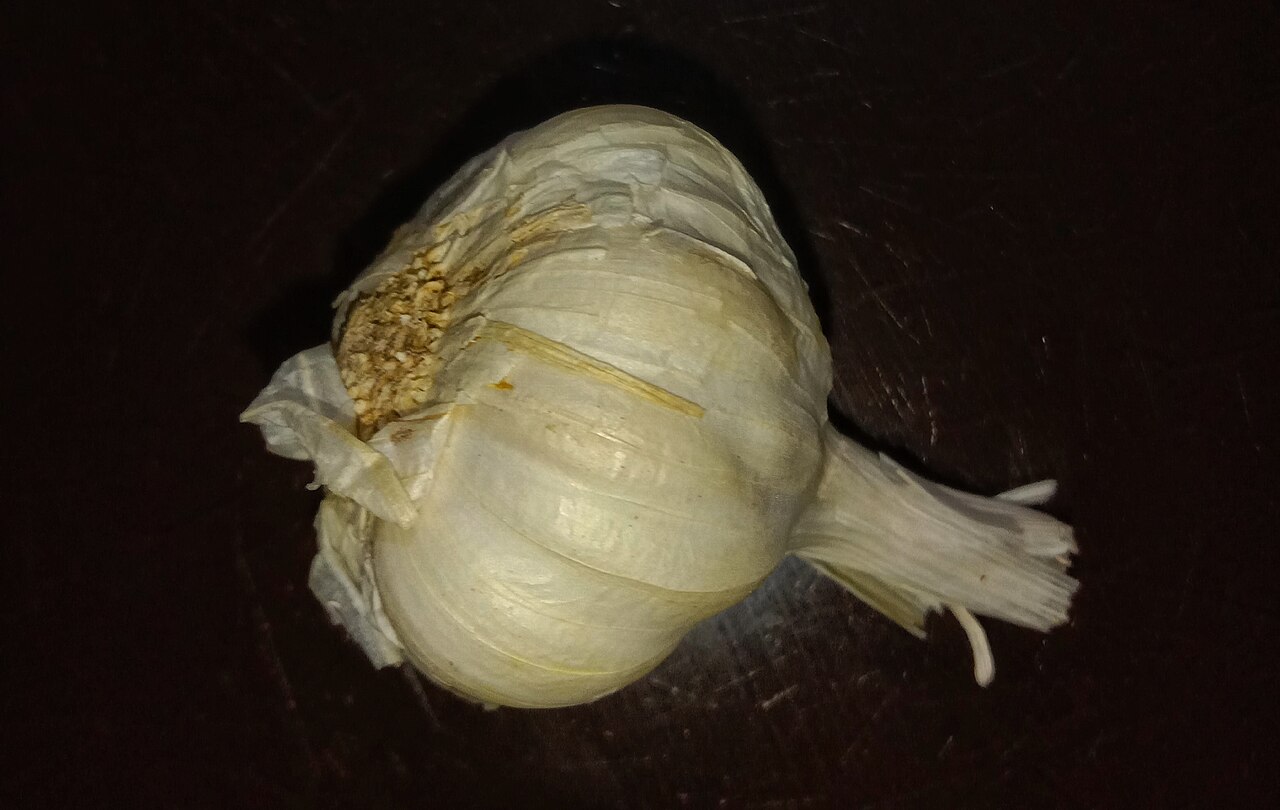
The rule is simple: intact skin means pantry, peeled means fridge. Whole, unpeeled bulbs belong in a cool, dry, ventilated spot at around 60 to 65 degrees Fahrenheit.
A pantry shelf, an open basket, or a mesh bag all work. Stored this way, a good bulb stays usable for three to six months.
Keep bulbs out of sealed plastic. Trapped humidity speeds decay and pushes early sprouting, and it invites mold. Airflow is doing quiet work for you: it wicks away the surface moisture that wakes cloves up.
The refrigerator earns its place only after the skin comes off. Peeled cloves keep in an airtight container in the fridge for seven to ten days. Minced or chopped garlic lasts three to five days refrigerated, because the cut surfaces oxidize quickly.
Garlic submerged in oil is a special case with a real safety rule: the low-oxygen, low-acid environment can allow botulism spores to produce toxin, so homemade garlic in oil must be refrigerated and used within four days, or frozen for longer storage.
Can I plant sprouted garlic from the fridge?
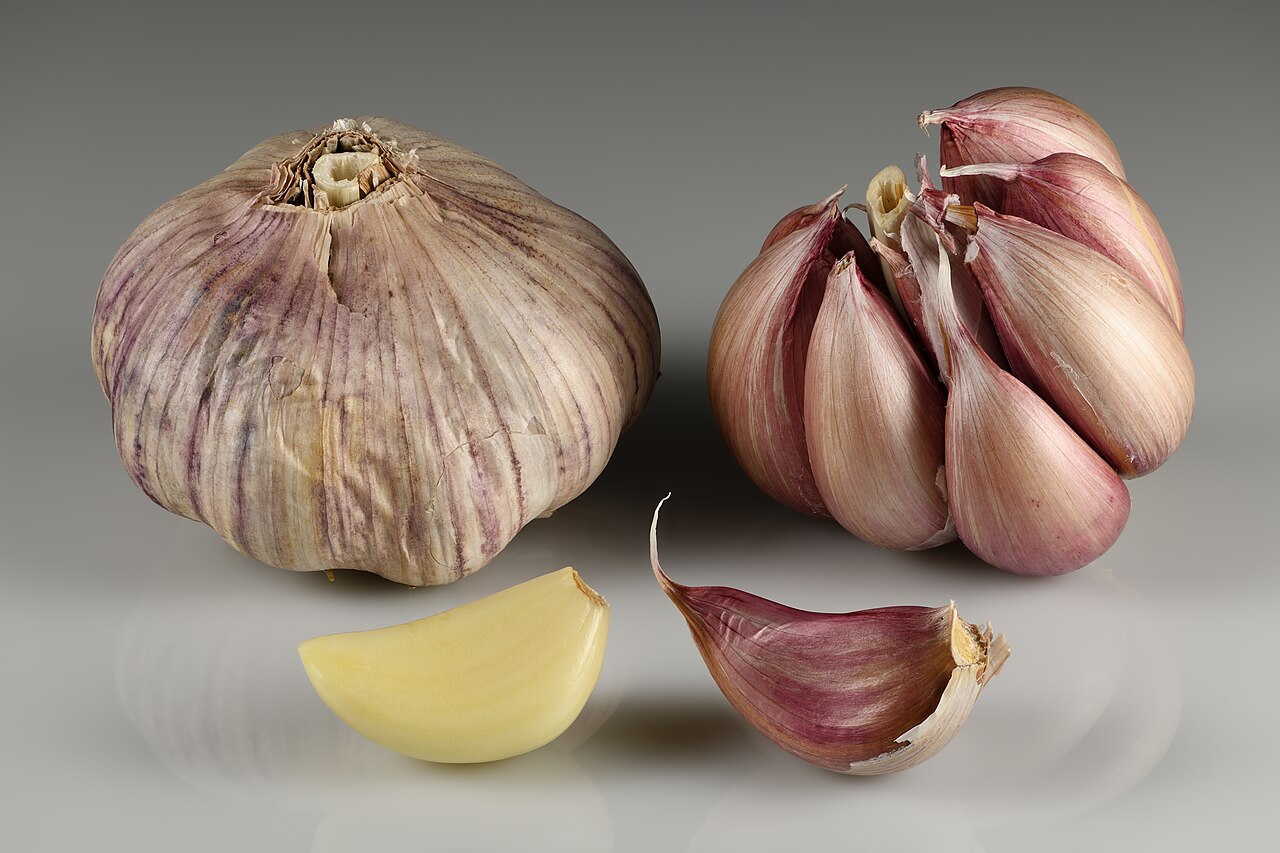
You can, but manage expectations. A clove planted in spring, after its energy is partly spent, typically produces one large single clove rather than a full bulb.
Garlic is best planted in fall, around mid-September before the ground freezes, so it gets a real winter. Indoor sprouting is more experiment than harvest, much like starting seeds indoors without grow lights: fun, but the setup matters.
Should I remove the green sprout before cooking?
It is optional. Small sprouts are barely noticeable.
Large ones can taste bitter and fibrous, especially raw, so trimming them out of a salad dressing or aioli is sensible. In cooked dishes, the difference is minor.
Why does garlic sometimes turn blue or green in pickles?
That is a different reaction. Sulfur compounds in garlic can react with trace minerals and acids to form blue-green pigments. It looks alarming and is completely harmless, and it has nothing to do with sprouting.
Does freezing stop garlic from sprouting?
Deep cold pauses the clove's biology rather than triggering it. Peeled cloves and minced garlic freeze well for months. The fridge's chill zone, just above freezing, is the problem range because it mimics winter without stopping the clock.
The bottom line
Your fridge is a false spring. Its cold, humid air tells the garlic clove that winter has ended, so the clove breaks dormancy and spends its stored energy on a green shoot.
The sprouted garlic is still safe to eat, just drier and a touch more bitter. Keep whole bulbs in a cool, dry, ventilated pantry and they will stay dormant for months. Save the fridge for peeled cloves you plan to cook within days.
Latest in Gardening
- Can You Start Seeds Indoors Without Grow Lights?
- Does Companion Planting Actually Work?
- Overwatering vs. Underwatering: The Finger Test
Get one plain-English gardening explainer in your inbox every week. Subscribe to the Rive News newsletter.
Image Credits: Wikimedia Commons / Judgefloro, Billjones94, Ivar Leidus
Related stories
What Is Companion Planting and Does It Work?
Marigolds work as a nematode cover crop, but the basil flavor claim failed repeated tests. An honest evidence review of what companion
Determinate vs. indeterminate tomatoes: growth, pruning, and harvest differences
Determinate tomatoes grow to a set size and ripen all at once, while indeterminate types vine all season. That one difference shapes

How to improve clay soil for gardening
Gypsum will not fix ordinary clay soil, say extension experts. What actually works: 2 to 3 inches of compost, mulch, better drainage,