
Why Does Mulch Piled Against Trunks Kill Trees? The Decay Chain
Key takeaways
- Mulch piled against a trunk traps moisture against bark, causing rot and opening entry points for fungi, insects, and disease.
- Deep piles bury the root flare and prompt girdling roots that can strangle the tree years later.
- The fix is a flat donut-shaped ring 2 to 4 inches deep, kept at least 3 inches from the trunk.
It looks like extra care: a neat cone of mulch heaped high around a tree trunk, rebuilt every season. Arborists have a name for it, the mulch volcano, and they consider it one of the leading killers of landscape trees.
The cruel part is the timeline. A volcanoed tree declines over five to ten years, long after anyone connects the damage to the mulch.
The mulch itself is not the enemy. Applied correctly, it is one of the best things you can do for a tree. This article explains how the volcano kills, including trapped moisture and bark decay, buried root flares and girdling roots, and rodent damage, plus the simple donut method that fixes it.
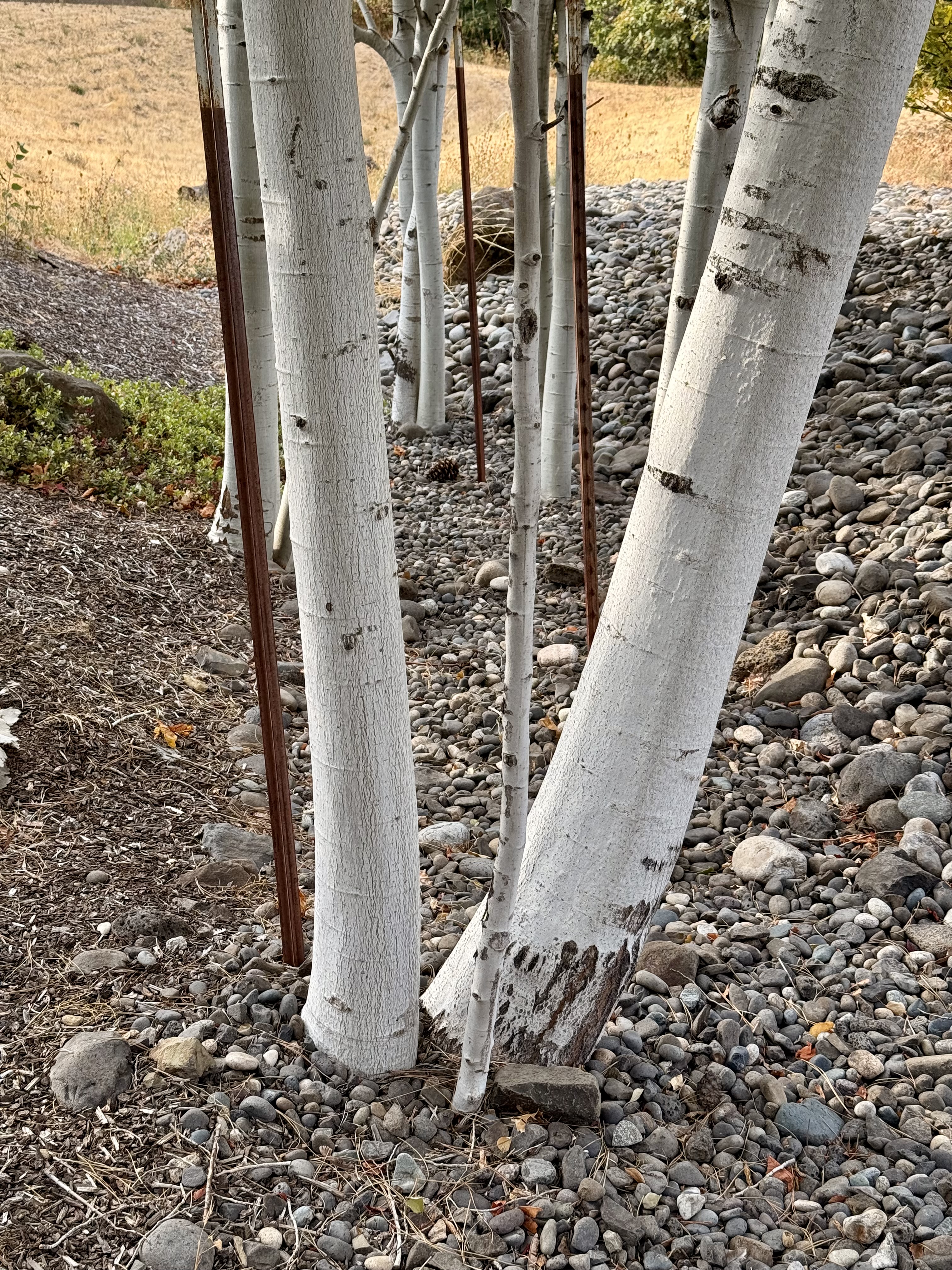
Trapped moisture rots the bark
Tree bark above ground is not root tissue. It is designed to stay relatively dry and exposed to air, serving as the tree's first line of defense. When mulch is pressed against the trunk in a cone, it holds a permanently damp blanket against the one part of the tree that must stay dry.
Constant dampness softens the bark and breaks down its protective outer layer. That decay creates weak spots that invite fungi, bacteria, and wood-boring insects straight into the living tissue beneath.
The University of Vermont Extension warns that mulch piled against bark traps moisture, encouraging decay and providing entry points for insects and diseases. A Maryland Extension specialist describes finding 17 inches of accumulated mulch around a dead tree, with the bark underneath black and mushy.
Excess depth makes everything worse. Very deep mulch blocks airflow to the soil, and roots starved of oxygen respond by growing upward into the mulch itself.
Those adventitious roots often circle the trunk, and years later they thicken into girdling roots that choke off the flow of water and nutrients. The University of Vermont notes that applying more than 4 inches of mulch encourages these roots, which can eventually girdle the tree.
The buried root flare and the rodent hotel
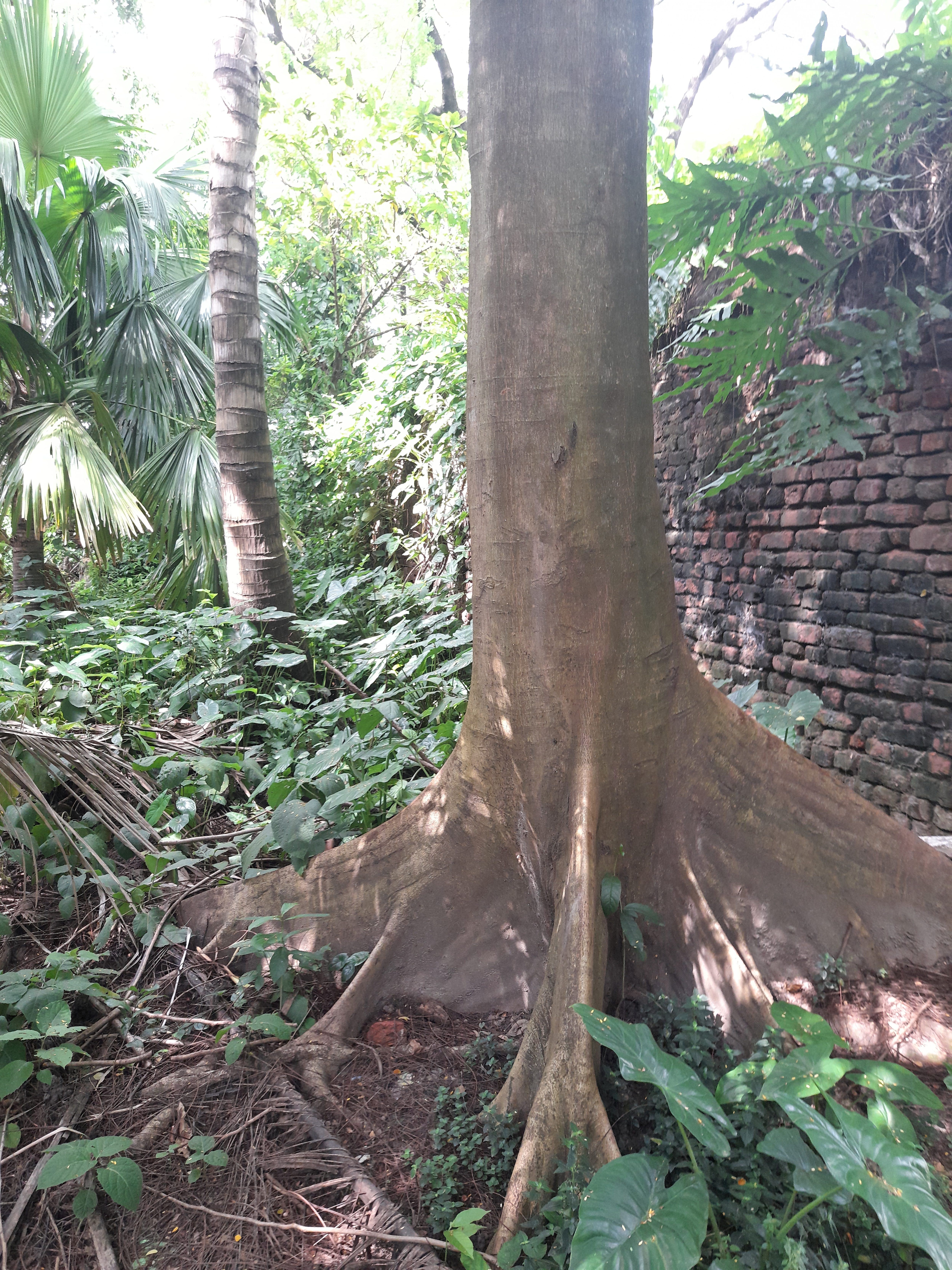
Every tree has a root flare, the widening at the base where the trunk transitions into the root system. It is supposed to be visible at the soil surface.
A mulch volcano buries it, which effectively plants the tree too deep. Buried flares stay wet, decay, and confuse the tree's growth responses, compounding the damage from the moisture trapped higher up.
The pile also creates ideal wildlife habitat, and not the kind you want. Voles and mice tunnel through the cozy cone all winter, protected from predators and weather, and gnaw the tender bark at the base of the trunk.
When chewing removes bark around much of the trunk's circumference, it severs the tissues that transport nutrients, which can kill even a mature tree. The International Society of Arboriculture recommends keeping mulch away from the trunk while spreading it across the surrounding root zone, partly for this reason.
Insects join the party too. Borers and ants find the moist, decaying wood at the base an attractive place to nest, and infestations that start at the trunk base can spread upward, weakening structure and introducing disease. Because the damage is slow and cumulative, homeowners rarely connect a declining canopy to a mulch pile they built with good intentions years earlier.
The donut method: mulch done right
Proper mulching delivers everything the volcano promised, without the damage. Arborists compress the method into a simple rule: think donut, not volcano. Pull the mulch back to leave a visible ring of bare soil around the trunk and root flare, then spread a flat, even layer across the root zone.
The numbers are consistent across extension services. Keep mulch 2 to 4 inches deep; the University of Vermont recommends no more than 2 to 4 inches, while Maryland suggests 1 to 3 inches is all you need.
Keep it at least 3 inches away from the trunk, with some guides recommending 3 to 6 inches of clearance. Extend the ring outward toward the drip line, the area beneath the outermost branches, rather than piling it upward.
Done this way, mulch suppresses weeds that compete with the tree for water and nutrients, holds moisture in the root zone where roots actually feed, insulates soil against freeze-thaw swings, and creates a buffer that keeps mowers and string trimmers off the bark. It also keeps thirsty grass from robbing tree roots, since water passes through mulch more easily than through turf.
If you inherited a volcano, fix it by raking the pile outward and away from the trunk until the root flare is exposed and the layer is level. Check the bark underneath for softness, discoloration, or rodent chewing.
Trees recover slowly, so the sooner the pile comes down, the better the odds. For a deeper look at what mulch does for soil beyond tidiness, see our guide on what mulch actually does for soil.
Frequently asked questions
How far should mulch be from a tree trunk?
At least 3 inches, with 3 to 6 inches recommended by several extension services. You should be able to see bare soil and the root flare between the trunk and the start of the mulch ring.
How deep should mulch around trees be?
Two to 4 inches at most. More than 4 inches encourages adventitious roots that can girdle the trunk, and it blocks oxygen from reaching the root zone.
Can a tree recover from volcano mulching?
Sometimes, if caught early. Rake the mulch away from the trunk, expose the root flare, and level the layer. Trees with advanced bark decay or established girdling roots may need an arborist's assessment.
Is the mulch volcano ever acceptable for young trees?
No. Young trees are the most vulnerable, since rodent girdling and bark decay can kill them outright in a single season. The donut method applies at every age.
The bottom line
Mulch piled against trunks kills trees slowly through a chain of damage: trapped moisture rots the bark, the buried root flare suffocates, adventitious roots girdle the trunk, and rodents chew bark under cover. None of it happens overnight, which is why the volcano keeps claiming trees.
Spread mulch in a flat donut 2 to 4 inches deep, keep it at least 3 inches from the trunk, and extend it toward the drip line. If frost protection is also on your list, our guide to protecting plants from frost without a greenhouse covers the seasonal side.
Latest in Gardening
- What mulch actually does for soil beyond looking tidy
- Should you water plants in the morning
- Why some seeds need light to germinate and others need darkness
Get one practical gardening insight every morning. Subscribe to the Rive News newsletter.
Related stories
What Is Companion Planting and Does It Work?
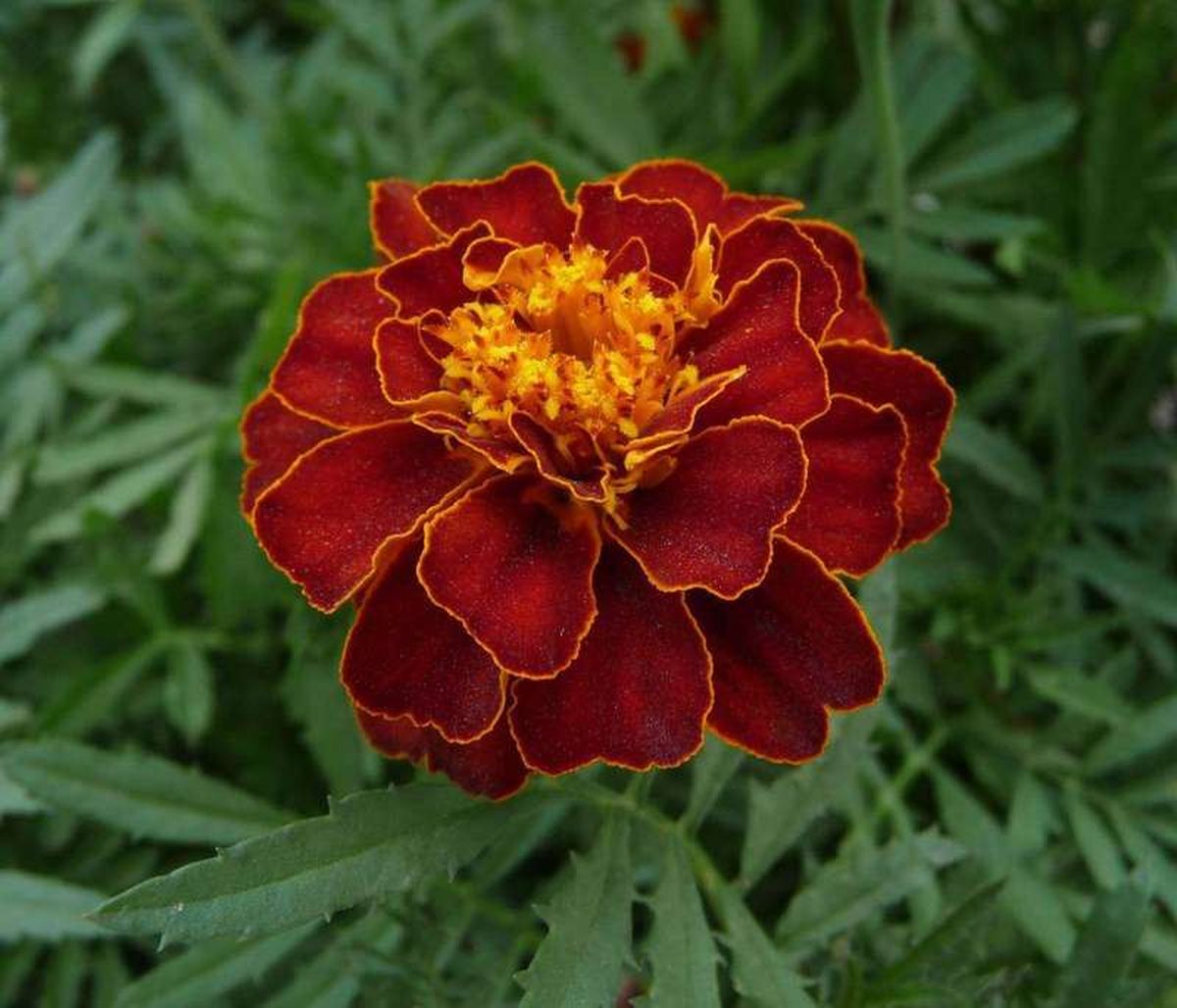
Marigolds work as a nematode cover crop, but the basil flavor claim failed repeated tests. An honest evidence review of what companion
Determinate vs. indeterminate tomatoes: growth, pruning, and harvest differences
Determinate tomatoes grow to a set size and ripen all at once, while indeterminate types vine all season. That one difference shapes
How to improve clay soil for gardening
Gypsum will not fix ordinary clay soil, say extension experts. What actually works: 2 to 3 inches of compost, mulch, better drainage,