
Why some seeds need light to germinate and others need darkness
By Rive News / Research desk | Rive News / Published October 27, 2026 at 9:00 AM PKT
Key takeaways
- Light-sensitive seeds use a pigment called phytochrome as a switch that either releases or holds dormancy.
- Lettuce, celery, and many tiny flower seeds need light, so they must sit on or barely under the soil surface.
- Onion, pumpkin, and most large seeds germinate better in darkness, which usually means sowing them deeper.
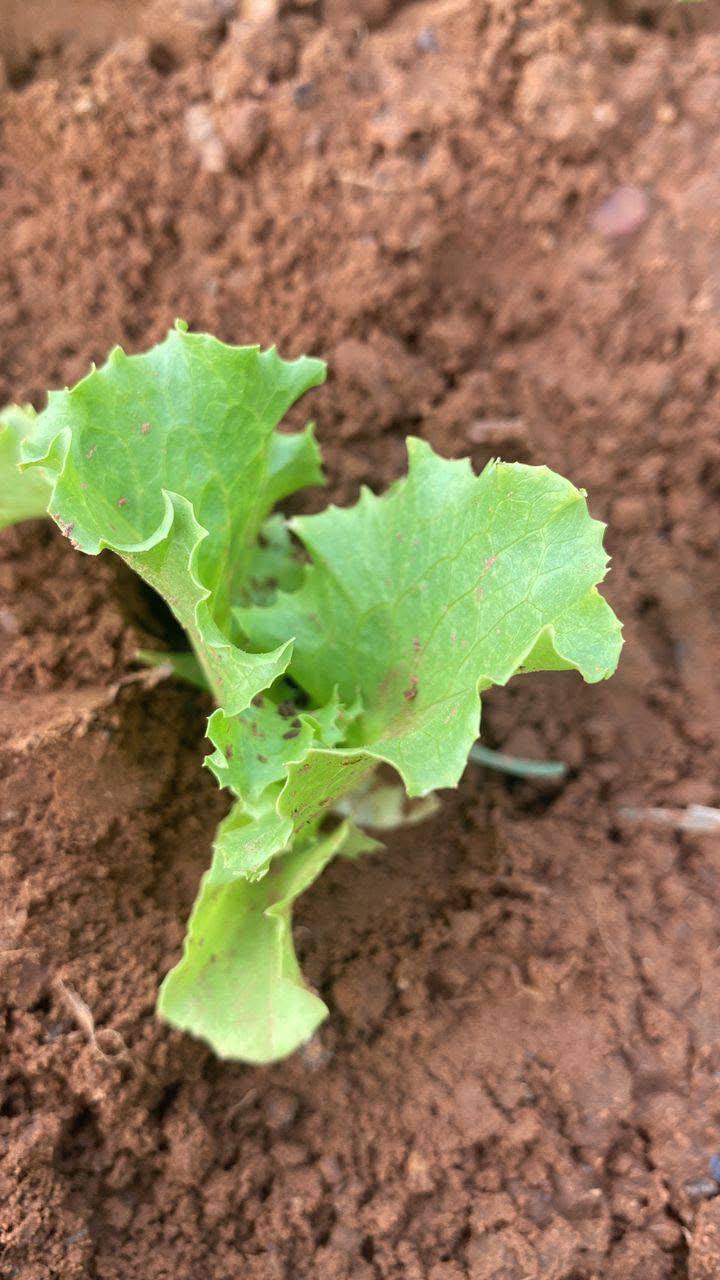
A young lettuce seedling pushing through the soil surface, where light first reaches it. Photograph: Lettuce seedling
Image Credits: Wikimedia Commons
Some seeds refuse to sprout in the dark, while others refuse to sprout in the light. Both behaviours have the same cause: a built-in light sensor that tells the seed whether it is in a safe place to grow. Gardeners call seeds with this trait photoblastic, from the Greek words for light and sprouting.
The sensor is a pigment called phytochrome. It exists in two forms, and light flips it back and forth between them. Red light switches it to the active form that permits germination in light-needing seeds.
Far-red light, the kind that filters through leaves, switches it back to the inactive form. This article explains how that switch works, which common seeds need light, which need darkness, and how deep to sow each kind.
What photoblastic seeds actually are
A photoblastic seed is one whose germination depends on light, either positively or negatively. Positive photoblastic seeds need light to germinate. Negative photoblastic seeds are held back by light and germinate better in darkness.
Most garden seeds fall into neither group: they germinate in light or dark as long as water, warmth, and oxygen are right.
The distinction matters most for small seeds. A tiny seed carries little stored food, so a seedling that starts too deep underground may run out of energy before it reaches the surface. For those seeds, light is useful evidence that they are close to the surface.
Large seeds carry bigger food reserves, so they can afford to start deeper, where darkness and steady moisture protect them.
How phytochrome flips the dormancy switch
Phytochrome was identified through experiments on lettuce seeds. According to a review published in the journal Plant and Cell Physiology and archived by PubMed Central, the phenomenon of light-controlled lettuce germination was discovered using Grand Rapids lettuce seeds in experiments by Borthwick and colleagues in 1952. Later work by Butler and colleagues in 1959 identified phytochrome as the red and far-red light receptor behind it.
The mechanism works like a reversible switch. Red light, at wavelengths of roughly 600 to 700 nanometres, converts phytochrome into its active form, called Pfr. Far-red light, at roughly 700 to 750 nanometres, converts it back to the inactive form, called Pr.
In light-needing seeds, the active form sets off a chain of signals that lowers the dormancy hormone abscisic acid and raises gibberellins, the hormones that promote sprouting.
The same switch explains why shade can block germination. Leaves absorb red light but let far-red light pass, so light under a leaf canopy is rich in far-red wavelengths. A seed sitting under leaves reads that far-red-heavy light as a signal that it is shaded, and stays dormant.
That is a sensible survival rule: a seedling that sprouts under dense shade would struggle to photosynthesise.
Seeds that need light to germinate
Lettuce is the classic example. Its seeds are small, and burying them more than a few millimetres deep can stop them sprouting altogether. Celery, dill, and many small flower seeds behave the same way.
Petunias, begonias, and snapdragons are commonly listed among light-needing flowers, and many wildflower mixes include species with the same requirement.
Sowing these seeds is simple once the rule is clear. Scatter them over damp seed-starting mix, press them gently so they touch the soil, and leave them uncovered or covered with only the thinnest dusting of fine vermiculite. Keep the mix damp but not waterlogged, and give the tray bright indirect light.
A windowsill or a grow light on for 12 hours a day usually does the job.
One practical warning: a clear plastic lid or cling film over the tray keeps moisture in, but it should come off as soon as seedlings appear. Seedlings left under a sealed cover in warm light can overheat or develop fungal problems, and they need air movement to grow sturdy stems.
Seeds that need darkness to germinate
On the other side sit seeds that light holds back. Onions are a well-known example, and pumpkins and other large-seeded vegetables are often listed with them. Calendula and some other flower seeds also germinate better in darkness.
For these seeds, darkness signals that they are safely buried, where moisture is steadier and the young root is protected.
Sowing depth is the practical lever here. A common rule is to sow a seed about twice as deep as the seed is wide, and darkness-needing seeds sit comfortably at the deeper end of that range. Covering them with soil, rather than leaving them exposed on the surface, gives them the dark, moist conditions they prefer.
Once the shoot emerges, light becomes essential, so darkness is only needed until germination, not after.
It is worth noting that darkness alone never replaces the other germination requirements. A seed buried in cold, dry, or airless soil will not sprout no matter how dark it is. Water, warmth, and oxygen still come first; light or darkness only tips the balance for sensitive species.
Why sowing depth mistakes look like dead seed
Many gardeners blame a seed packet when nothing comes up, when the real problem was depth. A light-needing seed buried under a centimetre of compost may be perfectly alive and simply waiting for a light signal that never arrives. A darkness-needing seed scattered on the surface may dry out or be held back by light before it can start.
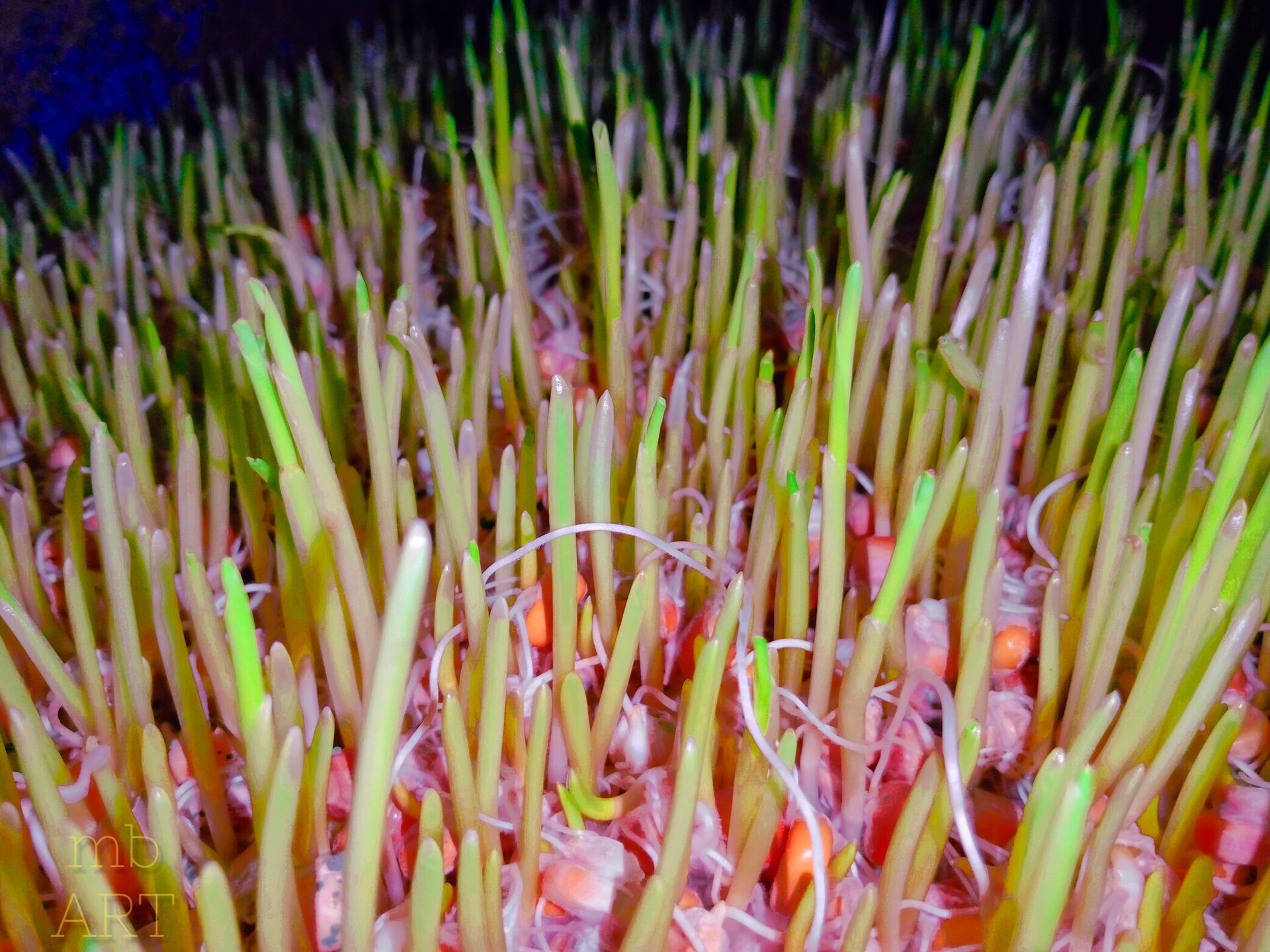
Germinating maize seeds with roots and shoots emerging. Photograph: Maize seed germination
Image Credits: Wikimedia Commons
Checking depth first saves a lot of guesswork. If a tray of lettuce or celery failed, the most likely cause is that the seeds were covered too deeply. If onions or pumpkins failed on the surface, they may have needed covering.
Packet instructions usually state the requirement, and when they say "surface sow" or "do not cover," that instruction is about light, not convenience.
Temperature can confuse the picture too. Lettuce, for example, germinates poorly in hot soil even with light, and many seeds stall below their preferred temperature range. When germination fails, check depth, moisture, and temperature together rather than changing one thing at random.
What to do with seeds that do not care
Most vegetables sit in the middle group. Beans, peas, sweetcorn, and radishes germinate well in light or dark, and standard sowing depth rules work fine for them. For these seeds, the usual advice holds: sow at about twice the seed's width, keep the soil moist, and wait.
If a packet gives no light instruction at all, that silence is itself useful information. It usually means the seed is not strongly photoblastic, so normal depth and moisture matter more than light exposure. Gardeners who start seeds indoors without grow lights can still succeed with these forgiving species, since a bright windowsill is enough.
For mixed trays, it helps to group seeds by their light needs rather than sowing everything the same way. Light-needing seeds go in one tray left uncovered, darkness-needing seeds in another tray covered with soil, and the rest wherever space allows. That small bit of sorting prevents the common failure where half a tray sprouts and the other half never does.
How to test an unknown seed
When no packet guidance exists, a simple test settles the question. Sow ten seeds on the surface of damp mix in one pot and ten seeds covered with soil in another, keeping both pots equally moist and warm. Check daily for two weeks.
If only the surface pot sprouts, the seed needs light. If only the covered pot sprouts, it prefers darkness. If both sprout, light is not the deciding factor.
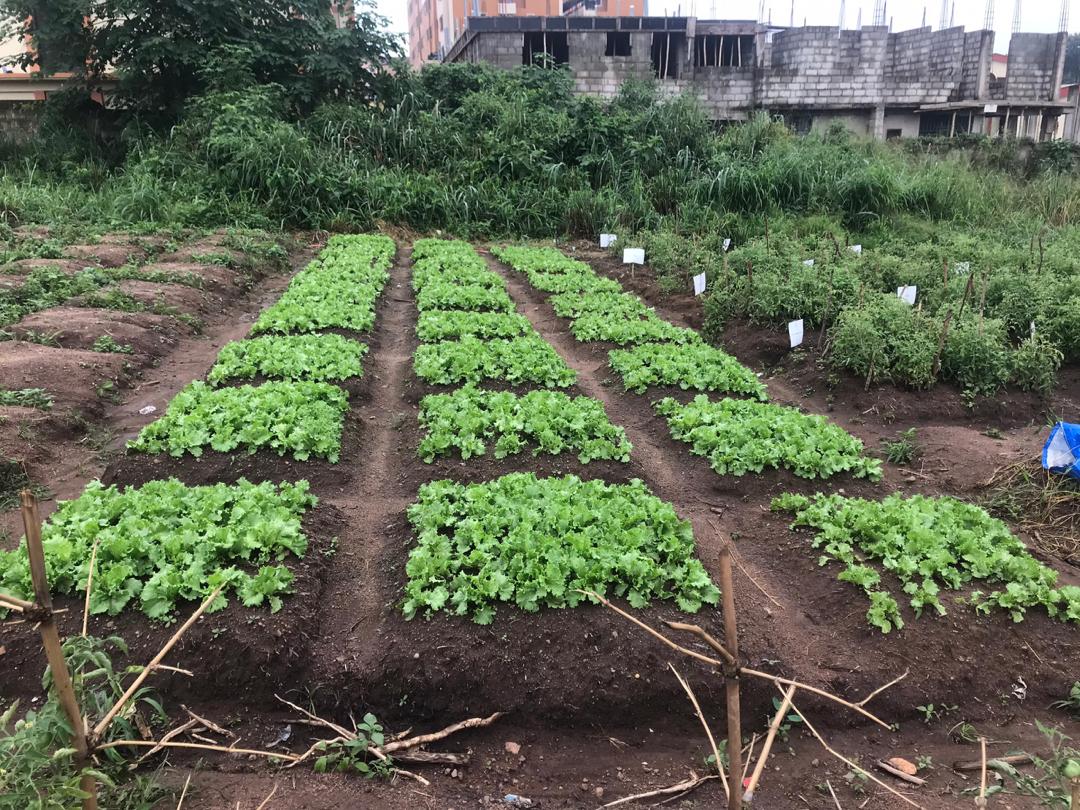
Lettuce seedlings growing in rows outdoors after successful surface sowing. Photograph: Lettuce seedlings
Image Credits: Wikimedia Commons
Keep notes on the result. A notebook line such as "lettuce, surface sow, sprouted day 4" is worth more next season than any general guide, because varieties differ and local conditions shift the outcome. Over a few seasons, a gardener builds a personal sowing chart that beats generic advice.
Frequently asked questions
Do all small seeds need light to germinate?
No. Small size makes light sensitivity more likely, because a small seed cannot afford to sprout deep underground, but many small seeds germinate fine in darkness. Always check the packet or test a small batch before assuming.
Can I use a grow light instead of sunlight for light-needing seeds?
Yes. Any bright light that includes red wavelengths works, since phytochrome responds to red light. A basic white grow light or a bright windowsill is usually enough; the seed does not need full outdoor sun.
What happens if a light-needing seed is buried too deep?
It usually stays dormant rather than dying at once. If it is dug up and exposed to light while still viable, it may still germinate, though seeds lose viability over time in damp soil.
Do darkness-needing seeds need total darkness?
They need to be covered enough that light does not reach them, which ordinary soil cover provides. A dark cupboard is not required, and a covered tray in a lit room works fine.
The bottom line
Light is not a general requirement for germination. It is a signal, read by the pigment phytochrome, that tells sensitive seeds whether they are in a good spot to grow. Red light switches the signal on for light-needing seeds, and far-red light switches it back off.
Sow light-needing seeds on the surface, sow darkness-needing seeds under soil, and treat everything else with normal depth and moisture. Getting that one choice right removes the most common cause of unexplained germination failure.
Tags: seed germination, photoblastic seeds, sowing seeds, phytochrome
Rive News is a research desk covering practical science and everyday questions, writing from published sources rather than personal experience.
Related
- How to start seeds indoors without grow lights
- Why seedlings go leggy and how to fix them
- How to save tomato seeds for next year
- How day length triggers plants to flower
Subscribe to Rive News for one practical explainer like this each day.
Rive News publishes general information from public sources. Corrections are welcome and will be noted on the article.
Related stories
What Is Companion Planting and Does It Work?
Marigolds work as a nematode cover crop, but the basil flavor claim failed repeated tests. An honest evidence review of what companion
Determinate vs. indeterminate tomatoes: growth, pruning, and harvest differences
Determinate tomatoes grow to a set size and ripen all at once, while indeterminate types vine all season. That one difference shapes
How to improve clay soil for gardening
Gypsum will not fix ordinary clay soil, say extension experts. What actually works: 2 to 3 inches of compost, mulch, better drainage,