
Why Seedlings Go Leggy and How to Fix Them
Key takeaways
- Leggy seedlings stretch tall and thin because the light is too weak, too far away, or both.
- Move grow lights to 2 to 3 inches above the plants, cool the room after sprouting, and add gentle airflow.
- Tomatoes can be buried deeper to recover, but most crops cannot, so prevention beats rescue.
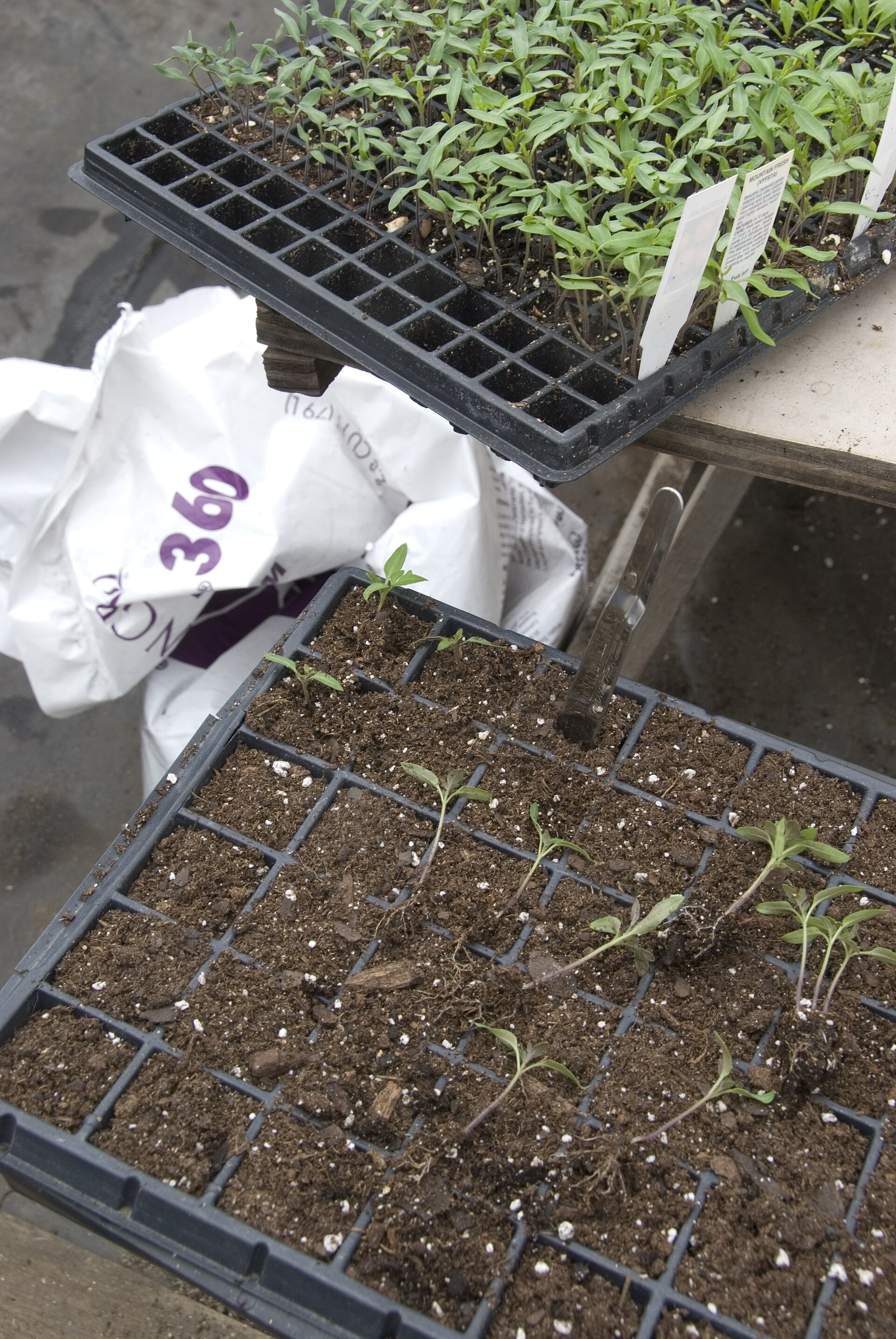
A leggy seedling is easy to spot. The stem is long, thin, and pale. The leaves sit far apart.
The plant leans toward the window or flops over under its own weight. It looks like a plant reaching for something it cannot find, and that is exactly what is happening.
This article explains why seedlings go leggy and how to fix them, including the light, heat, spacing, and airflow changes that turn a stretched tray around, plus which plants can be saved by deep planting and when starting over is the smarter move.
What leggy means
A healthy seedling is short and sturdy, with a thick stem, compact leaf spacing, and a deep green color. A leggy seedling is the opposite: a long, thin stem, wide gaps between leaves, a pale color, and growth that leans or flops. SeedSheets sums up the contrast in a simple table: healthy seedlings stand upright with short stems, while leggy ones lean, stretch, and look washed out.
Legginess usually shows up right after germination, when seedlings are at their most vulnerable stage. Wired Homestead notes that the stretching happens because the plant sacrifices strength for height, growing upward fast instead of building a strong stem and leaves. The stretched part of the stem never shortens again.
Recovery means new growth comes in strong while the old stretch stays put.
Do not confuse legginess with damping off. SeedSheets cites Illinois Extension: seedlings hit by damping off often look healthy at first, then collapse at the base of the stem shortly after emerging, because the pathogen infects them at or below the soil line. A sudden collapse at the soil line points to excess moisture and poor airflow, not light.
The five causes, ranked
Light is the main cause, but four other factors make it worse. SeedSheets lists the drivers: not enough light, a grow light too far away, too much warmth, overcrowding, and overwatering or excess fertilizer. Fix light and space first, since most other issues ease once those are right.
1. Not enough light
This is the number one cause. Seedlings need intense light from the moment they emerge. A sunny window feels bright to us, but to a seedling it feels like a cloudy day.
Wired Homestead puts it plainly: a window gives light that passes through glass from one direction only, while seedlings need light that sits basically on top of them.
Farm to Jar tested the gap with a light meter. Even the brightest windows yield no more than a couple thousand foot candles, a common measure of light intensity in horticulture. Outside on a sunny day, the same meter can read 10,000 foot candles or more.
That gap is why window seedlings stretch even on a bright sill.
2. Light too far away
Distance quietly undoes a good setup. Light intensity fades fast as the fixture moves away from the plants. Wired Homestead warns that if a light sits more than a few inches above the seedlings, they stretch to reach it, which leaves weak stems.
The fix is a close, consistent distance. Both Farm to Jar and Wired Homestead recommend keeping grow lights 1 to 3 inches above the tops of the plants, with 2 to 3 inches as the standard target. Raise the fixture as the plants grow so the gap stays the same.
3. Too much heat
Warm soil helps seeds germinate, but once they sprout, too much heat encourages rapid, weak growth. Wired Homestead frames it as a trade off: heat says grow fast, while light says grow strong. A warm room with weak light produces the leggiest seedlings of all.
Farm to Jar gives concrete numbers for tomatoes. Germination works well at 75 to 80 degrees Fahrenheit, but once seeds have germinated, the temperature should drop to 60 to 65 degrees. Heat mats belong to the germination stage.
Remove them once seedlings emerge, and move trays away from radiators and heating vents.
4. Overcrowding
Seedlings planted too closely compete for light, and that competition triggers upward stretching even when the lighting is decent. Wired Homestead notes that crowded seedlings stretch because each one reaches past its neighbors for light.
Farm to Jar gives a simple rule for tomatoes: when germinating in small celled pots, leave no more than one seedling per cell. SeedSheets adds a technique detail: snip unwanted seedlings at the soil line instead of pulling them, since tugging can disturb the roots of the seedling you want to keep.
5. No air movement
In nature, wind strengthens stems. Indoors, still air creates soft, weak growth that cannot support itself. Wired Homestead calls airflow one of the most overlooked fixes for leggy seedlings.
A small fan on low, just strong enough to make plants sway gently, mimics outdoor wind and encourages thicker stems. A hand brushed lightly over the tops once or twice a day works as a backup if you have no fan.
How to fix leggy seedlings
Act on the causes in order: light first, then heat, airflow, spacing, and finally rescue planting.
Move the light closer today
This is the first and most important fix. If you use grow lights, set them 2 to 3 inches above the seedlings and keep them on 12 to 16 hours per day for most seedlings, according to Wired Homestead. If you rely on a window, choose the brightest south facing option and rotate the tray daily so seedlings do not lean in one direction.
A dedicated grow light almost always beats a windowsill, since window glass filters usable light and the sun angle shifts through the day.
Cool the room after sprouting
After germination, most seedlings prefer cooler conditions around 60 to 70 degrees Fahrenheit, per Wired Homestead. Remove heat mats once seedlings emerge. If the room is warm, move trays to a slightly cooler spot.
Slower, cooler growth builds thicker stems.
Add gentle airflow
Set up a small fan on its lowest setting, aimed so the breeze crosses the seedlings rather than blasting them. SeedSheets advises running it a few hours a day rather than constantly, and skipping strong direct airflow, which can dry out or stress young plants. Airflow supports strong growth, but it will not fix a light problem on its own.
Thin crowded seedlings
If several seedlings share one cell, keep the strongest one and snip the rest at the soil line. It feels harsh, but overcrowding guarantees legginess. Wired Homestead is blunt about it: thinning is hard, yet crowded seedlings will stretch no matter how good the light is.
Repot deeper, but only for the right crops
Some plants grow new roots along a buried stem, and tomatoes are the standard example. Wired Homestead advises transplanting leggy tomatoes into deeper containers and burying the stem up to the first set of leaves. Farm to Jar explains why it works: tomatoes can grow roots from their stems, so deep planting turns a stretched stem into extra root mass.
SeedSheets gives a table of which crops tolerate this. Tomatoes and tomatillos can be planted deeper readily. Peppers tolerate only slightly deeper planting, if at all.
Cucumbers, lettuce, and most flowering annuals should not be buried deeper, since buried stems that cannot root that way invite rot. Never bury a seedling past its first true leaves unless you know the crop handles it.
Support floppy seedlings
If seedlings are already falling over, use a small stake or toothpick to hold them upright while they recover. SeedSheets stresses that this is purely protective, not corrective: a stake will not make the stem shorter or sturdier on its own, but it buys time for better light and conditions to work without losing the plant to breakage.
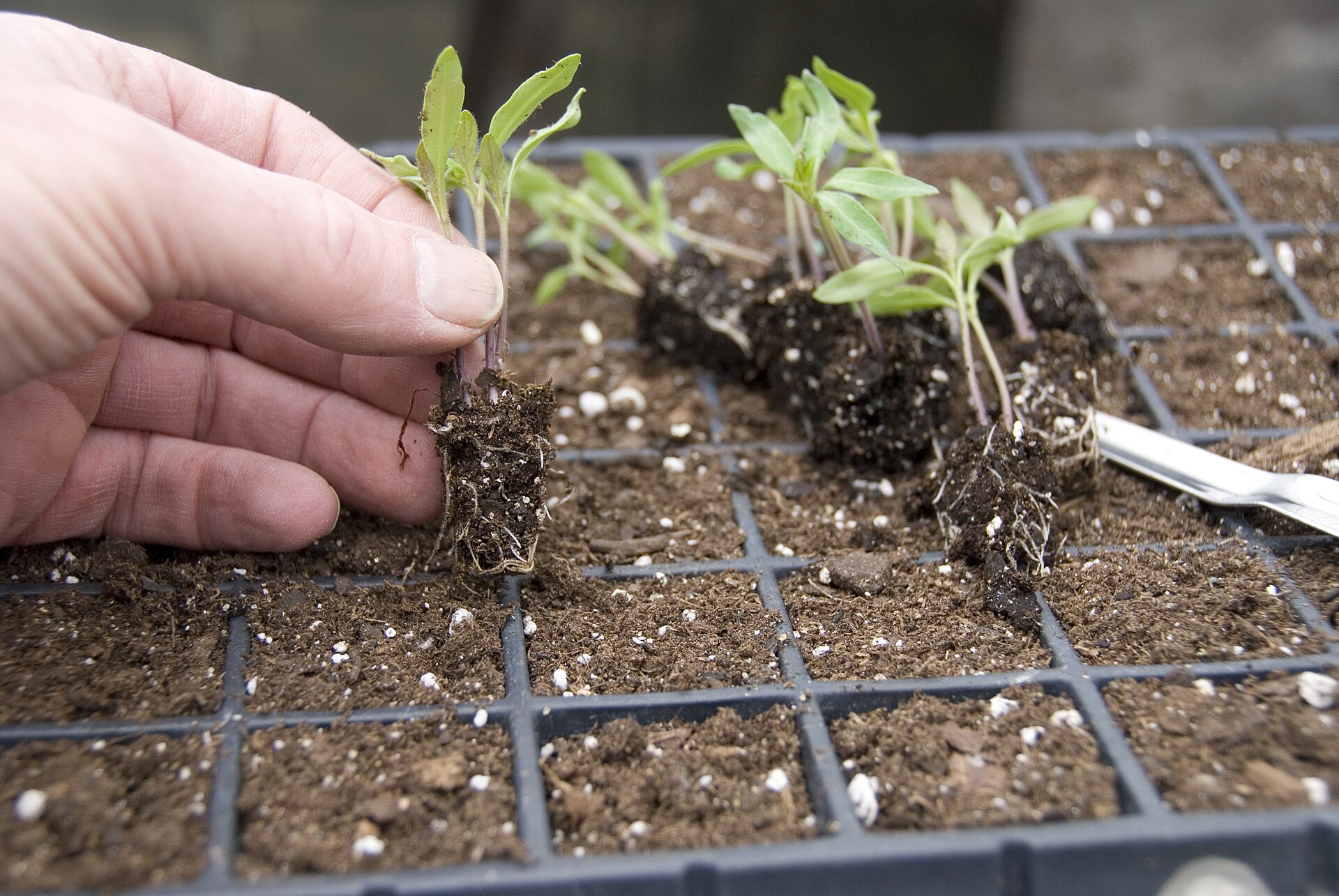
Can leggy seedlings recover?
Often, yes, if you catch them early. SeedSheets notes that recovery looks like the stretching stops, new growth comes in stronger, and the plant settles into steadier root and shoot development. New, sturdier growth typically shows up within one to two weeks after you fix the light and environment.
The stretched portion itself never shortens, but everything the plant grows after that point should look normal.
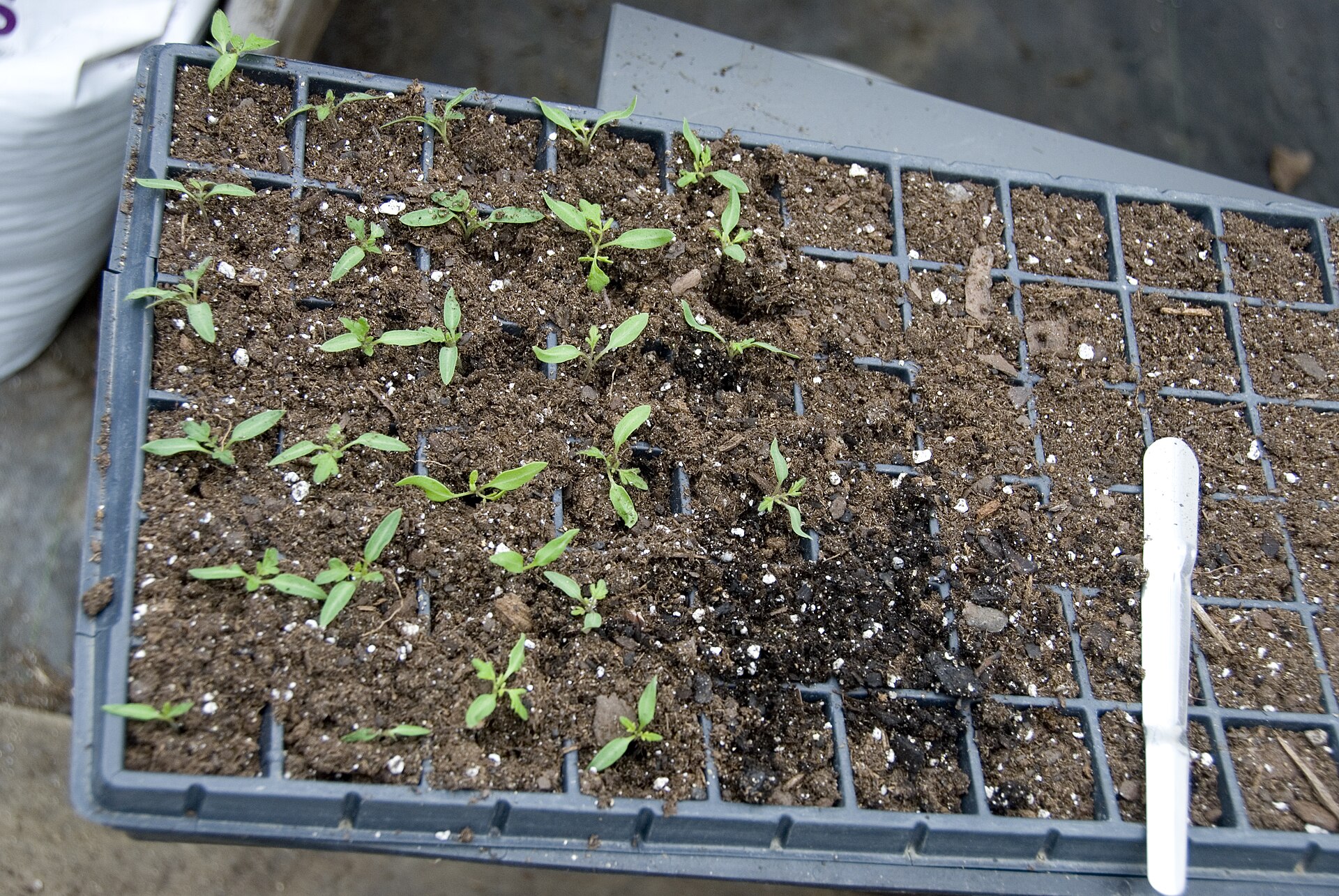
Check for signs the seedling can recover: the stem is still firm to the touch, the growing tip is intact, the leaves look reasonably healthy, and the roots appear white and healthy. Wired Homestead adds a practical test: a slightly stretched seedling is usually easy to fix, but a severely leggy one might need replacing.
Start over when the seedling has collapsed, the stem is extremely thin and fragile, the stem looks pinched, brown, or water soaked, or growth has stalled. SeedSheets lists the same red flags, plus damping off spreading through the tray and a damaged growing point. Wired Homestead puts the trade off plainly: seeds are cheap, but time and garden space are limited, and being set back a week beats nursing plants that are too weak to produce.
Some crops recover better than others. Wired Homestead rates tomatoes, peppers, and herbs such as basil or cilantro as the best recovery candidates. Lettuce, root crops such as carrots and radishes, and brassicas such as broccoli, cauliflower, and cabbage are harder to save.
If these become severely leggy, starting over is often the better choice.
Preventing legginess next time
Prevention is the same fix list, applied before stretching starts. SeedSheets recommends setting up grow lights before seeds germinate, not after noticing a problem, and giving emerging seedlings strong light at once, since the first few days matter most.
FAQ
How close should grow lights be to seedlings?
Keep them 2 to 3 inches above the tops of the plants for most seedlings, and raise the fixture as the plants grow. Farm to Jar gives a range of 1 to 3 inches. A light hung a foot above the tray delivers far less usable light than the same light hung close.
The bottom line
Leggy seedlings are reaching for light they cannot get. Move the light to 2 to 3 inches above the plants, cool the room after sprouting, add gentle airflow, and thin crowded cells. Tomatoes can be buried deeper to recover, but most crops cannot, so prevention is the real fix.
Watch new growth for a week or two after the changes. If the new growth comes in short, sturdy, and green, the seedling is back on track. If the stem has collapsed or growth has stalled, start fresh and set the lights up before the next batch germinates.
Tags: seedlings, seed starting, grow lights, gardening
Latest in Gardening
- How to grow strawberries in a hanging basket
- How to water plants correctly while on holiday
- Topsoil vs compost for raised beds
- How to grow mint without it taking over the garden
Subscribe to the Rive News newsletter for one practical gardening guide each week.
Related stories

What Is Companion Planting and Does It Work?
Marigolds work as a nematode cover crop, but the basil flavor claim failed repeated tests. An honest evidence review of what companion

Determinate vs. indeterminate tomatoes: growth, pruning, and harvest differences
Determinate tomatoes grow to a set size and ripen all at once, while indeterminate types vine all season. That one difference shapes

How to improve clay soil for gardening
Gypsum will not fix ordinary clay soil, say extension experts. What actually works: 2 to 3 inches of compost, mulch, better drainage,