
Topsoil and Compost for Raised Beds: What Is the Difference
Key takeaways
- Topsoil is the growing medium; compost is an amendment that feeds and improves it.
- A new raised bed needs both, plus an aeration material for drainage.
- Too much compost harms plants, so keep it near one third of the mix.
Gardeners often use the words topsoil and compost as if they mean the same thing. They do not. One is the medium plants root into.
The other is a rich additive that feeds that medium. Using the wrong one, or the wrong ratio, can leave plants hungry, waterlogged, or scorched by excess nutrients.
This article explains what is the difference between topsoil and compost for raised beds, including what each one is, how they work together, the mix ratio to use, and the mistakes that cost gardeners a season.
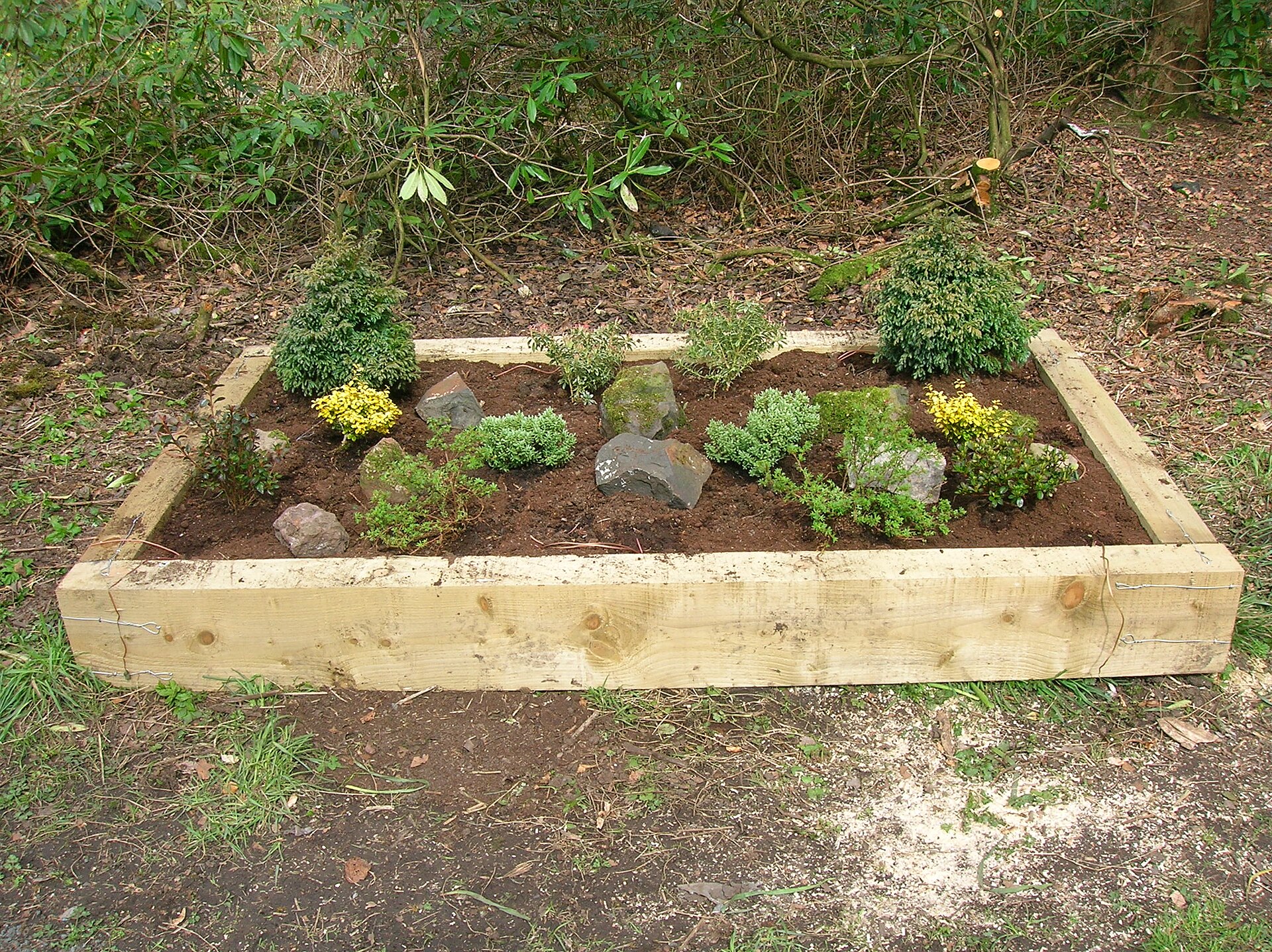
What topsoil is
Topsoil is the top layer of the earth. It forms over hundreds to thousands of years as rock weathers and organic matter accumulates. A healthy topsoil holds sand, silt, clay, minerals, and some organic material.
It is the medium in which plants root and grow.
Topsoil gives a raised bed bulk and structure. It holds plants upright, stores water between rains, and gives roots room to spread. Its nutrient level varies widely.
Good loam topsoil feeds plants reasonably well. Cheap bagged topsoil can be nearly nutrient free, which is why a bag that looks like soil can still grow weak plants.
Topsoil also comes in different textures. Clay soil holds water and nutrients but drains slowly. Sandy soil drains fast but holds little nutrition or moisture.
Loam, a balanced mix of sand, silt, and clay with organic matter, is the ideal garden soil. Most bagged topsoil sold for beds sits somewhere between these types, so reading the bag matters.
What compost is
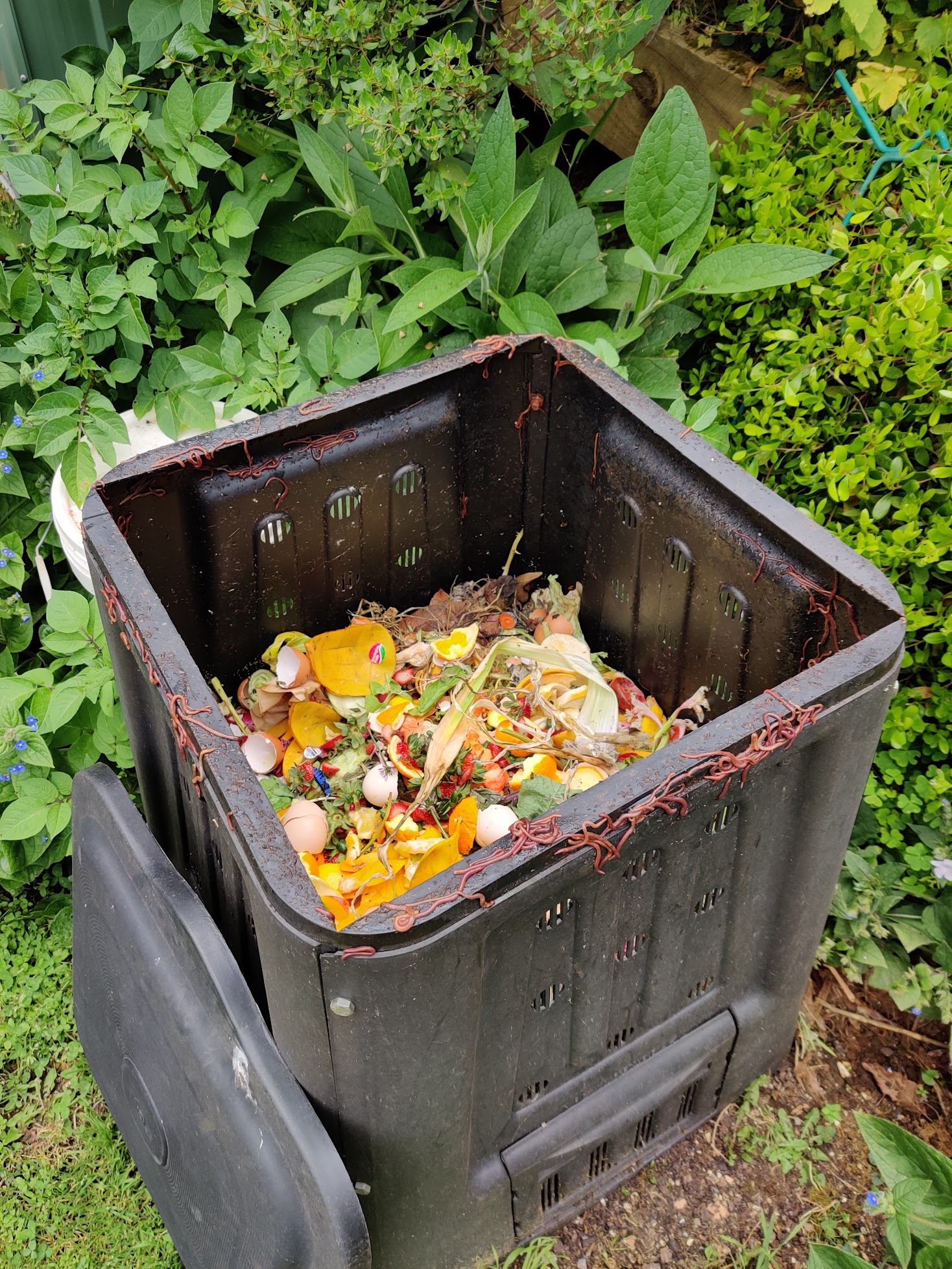
Compost is decomposed organic material. It starts as green matter such as food scraps and grass clippings, plus brown matter such as dry leaves and twigs. With oxygen, water, and bacteria, that pile breaks down over weeks to months into a dark, crumbly, earthy smelling material rich in nutrients and beneficial microorganisms.
Compost is not a growing medium on its own. It is a soil amendment, something you add to soil to boost nutrition, improve texture, and help the soil hold moisture. Gardening Channel compares it to a vitamin supplement for garden beds.
It feeds the soil food web, improves drainage in dense clay, and helps sandy soil hold water.
Compost comes in several forms. Composted green waste comes from garden trimmings and kitchen scraps. Composted manure is rich in nitrogen but must fully compost before use, or it can burn plants.
Sterilized loam compost blends sand, silt, and clay for specialty mixes. Homemade compost costs nothing but time. Bagged compost costs money but arrives ready to use.
The difference at a glance
The core difference is role. Topsoil is the base. Compost is the booster.
A bed of topsoil alone gives plants structure but often too little food. A bed of compost alone gives plants food but poor structure, since pure compost compacts after watering and can hold excess nitrogen that pushes soft, leggy growth.
Cost differs too. Topsoil is usually the cheaper way to fill volume. Compost costs more per bag or per yard, which matters when filling a large bed.
That is why most guides recommend buying screened topsoil in bulk and adding bagged compost separately.
Time differs as well. Topsoil forms over centuries through natural processes. Compost is made by people in months.
One is mined or stripped from land, which is why quality varies so much between suppliers. The other is made from waste, which is why its quality depends on what went into the pile.
The right mix for a raised bed
For a new raised bed, use all three parts: topsoil, compost, and an aeration material. A practical mix is roughly one third of each. The compost supplies nutrients and microbes.
The topsoil supplies minerals and structure. The aeration material, such as perlite, coarse grit, coconut coir, or pine bark fines, keeps the mix light so roots can breathe.
Some guides give a simpler two part ratio. Gardening Channel recommends filling a raised bed with topsoil and mixing in 20 to 30 percent compost. Agri Farming suggests about 60 percent topsoil, 30 percent compost, and 10 percent perlite or coarse grit.
My Garden Spot places compost at 30 to 50 percent of total volume, topsoil at 30 to 50 percent, and aeration material at 10 to 30 percent. These ranges agree on the same point: compost near one third, never a majority.
Crops shift the balance a little. Leafy greens such as lettuce and spinach enjoy compost near 40 percent of the mix, since they are shallow rooted and feed near the surface. Root vegetables such as carrots and beets prefer compost near 25 to 30 percent, because excess nitrogen makes carrots fork and grow hairy.
Tomatoes and squash do well near 30 to 35 percent, with a top dressing later in the season.
How much soil a bed needs
Before buying, work out the volume. The formula is simple: length times width times depth, all in feet, gives cubic feet. A standard bed 4 feet wide, 8 feet long, and 1 foot deep needs 32 cubic feet.
Divide by 27 to get cubic yards, since soil is often sold by the yard. That bed needs about 1.2 cubic yards in total.
Apply the one third rule to that total. The 4 by 8 by 1 foot bed needs roughly 11 cubic feet of compost, 11 cubic feet of topsoil, and 10 cubic feet of aeration material. Buying by these numbers avoids the common error of ordering a full yard of compost and then wondering where to put it.
For an existing bed, the math is smaller. Spread 1 to 2 inches of compost over the surface and work it into the top 6 to 8 inches of soil. Vegetable gardens can take up to 3 inches of compost per season.
That annual top up replaces the nutrients last season's plants removed.
Mistakes to avoid
The biggest mistake is filling a bed with pure compost. More is not better. Excess compost overloads soil with nitrogen and phosphorus.
Gardening Channel warns that too much phosphorus blocks plants from absorbing manganese and iron, which causes yellowing between leaf veins. Excess nutrients can also wipe out helpful mycorrhizal fungi and push fast, weak growth that attracts pests. Never let compost exceed half the mix, and keep it near one third.
The second mistake is using topsoil alone. A bed of plain topsoil, especially cheap bagged topsoil, often lacks the organic matter and microbes that plants need. Growth starts slow, water runs through or pools, and the bed compacts.
A third of compost fixes all three problems at once.
The third mistake is skipping aeration. Topsoil plus compost, with nothing to keep it open, settles into a dense slab after a few waterings. Perlite, coarse grit, coir, or bark fines hold air pockets open.
That air is what roots breathe, and it is what lets water drain instead of sitting.
The fourth mistake is buying without checking. Bagged topsoil varies widely in quality. Some bags hold screened loam.
Others hold heavy clay, sand, or debris. Open a bag before buying in bulk if you can. Good topsoil smells earthy, crumbles in the hand, and holds together loosely when squeezed.
Soil that smells sour or stays in a hard clod is a poor buy.
The fifth mistake is mixing compost with soil borne disease in mind too late. Compost should not go where plants have soil borne pathogens unless the pile reached full heat during composting. Finished compost from a trusted source is safe.
Half finished compost can carry weed seeds and disease.
Can you use one without the other?
In a pinch, yes, with limits. Compost alone can grow a few light crops, such as cherry tomatoes, small herbs, and spring onions, if the pH sits between 6.0 and 7.0. Gardening Channel notes that most vegetables need compost mixed with soil, and that compost alone lacks enough nitrogen, phosphorus, and potassium to replace fertilizer for heavy feeders.
Topsoil alone can grow plants, but results improve when amended with compost. A topsoil only bed will need fertilizer sooner and will need organic matter added later. Starting with both is cheaper than fixing a poor bed midseason.
Frequently asked questions
Are soil and compost the same thing?
No. Compost is decomposed organic material used as a soil amendment. Topsoil is the naturally occurring growing medium that holds minerals, rock particles, and organic matter.
Compost is something you add to soil. It becomes part of the soil over time, but it is not soil on its own.
What ratio of topsoil to compost should I use in a raised bed?
Use about one third compost, one third topsoil, and one third aeration material for a new bed. A simpler two part version is 60 to 70 percent topsoil with 30 to 40 percent compost. Keep compost near one third and never above half the mix.
Can I fill a raised bed with only compost?
No, not for most plants. Pure compost holds too much nitrogen, compacts after watering, and pushes soft growth with few flowers or fruit. A few light crops can manage in pure compost, but most vegetables need soil for structure.
Do I still need fertilizer if I use compost?
Usually yes. Compost improves soil and adds nutrients, but it rarely holds enough nitrogen, potassium, and phosphorus on its own to replace fertilizer, especially for heavy feeders such as tomatoes and corn. Use compost and fertilizer together.
The bottom line
Topsoil and compost do different jobs, and a raised bed needs both. Topsoil gives the bed its body: minerals, structure, and root room. Compost gives the bed its life: nutrients, microbes, and better texture.
Mix about one third of each with one third aeration material, buy by measured volume, and top up with a few inches of compost each season. That balance gives plants food, air, and water in the right measure.
Tags: gardening, raised beds, soil, compost
Latest in Gardening
- How to grow strawberries in a hanging basket
- How to fix seedlings that go leggy
- How to water plants correctly while on holiday
Subscribe for one practical gardening idea in your inbox each week.
Related stories

What Is Companion Planting and Does It Work?
Marigolds work as a nematode cover crop, but the basil flavor claim failed repeated tests. An honest evidence review of what companion

Determinate vs. indeterminate tomatoes: growth, pruning, and harvest differences
Determinate tomatoes grow to a set size and ripen all at once, while indeterminate types vine all season. That one difference shapes

How to improve clay soil for gardening
Gypsum will not fix ordinary clay soil, say extension experts. What actually works: 2 to 3 inches of compost, mulch, better drainage,