
How to Water Plants Correctly While on Holiday
Key takeaways
- Match the watering method to trip length, since a weekend needs only deep watering and a month needs a system.
- Succulents cope for 2 to 3 weeks alone, while tropical plants need help after 2 to 3 days.
- Test any DIY watering setup for several days before you leave, since untested systems fail most.
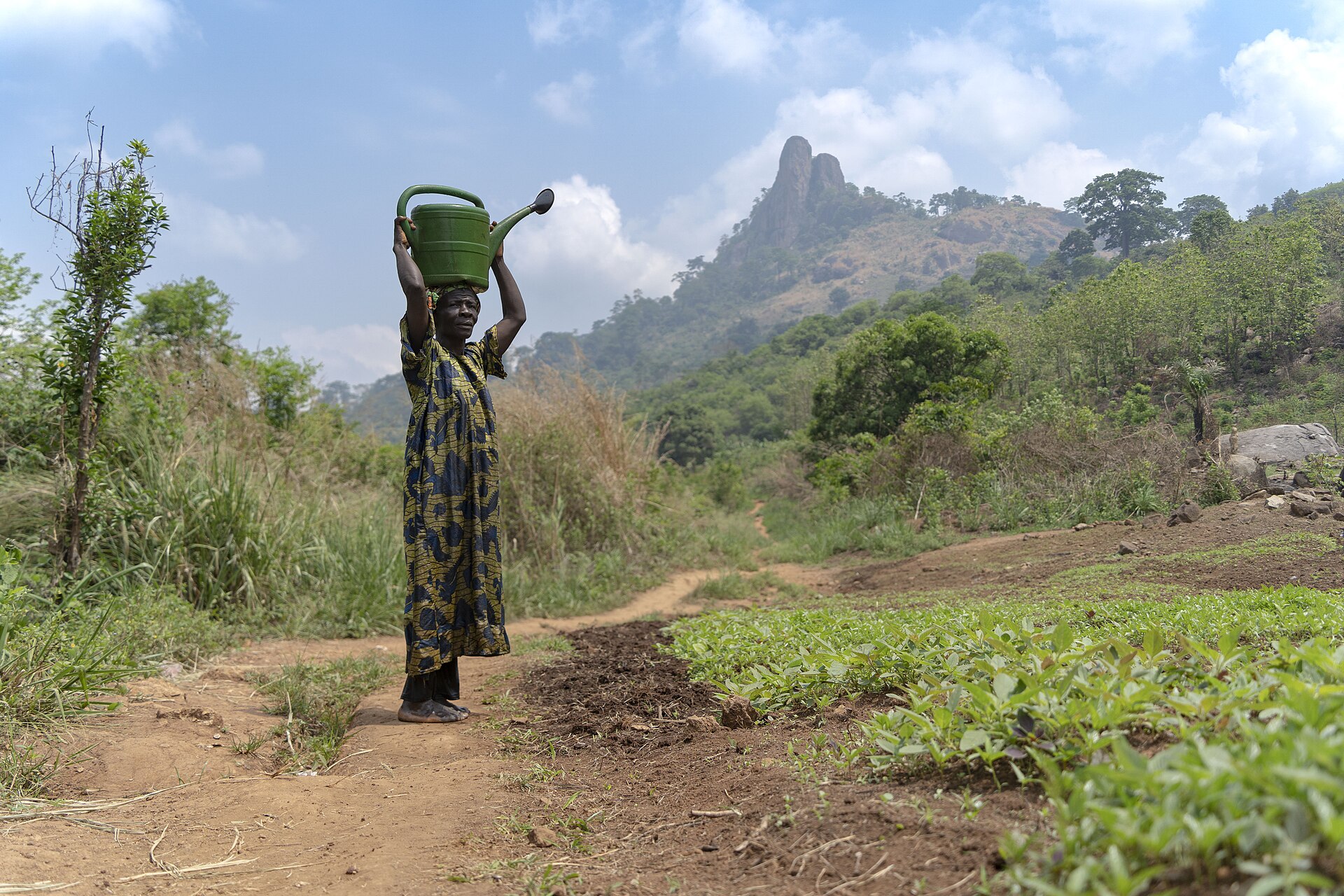
Watering plants correctly while on holiday means giving each plant enough moisture to last the trip, without drowning it before you leave. The right method depends on two things: how long you will be away, and what kind of plants you own. A succulent and a fern do not need the same plan.
This article explains how to water plants correctly while on holiday, including pre-trip prep, five proven methods, and how to match each method to your trip length.
Know your plants before you pack
Start by sorting your plants into thirst groups. Mini Garden Gear notes that succulents and cacti need minimal attention for 2 to 3 weeks, while tropical plants need more steady moisture. Plantclub adds that succulents and dry-adapted plants such as ZZ plants and snake plants can go 2 weeks or more without a drink, while tropical plants take more effort.
Most houseplants sit in the middle. Mini Garden Gear reports that most houseplants can survive 7 to 10 days without water, though the range varies by species. That number is a guide, not a promise.
A plant in a small pot in a sunny window dries out far faster than the same plant in a big pot in a shaded room.
Check each plant the week before you leave. Note which pots dry out fastest. Those are the plants that need a watering system, not just a deep drink before departure.
Prep work in the last 48 hours
Good prep does half the work. Plant Corner NYC advises giving each plant a deep, thorough watering within 24 hours before you leave, so the soil is fully moist but not waterlogged. That reserve carries the plant through the first days of your trip.
Prune before you go. Plantclub suggests removing sad-looking leaves and water-hungry buds and flowers, which lets plants conserve water more effectively. Skip fertilizer in the weeks before travel, since new foliage needs more water and you want slow growth while you are away.
Move plants out of direct sun. Plant Corner NYC recommends a spot with indirect light, away from heaters, since direct sun and heat dry soil fast. A few feet back from a north or east-facing window works well for most houseplants.
Grouping plants together also helps, since the group holds humidity in the air around it.
Finally, clean up. Dead leaves on the soil can grow mold in damp, still air. A quick tidy-up lowers that risk and lets you spot pests before they spread while you are away.
Method 1: The wicking system
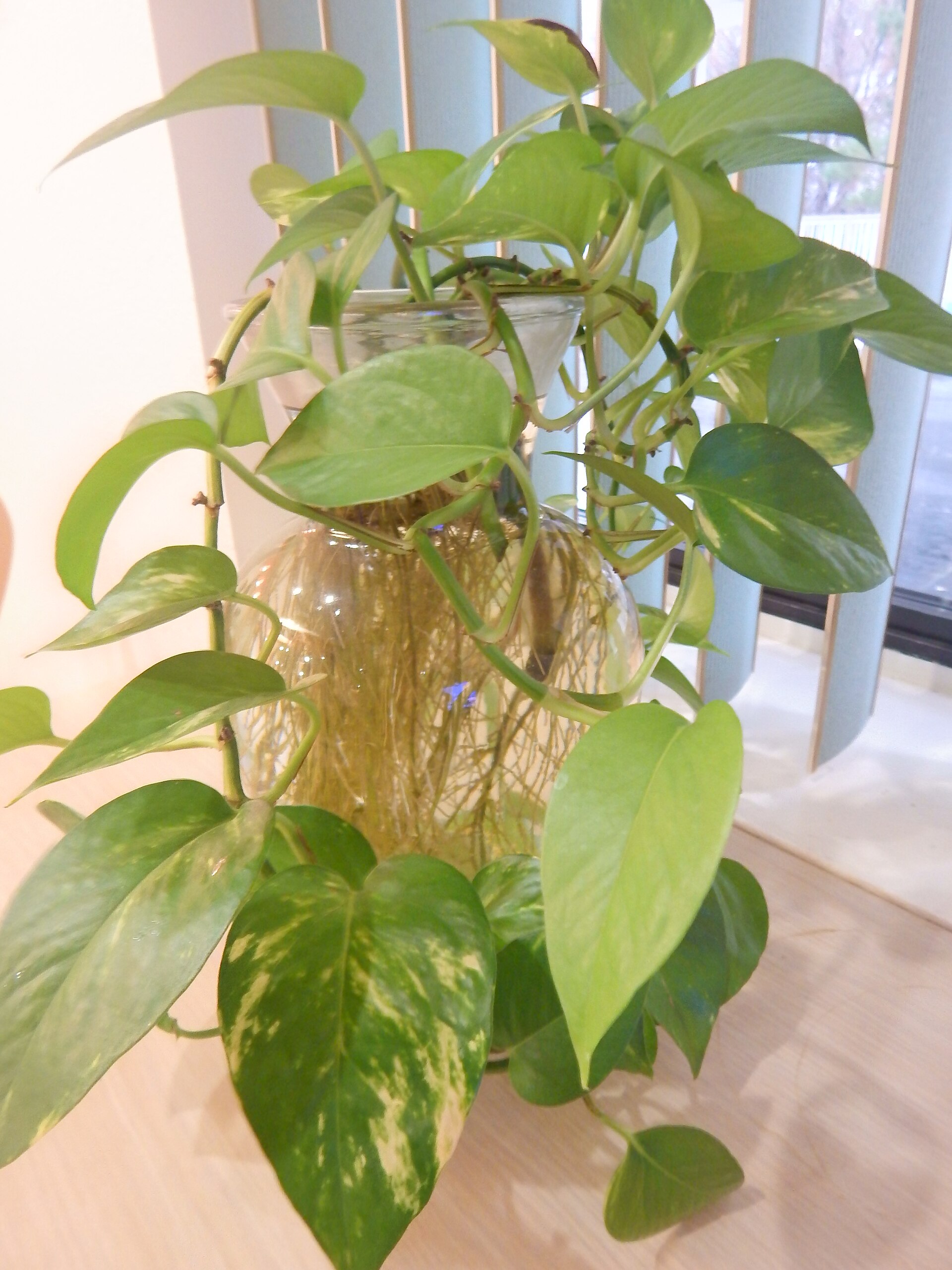
Wicking uses a cotton cord to carry water from a container to the soil. It suits trips of about a week, and it works well for plants that like steady moisture.
Mini Garden Gear gives the basic steps. Fill a container with water. Cut cotton rope to length, with one end in the water and one end in the soil.
Bury one end 2 to 3 inches into the soil. Place the other end in the water. Test before leaving to confirm the wicking works.
Use 100 percent cotton rope or yarn. Mini Garden Gear warns that synthetic rope does not wick water well. Keep the water container slightly above the plant if you can, since gravity helps the flow.
Check that the wick stays in contact with both the water and the soil for the whole trip.
Wicking suits medium-sized pots best. A large plant may need two wicks, one on each side of the pot, to spread moisture evenly.
Method 2: The bottle drip
The bottle drip is the simplest DIY option. Take a clean plastic bottle, poke 2 to 3 small holes in the cap, fill it with water, and push it cap-down into moist soil near the roots. Water seeps out slowly over days.
Plantclub notes that small bottles suit medium-sized plants, while wine bottles suit large pots and trees. The soil must be moist before you insert the bottle, since dry soil can clog the holes or shed water down the sides of the pot.
Test the bottle for a day before you leave. If it empties in hours, the holes are too big. If it stays full, the holes are too small or blocked.
Two days of testing saves a trip's worth of worry.
Method 3: The bathtub soak
The bathtub method handles many plants at once, which makes it ideal for a one to two week trip. Mini Garden Gear describes the steps: lay a towel in the bathtub, add 1 to 2 inches of water, and set potted plants with drainage holes on the towel. The plants draw water up through the base as they need it.
Plantclub gives a similar measure of 5 to 7 cm of water in the tub, and notes that a sink or a watertight tray works the same way for fewer plants. Keep the tub in indirect light. A bright bathroom window helps, but direct sun on a tub full of plants can overheat the water and stress the roots.
This method suits plants that like even moisture. It does not suit succulents or cacti, which dislike sitting in water. Give those a deep drink and a shaded shelf instead.
Method 4: Watering globes and stakes
Watering globes are glass or plastic bulbs with a narrow stem. Fill the globe, push the stem into moist soil near the base, and water releases slowly as the soil dries. Mini Garden Gear advises placing globes away from direct sunlight to slow algae growth inside the bulb.
Globes suit medium-sized plants with moderate water needs. Mini Garden Gear notes they may not suit very small pots or plants that need constantly moist soil. For those, wicking or a bathtub soak gives steadier moisture.
Self-watering stakes work on the same idea with a different shape. They cost little, they need no power, and they are easy to test. Fill one, insert it, and watch the soil for two days before you trust it.
Method 5: The plastic bag greenhouse
The plastic bag method suits small plants for a week or so. Cover the plant and its pot with a clear plastic bag, using stakes to hold the bag off the leaves. Moisture that evaporates from the soil condenses on the bag and drips back down.
Plantclub warns to punch a few holes in the plastic for air flow, and to keep the plant out of direct sun or the leaves could burn. Plant Corner NYC gives a similar tip for lidded containers: leave the lid slightly ajar to stop excess condensation and mold growth.
This method creates a humid pocket around one plant. It is cheap and effective, but it is not a good choice for plants that dislike humidity or for trips longer than about 10 days.
Match the method to the trip
Mini Garden Gear offers a simple trip-length guide. For 2 to 3 days away, deep pre-watering or moving plants to shade is enough. For 1 week, use wicking, water globes, or DIY bottle drippers.
For 2 weeks, use a bathtub wicking setup or group plants on pebble trays. For 3 weeks or more, consider an automatic watering system or a plant sitter.
Automatic systems suit frequent travelers and large collections. Timed drip lines and moisture sensors water on a schedule without daily attention. For a single trip, though, a tested DIY method usually costs less and fails less often.
For trips past 2 weeks, Plant Corner NYC suggests booking a plant sitter a week before departure. A sitter can check soil moisture, water, watch for pests, and send photo updates. That human check catches the problems no device can see.
Mistakes that kill plants on holiday
The most common mistake is overwatering before departure. Mini Garden Gear warns that soaking soil to the point of waterlogging causes root rot. Water thoroughly, but let excess water drain out of the pot before you leave.
The second mistake is skipping the test. Mini Garden Gear lists untested systems as a top error and advises testing any setup for several days before departing. A wick that slips out of the water on day one leaves a plant dry for the whole trip.
The third mistake is ignoring plant-specific needs. Succulents need different care from tropical plants. Group plants by thirst level before you set up systems, so the fern does not sit in a puddle and the cactus does not sit in a swamp.
The fourth mistake is forgetting drainage. Water collection methods need drainage to prevent root damage. Never seal a pot into a watertight tray without a way for excess water to escape.
The return check
When you get home, check plants before you water them again. Push a finger about an inch into the soil. If it feels damp, wait.
If it feels dry, water slowly and let the pot drain.
Look for warning signs. Sudden leaf drop, brown leaf edges, or a musty smell from the soil can mean the setup failed or the plant sat too wet. Trim damaged leaves, move the plant back to its usual spot, and give it a week to recover before you change anything else.
Keep a short note about what worked. Record the method, the trip length, and the result for each plant.
FAQ
How long can houseplants survive without water?
Most houseplants survive 7 to 10 days without water, according to Mini Garden Gear. Succulents and cacti may last 2 to 3 weeks, while tropical plants may need water after just 2 to 3 days.
Can I use synthetic rope for a wicking system?
No. Natural fibers like cotton absorb water and wick it well. Synthetic materials typically do not wick water properly, so the plant gets little or no moisture.
Do watering globes work for all plants?
No. Globes suit medium-sized plants with moderate water needs. They may not suit very small pots or plants that need constantly moist soil, which do better with wicking or a bathtub soak.
Should I move my plants before leaving?
Yes. Grouping plants away from direct sunlight in a shaded spot or bathroom creates a microclimate that reduces water loss and raises humidity. Keep succulents out of the damp group.
The bottom line
Watering plants correctly while on holiday is a matching exercise. Sort plants by thirst, prep them in the last 48 hours, pick a method that fits the trip length, and test it before you leave. A tested wick, bottle, or bathtub setup beats a last-minute soak every time.
Your plants will be waiting, healthy and green, when you get home.
Tags: gardening, houseplants, watering, holiday
Latest in Gardening
- How to grow strawberries in a hanging basket
- Why seedlings go leggy and how to fix them
- Topsoil vs compost for raised beds
- How to grow mint without it taking over
Subscribe for one practical gardening idea each week, straight to your inbox.
Related stories

What Is Companion Planting and Does It Work?
Marigolds work as a nematode cover crop, but the basil flavor claim failed repeated tests. An honest evidence review of what companion

Determinate vs. indeterminate tomatoes: growth, pruning, and harvest differences
Determinate tomatoes grow to a set size and ripen all at once, while indeterminate types vine all season. That one difference shapes

How to improve clay soil for gardening
Gypsum will not fix ordinary clay soil, say extension experts. What actually works: 2 to 3 inches of compost, mulch, better drainage,