
How to Grow Mint Without It Taking Over the Garden
Key takeaways
- Never plant mint straight into open soil, since its underground runners spread fast.
- A pot sunk into the bed, with its rim above soil level, keeps mint contained and looking natural.
- Regular picking, a yearly divide, and quick removal of escapees keep mint productive for years.
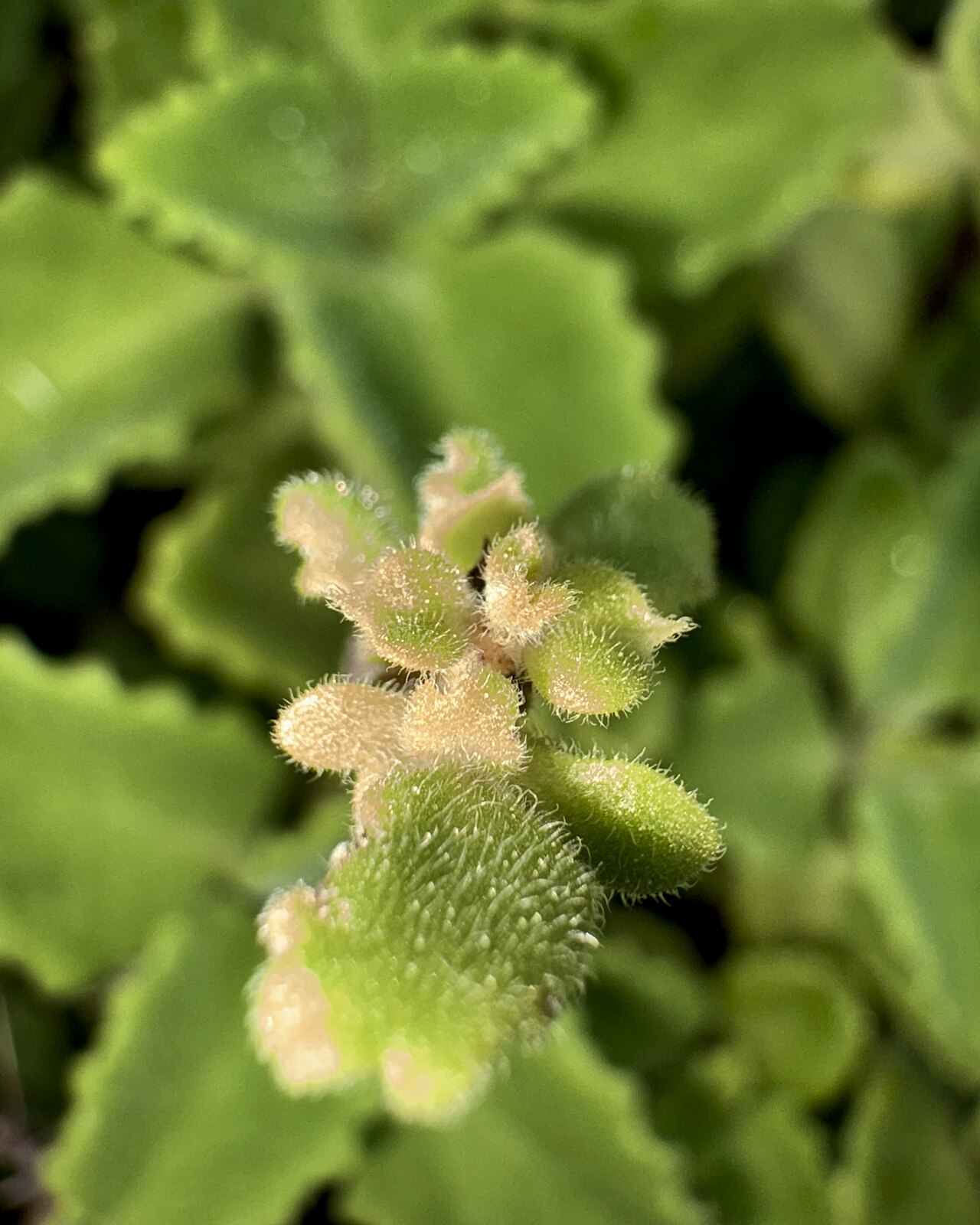
Mint is one of the easiest herbs to grow and one of the hardest to remove. A single plant left loose in a bed can send runners in every direction, pop up between other plants, and return from small root fragments after you thought it was gone. The fix is simple: never give mint open soil.
This article explains why mint spreads, how to grow mint without it taking over the garden, which container method fits each garden, and how to care for, harvest, and control mint through the seasons.
Why mint spreads so fast
Mint spreads through underground stems called stolons or rhizomes. These horizontal runners send up new shoots wherever they travel. Garden Growth Guru warns that a single unconstrained mint plant in good soil can colonise 2 to 3 feet in all directions in one growing season.
The plant's vigour is the problem and the payoff. Mint grows fast, forgives neglect, and returns year after year. The Royal Horticultural Society (RHS) describes mint as a herbaceous perennial that dies back over winter and regrows every spring, living for many years.
That persistence means a small escape becomes a large patch quickly.
Mint also regrows from fragments. Garden Growth Guru notes that any fragment of root left in the soil will resprout. Digging out a patch without removing the runners only prunes it.
Containment from day one beats removal later.
Choose your mint before you plant
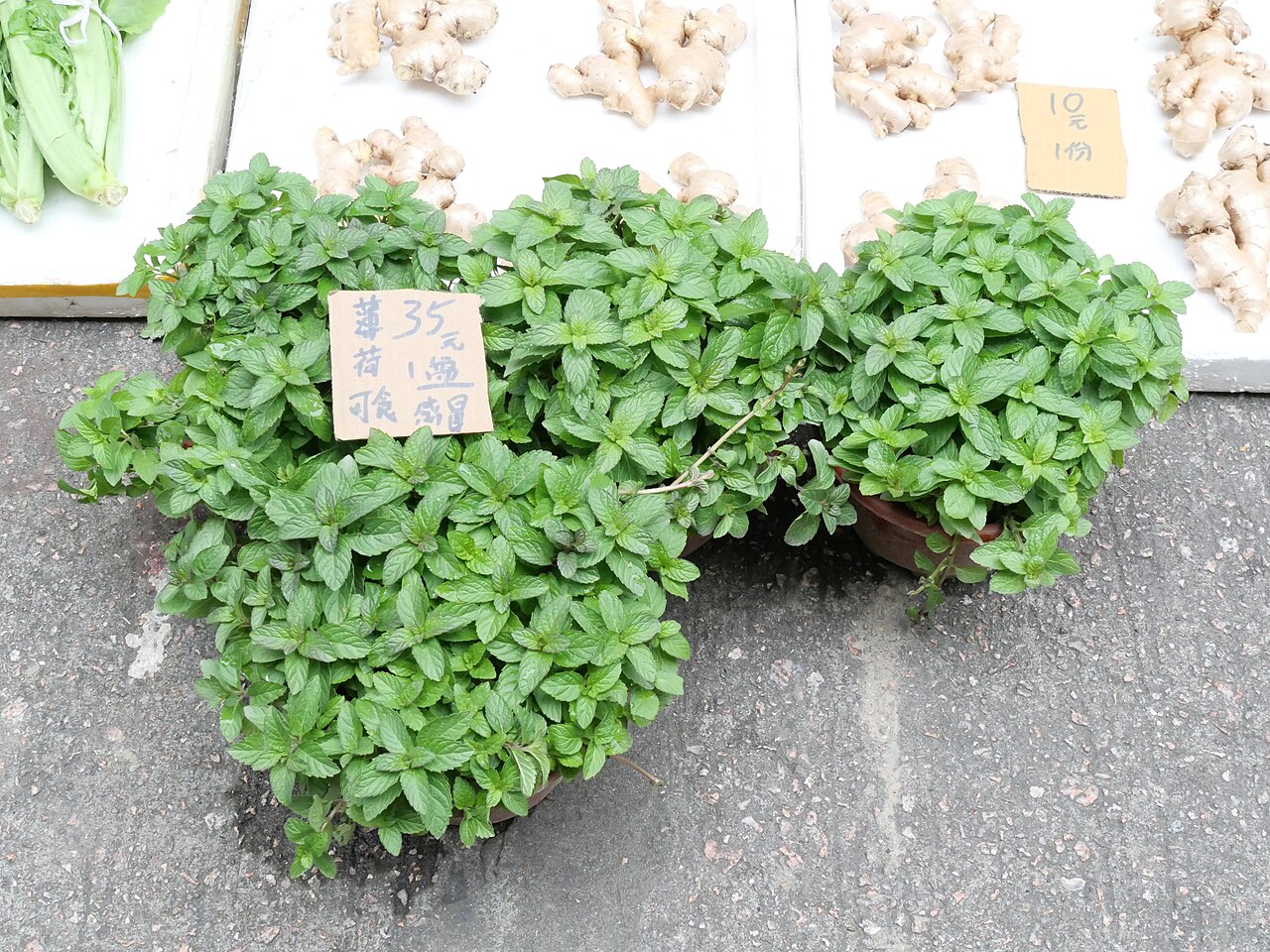
Mint is a family, not a single flavour. The RHS counts an estimated 25 species of Mentha, plus many hybrids and varieties. Spearmint and peppermint are the classic choices, but chocolate, apple, lime, pineapple, and Moroccan mint each bring a different scent.
Spearmint suits cooking, salads, and drinks. Peppermint carries more menthol, so it suits teas and infusions. The University of Maryland Extension notes that peppermint stems can reach 2 feet or more, with dark green leaves, reddish stems, and tiny purplish flowers in spikes 1 to 3 inches long.
Buy plants from a reputable supplier and smell before you buy where possible. The RHS advises buying in person when you can, so you can compare flavours and pick a correctly named plant. Some mints share names but differ sharply in taste.
Keep varieties apart. Different mints planted together can blend flavours and habits, and a vigorous one can swamp a slower one. One pot per variety keeps flavours true and makes care simple.
The golden rule: containment first
The University of Maryland Extension gives the core rule in one line: to prevent mint from taking over a garden, grow it in a container about 12 to 16 inches in diameter. Runners that try to creep out of the pot can be cut as needed.
The RHS agrees. It advises planting mint in a container to stop the underground stems spreading into nearby soil. If you want mint in a bed, sink a bottomless container or a pot with large drainage holes into the soil, and leave the rim slightly above the surface.
That raised rim matters more than it looks. Garden Growth Guru recommends burying the container so the rim sits 1 to 2 inches above the soil surface. A rim at or below soil level lets runners arch over the edge and root on the other side.
A raised rim forces runners up and over the lip, where you can see and trim them.
Never plant mint straight into a bed "just for one season." One season is enough for runners to travel several feet. A pot costs little and saves years of digging.
Method 1: freestanding pot on a patio
A freestanding pot is the simplest method. It suits balconies, patios, small gardens, and renters. It also gives full control over soil, water, and sun.
Pick a pot at least 8 to 10 inches wide and deep. Garden Growth Guru gives that size as a minimum, and warns that a small pot becomes root-bound fast and needs frequent watering. A 12-inch pot holds moisture better and gives the plant room for a season.
Fill the pot with multi-purpose or soil-based peat-free compost. The RHS recommends peat-free compost for mint in containers. Avoid plain garden soil in pots, since it compacts and drains poorly.
Place the pot where it gets 4 to 6 hours of sun. Garden Growth Guru notes that mint tolerates partial shade better than most herbs. Morning sun with afternoon shade suits hot climates, while a brighter spot suits cool ones.
Water often. Pots dry faster than beds, and mint likes steady moisture. Garden Growth Guru advises watering when the top inch of soil feels dry, and never letting the pot go fully dry.
In hot weather, move the pot to a shadier spot to slow drying.
Method 2: pot sunk into the bed
A sunk pot gives the look of a bed-planted herb with the control of a pot. It suits gardeners who want mint in a border without giving it the whole border.
Use a sturdy plastic pot or bucket, about 5 gallons in size. Garden Growth Guru suggests drilling a few small drainage holes in the sides near the bottom, not in the very bottom, so water drains while downward root growth stays limited.
Dig a hole, set the pot in, and bury it so the rim sits 1 to 2 inches above the soil surface. Fill with potting mix, plant the mint, and water it in. The raised rim is the barrier, so check it after rain and mulching, since soil can build up over the edge.
The University of Maryland Extension describes a bottomless variant: remove the base of a plastic pot and plant the container into the ground, leaving about an inch above the soil line. Runners are forced up and over the lip, where they can be seen and trimmed before they root into soil beyond the pot.
Check the rim once a month in the growing season. Trim any runner that crosses it. A two-minute check prevents a two-year cleanup.
Method 3: raised bed with a root barrier
A raised bed can work if the barrier is real. A timber or metal edging strip that sinks at least 12 inches into the soil can slow runners, but mint can still cross at the top or slip under a shallow edge. A sunk pot inside the raised bed is safer than edging alone.
Do not mix mint with other herbs in one raised bed. Mint will outgrow basil, parsley, and chives, and it will steal their water and light. Give mint its own pot, even inside a shared bed.
If you already have mint loose in a raised bed, isolate it. Dig out the mint with a wide margin, pot the healthiest section, and replant it in a sunk pot. Then watch the old spot for a full season, pulling every new shoot before it roots deeply.
A guide on raised-bed soil may help if you are building new beds: Topsoil vs compost for raised beds.
Water, feed, and seasonal care
Mint likes moist soil more than most herbs. The RHS notes that container plants dry out faster than ground plants, so check them often in hot, dry weather. Keep the compost evenly moist, not waterlogged.
Feed lightly. Garden Growth Guru recommends a monthly diluted liquid fertiliser for container mint through the season. In a bed, a top dressing of compost each spring is usually enough.
Overfeeding makes soft, weak growth that flops and attracts pests.
Cut the plant back after flowering. The RHS advises cutting the whole plant down to about 5cm (2in) from the base when mint finishes flowering. Fresh shoots with young leaves follow within a few weeks, and the plant stays bushy instead of woody.
Divide every few years. The RHS advises repotting or dividing mint every few years, since a pot-bound plant grows less well. Lift the pot, cut the clump into sections, discard the old woody centre, and replant a fresh section in new compost.
Harvest for flavour and control
Regular picking is both harvest and control. The University of Maryland Extension notes that regular or frequent harvesting encourages bushy, full growth. The RHS adds that picking young shoot tips keeps plants compact and productive.
Pick in the morning, when the oils are strongest. Garden Growth Guru advises harvesting in the morning before the heat of the day, when volatile oils are most concentrated. Pinch just above a leaf node, and the plant will branch from that point.
Pinch off flower buds as they form. Garden Growth Guru explains that once mint flowers, the leaves lose some intensity, though they stay usable. Leaving a few stems to flower helps pollinators, and the RHS notes that mint flowers benefit pollinating insects.
Fixing mint that has already escaped
If mint has taken over a bed, removal takes patience. The RHS warns that mint can regrow from small pieces left in the ground, so dig out shoots as soon as they appear, taking out as much root as possible.
Garden Growth Guru gives the same method in plain terms: pull out as much of the root system as possible, then return every few weeks to pull new shoots before they establish. The process takes a full growing season for a well-established patch.
Common problems
Mint rust shows as dusty orange, yellow, and black spots on leaves. The RHS lists mint rust as a common fungal disease of garden mint. Remove badly affected plants to stop spread, and avoid overhead watering.
Brown leaves usually mean drought stress or overwatering. Garden Growth Guru lists drought, root rot, and mint rust as the main causes. Check soil moisture first: soggy soil needs less water and better drainage, while dry soil needs steady watering.
Frequently asked questions
Does mint come back every year?
Yes. Garden Growth Guru notes that mint is a hardy perennial in Zones 3 through 9, cut back in fall and regrown from roots in spring. In very warm zones, it may grow year-round.
Can I grow mint indoors?
Yes, on a sunny windowsill. The RHS suggests bringing potted plants indoors in autumn to keep harvesting through winter. A bright sill, steady moisture, and regular picking keep indoor mint productive.
The bottom line
Mint earns its reputation as a garden invader, but the plant is not the problem. Open soil is the problem. Grow mint in a pot, sink the pot with its rim above the surface, pick it often, and trim any runner that crosses the line.
Start with one pot of spearmint and one simple rule: no mint goes into open ground. You will get fresh leaves all season, and your other plants will keep their space.
Tags: mint, container gardening, herbs, garden care
Latest in Gardening
- How to grow strawberries in a hanging basket
- Why seedlings go leggy and how to fix them
- How to water plants correctly while on holiday
Subscribe for one practical gardening idea each week, written in plain language.
Related stories

What Is Companion Planting and Does It Work?
Marigolds work as a nematode cover crop, but the basil flavor claim failed repeated tests. An honest evidence review of what companion

Determinate vs. indeterminate tomatoes: growth, pruning, and harvest differences
Determinate tomatoes grow to a set size and ripen all at once, while indeterminate types vine all season. That one difference shapes

How to improve clay soil for gardening
Gypsum will not fix ordinary clay soil, say extension experts. What actually works: 2 to 3 inches of compost, mulch, better drainage,