
Why roses stop flowering in midsummer and how to fix it
By Rive News / Research desk | Rive News / Published October 27, 2026 at 9:00 AM PKT
Key takeaways
- A midsummer pause is usually heat, spent blooms turning to seed, or a once-flowering rose type, not a dying plant.
- Deadheading to a five-leaflet leaf redirects energy from seed production into new flowering shoots.
- Deep watering, light feeding, and six hours of sun support the next flush, which typically takes several weeks.
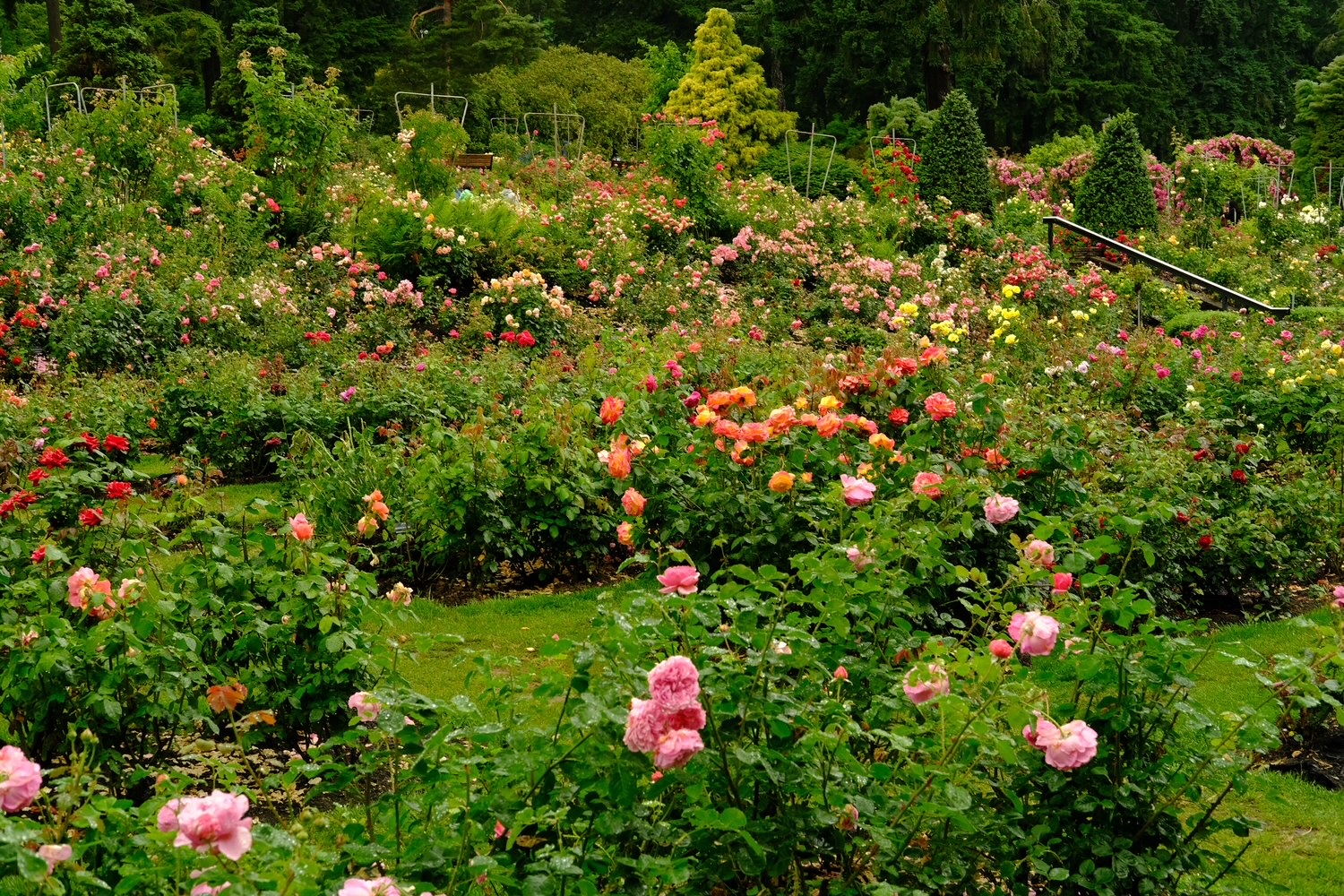
[Roses in bloom at the International Rose Test Garden.] Photograph: Wikimedia Commons contributor
Image Credits: Wikimedia Commons
A midsummer pause means a rose bush stops producing new flowers for a stretch of summer, even though the plant itself stays alive and leafy. The bush may look healthy, yet no fresh buds appear for weeks after the first big flush fades.
This pause is common, and it has several distinct causes that call for different responses. This article explains the midsummer pause, including why blooms stop, how deadheading restarts the next flush, water, food and light in hot weather, and mistakes that keep roses bloomless.
Why blooms stop
Heat is the first suspect in most gardens. Moana Nursery notes that summer heat forces rose blooms to open before their size and colour pigment have fully developed, so flowers come out smaller and paler.
A bush under heat stress also slows bud formation to protect itself. New buds may still form, but they open fast and fade fast, which makes the plant look as if it has stopped altogether.
The second cause is seed production. Once a flower fades, the plant starts turning it into a hip, the seed pod that sits behind the spent bloom. Energy that could have gone into new buds goes into seeds instead.
The third cause is rose type, and it changes the whole picture. Once-flowering roses, including many old garden roses and some ramblers, bloom once a year by design. No amount of deadheading will make them repeat.
Repeat-flowering types, such as hybrid teas and floribundas, are the ones that respond to summer care. Knowing which type you own saves a season of frustrated pruning.
Water shortage and hungry soil add to the pause. A rose that spent heavily on its spring flush has used much of the available nutrition in its root zone. Dry soil makes the problem worse, since stressed roots take up less food.
Pests and disease can finish the job. Aphids cluster on soft shoot tips, while black spot strips leaves, and a bush with too few healthy leaves cannot power new flowers. Gardeners who want to check their plants for this problem can read about why roses get black spot and how to prevent it.
How deadheading restarts the next flush
Deadheading is the removal of spent flowers before they set seed. The Desert Rose Society describes it as regular grooming that directs the plant's energy into flower production instead of reproduction.
The cut itself matters more than most gardeners expect. Follow each spent stem down to a leaf with five or seven leaflets, then cut just above that leaf at a slight angle. The bud at that leaf becomes the source of the next flowering stem.
Cutting to a three-leaflet leaf is a common error. Growth from those upper leaves is weak and often flowers poorly or not at all, according to detailed rose pruning guides.
Timing counts too. Start deadheading as soon as the first flowers fade, and repeat every week or two through summer. Monty Don, the gardener and broadcaster, says: "Deadheading roses is really worth doing at least once a week, and preferably daily, in mid summer.
"
For a stronger reset after a full flush, cut a little deeper. Moana Nursery advises pruning to at least the first five-leaflet leaflet, and notes that hybrid tea and grandiflora stems grow at least 18 inches after each pruning before blooming again.
That growth takes time, so patience is part of the routine. A healthy repeat-flowering rose typically needs several weeks between flushes, and a deep summer cut may push the next display into late summer.
Stop deadheading in autumn. Leaving the last hips in place lets the plant harden off for winter, and the hips feed birds through the cold months.
Water, food and light in hot weather
Roses need deep, steady water in summer heat. A thorough soak at the roots beats frequent light sprinkles, which wet only the surface and leave deep roots dry.
Water in the morning when possible. Leaves dry faster in morning sun, which lowers the chance of fungal disease taking hold on damp foliage.
Feed lightly after the first flush, not heavily. A balanced rose fertiliser replaces the nutrition spent on spring growth, but overfeeding pushes soft leafy growth at the expense of flowers.
Mulch helps more than most gardeners credit. A layer of compost or bark around the base keeps soil moisture steady and roots cooler during heat waves.
Sunlight sets the ceiling on flowering. Roses need at least six hours of direct sun a day to bloom well, and a bush in deep shade will stay leafy and flowerless no matter how well it is fed.
Heat affects lawns and beds alike, and the same dry spells that brown grass stress roses too. Gardeners dealing with scorched turf can compare notes with advice on why lawns develop brown patches in summer.
Mistakes that keep roses bloomless
The most common mistake is cutting only the dead petals. Snipping petals off while leaving the seed head in place does nothing, because the plant still treats the flower as finished and moves on to seed.
Another mistake is stripping leaves. Leaves are the plant's food factory, and heavy summer pruning that removes them starves the next flush. Keep as much healthy foliage as possible, especially in extreme heat.
Pruning at the wrong time hurts too. A hard structural prune belongs in late winter or early spring, not in a July heat wave. Summer work should stay light and focused on spent blooms.
Feeding a stressed, dry plant is also risky. Fertiliser on dry soil can scorch roots, so water first and feed only when the soil is moist.
Finally, some gardeners give up too soon. A rose that looks bare after a deep cut is usually rebuilding, not dying, and new shoots often appear within a fortnight.

[A rose garden in Old Dhaka.] Photograph: Wikimedia Commons contributor
Image Credits: Wikimedia Commons
Frequently asked questions
Why did my rose bloom heavily in spring and then stop completely?
The spring flush exhausted the plant, and spent flowers began setting seed instead of triggering new buds. Deadhead the faded blooms, water deeply, and give the bush several weeks to build its next flush.
How long does it take for roses to rebloom after deadheading?
A healthy repeat-flowering rose usually needs several weeks to grow new stems and buds. Hybrid teas and grandifloras grow at least 18 inches of stem before flowering, so a deep cut takes longer than a light trim.
Should I deadhead once-flowering roses?
Deadheading once-flowering roses will not produce a second flush, since they bloom once a year by nature. Leave their hips for autumn interest, and focus summer care on watering and disease control instead.
Can heat alone stop roses from flowering?
Yes, extreme heat can slow bud formation and make petals drop quickly, even on well-watered plants. Shade cloth, mulch, and deep watering reduce the stress, but some pause during the hottest weeks is normal.
The bottom line
A midsummer pause is usually a mix of heat, seed production, and the rose's own flowering habit. Identify your rose type first, then deadhead spent blooms to a five-leaflet leaf, water deeply, and feed lightly.
The next flush takes weeks, not days, and that wait is normal. Keep the leaves healthy, stop deadheading in autumn, and the bush should reward the routine with colour into late summer and beyond. Gardeners planning a bigger tidy-up can also read how to prune a rose bush without killing it.
Tags: roses, deadheading, summer gardening
The Rive News research desk writes plain-English explainers from published sources, with every key claim traceable to a named guide or institution.
Related
- How to prune a rose bush without killing it
- Why do roses get black spot and how to prevent it?
- How day length triggers plants to flower
- Why does my lawn have brown patches in summer?
Subscribe to the Rive News newsletter for one practical gardening explainer each week.
Rive News publishes explainers based on public sources; corrections are noted promptly when a source is updated.
Related stories
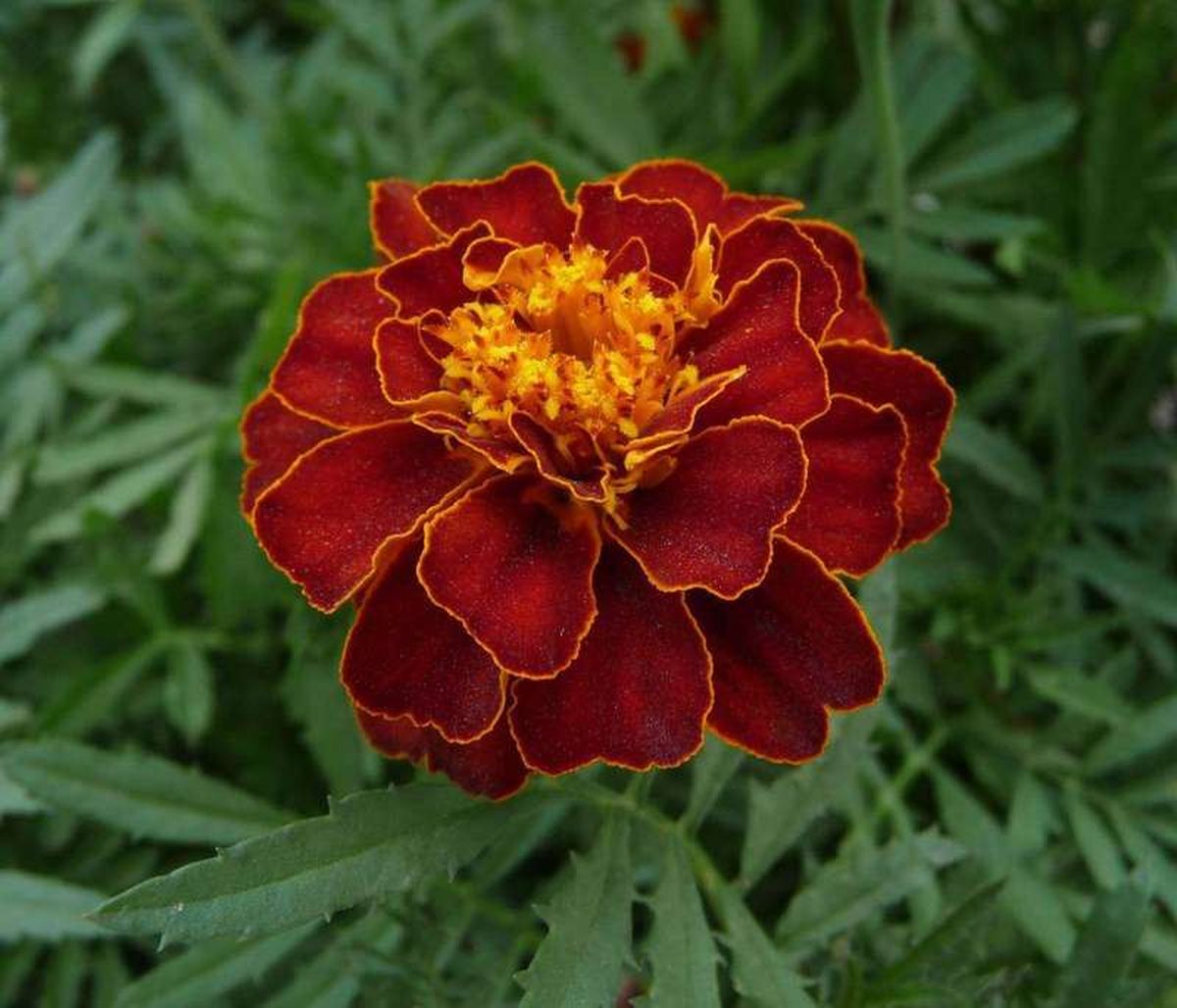
What Is Companion Planting and Does It Work?
Marigolds work as a nematode cover crop, but the basil flavor claim failed repeated tests. An honest evidence review of what companion
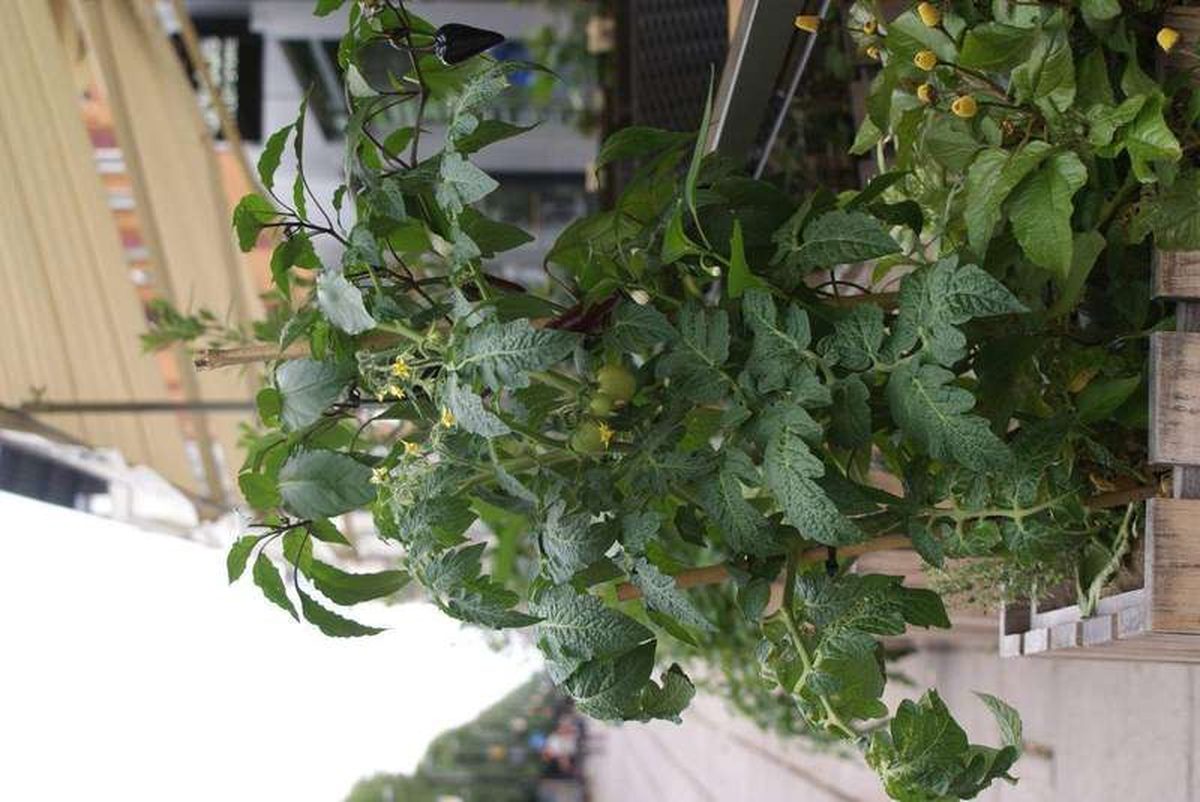
Determinate vs. indeterminate tomatoes: growth, pruning, and harvest differences
Determinate tomatoes grow to a set size and ripen all at once, while indeterminate types vine all season. That one difference shapes
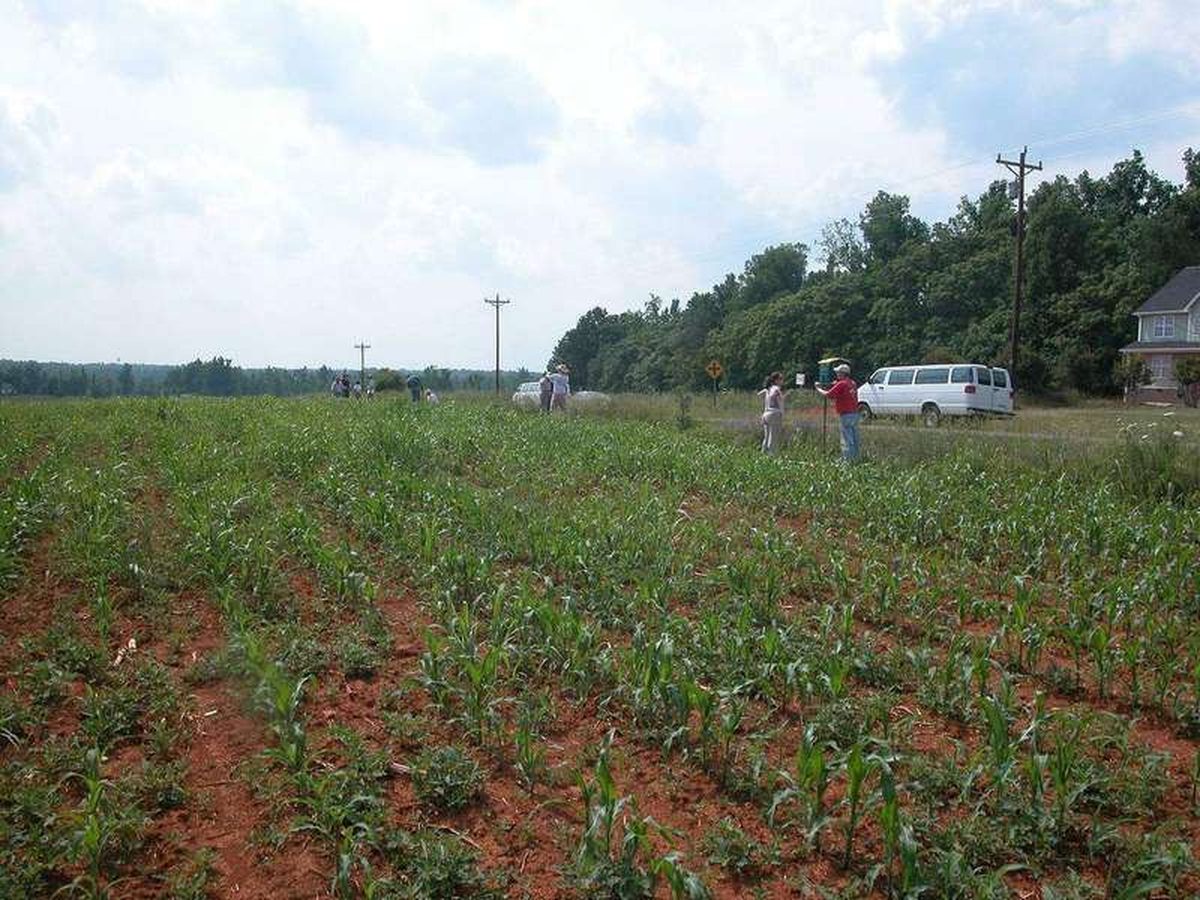
How to improve clay soil for gardening
Gypsum will not fix ordinary clay soil, say extension experts. What actually works: 2 to 3 inches of compost, mulch, better drainage,