
What Is the Difference Between Topsoil and Compost in Practice
Key takeaways
- Topsoil provides structure and volume; compost feeds plants and soil life with nutrients.
- Use topsoil to build or fill new areas, and compost to improve soil you already have.
- A 70/30 blend of topsoil to compost suits most beds; never plant in pure compost alone.
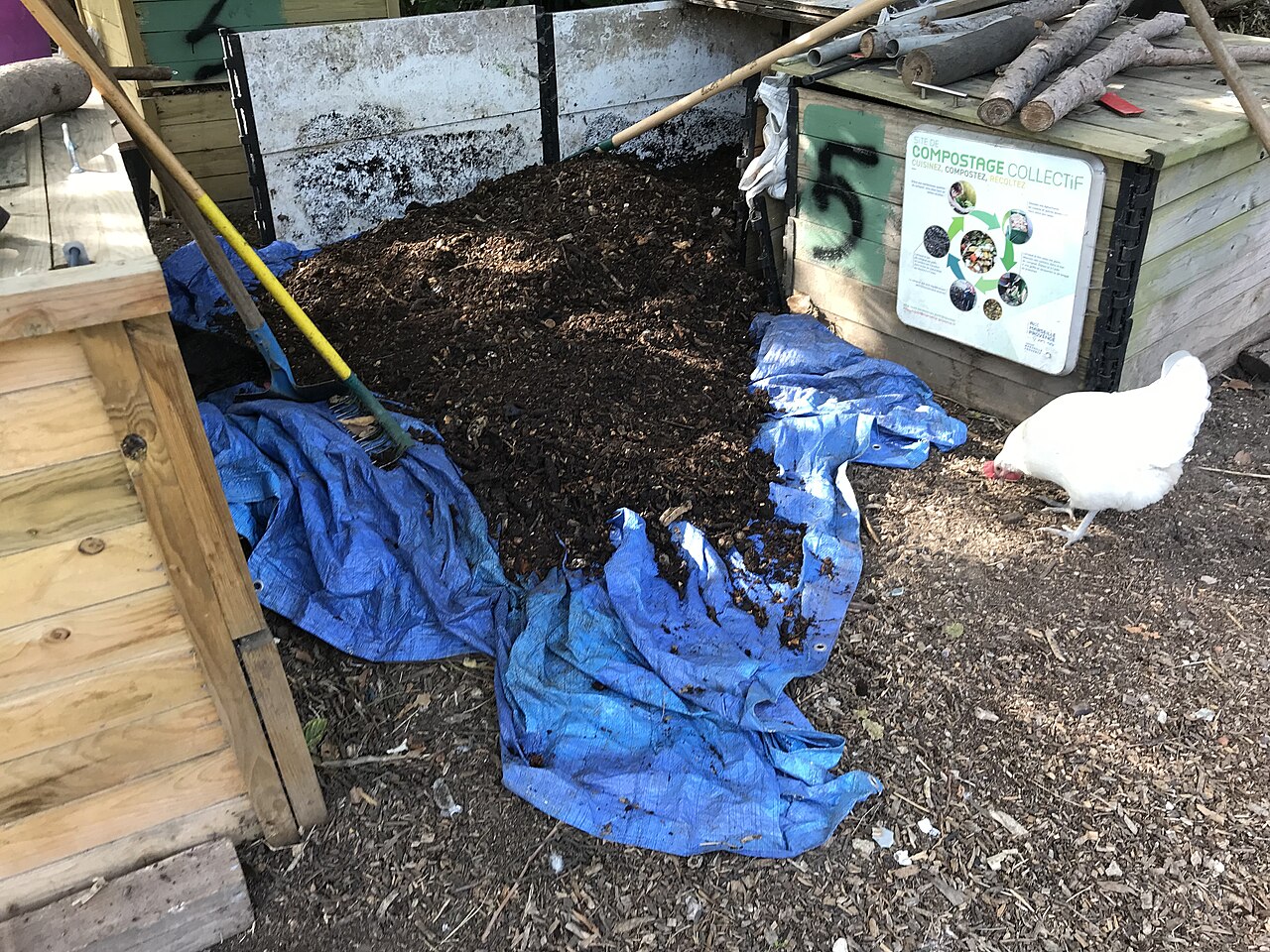
They sit side by side at the garden center, both dark and crumbly, both promising better plants. Yet topsoil and compost do fundamentally different jobs in the ground, and using the wrong one for the job wastes money at best and harms plants at worst.
The practical distinction is simple Topsoil is soil itself: the upper layer of natural earth, dug up and sold by the bag or the truckload It gives plants somewhere to live
Compost is decomposed organic matter: kitchen scraps, leaves, and yard waste broken down by microbes into a dark, earthy amendment It makes the place they live better One is the house; the other is the groceries.
This article explains the difference between topsoil and compost in practice, including what each one is, the job each does best, how to combine them, and the common mistakes gardeners make with both.
What topsoil actually is, and what it does
Topsoil is the top layer of natural earth, typically the upper few inches where most biological activity happens, composed of weathered minerals, rock particles, and some organic matter. Charles Carr, head of Hillier Garden Centres, told Saga that topsoil is where plant roots gain most of their nutrients and water, which captures its role precisely: it is the medium roots inhabit.
In practice, topsoil does three things It provides volume, filling raised beds, leveling low spots, and building new growing areas where none existed
It provides structure, giving roots something to grip and push through And it holds water and nutrients in the root zone, releasing them slowly Good topsoil holds its shape and does not break down much over time, which makes it the right material for grading and filling.
The catch is quality variance Aiper notes, citing the University of Connecticut's guidance, that there are no legal marketing standards for topsoil, so one supplier's bag can be rich loam and another's can be lifeless subsoil scraped from a construction site
Bagged topsoil is often nutrient-poor It does the structural job regardless, but it rarely feeds plants well on its own, which is why it usually needs amending.
Topsoil forms slowly. The Gardening Channel points out that natural topsoil builds through rock weathering and organic accumulation over centuries. That is worth remembering when you are tempted to strip it or bury it; what took nature centuries to make deserves better than being treated as disposable fill.
What compost actually is, and what it does
Compost is what happens when organic material breaks down through microbial activity: green matter like food scraps and grass clippings plus brown matter like dry leaves, transformed by oxygen, water, and bacteria over weeks to months. The result is dark, crumbly, and earthy-smelling, rich in nutrients and full of beneficial microorganisms.
Compost's job is improvement, not volume Worked into clay soil, it loosens the structure so water soaks in and roots spread
Worked into sandy soil, it helps the ground hold water and nutrients longer Penn State turfgrass researchers, cited by Aiper, note that compost releases most of its nitrogen gradually and generally carries far fewer nutrients than synthetic fertilizer; it feeds slowly and steadily rather than in a burst.
That same breakdown process is also compost's limitation Because it keeps decomposing, it shrinks over time, which makes it a poor material for building up grade or filling holes on its own
A low spot filled with pure compost will settle back into a low spot as the material breaks down Compost improves what is already there; it does not create new ground.
The most common misconception is that compost can serve as the growing medium by itself It cannot, with rare exceptions
The Gardening Channel is blunt: compost is a soil amendment, something you add to soil, not the soil itself Plants grown in pure compost often struggle with water retention swings, nutrient imbalances, and a structure that collapses as it decomposes.
When to use each, and how to combine them
Most garden jobs have a clear answer once you know which material does what. Improving a thin or tired lawn calls for compost: Aiper recommends spreading a quarter inch over the lawn after core aeration so it works into the holes. Filling a low spot calls for topsoil matched to the existing soil; Clemson Cooperative Extension advises adding no more than half an inch at a time over existing grass, since compost alone would settle and bring the dip back.
Starting a new bed on poor ground calls for both Spread topsoil to build depth where the ground is thin or rocky, then work compost into the top several inches before planting
For raised beds, Agri Farming suggests a 70/30 ratio of topsoil to compost for most beds, shifting to 60/40 for raised vegetable beds that need extra fertility The topsoil provides the body; the compost provides the biology.
A few rules of thumb keep you out of trouble Never use topsoil or compost alone in containers; both drain poorly in pots, where a proper potting mix belongs
Do not bury good existing soil under deep fresh topsoil without mixing, or you create a layered interface that water struggles to cross And buy topsoil from a reputable supplier, checking that it looks and smells like living soil rather than gray subsoil.
Can you plant directly in compost?
Usually not, and you should not Pure compost is too rich in some nutrients and too poor in structure, and it keeps breaking down under the plant
Mix it into soil at roughly 20 to 30 percent instead The rare exceptions, like vigorous cherry tomatoes or small herbs, prove the rule rather than overturning it.
Is bagged topsoil worth buying?
It depends on the bag Because there are no enforced standards, quality ranges from genuine loam to dead fill dirt
Inspect before you commit: good topsoil is dark, crumbly, and smells earthy, not sour or chemical For critical beds, amending even good bagged topsoil with compost is standard practice.
How much compost should go on a garden bed?
For annual improvement, a 1 to 2 inch layer worked into the top 6 inches of soil is the standard recommendation. More is not always better; excessive compost can unbalance nutrients, particularly phosphorus. Soil testing every few years tells you whether the bed needs more organic matter or is already rich enough.
What is the difference between compost and garden soil?
Garden soil is a manufactured blend, typically topsoil plus compost plus amendments, sold ready to plant into. Think of it as the two products pre-mixed for convenience. It costs more per volume than buying the components separately, but it saves the mixing work for small projects.
The bottom line
Topsoil and compost are partners, not rivals Topsoil builds the growing environment: the volume, the structure, the root zone
Compost upgrades it: the nutrients, the microbes, the water-holding balance Buy topsoil when you need more ground to plant in, buy compost when the ground you have needs to perform better, and combine them at roughly 70/30 for new beds Respect what each one is for, and both will do their job for years.
Latest in Gardening
- Why Do Sunflowers Follow the Sun When Young but Stop When Old?
- Why Do Daffodils Come Back Every Year Without Replanting?
- Why Does Coriander Bolt So Quickly in Summer?
Get one practical garden science explainer in your inbox every morning. Subscribe to the Rive News newsletter.
Related stories
What Is Companion Planting and Does It Work?
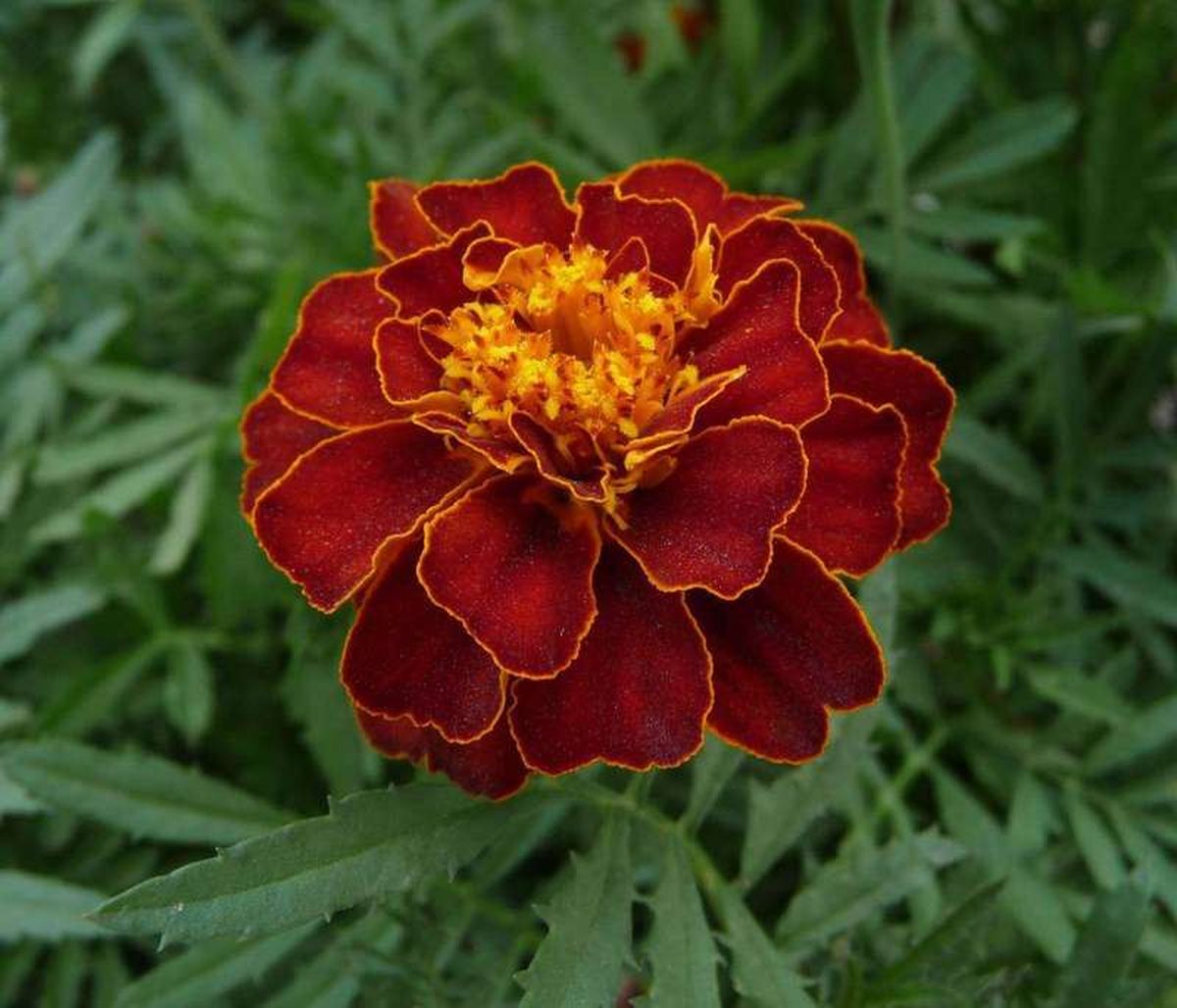
Marigolds work as a nematode cover crop, but the basil flavor claim failed repeated tests. An honest evidence review of what companion
Determinate vs. indeterminate tomatoes: growth, pruning, and harvest differences
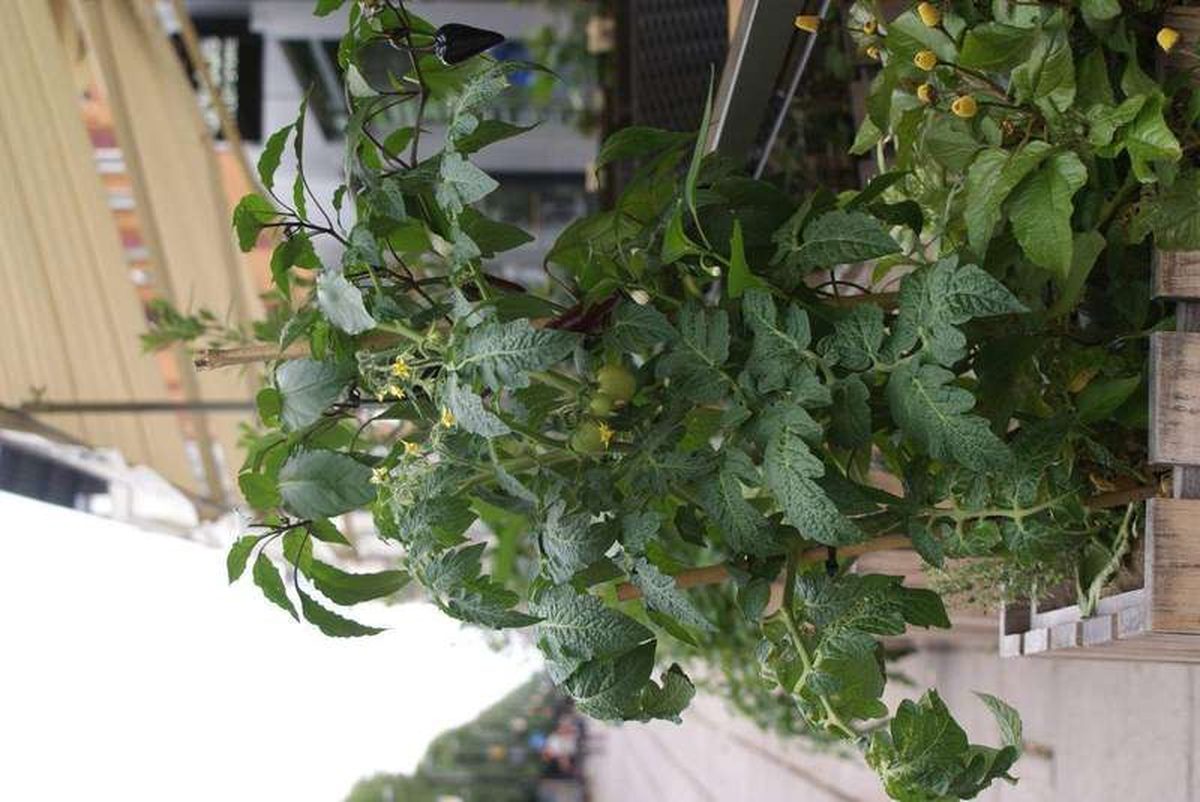
Determinate tomatoes grow to a set size and ripen all at once, while indeterminate types vine all season. That one difference shapes
How to improve clay soil for gardening
Gypsum will not fix ordinary clay soil, say extension experts. What actually works: 2 to 3 inches of compost, mulch, better drainage,