
Why Does Coriander Bolt So Quickly in Summer?
Key takeaways
- Coriander bolts when temperatures pass 75°F and daylight exceeds 12 hours, flipping it from leaf growth to flowering.
- The plant is a cool-season annual with a short life cycle, so bolting is survival programming, not gardener error.
- Succession sowing every 2 to 3 weeks and afternoon shade stretch the harvest further than any single trick.
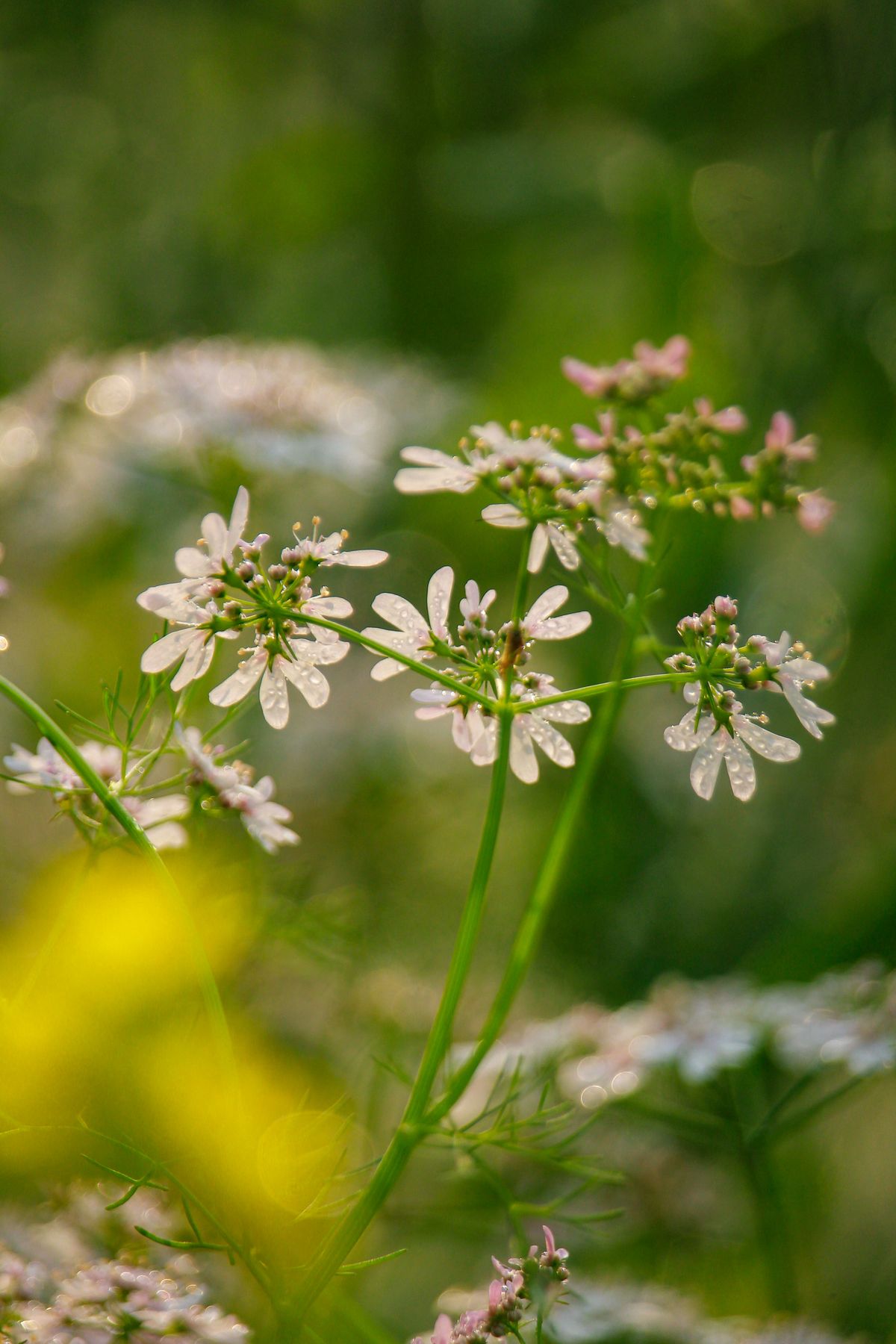
One week your coriander is a lush rosette of fragrant leaves. The next it sends up a tall, spindly stalk, the leaves shrink and taste soapy-bitter, and clusters of tiny white flowers appear. It feels sudden.
It feels like failure. It is neither. It is bolting, and for coriander, summer heat makes it nearly inevitable.
This article explains why coriander bolts so quickly in summer, the two environmental triggers behind it, and the practical ways to keep the leaves coming.
Bolting is the plant finishing its job
Bolting means the plant switches from vegetative growth, making leaves, to reproductive growth, making flowers and seeds. For coriander, which is the same species as cilantro (Coriandrum sativum), this is the natural end of its leaf-growing phase. The tall stalk rises, small white or pink flowers open, and seeds, the spice called coriander, form.
Coriander is a cool-season annual with a short, determined life cycle. Research summarized by the American Society for Horticultural Science describes bolting as an evolutionary adaptation: the plant races to produce seeds before harsh conditions arrive. For coriander, harsh conditions mean summer heat and dryness.
The plant reads those cues and acts early.
Signs typically appear within 4 to 6 weeks of planting, and they are unmistakable. The central stem elongates, the lacy leaves become finer and tougher, and the flavor turns stronger and often bitter. As one gardening writer puts it, bolting is the plant doing the most logical thing it can do.
The two triggers: heat and long days
Two environmental signals drive bolting, and in summer they arrive together.
The first is temperature. Coriander thrives between 50°F and 75°F (10 to 24°C). Once temperatures pass 75°F (24°C), the plant starts shifting energy from leaf production to seed development.
The University of Wisconsin Horticulture confirms the plant bolts readily in hot weather above 70°F (21°C). University of California research notes that the plant interprets heat as a signal to reproduce before summer dryness sets in. Homequirer adds a useful detail: it is the soil temperature that matters most, and a string of warm nights can heat a garden bed faster than growers expect.
The second trigger is day length. Coriander is a long-day plant, meaning it flowers more readily once daylight exceeds 12 to 14 hours. After the spring equinox, lengthening days send hormonal signals that activate the reproductive phase.
In Dallas, Texas, the 12-hour day arrives around March 16, which is why spring plantings there can bolt by early summer even with good watering.
Moisture stress sharpens both triggers. Inconsistent watering mimics drought, and dry spells can push plants to bolt 2 to 3 weeks earlier than well-watered ones. Containers heat and dry faster than garden beds, which is why potted coriander often bolts first.
Here is the uncomfortable truth, though: bolting cannot be prevented forever. As Seattle Urban Farm Co observes, cilantro always bolts eventually, even under ideal conditions. The goal is delay, not defeat.
How to delay bolting and stretch the harvest
Work with the biology instead of fighting it. Plant in the cool seasons, spring and fall, and treat summer as the exception. When summer planting is unavoidable, give plants afternoon shade during the hottest part of the day.
Coriander grows well with 4 to 6 hours of sunlight, and filtered light in the afternoon mimics spring conditions.
Keep the soil consistently moist. Mulch around the plants to keep roots cool, and water steadily so the soil never swings between soaked and dry. A watered, mulched bed can buy weeks that a parched one cannot.
Sow in succession. Because bolting ends each plant's leaf phase, the classic workaround is planting new seeds every 2 to 3 weeks. Each sowing gives a fresh flush of leaves before the heat catches it, turning one short harvest into a rolling one.
Choose slow-bolt varieties for summer. Types like 'Santo' and 'Calypso' are bred to resist heat-triggered flowering and can delay bolting by 2 to 4 weeks, extending the harvest window meaningfully.
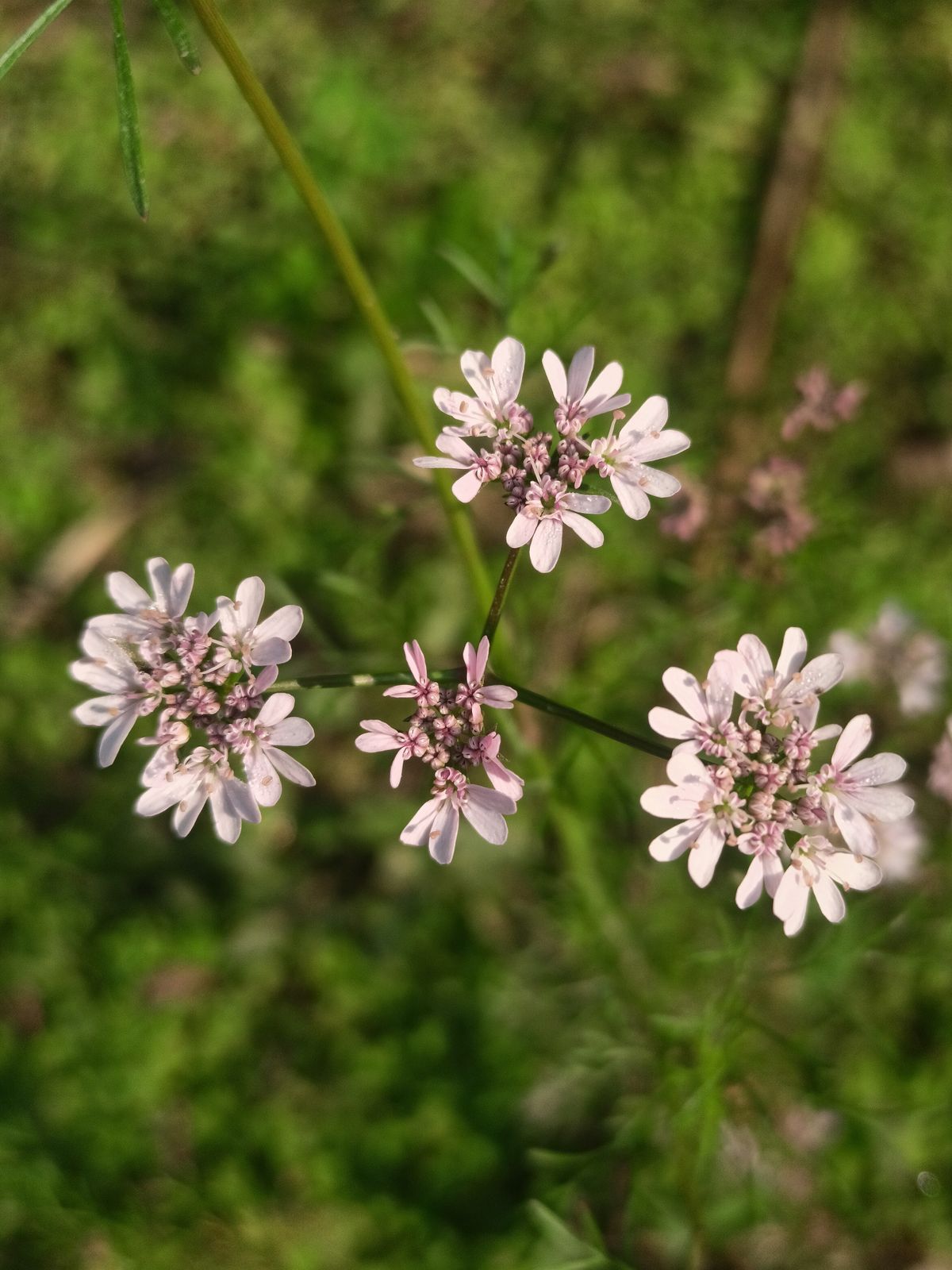
And when a plant does bolt, use it rather than mourning it. The flowers attract pollinators, the seeds ripen into coriander spice for the kitchen, and many gardeners let a few plants go to seed so volunteers appear next season. Bolted leaves are too bitter for most dishes, but the seeds are a full harvest of their own.
Frequently asked questions
Can you stop coriander from bolting in summer?
Not permanently. Heat above 75°F and long days make bolting biologically inevitable. Afternoon shade, steady moisture, slow-bolt varieties, and succession sowing every 2 to 3 weeks delay it and keep leaves coming longer.
What does bolted coriander look like?
The plant sends up a tall, spindly flower stalk above the foliage. Leaves shrink, toughen, and turn bitter, and small white or pink flowers open in clusters. The changes usually appear 4 to 6 weeks after planting.
Are bolted coriander leaves safe to eat?
Yes, but they taste bitter and soapy to most people. The flowers are edible, and the seeds can be harvested as coriander spice once they ripen and dry on the plant.
Which varieties bolt slowest?
Slow-bolt types like 'Santo' and 'Calypso' resist heat-triggered flowering and can delay bolting by 2 to 4 weeks compared with standard varieties.
The bottom line
Coriander bolts quickly in summer because it is a cool-season annual reading heat and long days as a deadline. Temperatures above 75°F and daylight beyond 12 hours flip it from leaf production to flowering.
Once a plant has bolted, no pruning brings the tender leaves back, so the practical move is to pull it and sow the next round. You cannot stop the program, but shade, steady water, slow-bolt varieties, and succession sowing keep fresh leaves on the table for weeks longer.
Latest in Gardening
- Why do carrots grow forked sometimes?
- Why do herbs lose flavour when dried?
- Why do plants grow towards light?
Subscribe to the Rive News newsletter for one practical gardening explainer every morning.
Image Credits: Pexels / Sayeed Chowdhury, Boywidlens_
Related stories
What Is Companion Planting and Does It Work?
Marigolds work as a nematode cover crop, but the basil flavor claim failed repeated tests. An honest evidence review of what companion
Determinate vs. indeterminate tomatoes: growth, pruning, and harvest differences
Determinate tomatoes grow to a set size and ripen all at once, while indeterminate types vine all season. That one difference shapes
How to improve clay soil for gardening
Gypsum will not fix ordinary clay soil, say extension experts. What actually works: 2 to 3 inches of compost, mulch, better drainage,