
Why herbs lose flavour when dried, and how to keep more
By Rive News / Research desk | Rive News / Published October 29, 2026 at 9:00 AM PKT
Key takeaways
- Herb flavour lives in volatile oils that evaporate, oxidise, and break down during drying and storage.
- Air-drying at room temperature still loses much essential oil: 36 to 45 percent in basil, 23 to 33 percent in marjoram, 6 to 17 percent in oregano.
- Cool, dark, airtight storage of whole leaves, dried below about 35 degrees Celsius, keeps far more flavour than hot oven drying or open jars.
[Herb bundles hanging to air-dry in a shaded room.] Photograph: Bondigoldwiki
Image Credits: Wikimedia Commons
Open a jar of dried basil next to a freshly picked leaf and the difference is immediate. The fresh leaf smells bright and complex; the dried one smells flatter, duller, sometimes faintly like hay. That gap is chemistry, not imagination.
This article explains why herbs lose flavour when dried, including where herb flavour lives, what drying does to volatile oils, why some herbs dry better than others, how heat, light, and air steal flavour, and how to dry and store herbs for a better result.
Where herb flavour actually lives
Most of what we call herb flavour is aroma, and aroma comes from volatile organic compounds: small, light molecules stored in tiny glands on the leaf surface. Basil's scent leans on linalool and eugenol. Thyme leans on thymol.
Oregano leans on carvacrol. These compounds evaporate readily, which is exactly why crushing a fresh leaf releases a burst of scent and why the same leaf smells weaker after drying.
Fresh herbs are 70 to 90 percent water by weight. That water carries the volatile compounds and keeps leaf cells intact. Drying removes the water, which is necessary for preservation: below about 10 percent moisture, bacteria, yeasts, and moulds cannot reproduce.
But the same process that removes water also removes flavour compounds, because many of them leave with the water vapour or break down as cells rupture.
Drying also changes the balance of what remains. Non-volatile compounds such as rosmarinic acid in rosemary and various flavonoids stay behind and even concentrate as water leaves. That is why dried herbs can taste stronger in a narrow, one-note sense while lacking the bright top notes of fresh herbs.
The flavour has not simply weakened; its architecture has shifted from volatile-driven to resin- and phenolic-driven.
What drying does to volatile oils
The losses are measurable and large. A review of drying methods for herbs, published by Thamkaew and colleagues, reports that air-drying at room temperature reduced essential oil content by 36 to 45 percent in basil, 23 to 33 percent in marjoram, and 6 to 17 percent in oregano, citing work by Nykanen and Nykanen from 1987. The same review notes that the volatile profile itself changes during drying, as secondary aroma compounds such as alcohols, aldehydes, peroxides, and ketones form. In air-dried dill, those secondary compounds accounted for over 50 percent of total volatile content in one cited study, which helps explain why dried dill smells so different from fresh.
Heat accelerates the loss sharply. A 2022 study in Food Chemistry tracked thyme essential oil across drying methods and found that oven drying at 40 degrees Celsius lost 53 percent of thymol within 90 minutes, while shade-dried samples retained 89 percent after 72 hours when relative humidity stayed below 45 percent and light was excluded. Another summary of Food Chemistry research reports that raising basil drying temperature from 40 to 60 degrees Celsius reduced total volatiles and fresh-like aroma, while increasing hay-like, sweet, earthy, and woody notes.
Above 60 degrees Celsius, the review reports, most volatile compounds are lost in many common herbs, including chives, dill, chervil, tarragon, coriander, lovage, spearmint, marjoram, parsley, sage, savory, and thyme, citing Deans, Svoboda, and Bartlett from 1991. A hot oven is the fastest way to dry herbs and one of the worst for flavour.
Enzymes add a second mechanism. When stems are cut, cellular damage triggers enzymes such as lipoxygenase and peroxidase, which oxidise fatty acids and phenolic compounds and generate off-flavours. Slow drying in humid conditions gives those enzymes more time to work before desiccation stops them, which is why herbs dried too slowly in a damp basement can lose more flavour than herbs dried faster with mild heat.
Why some herbs dry better than others
Oregano, thyme, rosemary, and sage survive drying better than basil, parsley, cilantro, and dill, and the reason is structural. Woody, low-moisture herbs have tougher leaves, lower water content, and volatile compounds that are somewhat less fragile. Their flavour compounds sit in sturdier tissue and release more slowly.
Delicate herbs are the opposite. Basil, parsley, and cilantro have soft, high-moisture leaves and volatile profiles dominated by light, fast-evaporating compounds. The same room-temperature air-drying that costs oregano 6 to 17 percent of its essential oil costs basil 36 to 45 percent.
That gap shows up directly in the kitchen: dried oregano still tastes recognisably like oregano in a long-simmered sauce, while dried basil tastes muted and earthy rather than sweet and peppery.
This also explains a classic cooking rule. Delicate fresh herbs go into a dish at the end of cooking, because heat drives off their volatile oils within minutes. Woody dried herbs go in early, because their tougher compounds need time and liquid to release.
The rule is not tradition for its own sake; it follows the chemistry of what survives heat and what does not.
Storage continues the story after drying ends. Dried oregano kept under typical pantry conditions lost up to 65 percent of its total phenolic compounds and nearly 80 percent of its antioxidant capacity within 18 months, according to studies in the Journal of Agricultural and Food Chemistry cited in recent summaries. The decline is fastest in the first six months, then slows but never stops.
A herb does not expire on a printed date; it fades.
Heat, light, and air: the three flavour thieves
Three forces degrade dried herbs, and all three are controllable. Heat volatilises oils and speeds oxidation. Light, especially ultraviolet, breaks down chlorophyll and carotenoids, bleaching colour and altering flavour perception.
Oxygen drives autoxidation of oils, a chain reaction in which oxygen molecules attack oil compounds and form peroxyl radicals that keep the degradation going.
Crushing herbs before storage makes all three worse. Crushing increases surface area, exposing more oil to oxygen and light at once. Whole-leaf storage in airtight, opaque containers extends shelf life substantially compared with pre-ground herbs in clear jars, because less surface is exposed and less light reaches the leaves.
Clear jars on a sunny shelf above the stove combine all three thieves at once: heat from cooking, light from the window, and air leaking past a loose lid. That is the worst common storage setup, and it is also the most common one.
How to dry and store herbs for more flavour
Harvest at the right moment. Essential oil concentration peaks just before flowering in most culinary herbs, and morning harvest, after dew has dried but before midday sun heats the leaves, gives the highest volatile oil content. Pruning regularly also keeps plants compact and productive.
Dry cool, dark, and ventilated. Richters Herbs, a long-established Canadian herb nursery, advises that drying temperature should not exceed 30 to 35 degrees Celsius, or too much essential oil is lost, and that a combination of low heat and ventilation works best. Shade-drying in a warm, dark, dry place with good air circulation fits that advice, and Gardenworks, a Canadian garden retailer, describes air drying in those conditions as a slow, effective method that keeps optimal potency.
For woody herbs such as rosemary, thyme, oregano, marjoram, and sage, hanging small bundles upside down in a shaded, airy room works well. For delicate herbs, a dehydrator held at 35 degrees Celsius or below gives more control, and freeze-drying preserves the most volatile profile of all, retaining around 89 percent in one cited thyme study, though it needs equipment most home cooks do not own.
Store whole leaves, not crushed, in airtight, opaque containers kept cool, dark, and dry. Richters advises that most herbs are best in the first year and many remain good into the second and third years under those conditions. Test before use: rub a pinch between your fingers.
Strong aroma means the oils are still there. A faint or musty smell means they have oxidised, and no amount of toasting restores them.
[Dried herbs on display at a market stall.] Photograph: P1898
Image Credits: Wikimedia Commons
Frequently asked questions
Do dried herbs ever taste stronger than fresh?
In one narrow sense, yes. Removing water concentrates non-volatile compounds, so a teaspoon of dried herb carries more dry matter than a teaspoon of fresh. But the bright, volatile top notes are weaker, so dried herbs taste stronger and simpler at the same time.
How long do dried herbs keep flavour?
Peak flavour lasts months, not years. Most herbs are best within the first year of drying, and many fade noticeably within six months in poor storage. Whole leaves in airtight, opaque, cool storage last longest.
Is freeze-drying better?
Yes, for flavour retention. Freeze-drying preserved about 89 percent of the volatile profile in a cited thyme study, compared with much lower retention for oven drying. The barrier is cost and equipment, not quality.
Should you crush herbs before storing?
No. Crush just before use. Crushing increases surface area and speeds oxidation, so pre-crushed herbs lose flavour faster in storage than whole leaves.
The bottom line
Herbs lose flavour when dried because their flavour is made of volatile oils, and drying is a process that removes, oxidises, and transforms those oils. Some loss is unavoidable: even careful air-drying costs basil over a third of its essential oil. But the size of the loss is largely a matter of method.
Cool, dark, ventilated drying below about 35 degrees Celsius, whole-leaf storage in airtight opaque containers away from heat and light, and use within a year keep far more flavour than a hot oven and a clear jar above the stove. Dried herbs will never smell exactly like fresh ones, but dried properly, they come much closer than most kitchen jars manage.
---
Rive News's research desk covers practical gardening, home, and how-things-work explainers, drawing on university extension services and published research.
Related
- How to Keep Herbs Fresh for Weeks in the Fridge
- How to keep herbs fresh longer in the fridge
- How to Grow Herbs on a Kitchen Windowsill
- Why your indoor herbs die even when you water them
Subscribe to Rive News for one practical explainer in your inbox each morning.
Rive News publishes research-desk explainers from public sources. Corrections: contact the desk and cite the article and the fact in question.
Related stories
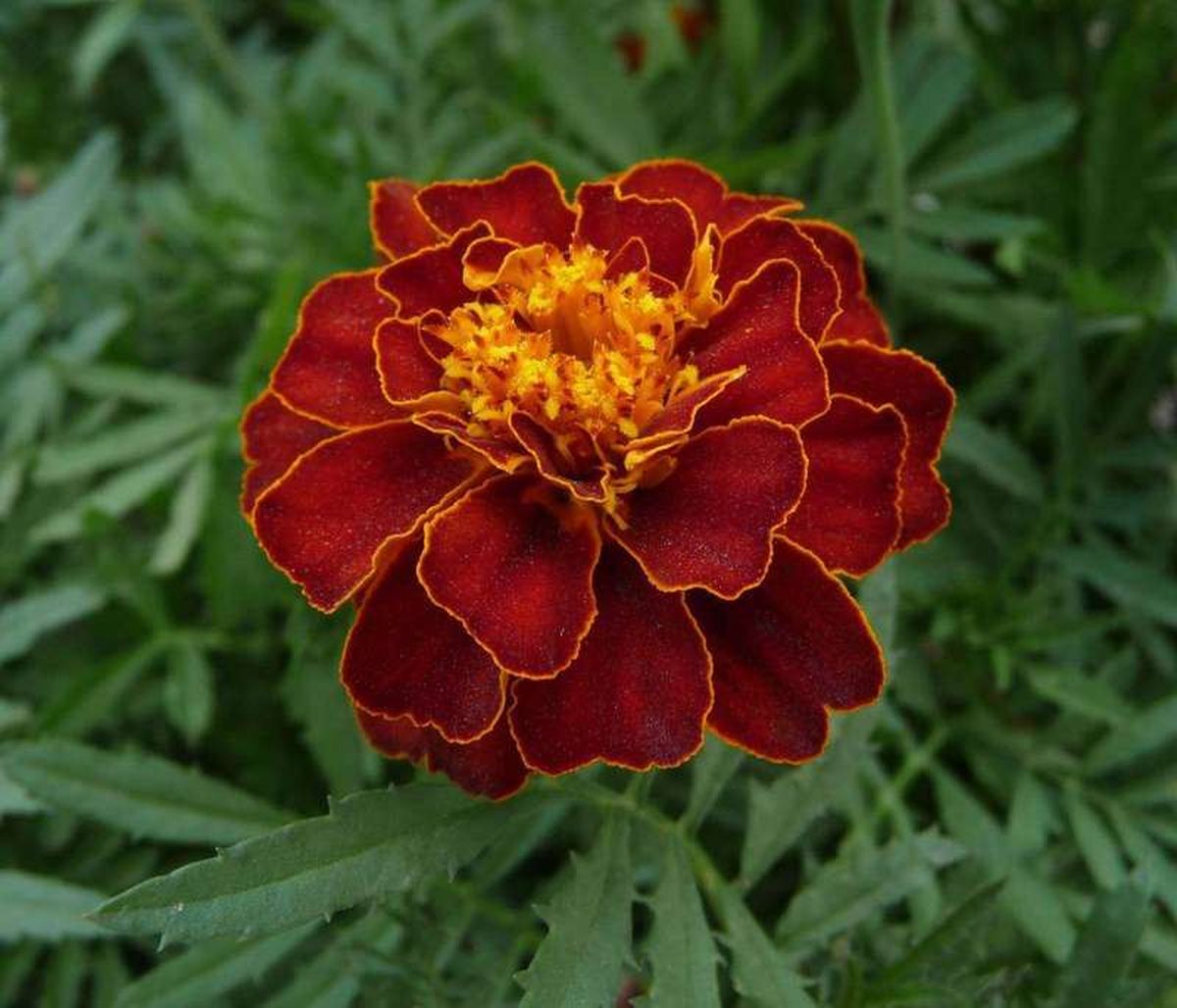
What Is Companion Planting and Does It Work?
Marigolds work as a nematode cover crop, but the basil flavor claim failed repeated tests. An honest evidence review of what companion
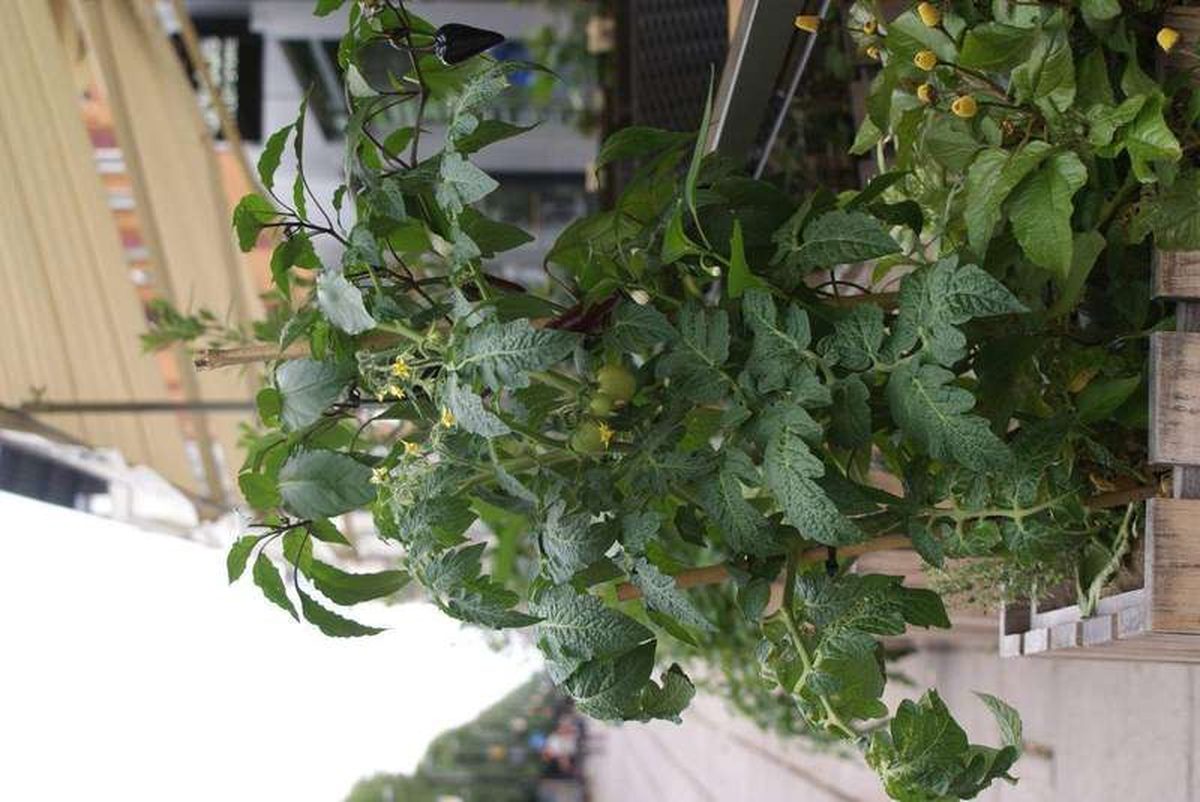
Determinate vs. indeterminate tomatoes: growth, pruning, and harvest differences
Determinate tomatoes grow to a set size and ripen all at once, while indeterminate types vine all season. That one difference shapes

How to improve clay soil for gardening
Gypsum will not fix ordinary clay soil, say extension experts. What actually works: 2 to 3 inches of compost, mulch, better drainage,