
How to Keep Herbs Fresh for Weeks in the Fridge
Key takeaways
- Tender herbs last longest standing in a jar of water in the fridge, with the water changed every two days.
- Woody herbs last longest wrapped in a barely damp paper towel inside a sealed bag or container.
- Basil is the exception: cold fridge air turns it black, so it stays on the counter in water.
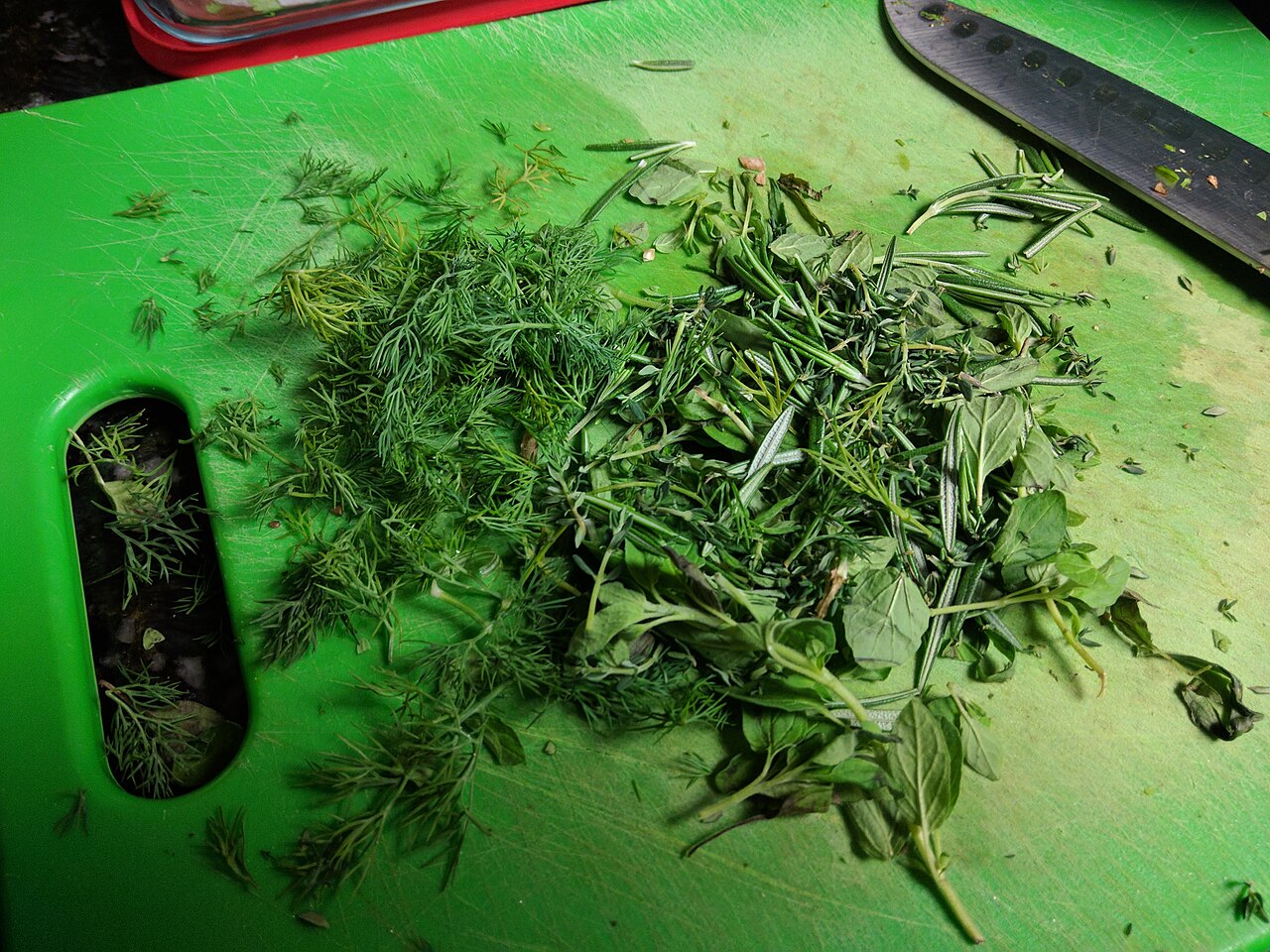
Fresh herbs wilt fast when stored loose in the fridge. Without proper storage, expect them to last one to two days, according to Reader's Digest.
Stored properly, the same herbs can last weeks. The trick is that tender and woody herbs need different treatment, and one popular herb should not go in the fridge at all.
This article explains how to keep herbs fresh for weeks in the fridge, including the jar method for tender herbs, the damp-towel method for woody herbs, and the basil exception. It also covers freezing for herbs you cannot use in time.
First, sort tender from woody
Herbs fall into two groups, and the group decides the method. Reader's Digest lists tender herbs as basil, chives, cilantro, dill, mint, parsley, and tarragon.
These have delicate green stems you can eat, and they bruise easily. Woody herbs are thyme, rosemary, bay, oregano, and sage, with tough stems you would not eat.
Master gardener Angelo Randaci told Reader's Digest: "There is nothing like fresh herbs for cooking. They please all the senses." He also advised ditching the plastic bag from the store as step one, since the bag traps moisture and speeds up decay.
Buy the freshest bunch you can. Gardyn notes that freshness at purchase decides storage life, since herbs already in decline at the store will last days, not weeks. Look for bright colour, firm stems, and no dark or slimy leaves.
The jar method for tender herbs
Treat tender herbs like cut flowers. Trim the stems, stand them upright in a jar with an inch or two of water, and refrigerate. Reader's Digest says this keeps herbs such as basil, parsley, mint, and cilantro fresh for one to two weeks, depending on how fresh they were when you bought them.
Follow these steps. Wash the herbs gently in clean water and pat them dry or spin them in a salad spinner.
Trim the stems with a sharp knife and remove any brown leaves. Fill a mason jar with an inch or two of water and place the herbs upright with their stems in the water. Change the water every two days.
Cover the jar loosely with a plastic bag. Gardyn advises covering loosely with a plastic bag for cilantro and parsley in the fridge, which holds humidity without suffocating the leaves. HelloFresh chef Tom Rutledge gives the same advice for basil on the counter: a jar of water covered with a plastic sandwich bag, kept out of direct sunlight.
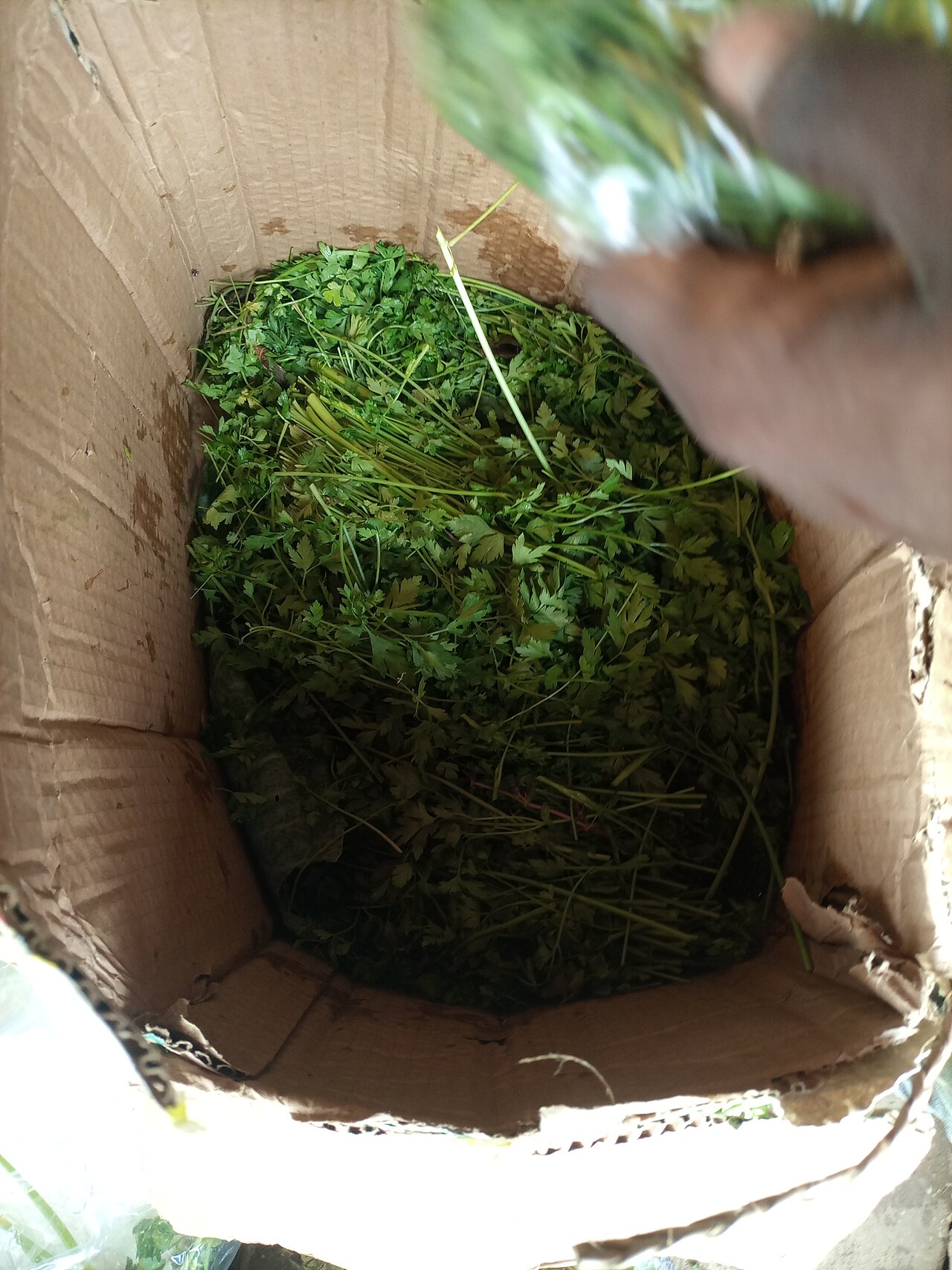
Some tender herbs last even longer in water. Reader's Digest reports that chives, garlic, and green onions can last a month or longer in a jar of water. Parsley can reach three to four weeks, and cilantro three weeks, according to the Reader's Digest storage table.
The damp-towel method for woody herbs
Woody herbs rot when they sit in water, so they need barely damp storage instead. Wrap them gently in a damp paper towel, place them inside a plastic zip-top bag, and store the bag in the crisper drawer. Reader's Digest says this keeps thyme, rosemary, and sage fresh for one to three weeks.
The key word is damp, not wet. Gardyn advises wrapping woody herbs loosely in a damp, not wet, paper towel inside a container in the refrigerator, where they last two to four weeks. A soaking towel traps water against the leaves and grows mould, while a dry towel lets them dry out.
HelloFresh chef Tom Rutledge uses a dry cloth for woody herbs rather than a damp one. He lays rosemary and similar herbs on a dry cloth, rolls them up, and stores the roll in a plastic sandwich bag in the fridge, which he says gives two to three weeks of fresh rosemary. Either way, the principle is the same: woody herbs want a little humidity and a lot of air, not a bath.
Check the towel every few days. If it has dried out, dampen it again and re-wrap. If it smells musty, replace it with a fresh towel and pick out any leaves that have turned dark.
Basil stays out of the fridge
Basil is the one herb that the fridge ruins. Gardyn reports that refrigerator temperatures of 35 to 40 degrees Fahrenheit cause cellular damage that turns basil black within 24 to 48 hours. Basil suffers below about 50 degrees Fahrenheit, since it is a tropical plant.
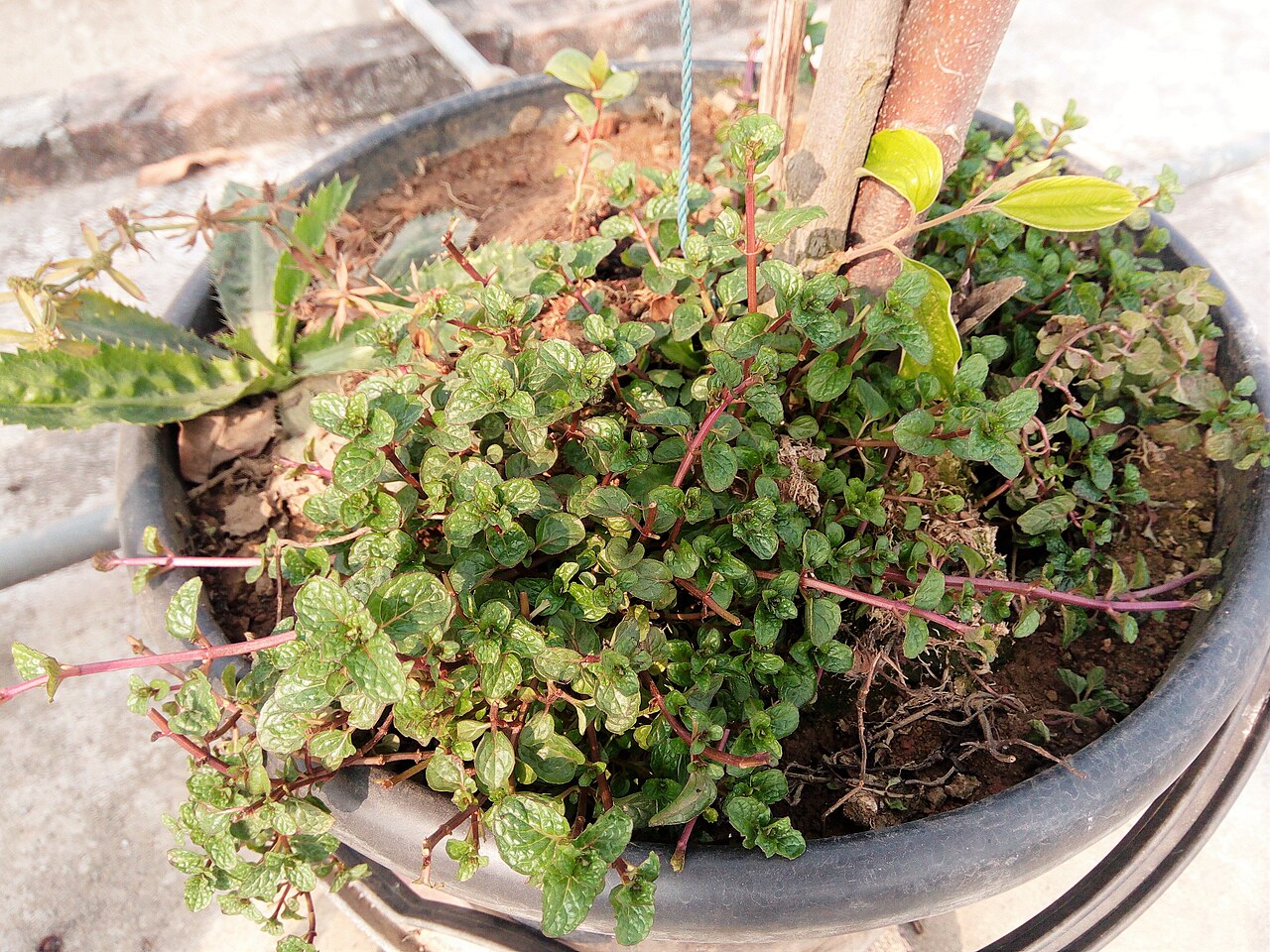
Store basil at room temperature instead. Stand the stems in an inch of water like cut flowers, cover loosely with a plastic bag, and keep the jar out of direct sunlight.
Gardyn says basil kept this way lasts one to two weeks. HelloFresh gives the same method and the same two-week expectation.
Watch for blackening even on the counter. If leaves turn black, they have suffered cold damage or decay, so remove them before they spread mould to the rest of the bunch. Use blackened leaves promptly in cooked dishes or discard them.
How long each herb lasts
Timelines vary by herb and by how fresh the bunch was at purchase. Use these figures from Reader's Digest and Gardyn as a guide, and judge by smell and appearance as well.
Tender herbs in a jar of water in the fridge: cilantro two to three weeks, parsley up to three to four weeks, mint one to two weeks, dill up to one week. Chives do best wrapped in a damp paper towel in a sealed container, where they keep one to two weeks. Gardyn warns against storing chives in water, since the hollow stems become waterlogged.
Woody herbs in a damp towel in the fridge: rosemary two to four weeks, thyme two to four weeks, oregano about two weeks, sage one to two weeks. Reader's Digest lists rosemary at three weeks and thyme, oregano, and sage at two weeks each, which matches the same range.
Smell matters as much as looks. Cilantro's aroma fades before its appearance does, so a bunch that looks fine but smells flat has lost much of its cooking value. When in doubt, taste a leaf before you build a dish around it.
Mistakes that kill herbs early
Washing and sealing wet herbs is the most common error. Wet leaves in a sealed bag turn slimy within days. Wash gently, then dry well before storage, and wash again just before use if needed.
Storing everything loose in the crisper drawer is the second mistake. Gardyn notes that cilantro thrown loose into the crisper lasts three to five days, against two to three weeks stored properly. The drawer alone is not a storage method.
Crowding herbs together compresses delicate leaves. Give tender herbs room in the jar, and do not pack bags tight. Airflow matters, and crushed leaves decay first and spread mould.
Forgetting to change the water is the third mistake. Stale water breeds bacteria and smells.
Change jar water every two days, and rinse the jar when you do. If the water turns cloudy, change it at once and trim any slimy stem ends.
Freeze what you cannot use in time
Freezing beats throwing herbs away. Reader's Digest lists four methods: a bag with a dab of oil, a puree frozen in ice cube trays, a tray freeze for hard herbs, and an ice cube method with water. Frozen herbs look dark and wilted when thawed, but they stay flavourful for cooking.
Oil cubes work well for parsley, cilantro, chives, basil, and dill. Gardyn advises washing, drying thoroughly, chopping finely, packing into ice cube trays with olive oil, freezing solid, and moving the cubes to bags.
The cubes drop directly into soups, sauces, and sautes. Oil-basil cubes keep for three to six months, according to Gardyn.
Dry woody herbs instead of freezing them. Gardyn warns against freezing rosemary or thyme, since their texture after freezing is poor, and recommends drying them instead. Bundle and hang woody herbs in a dry, ventilated space for one to two weeks, then store in a sealed container away from light.
The same storage logic applies across the kitchen. Bread goes stale for different reasons, and you can reverse stale bread with heat and moisture. Eggs need their own check, so learn to tell whether eggs are still fresh without cracking them.
Frequently asked questions
Should I wash herbs before storing them?
Wash gently, then dry them well. Wet herbs sealed in a bag turn slimy fast. For the jar method, wash, trim, and dry before standing the stems in fresh water.
Why does my parsley go slimy in the bag?
Too much moisture and too little air. Parsley lasts far longer standing in a jar of water with the water changed every two days than sealed in a wet bag. If the bag method is your only option, use a barely damp towel and a loosely closed bag.
Can I store herbs in a herb saver container?
Yes. Reader's Digest notes that herb savers are containers designed for herb storage that control humidity and temperature.
Some sit on the counter and others go in the fridge. Follow the instructions for your device.
Is it safe to eat herbs stored for weeks?
Yes, if they look and smell fresh. Reader's Digest notes that properly stored herbs are perfectly safe to eat, according to the Food and Drug Administration. Discard any bunch with mould, slime, or a sour smell.
The bottom line
Match the method to the herb. Tender herbs go in a jar of water in the fridge with fresh water every two days, woody herbs go in a barely damp towel in a sealed bag, and basil stays on the counter in water.
Do that, and a bunch that once died in three days can last two to four weeks. Freeze or dry anything you cannot use in time, and check the towel and water on a schedule rather than leaving herbs to fend for themselves. For more kitchen basics, see why bread rises and falls flat and how much salt pasta water really needs.
Tags: herbs, food storage, fridge, cooking
Latest in Food
- Can Stale Bread Be Reversed?
- Why Does Bread Rise and Then Fall Flat?
- How Much Salt Does Pasta Water Really Need?
- How to Tell If Eggs Are Still Fresh Without Cracking Them
Subscribe to the Rive News newsletter for one practical food guide each week.
Related stories

Why Does Bread Go Stale Faster in the Refrigerator?
Bread goes stale faster in the fridge because starch recrystallizes fastest near 4°C. Here is the retrogradation science and the right way

Baking soda and baking powder: what's the difference?
Baking soda is pure sodium bicarbonate; baking powder adds two dry acids for double-acting lift. Learn when to use each, plus exact

What Is the Maillard Reaction in Simple Terms?
The Maillard reaction is the browning chemistry between amino acids and sugars above 140 C that creates the crust, color, and rich flavor