
How to Tell If Eggs Are Still Fresh Without Cracking Them
Key takeaways
- The float test reads age: fresh eggs sink flat, older eggs stand upright, floaters are old.
- A floating egg is old, not automatically rotten, per the USDA.
- Read the carton pack date and check the shell before you decide.
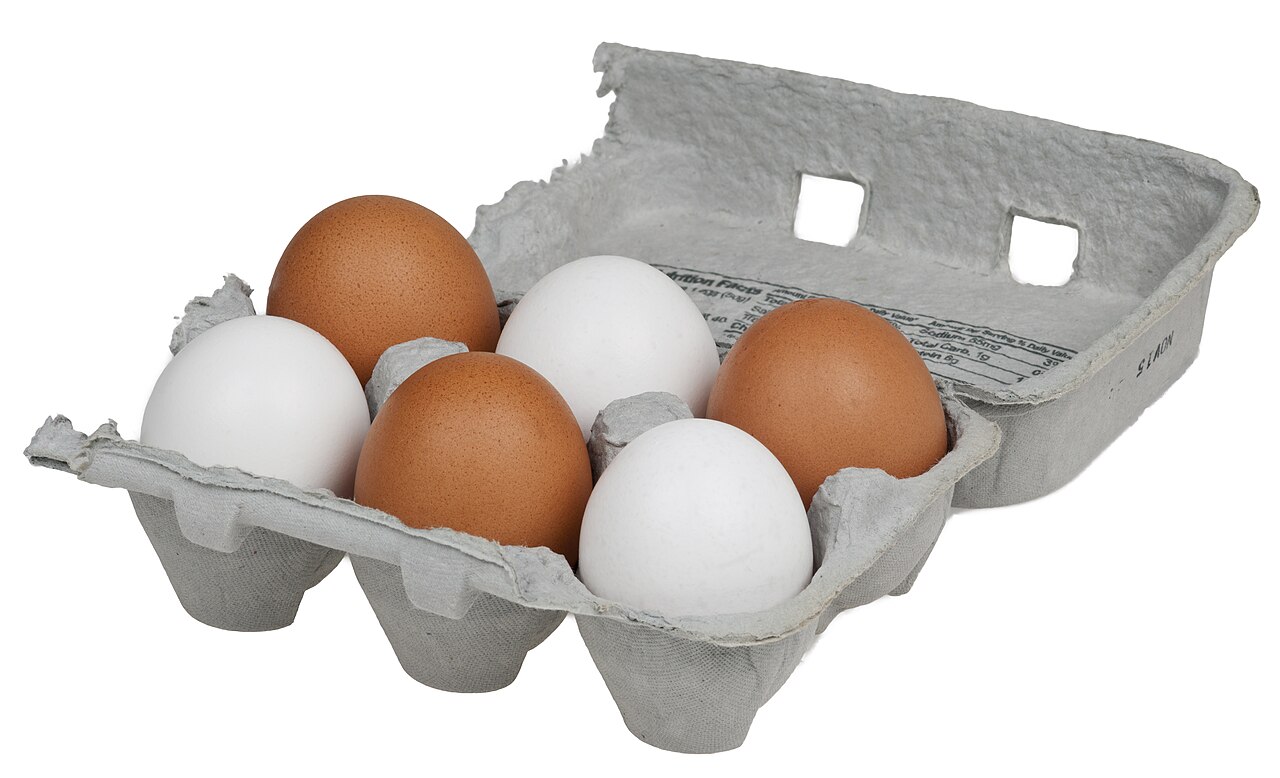
An egg carton in the fridge raises the same question every time. The date says one thing, your memory says another, and the shell hides everything. You want an answer that does not waste a good egg or risk a bad one.
The best no-crack check is the float test: a bowl of cold water and a few seconds of watching. It tells you how old the egg is, which is usually enough to decide what to do next. A carton date check and a look at the shell fill in the rest.
This article explains how to tell if eggs are still fresh without cracking them, including the float test, what each result means, the carton date code, the shell check, storage rules, and when to throw an egg out.
Why eggs change as they age
A freshly laid egg holds liquid, yolk, and a tiny air cell. The shell is porous, so moisture and carbon dioxide slowly escape through it over time, and air takes their place. Texas Homesteader explains that the air cell grows as the egg ages, which makes the egg more buoyant.
That slow swap is what the float test measures. It reads age, not contamination. An old egg floats because its air cell has grown large.
A fresh egg sinks because its air cell is still small.
Storage speed matters. Cold, steady refrigeration slows moisture loss. A warm fridge door, with its temperature swings, speeds it up.
Parade advises storing eggs on a shelf in the main body of the fridge, not in the door holders, for a consistent temperature.
The float test, step by step
Fill a bowl, saucepan, or tall glass with cold water, deep enough to cover the egg. Lower the egg in gently so it does not crack on the bottom. Watch what it does.
Three outcomes are possible. An egg that sinks and lies flat on the bottom is very fresh. An egg that sinks but stands upright or tilts is older and still usable for most purposes.
An egg that floats to the top is old, and its quality is down.
Test one egg at a time if the carton is mixed in age. Dry each egg after testing and return it to the carton. Use plain cool tap water, since very hard or briny water can shift buoyancy and muddy the result.
What each result means
A flat-lying egg is at peak freshness. Parade calls it ready for scrambled eggs, Eggs Benedict, or an omelet. Use these eggs where freshness shows, such as poaching or frying.
An upright egg is older but usually fine. Texas Homesteader notes that these eggs are best for baking or hard-boiling, since the larger air pocket helps the shell peel cleanly. Many cooks prefer slightly older eggs for boiling for exactly that reason.
A floating egg is old. This is where most guides go wrong by declaring it rotten. NDTV Food reports the USDA position: an egg can float when its air cell has enlarged enough to keep it buoyant, which means poor quality but not certain spoilage.
The USDA advises cracking a floater into a bowl and checking odor and appearance before deciding.
Treat the float test as a screening tool. It sorts eggs by age in seconds. The final call comes from the smell and look check after cracking, which is the only step that can confirm spoilage.
Read the carton date
Every carton carries a sell-by date and, in the United States, a pack date called the Julian date. Parade explains that the Julian date is a three-digit number for the day of the year the eggs were washed, inspected, and packed. January 1 appears as 001 and December 31 as 365.
It sits on the short side of the carton.
The sell-by date is a quality marker, not a safety cutoff. Texas Homesteader notes that refrigerated eggs often stay usable 3 to 5 weeks after purchase when kept consistently cold. An egg past its sell-by date can still sink flat and cook perfectly well.
The Julian date gives you the age directly. If the pack date is recent, the eggs are young even if the carton has sat in the fridge a while. If the pack date is old, run the float test and trust your senses on cracking.
Check the shell before you trust the test
The float test cannot catch every problem. A cracked shell lets bacteria in, and no amount of sinking changes that. Texas Homesteader says to discard an egg at once if the shell is cracked, slimy, moldy, or leaking.
Look at the shell in good light. It should be dry, clean, and intact. A chalky mold patch or a sticky film means the egg is done, whatever the water says.
A clean shell with no cracks passes to the next check.
Smell matters once you crack. A bad egg smells unmistakably of sulfur, like rotten eggs or sewage. A good egg smells neutral or barely noticeable.
Texas Homesteader calls the sniff test the gold standard at home, and the USDA-backed advice in NDTV Food agrees: check off-odor and unusual appearance after cracking.
Storage rules that keep eggs fresh longer
Keep eggs in their original carton. The carton blocks odor absorption from strong foods and protects shells from bumps. Parade and Texas Homesteader agree on the shelf, not the door, since the door warms every time it opens.
Hold the fridge at or below 40 degrees Fahrenheit. Write the purchase date on the carton if you transfer eggs to another container. Use the oldest eggs first, and keep farm eggs unwashed until use, since washing removes the natural bloom that seals the shell pores.
The same freshness habit helps across the kitchen. Herbs stay fresh for weeks in the fridge with the right storage, and bread goes stale on a schedule you can reverse once you know the mechanism. Storage is a skill, not luck.
When to throw an egg out
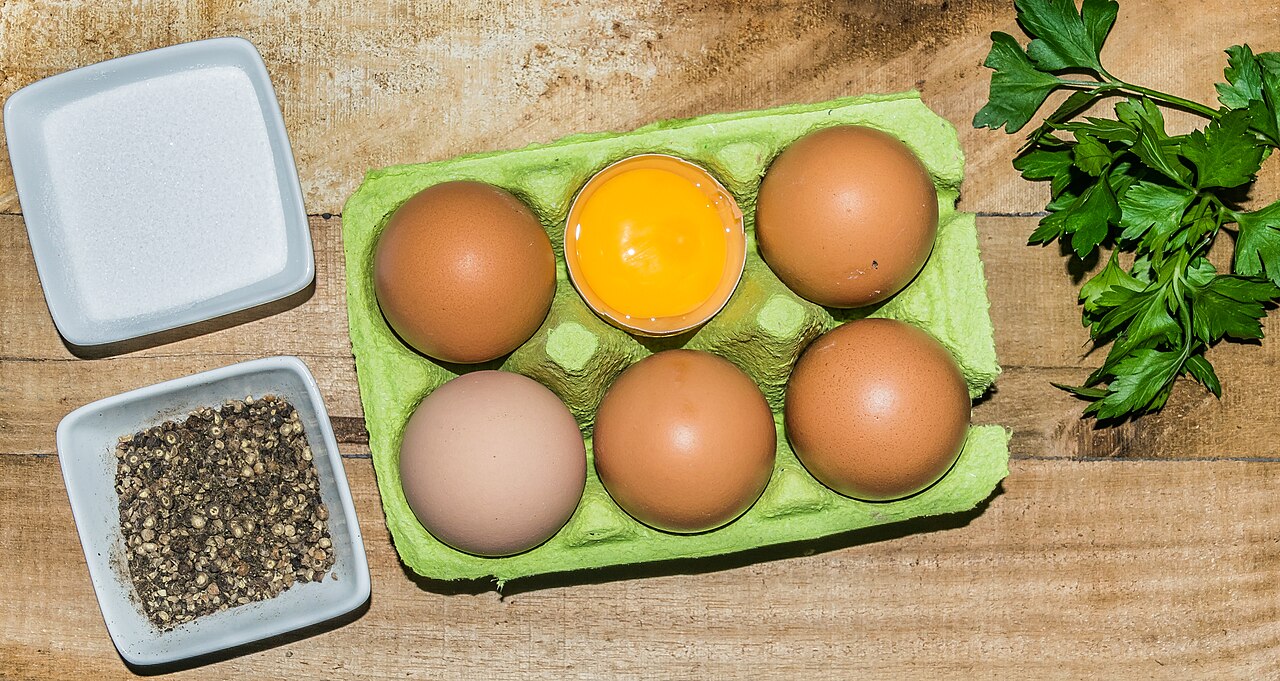
Discard the egg without testing if the shell is cracked, slimy, moldy, or leaking. Discard it after cracking if it smells of sulfur or looks off, with pink or green tints in the white or a cloudy, rotten yolk. When in doubt, throw it out.
A floater that passes the smell and look check is a judgment call. Many cooks still discard floaters, and that is a reasonable rule for anyone who prefers a wide safety margin. Baking with a floater that smells clean is the usual compromise, since heat and a full recipe give extra protection.
Never taste a suspect egg to decide. Smell and sight are enough. Food safety beats thrift, and one egg is never worth a bad night.
Myths about the float test
The biggest myth is that a floating egg is always rotten. The USDA position quoted by NDTV Food says floating means poor quality, but the egg may be perfectly safe. Age and rot are related, not identical.
A second myth says the float test is 100 percent accurate. It is not. Storage conditions and shell porosity shift buoyancy, so the test estimates age and misses contamination.
Pair it with the shell check and the sniff test.
A third myth says fresh eggs always sink flat. Texas Homesteader notes that storage conditions and shell porosity affect buoyancy, so a fresh egg stored badly can behave oddly. The test is a guide, not a verdict.
The same care applies to other kitchen staples, such as knowing why pancakes go flat instead of fluffy and how much salt pasta water really needs.
Frequently asked questions
Does a floating egg always mean it is bad?
No. Floating means the air cell has grown large, which means the egg is old. The USDA says a floating egg is of poor quality but may be perfectly safe.
Crack it into a bowl and check for off-odor or odd appearance before you decide.
Can I use eggs past the sell-by date?
Often yes. The sell-by date is a quality marker, not a safety cutoff. Refrigerated eggs often stay usable 3 to 5 weeks after purchase, per Texas Homesteader.
Run the float test, check the shell, and trust smell and appearance on cracking.
What is the Julian date on an egg carton?
It is the three-digit pack date showing the day of the year the eggs were packed. January 1 is 001 and December 31 is 365. It tells you the egg's true age better than the sell-by date does.
Why are older eggs better for hard-boiling?
The air cell grows as the egg ages, which loosens the bond between shell and white. Older eggs peel more cleanly after boiling, so cooks often save the upright eggs for hard-boiling and use the freshest ones for frying or poaching.
Should I wash farm eggs before storing them?
No. Freshly laid eggs carry a natural bloom that seals the shell pores and slows moisture loss. Washing removes that layer.
Store farm eggs unwashed, pointy-end down, and wash them just before use.
The bottom line
The float test answers the freshness question in seconds: flat means very fresh, upright means older but usable, floating means old. Add the carton pack date and a shell check, and you have a reliable routine without cracking a single egg.
The final safety check still happens after cracking, with smell and appearance. Use the water to decide whether an egg deserves a crack at all, then let your senses confirm it. When the answer is unclear, throwing one egg out is always the cheaper choice.
Tags: eggs, freshness, food safety, kitchen, cooking
Latest in Food
- How to Keep Herbs Fresh for Weeks in the Fridge
- Why Bread Goes Stale and How to Reverse It
- How Much Salt Does Pasta Water Really Need?
- Why Pancakes Go Flat Instead of Fluffy
Subscribe to the Rive News newsletter for one practical kitchen guide each week.
Related stories

Why Does Bread Go Stale Faster in the Refrigerator?
Bread goes stale faster in the fridge because starch recrystallizes fastest near 4°C. Here is the retrogradation science and the right way

Baking soda and baking powder: what's the difference?
Baking soda is pure sodium bicarbonate; baking powder adds two dry acids for double-acting lift. Learn when to use each, plus exact

What Is the Maillard Reaction in Simple Terms?
The Maillard reaction is the browning chemistry between amino acids and sugars above 140 C that creates the crust, color, and rich flavor