
Why Does Bread Go Stale and Can You Reverse It?
Key takeaways
- Bread goes stale mainly because starch recrystallizes and squeezes water out, not only because it dries out.
- Gentle reheating can reverse staling for a short while, since heat melts the starch crystals again.
- The fridge speeds staling, while the freezer nearly stops it, so store daily bread on the counter.
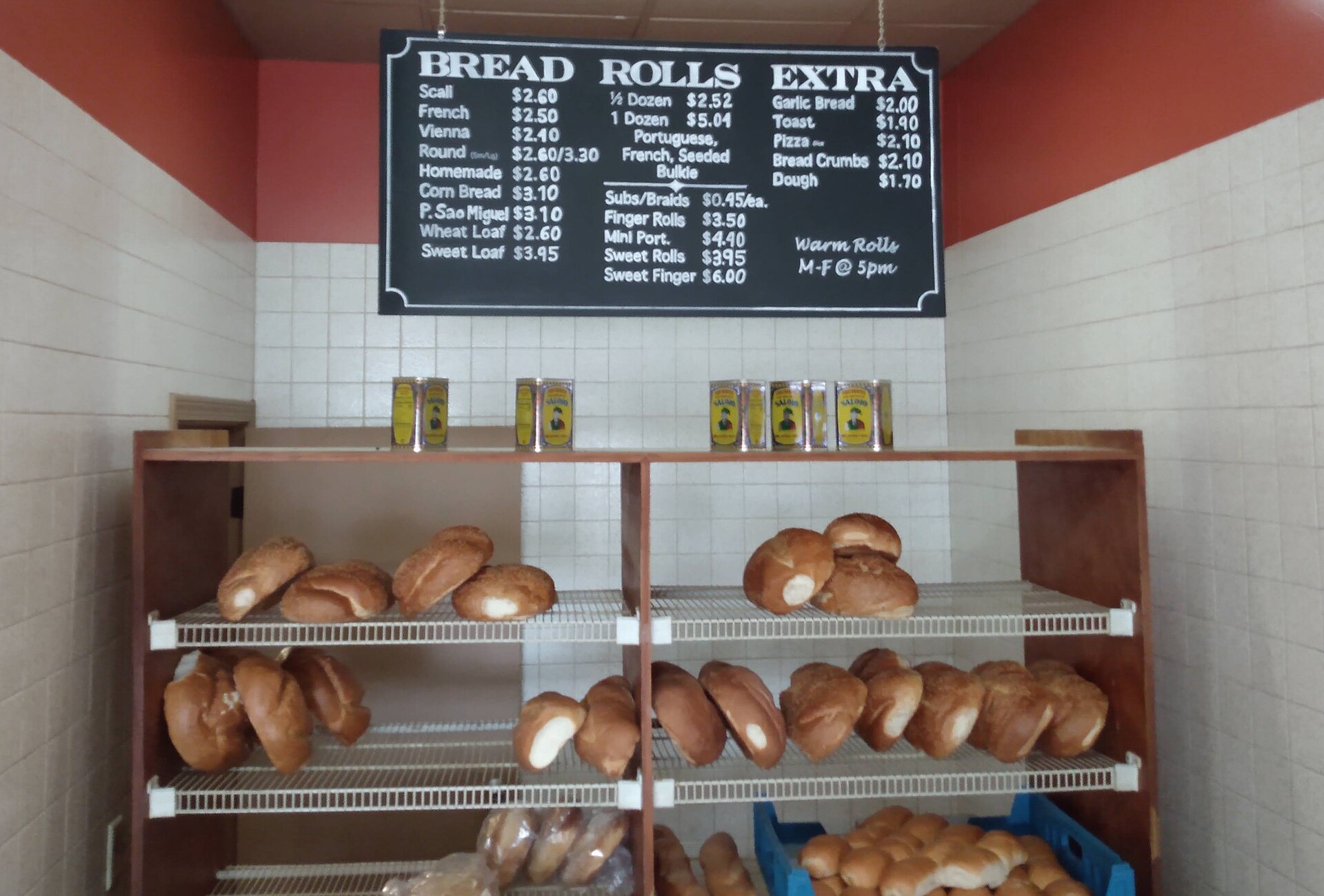
A loaf can turn firm and dry within a day, even sealed in a bag. The crust loses its crackle, the crumb turns crumbly, and the bread feels like it has lost its moisture.
The surprise is that moisture loss is only half the story. Bread stales because of a chemical change inside the starch itself, and that change can be partly undone with heat.
This article explains why bread goes stale and whether you can reverse it, including starch retrogradation, the role of the fridge and freezer, and the reheating method that brings a stale loaf back.
Staling is not just drying out
Most people assume stale bread has simply dried out. Drying plays a part, but it does not explain the whole change.
The proof is old. In the 19th century, the French chemist Jean-Baptiste Boussingault showed that stale bread can be refreshed in the oven, and that bread still goes stale when it is hermetically sealed so it cannot lose moisture, according to New Scientist. If staling were only drying, sealed bread would stay soft.
What actually happens is a change in the starch. Flour starch is made of two kinds of sugar molecules, amylose and amylopectin.
Raw starch has a rigid, crystalline structure, but it absorbs water and forms a gel when cooked. In the hours and days after baking, that process reverses: water moves back out of the starch granules, and they recrystallize, making the bread firmer.
The Kitchn describes the same sequence. During baking, starch molecules begin to gelatinize at about 150 degrees Fahrenheit, absorbing moisture, swelling, and becoming semi-firm. That step sets the structure, or crumb, of the loaf.
When the loaf cools below the gelatinization temperature, the starch molecules reform and harden. The water absorbed during baking is slowly expelled and eventually evaporates.
So a stale loaf has two problems at once. The starch has hardened into crystals, and some of the water has left the bread entirely.
Heat can fix the first problem. Only water can fix the second, and only if it is still inside the loaf.
What retrogradation does to a loaf
Retrogradation is the name for the starch hardening process. As the loaf cools and rests, the branched amylopectin molecules begin to realign into organized, crystalline structures. Those crystals squeeze water out of the starch matrix into the surrounding crumb and crust.
The crumb turns firm, dry, and crumbly even if the total moisture inside the loaf has not escaped into the room. That is why a bagged loaf still firms up. The water has moved, not vanished.
Temperature controls the speed. Bread goes stale fastest just above freezing temperature, according to New Scientist. The fridge sits in exactly that zone, which is why refrigeration speeds staling instead of slowing it.
Freezing works differently. At freezer temperatures, the staling reaction nearly stops. The Kitchn notes that bread can be frozen for several weeks and reheated with almost no noticeable difference in quality.
Enriched breads stale more slowly. Breads made with sugar, eggs, or dairy hold their softness longer, because sugar absorbs and retains moisture while eggs and dairy trap moisture and interfere with retrogradation, according to The Kitchn. Commercial loaves often add emulsifiers that slow staling in a similar way, probably by interfering with water movement out of the starch granules.
Yes, you can reverse staling (briefly)
Gentle reheating temporarily reverses retrogradation. Heat brings the starch back up toward the gelatinization temperature, the crystals melt, and the starch reabsorbs some of the moisture still inside the loaf.
The Kitchn puts the limit plainly: reheating works as long as the bread is not too old and has not lost too much moisture to evaporation. A day-old loaf revives well. A loaf that has sat uncovered for a week has lost too much water for heat alone to rescue.
That is why toast works. A stale slice in the toaster softens because the heat melts the recrystallized starch.
The effect fades as the toast cools, since the starch chains regroup and the bread firms again. Eat reheated bread while it is still warm.
The oven method works for a whole loaf. Run the crust briefly under the tap, wrap the loaf in foil, and heat it in a hot oven for about five minutes.
Then unwrap it for a few more minutes so the crust crisps again. The foil traps steam so the crumb softens evenly, and the uncovered finish rebuilds the crust.
Do not reheat the same loaf again and again. Each round drives off more moisture, and each cooling sets the starch harder. One reheat, eaten promptly, gives the best result.
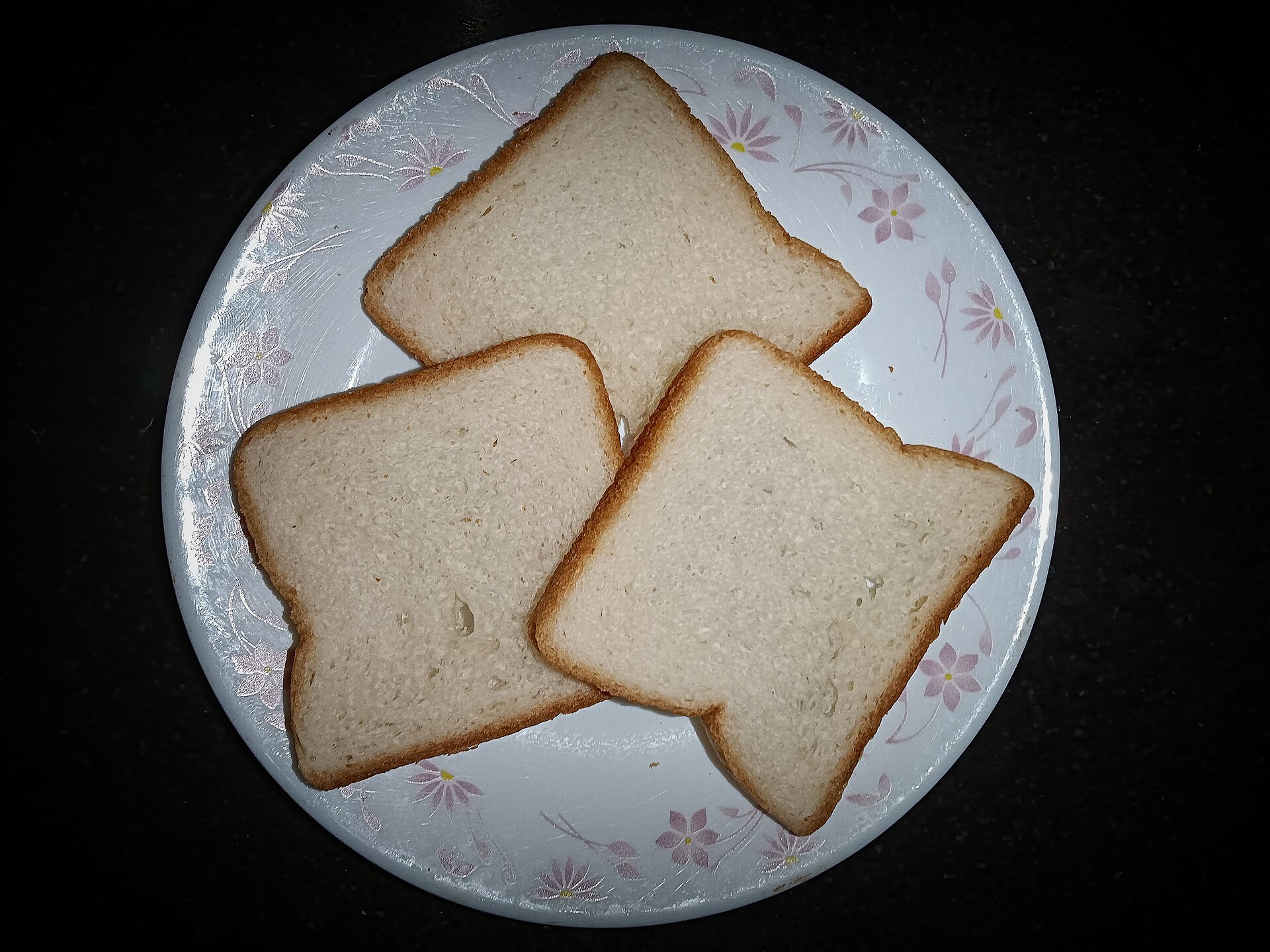
How to store bread so it stays soft longer
Storage is where most staling happens, and the rules are simple once the science is clear.
Keep daily bread on the counter. A bread box or a bag keeps the crust from drying while the loaf is eaten within a day or two. The Kitchn advises storing daily bread out on the counter, not in the refrigerator.
Do not refrigerate bread you plan to eat fresh. Fridge temperatures sit in the zone where retrogradation runs fastest. The one exception is bread you plan to toast anyway, since toasting reverses the staling.
Freeze bread you will not eat within two days. Slice the loaf first, so you can take out only what you need.
Wrap slices tightly to block freezer burn, and toast or reheat them straight from frozen. Freezing nearly halts retrogradation, which is why it beats the fridge by a wide margin.
Buy or bake with staling in mind. Enriched breads, such as brioche or milk bread, stay soft longer than lean crusty loaves.
Bakers can also use the tangzhong or yudane method, which pre-gelatinizes some of the flour with water before baking. New Scientist reports that heating flour with water above 65 degrees Celsius lets the starch granules absorb much more water and hold it longer after baking.
Use stale bread instead of binning it. Very stale bread still works in dishes that add moisture back, such as the Tuscan soup ribollita or panzanella, a salad in which croutons are soaked in dressing, according to New Scientist. Breadcrumbs, croutons, and bread pudding all turn staling into an advantage.
How to tell staling from spoilage
Stale is not the same as spoiled. Stale bread is firm, dry, and dull in aroma, but it is still safe to eat once reheated or cooked into another dish.
Mold is the line to watch. Green, black, or white fuzzy spots mean the loaf has mold, and the whole loaf should go. Mold threads can run through soft bread even where no spots show, so cutting off a moldy corner does not make the rest safe.
Smell matters too. A sour or musty smell that goes beyond normal bread aroma suggests the loaf has turned.
When in doubt, throw it out. A fresh loaf costs far less than a bad stomach.
If your loaf rises and then collapses in the oven, that is a different problem. Read about why bread rises and falls flat for the fermentation and shaping causes behind that failure.
Frequently asked questions
Can you reverse staling in the microwave?
A microwave can soften stale bread for a few minutes, but it works unevenly and the bread often turns tough as it cools. The oven or toaster gives a more even result.
How long does reheated bread stay soft?
Only while it stays warm. As the loaf cools, the starch recrystallizes and the bread firms again. Reheat what you will eat right away.
Does sealing bread in plastic stop staling?
No. Sealed bread still stales, because retrogradation happens inside the loaf even without moisture loss. Sealing slows drying, but it cannot stop the starch from recrystallizing.
Why does a baguette go stale faster than sandwich bread?
Baguettes are lean, with no fat, sugar, or dairy to slow retrogradation, and their high crust-to-crumb ratio lets moisture escape fast. Sandwich breads are usually enriched and bagged, so they keep longer.
Is it safe to eat stale bread?
Yes, if it shows no mold and smells normal. Reheating or cooking it into another dish restores much of the texture. Discard any loaf with visible mold.
The bottom line
Bread goes stale because starch recrystallizes and squeezes water out, a process called retrogradation, with moisture loss adding to the damage. Gentle reheating melts those crystals and softens the loaf again, but only while the bread is warm and only if it has not lost too much water. Keep daily bread on the counter, freeze what you will not eat within two days, and never refrigerate a loaf you want to stay soft.
Tags: bread, food science, baking, food storage
Latest in Food
- How to Keep Herbs Fresh for Weeks in the Fridge
- Why Bread Rises and Then Falls Flat
- How Much Salt Does Pasta Water Really Need?
- How to Tell If Eggs Are Still Fresh Without Cracking Them
Subscribe to Rive News for one food science explainer each week.
Related stories

Why Does Bread Go Stale Faster in the Refrigerator?
Bread goes stale faster in the fridge because starch recrystallizes fastest near 4°C. Here is the retrogradation science and the right way

Baking soda and baking powder: what's the difference?
Baking soda is pure sodium bicarbonate; baking powder adds two dry acids for double-acting lift. Learn when to use each, plus exact

What Is the Maillard Reaction in Simple Terms?
The Maillard reaction is the browning chemistry between amino acids and sugars above 140 C that creates the crust, color, and rich flavor