
Why Does Pasta Water Need Salt and How Much Is Enough?
Key takeaways
- Salt seasons pasta from the inside as it absorbs water, which sauce alone cannot replace.
- A practical range is 5 to 10 grams of salt per litre of water, or about 1 to 2 teaspoons.
- Salt also limits starch gelation, so pasta comes out less sticky and holds together better.
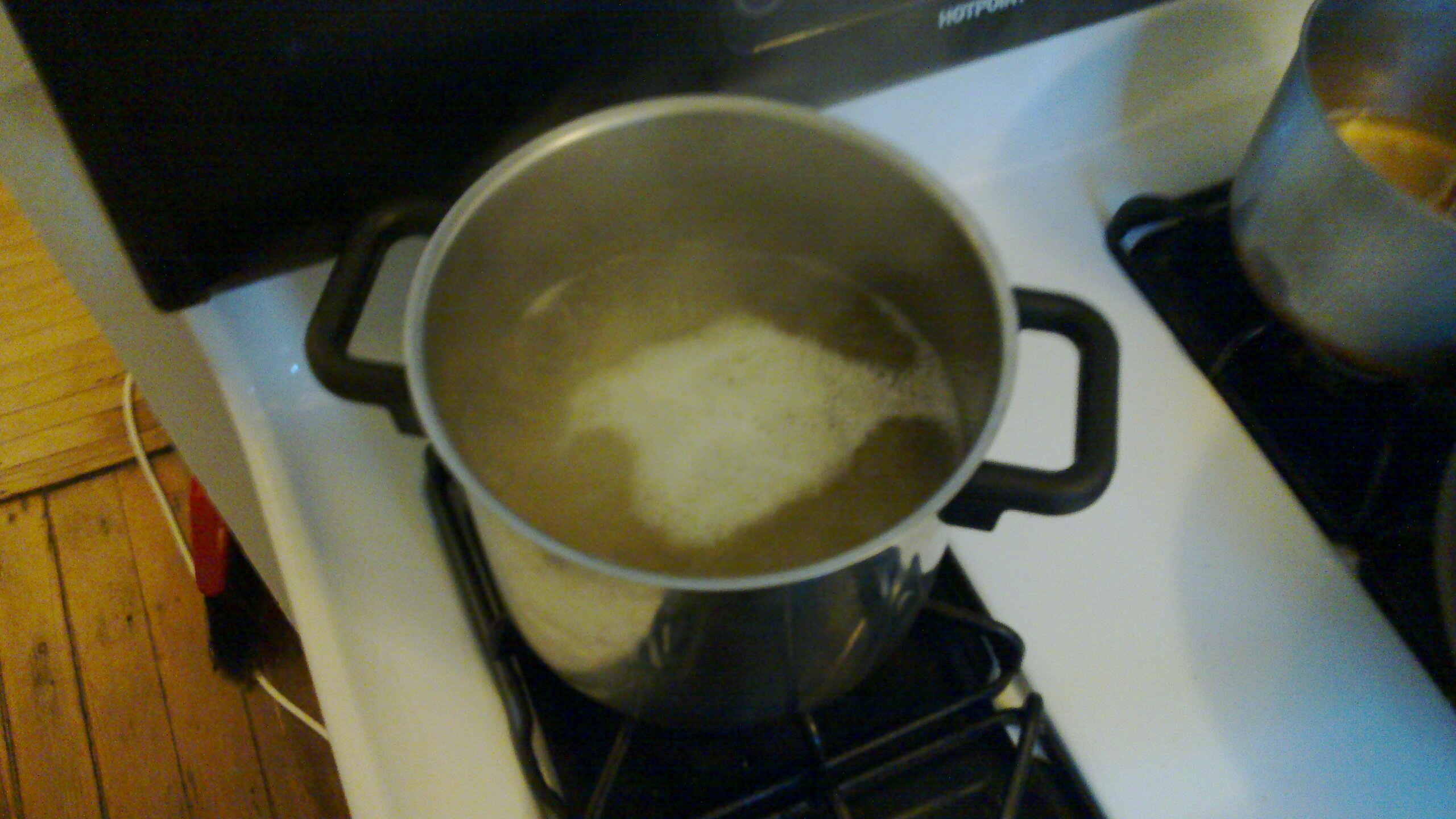
Pasta cooked in plain water tastes flat, even under a good sauce. Pasta cooked in well-salted water tastes seasoned through. The difference comes from the pot, not the topping.
This article explains why pasta water needs salt and how much is enough, including what salt does to flavour and texture, the measured range that works, and the myths that send cooks astray.
The main reason: flavour from the inside out
Pasta is mostly wheat and water. As it cooks, the noodles absorb a share of the cooking liquid. If that liquid is salted, the salt travels into the pasta with the water.
The noodles get seasoned from the inside out.
Salt added only at the end cannot do the same job. A sauce sits on the surface. It seasons the outside of each strand.
The inside stays bland, and the first bite tastes flat before the sauce catches up.
Cookbook author Katie Parla put it plainly in a Washington Post report republished by the Herald: the sea is really salty, and you want to spit seawater out right away. Pasta water should elevate flavour, not overpower the dish. Chef Michael Friedman of the Red Hen restaurant in Washington made the same point from the kitchen side.
Salt is one stop among several along the way, since you salt throughout the process of building a dish.
Parla's rule of thumb is that pasta water should taste as salty as well-seasoned soup. That test works, but only if you actually taste the water. Spoon out a little, blow on it until it cools, then taste.
A pinch tossed in without tasting is how most pots end up under-salted.
The second reason: texture and starch
Salt does more than season. It changes how starch behaves as pasta cooks. When pasta hits boiling water, its starch granules take on water, swell, soften, and release some starch into the pot.
Harold McGee wrote in On Food and Cooking that salt in the cooking water not only flavours the noodles, but limits starch gelation and so reduces cooking losses and stickiness.
That matters twice. First, the noodles themselves come out less gummy and hold their shape better. Second, the starchy water left in the pot becomes a tool.
A splash of it helps a sauce cling to the pasta and turn glossy, because the dispersed starch acts as a natural emulsifier.
A 2025 study from Lund University added a finer detail. Researchers led by Andrea Scotti, senior lecturer of physical chemistry, used particle accelerators and neutron facilities to watch spaghetti cook at the microscopic level. Their findings, published in the journal Food Hydrocolloids, showed that salt protects the microscopic structure of the pasta.
The optimal salt level in that study was 7 grams per litre of water, roughly 1.25 teaspoons. Pasta cooked for 10 minutes at that level held its structure best.
The study also found that gluten acts as a safety net that preserves starch inside regular spaghetti. Gluten-free pasta, which uses an artificial matrix instead, held up only under exactly the right cooking conditions. Cooked for 13 minutes in very salty water, it broke down fastest.
Regular pasta tolerated rough handling better.
How much salt is enough?
There is no single magic number, but there is a workable range. Daniel Gritzer of Serious Eats, cited in the Herald report, tested water from 0.5 per cent to 2 per cent salinity by weight and found the whole band acceptable. That works out to about 3/4 teaspoon to 1 tablespoon of fine sea salt per litre of water.
America's Test Kitchen recommends 1 tablespoon of table salt per 4 litres of water for well-seasoned pasta, which sits at the low end of Gritzer's range. A practical home range is 0.5 to 1 per cent salt: 5 to 10 grams per litre. The lower end leaves room for salty sauces, cheese, and cured meat.
The upper end seasons a simply dressed pasta more assertively.
A useful starting point is 10 grams of salt per litre of water, about 2 teaspoons of fine salt, for everyday pasta. That is a 1 per cent solution. Scale it with the pot.
A 4-litre pot takes 40 grams. A 2-litre pot takes 20 grams. Weigh it once or twice and you will learn what it looks like by eye.
Taste the water before the pasta goes in. It should taste like well-seasoned soup, clearly salty but not harsh. If you flinch, it is too salty.
If it tastes like plain hot water, add more.
The seawater myth
Ask cooks how salty pasta water should be and many will say "as salty as the sea." It is the most repeated rule in pasta cooking, and it is wrong by a wide margin.
Open-ocean seawater is roughly 3.5 per cent salt. At that concentration, a litre of water holds about 35 grams of salt. That is three to seven times the practical range.
Pasta cooked in water that salty would be harsh, and any starchy water folded into the sauce would wreck the seasoning.
The myth survives because it points in the right direction. Most home cooks under-salt their pasta water badly. A pinch in a big pot is nowhere near enough.
"As salty as the sea" nudges people upward. The trouble is that it overshoots, and cooks who follow it literally end up with pasta that fights the sauce.
Use the soup test instead. Well-seasoned soup is the right target, and it keeps the pasta and the sauce in balance.
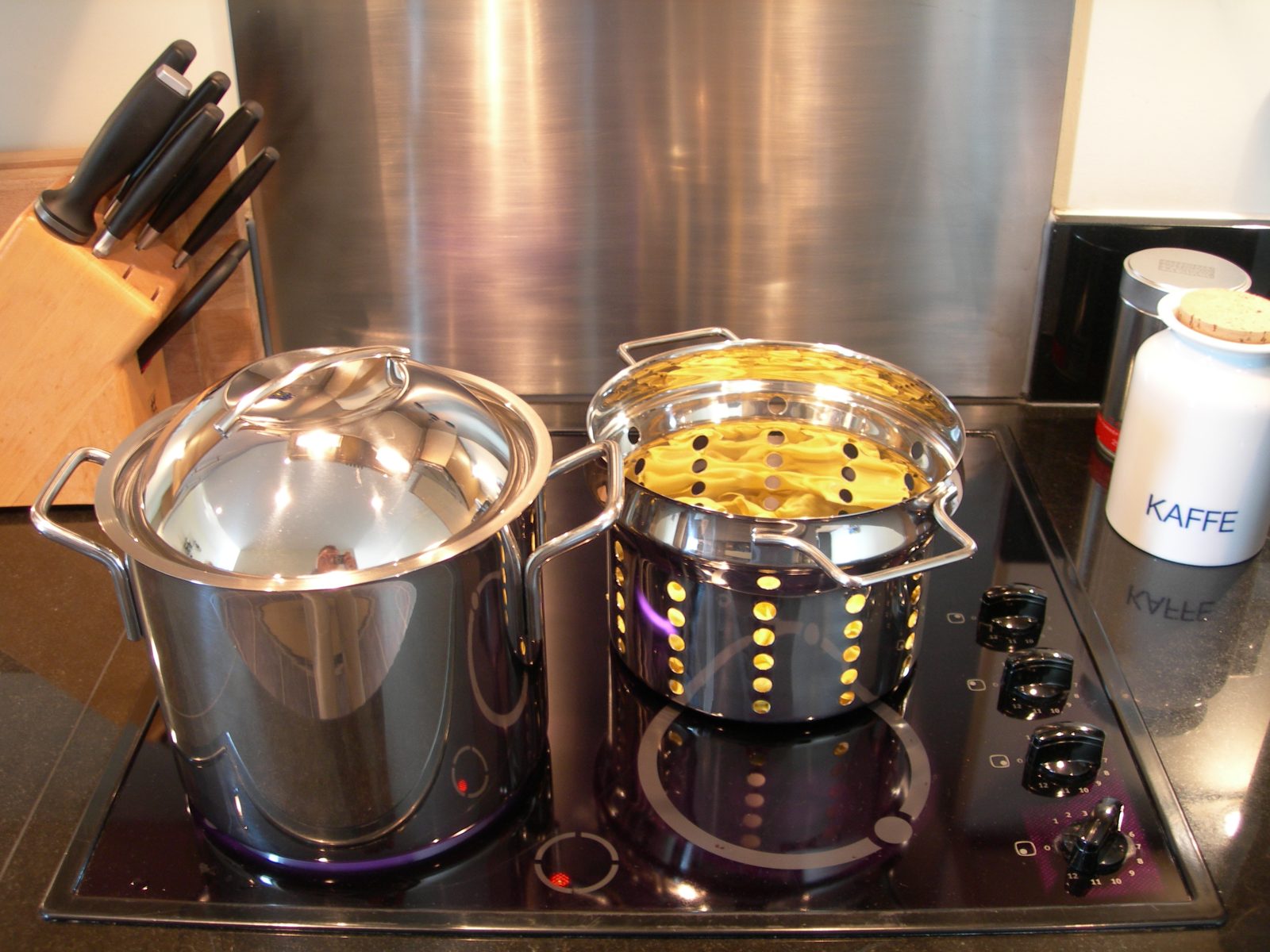
Does salt make water boil faster?
No, not in any way that matters. Salt raises the boiling point of water, but at kitchen ratios the effect is tiny. At 10 grams per litre, the boiling point rises by only about 0.17 degrees Celsius.
To delay boiling by a full degree you would need about 58 grams of salt per litre, enough to make the pasta nearly inedible.
Salt also does not make water boil sooner. The water does not boil faster because you salted it. Add salt when the water is at a rolling boil so it dissolves at once and spreads evenly.
That timing protects pans from long exposure to hot saline water and keeps the process simple.
How much salt ends up in the pasta?
Not all the salt in the pot ends up in the food. Most of it leaves with the drained water. But pasta does take up sodium, and the amount rises as the cooking water gets saltier.
A Virginia Tech and USDA study, cited by Gaucho Provisions, cooked pasta under several conditions and measured the result. A 140-gram serving cooked without salt held less than 5 milligrams of sodium. The same serving cooked in salted water held 247 to 490 milligrams.
Pasta shape, cooking time, and the ratio of water to pasta all changed the result.
That finding cuts both ways. Salted pasta water adds a real but modest amount of sodium to the finished dish. It also means the water you save for sauce carries salt with it.
If you plan to reduce a large amount of cooking water into the sauce, salt the pot at the lower end of the range and season the sauce at the end, after tasting.
Adjusting for the sauce
The pot is one stop on the seasoning route, not the only one. A dish with salty components needs less salt in the water. A dish with a plain dressing needs more.
Parla advises dialling back the water salt when the dish holds lots of cheese or cured meat such as pancetta or bacon. Friedman adds a practical warning: pasta water often goes into the sauce to bind it, as in spaghetti carbonara, or to help a heavier sauce coat the noodles. Add too heavily salted water to the sauce and the dish is done, in the bad sense.
Work backward from the saltiest element. If the sauce carries pecorino, olives, or cured meat, salt the water near 5 grams per litre. If the pasta gets olive oil, garlic, and lemon, salt near 10 grams per litre.
Taste the sauce after the pasta water goes in, not before.
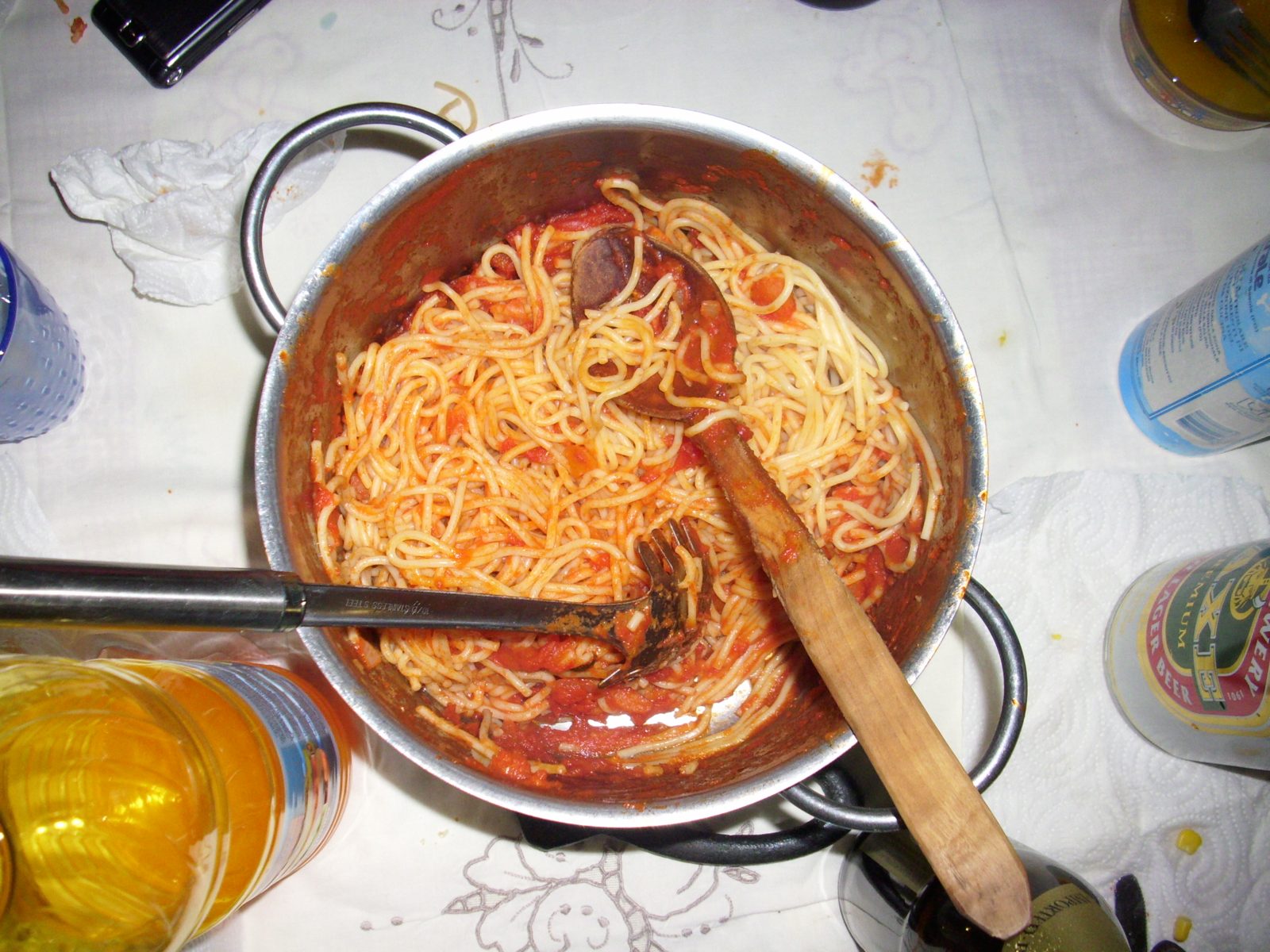
A simple method that works
Fill a large pot with plenty of water. Four litres for 500 grams of pasta is a good ratio. Bring it to a lively boil first.
Add about 10 grams of salt per litre, then taste. The water should taste like well-seasoned soup. Add the pasta and stir in the first minute to dislodge early starch and keep pieces from clumping.
Keep the boil rolling.
Cook to the time on the packet, then test a strand. Before draining, reserve a mug of the starchy water, then finish the pasta in the pan with the sauce and a splash of the reserved water.
Frequently asked questions
How much salt should I put in pasta water?
Start with about 10 grams per litre of water, roughly 2 teaspoons of fine salt. The acceptable range runs from about 5 to 10 grams per litre. Taste the water.
It should taste like well-seasoned soup.
Should pasta water be as salty as the sea?
No. Seawater is about 3.5 per cent salt, or 35 grams per litre. That is far saltier than pasta water should be.
The soup test is the better target.
When should I add salt to pasta water?
Add it once the water reaches a rolling boil, so it dissolves at once and spreads evenly. Adding it earlier does not speed up boiling.
Does salt stop pasta from sticking?
Salt limits starch gelation and reduces stickiness, according to McGee. Stirring in the first minute and using plenty of water matter just as much.
Should I salt less if the sauce is salty?
Yes. Dial back the water salt when the dish holds lots of cheese, cured meat, or olives. Salt the sauce at the end, after any pasta water goes in, and taste as you go.
The bottom line
Salt seasons pasta from the inside, tames starch, and helps sauce cling. The practical range is 5 to 10 grams per litre of water, with 10 grams as a solid starting point for everyday pasta.
Tags: pasta, cooking, salt, kitchen science
Latest in Food
- How to keep fresh herbs fresh for weeks in the fridge
- Why bread goes stale, and how to reverse it
- How to tell if eggs are still fresh without cracking them
- Why pancakes go flat, and how to keep them fluffy
Subscribe to the Rive News newsletter for one practical cooking guide each week.
Related stories

Why Does Bread Go Stale Faster in the Refrigerator?
Bread goes stale faster in the fridge because starch recrystallizes fastest near 4°C. Here is the retrogradation science and the right way

Baking soda and baking powder: what's the difference?
Baking soda is pure sodium bicarbonate; baking powder adds two dry acids for double-acting lift. Learn when to use each, plus exact

What Is the Maillard Reaction in Simple Terms?
The Maillard reaction is the browning chemistry between amino acids and sugars above 140 C that creates the crust, color, and rich flavor