
How to Grow Herbs on a Kitchen Windowsill
Key takeaways
- Most kitchen herbs need at least 6 hours of light, with 4 hours as the bare minimum.
- Pots at least 6 inches across, with drainage holes, keep roots healthy indoors.
- Water when the top inch of soil feels dry, and never take more than a third of a plant at once.
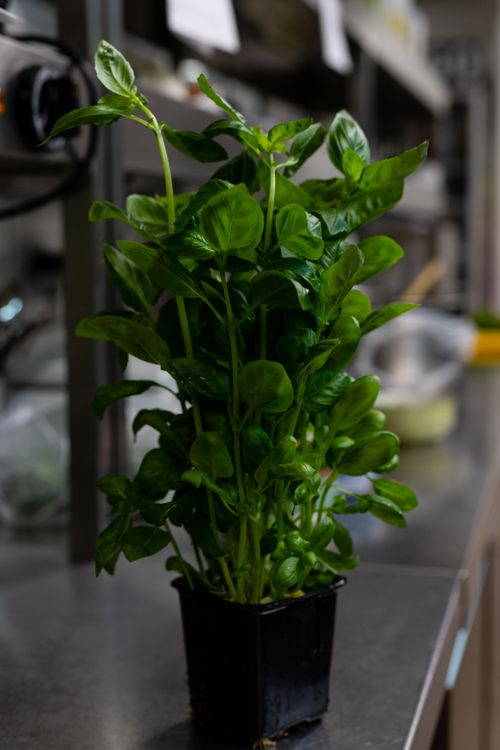
Growing herbs on a kitchen windowsill means keeping small, useful plants within reach of the stove. A windowsill herb garden is a set of pots on a bright ledge, usually holding the herbs you cook with most often. Basil, parsley, chives, mint, thyme, and rosemary are common picks because they are compact and they get used often.
A windowsill is not a greenhouse, and that fact shapes every choice in this guide. Light is weaker indoors than outside, pots are small, and soil dries out faster near a window. Plants still do well when you match the herb to the light you have and give roots room to breathe.
This article explains how to grow herbs on a kitchen windowsill, including picking the right herbs, light, pots and soil, watering and feeding, harvesting, and fixing common problems.
Pick herbs that suit a windowsill
Start with the herbs you already cook with, not the ones that look best in photos. Basil, parsley, chives, mint, oregano, and thyme all grow well in indoor pots, according to Horticulture Magazine. Rosemary, sage, dill, bay, and cilantro are also worth trying once the easy ones are settled.
Basil is the classic beginner herb, and it is also one of the thirstiest for light. It grows fast, it shows stress early, and it rewards regular picking with bushier growth. Chives and mint are more forgiving, and they keep growing after repeated cutting.
Parsley is slow to start but steady once it is going.
Mint deserves its own pot, always. It spreads fast through its roots and it will crowd out neighbors in a shared container. If you want several herbs in one long planter, keep mint out of it and give it a pot of its own.
Buy small plants instead of seeds when you can. Horticulture Magazine notes that most herbs do better grown from cuttings or established plants than from seed, with cilantro, basil, and parsley as exceptions that start well from seed. A small plant from a garden center gives you leaves to pick within days, while seeds can take weeks to catch up.
Give herbs the light they need
Light decides whether a windowsill herb garden thrives or just survives. Horticulture Magazine puts the target at a minimum of 6 hours of light, with 4 hours as an absolute minimum. A south or west facing window is the usual first choice, since those directions give the longest stretch of direct sun.
Winter light is weaker than summer light, even on the same sill. Wild Hearth Life notes that a south facing window in midwinter typically gives 4 to 6 hours of direct light, which suits most herbs except basil. If your only window faces north, expect slow, pale growth unless you add a simple grow light.
Put pots as close to the glass as you can without letting leaves touch a cold pane. Leaves pressed against cold glass can chill and blacken on frosty nights. Turn each pot a quarter turn every few days so the plant does not lean hard toward the light.
Choose pots and soil that drain
Pot size matters more indoors than outdoors, because a small pot dries out fast and a pot with no drainage drowns roots. Horticulture Magazine recommends containers at least 6 inches in diameter, with good drainage. Savour Ontario gives a useful rule: pick a pot at least 1 inch wider than the plant you are moving, so a herb in a 3 to 4 inch nursery pot goes into a 5 to 6 inch pot.
Terracotta is a good default for herbs. The clay is porous, so water evaporates through the walls and the soil dries more evenly. That helps herbs like rosemary and thyme, which hate wet feet.
Plastic pots hold moisture longer, which can suit basil and parsley if you water with care.
Every pot needs at least one drainage hole and a saucer under it. A saucer protects the sill, but it must not hold standing water for days. Tip out any water left in the saucer 30 minutes after watering.
Roots sitting in water rot, and the first sign is often yellowing leaves.
Use potting mix, not garden soil. Garden soil compacts in pots, drains poorly, and can carry pests indoors. A standard peat free or peat based potting mix works for most herbs.
Mix in a little perlite or coarse sand if your mix stays soggy after watering.
One herb per pot is the safest setup for beginners. Wild Hearth Life notes that a 10 to 12 inch pot can hold a small group such as thyme, oregano, and chives if they share similar water needs. Mixing a thirsty herb like basil with a dry loving herb like rosemary in one pot makes one of them unhappy, so group only herbs with matching water needs.
Water and feed on a steady routine
Watering kills more windowsill herbs than any other mistake, and overwatering is the usual cause. The rule from Horticulture Magazine is simple: check the soil, and water when the top inch feels dry. Push a finger into the soil to the first knuckle, and water at the base of the plant if it feels dry.
Water until it runs out of the drainage hole, then stop. Let the pot drain fully before you put it back on the saucer. Avoid wetting the leaves, since damp leaves in still indoor air invite mildew.
Morning watering is best, because it gives any splashes time to dry during the day.
Different herbs want different amounts of water. Basil and parsley like steady moisture and sulk if the soil dries out fully. Rosemary, thyme, and sage prefer to dry out a bit between waterings.
When in doubt, wait a day. A thirsty herb perks up after watering, but a rotted root system rarely recovers.
Feed lightly and on a schedule. Horticulture Magazine suggests feeding every 2 to 4 weeks with a liquid or fish fertilizer, choosing a feed made for leaves rather than blooms. Herbs grown for their leaves do not need bloom booster formulas.
In winter, when growth slows, cut feeding back to once a month or stop until days lengthen.
Repot when roots fill the pot. Signs include roots circling out of the drainage hole, soil that dries out within a day of watering, or a plant that stops growing in good light. Move up one pot size, not three.
A pot far too large holds wet soil around small roots and invites rot.
Harvest so plants keep growing
Regular picking keeps herbs bushy instead of tall and bare. Pinch or snip the growing tips, which are the soft new leaves at the end of each stem. Removing the tip makes the plant branch below the cut, so one stem becomes two.
Never take more than a third of a plant at once. A herb needs enough leaves left to feed itself through photosynthesis. Taking a third or less leaves the plant strong enough to regrow within a week or two in good light.
Harvest basil from the top down. Snip just above a pair of leaves, and two new shoots will grow from that point. If you only strip the big lower leaves, basil grows tall, thin, and woody.
For parsley and chives, cut the outer stems first and let the center keep growing.
Pinch off flower buds as soon as you see them on basil and cilantro. Once a herb flowers, it puts energy into seeds and the leaves turn bitter. Regular pinching delays flowering and keeps the leaves tasting good for weeks longer.
Fix the common windowsill problems
Yellow leaves usually mean too much water. Check the soil before you water again, and make sure the saucer is not holding a puddle. If the soil smells sour, let it dry out and check that the drainage hole is not blocked.
Leggy, stretched stems mean too little light. Move the pot to the brightest window you have, or add a grow light. Pinch back the stretched tips to push the plant into bushier growth, and rotate the pot so all sides get light.
Small flies hovering over the soil are usually fungus gnats, which breed in damp potting mix. Let the top inch of soil dry between waterings, and remove dead leaves from the surface. A thin layer of sand or fine gravel on top of the soil can make the surface less inviting for them.
Aphids and spider mites show up on stressed indoor herbs. Check leaf undersides and stem joints every week. A strong rinse under the tap removes many aphids, and insecticidal soap handles heavier cases.
Wash treated leaves well before cooking with them.
Cold drafts and hot radiators both stress herbs. Keep pots away from radiators, which dry the air and the soil fast. Move pots back from the glass on freezing nights, or set a folded towel between pot and pane.
Steady temperatures between 15 and 21 degrees Celsius suit most kitchen herbs.
How many hours of light do herbs need on a windowsill?
Most kitchen herbs need at least 6 hours of light, with 4 hours as the bare minimum, according to Horticulture Magazine. South or west facing windows give the best light. Add a grow light in winter or in a north facing kitchen.
What size pot do indoor herbs need?
Pots at least 6 inches across suit most herbs, with a drainage hole and a saucer under each pot. Move a herb into a pot at least 1 inch wider than its nursery pot. Terracotta pots dry more evenly than plastic, which helps rosemary and thyme.
Why are my windowsill herbs turning yellow?
Yellow leaves most often mean overwatering. Let the top inch of soil dry before you water again, and tip out water standing in the saucer. Check that the drainage hole is open and the soil is not staying soggy for days.
The bottom line
A windowsill herb garden works when light, drainage, and restraint line up. Give herbs 6 hours of light, a pot with a drainage hole, and water only when the top inch of soil is dry. Start with basil, chives, mint, and parsley, keep mint in its own pot, and harvest a little at a time.
For more indoor growing ideas, see our guide to growing tomatoes in pots on a balcony, our help for leaves turning yellow, and our guide to starting a compost bin without the smell.
Tags: herbs, indoor gardening, windowsill garden, kitchen garden
Latest in Gardening
- Growing tomatoes in pots on a balcony
- Why plant leaves turn yellow
- How to start a compost bin without the smell
- How to keep slugs off vegetables without chemicals
Subscribe to the Rive News newsletter for one practical guide each week.
Related stories

What Is Companion Planting and Does It Work?
Marigolds work as a nematode cover crop, but the basil flavor claim failed repeated tests. An honest evidence review of what companion

Determinate vs. indeterminate tomatoes: growth, pruning, and harvest differences
Determinate tomatoes grow to a set size and ripen all at once, while indeterminate types vine all season. That one difference shapes

How to improve clay soil for gardening
Gypsum will not fix ordinary clay soil, say extension experts. What actually works: 2 to 3 inches of compost, mulch, better drainage,