
How to Keep Slugs Off Vegetables Without Chemicals
Key takeaways
- Popular barriers such as copper tape and crushed eggshells showed no reduction in slug damage in an RHS trial.
- Traps, nematodes, night patrols, and morning watering protect vegetables without pellets or sprays.
- Slugs are part of the garden ecosystem, so the goal is to protect vulnerable plants, not to wipe slugs out.
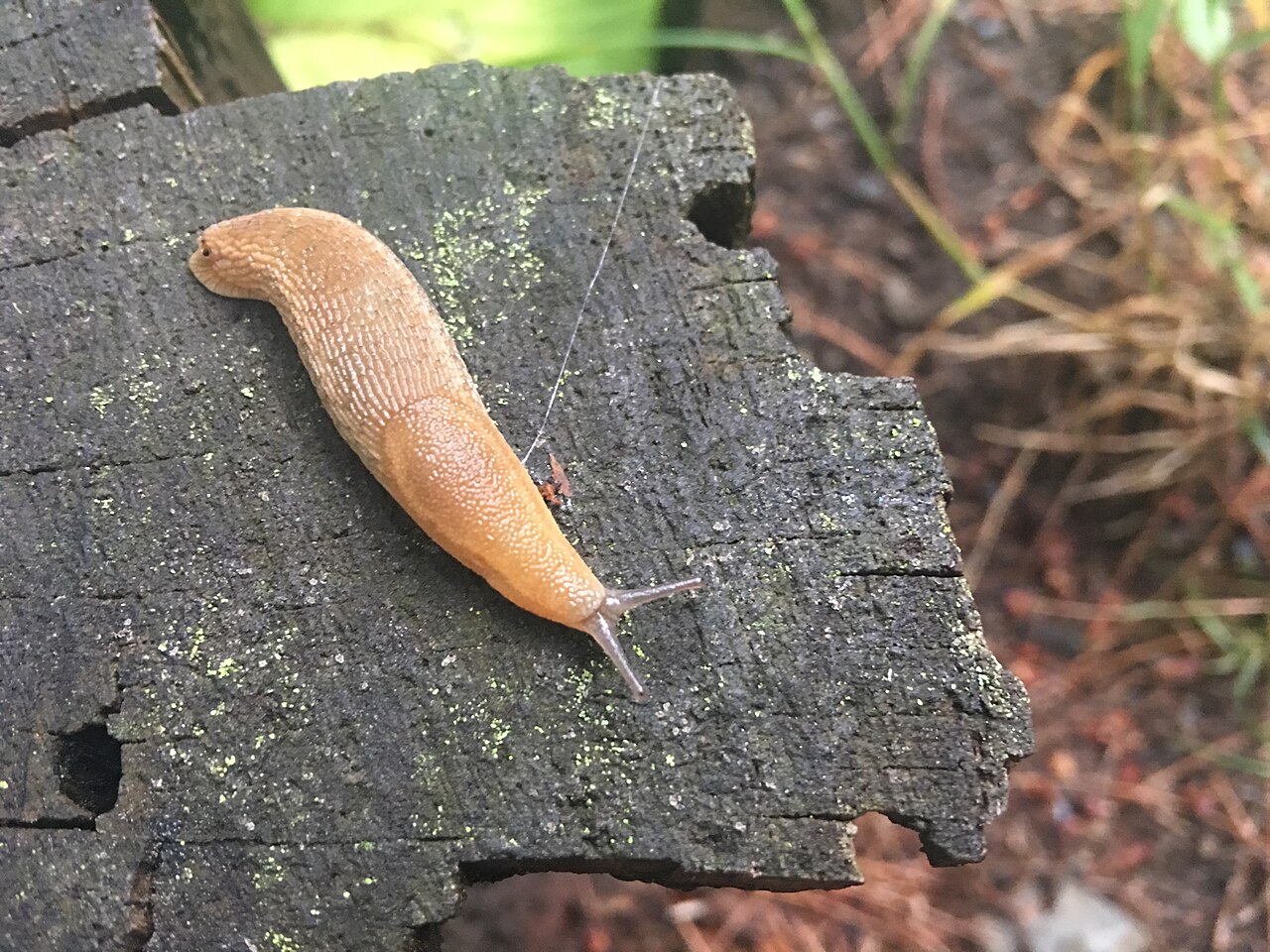
Slugs are soft-bodied molluscs that feed at night, and young vegetable plants are among their easiest meals.
A seedling can lose its growing tip in one damp night, and a row of lettuce can go from healthy to ragged before the gardener notices a single slug.
This article explains how to keep slugs off vegetables without chemicals, including the barrier methods that failed in trials, the traps that catch slugs, biological control, and the nightly habits that protect a bed.
Why slugs target vegetables
Slugs need moisture to move and feed, so damp evenings bring them out in force. Soft young leaves, seedlings, and low-growing crops such as lettuce sit right at slug level, which makes them easy targets.
Most slug species do not eat live plants at all. The Royal Horticultural Society (RHS) notes that the UK has over 44 slug species and 90 snail species, and only a few feed on live plants.
The grey field slug is one of the troublemakers. It grows to about 4 centimetres long and can hide inside lettuce and cabbage leaves, according to BBC Science Focus.
Slugs also do useful work in a garden. They eat rotting leaves and other dead material, and they feed birds, frogs, toads, hedgehogs, and ground beetles.
That dual role shapes the whole approach here. The aim is to shield the plants that slugs love, while leaving the wider slug population alone.
Start with the methods that failed testing
Garden advice is full of barrier tricks, and many of them sound convincing. The RHS tested five of them in a project called Gastropod Barriers, and the results were blunt.
Researcher Hayley Jones grew 108 lettuces in nine patio pots and nine raised beds and watched them for six weeks. Each lettuce had a ring of one barrier: crushed eggshells, pine bark mulch, copper tape, sharp horticultural grit, or wool pellets.
After six weeks, the protected lettuces showed no difference in damage from the lettuces with no barrier at all. Jones later told BBC Science Focus that a well-hydrated slug can produce extra mucus and crawl over a rough or sharp surface if the meal on the other side is tasty enough.
That finding does not mean every barrier is useless in every garden. It means barriers alone are a weak plan, and they should not be the first money or effort a gardener spends.
Skip the pellets too, even the ones labelled organic. The RHS advises against slug pellets because they have been shown to harm garden wildlife, and its advice page recommends cultural and biological control instead.
Traps that catch slugs
Traps work by drawing slugs to one spot where they can be collected. The RHS recommends two simple trap types for vulnerable plants.
The first uses scooped-out halves of orange, grapefruit, or melon skins. Lay each half cut side down on the soil near the plants that need protection, and slugs will gather underneath.
The second uses jars part-filled with beer, sunk into the soil near vulnerable plants. Slugs are drawn to the fermenting smell, crawl in, and drown.
Check and empty traps every morning. A trap left for days stops working well, and it can catch ground beetles and other animals that a gardener wants to keep.
Beer traps come with one open question. Jones told BBC Science Focus that research shows beer traps catch plenty of slugs, but no research yet proves that nearby plants suffer less damage as a result.
Treat traps as a monitoring and reduction tool, not as proof of protection. Place several around a bed, check them daily, and judge them by the state of the plants, not by the count in the jar.
Nematodes are the strongest biological option
Biological control means using a living organism that attacks slugs and nothing else. The product sold as Nemaslug contains microscopic worms called nematodes, of the species Phasmarhabditis hermaphrodita.
Watered into the soil, the nematodes enter slugs and infect them with bacteria that cause a fatal disease. The RHS states that this control is specific to molluscs and has no adverse effect on other types of animals.
Timing and soil conditions decide whether it works. The soil needs to be moist and warm, between 5 and 20 degrees Celsius, so spring to early autumn is the right window.
Apply in the evening to moist but well-drained soil. Heavy clay soils give poorer results, and the treatment will also hit beneficial slug species, so the RHS advises targeted use on the beds that need it rather than blanket use across the whole garden.
Nematodes suit raised vegetable beds well. Jones told BBC Science Focus that the treatment can work on a raised veggie bed because it kills slugs on the plants and slugs in the bed.
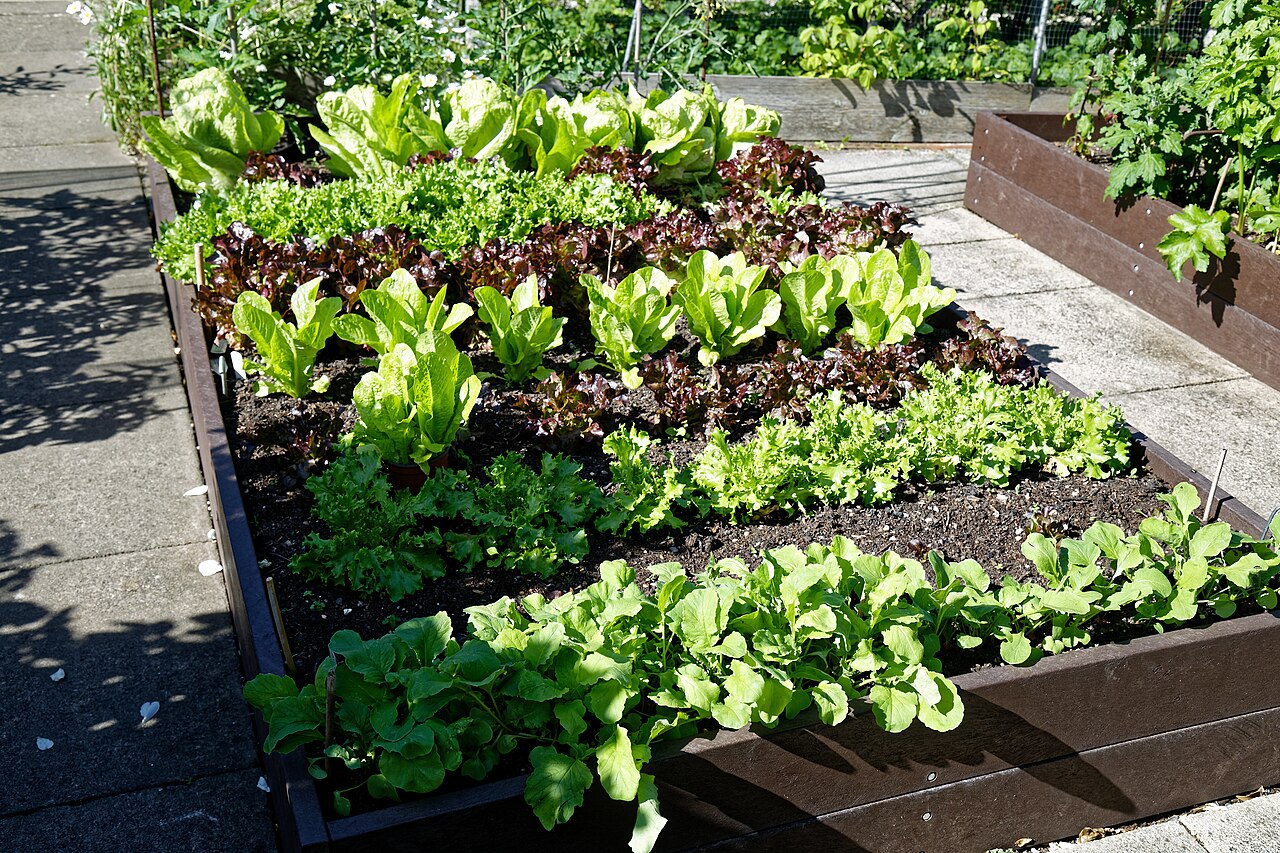
One pack will not protect a garden forever. Treat nematodes as a seasonal tool, and repeat through the growing season on the beds where slug pressure stays high.
Night patrols and watering habits
The cheapest method is also one of the most reliable. Slugs feed at night, so a torchlight patrol on a mild, damp evening catches them in the act.
Pick slugs off plants by hand and drop them into a container. The RHS suggests moving them to a compost heap or a part of the garden with less vulnerable plants, where predators can take them.
Some species have homing instincts and may return to their preferred patch. That is a reason to patrol more than once, not a reason to skip the patrol.
Watering time matters just as much. The RHS advises watering in the early morning rather than the evening, because evening watering creates the damp night conditions slugs love.
Seedling care rounds out the routine. Grow seedlings on in pots until they are bigger and sturdier before planting them out, so a few nibbles do not kill the plant.
Jones gave the same advice to BBC Science Focus. She said gardeners should grow seedlings on until they are bigger and sturdier, so they do not die straight away if they get nibbled a bit.
Predators and planting choices
A garden with predators needs less intervention. Birds, frogs, toads, hedgehogs, slow-worms, and ground beetles all eat slugs and snails, according to the RHS.
Ponds, log piles, dense shrubs, and undisturbed corners give those predators shelter. Avoiding pellets helps too, since poisoned slugs can pass the poison up the food chain to the animals that eat them.
Plant choice is the quiet lever. Woody plants and plants with thick, waxy, or hairy leaves tend to interest slugs less than soft, fleshy seedlings do.
The RHS lists slug-resistant choices that include foxglove, fennel, nasturtium, geranium, and snapdragon. These will not stop slugs from reaching nearby vegetables, but they reduce damage in ornamental areas.
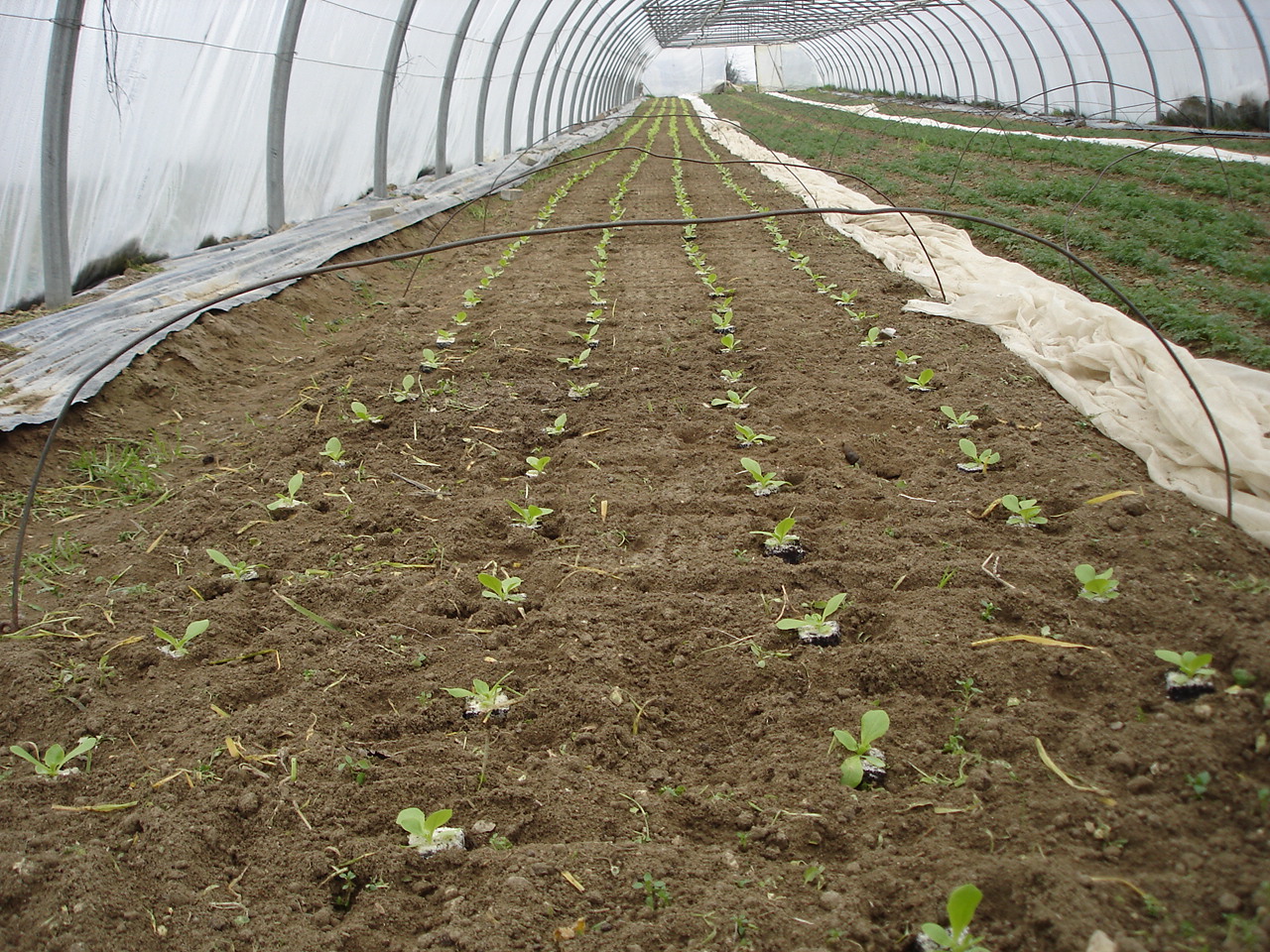
For the vegetable bed itself, the same logic points to sturdy transplants over direct-sown seedlings. A transplant with a firm stem and several true leaves can survive nibbling that would finish a seedling.
Raking over soil and clearing fallen leaves in winter can expose slug and snail eggs to birds. The RHS notes that this also makes the garden less welcoming to predators, so it is a trade-off rather than a free win.
A weekly routine that holds together
No single chemical-free method carries a vegetable bed on its own. The methods work when they run together on a short weekly routine.
Start the week by checking traps and emptying them. Walk the beds in the early morning and look for fresh holes and slime trails, which show where slugs fed the night before.
Patrol with a torch on two or three damp evenings. Focus on the youngest plants and the crops slugs prefer, such as lettuce and leafy greens.
Water in the morning all week. Keep the soil surface around seedlings as dry as the plants allow, and avoid evening watering that turns the bed into a slug highway.
Apply nematodes in the warm months on the beds with the worst pressure. Time the application for an evening when the soil is already moist, and water it in well.
Grow herbs on a kitchen windowsill and keep tender seedlings in pots until they are sturdy, so the most vulnerable plants never sit unprotected in open soil. A compost bin that does not smell also gives patrolled slugs a useful destination away from the beds.
This routine takes minutes on most days. The payoff is a bed that holds its crop through the damp weeks when slug pressure peaks.
Frequently asked questions
Do copper tape and eggshells keep slugs off vegetables?
The RHS trial found no reduction in slug damage from copper tape, eggshells, sharp grit, wool pellets, or bark mulch. Some lab studies have shown copper working, but the garden-realistic trial found no benefit, so do not rely on barriers alone.
Are beer traps enough on their own?
Beer traps catch slugs, but research has not yet proven that plants near the traps suffer less damage. Use traps alongside night patrols, morning watering, and nematodes for real protection.
Will nematodes harm pets, birds, or other wildlife?
The RHS states that the nematode control is specific to molluscs and has no adverse effect on other types of animals. It will affect beneficial slug species too, so use it on the beds that need it rather than everywhere.
Should I use salt against slugs?
Salt is bad for soil and for plants, and it is a cruel way to kill a slug. The RHS and Jones both steer gardeners toward traps, predators, and biological control instead of salt.
The bottom line
Barriers sound neat, but the best trial available found they did not protect lettuce. Traps, nematodes, night patrols, morning watering, and sturdy transplants are the methods with real support.
Start with the nightly patrol and the morning watering habit. Add traps and nematodes on the beds where damage stays high, and let predators do the rest.
Tags: slugs, vegetable gardening, pest control, organic gardening
Latest in Gardening
- Grow tomatoes in pots on a balcony
- Start a compost bin that does not smell
- Grow herbs on a kitchen windowsill
- Prune a fruit tree for beginners
Subscribe to the Rive News newsletter for one practical gardening guide each week.
Related stories

What Is Companion Planting and Does It Work?
Marigolds work as a nematode cover crop, but the basil flavor claim failed repeated tests. An honest evidence review of what companion

Determinate vs. indeterminate tomatoes: growth, pruning, and harvest differences
Determinate tomatoes grow to a set size and ripen all at once, while indeterminate types vine all season. That one difference shapes

How to improve clay soil for gardening
Gypsum will not fix ordinary clay soil, say extension experts. What actually works: 2 to 3 inches of compost, mulch, better drainage,