
How to Grow Tomatoes in Pots on a Balcony
Key takeaways
- Give each tomato plant a pot at least 30 cm (12 in) wide, with drainage holes and one plant per pot.
- Pick a compact bush or cherry variety, since tall vining types need far more root room and support.
- Water on a steady rhythm, keep the soil evenly moist, and feed regularly once fruit starts to set.
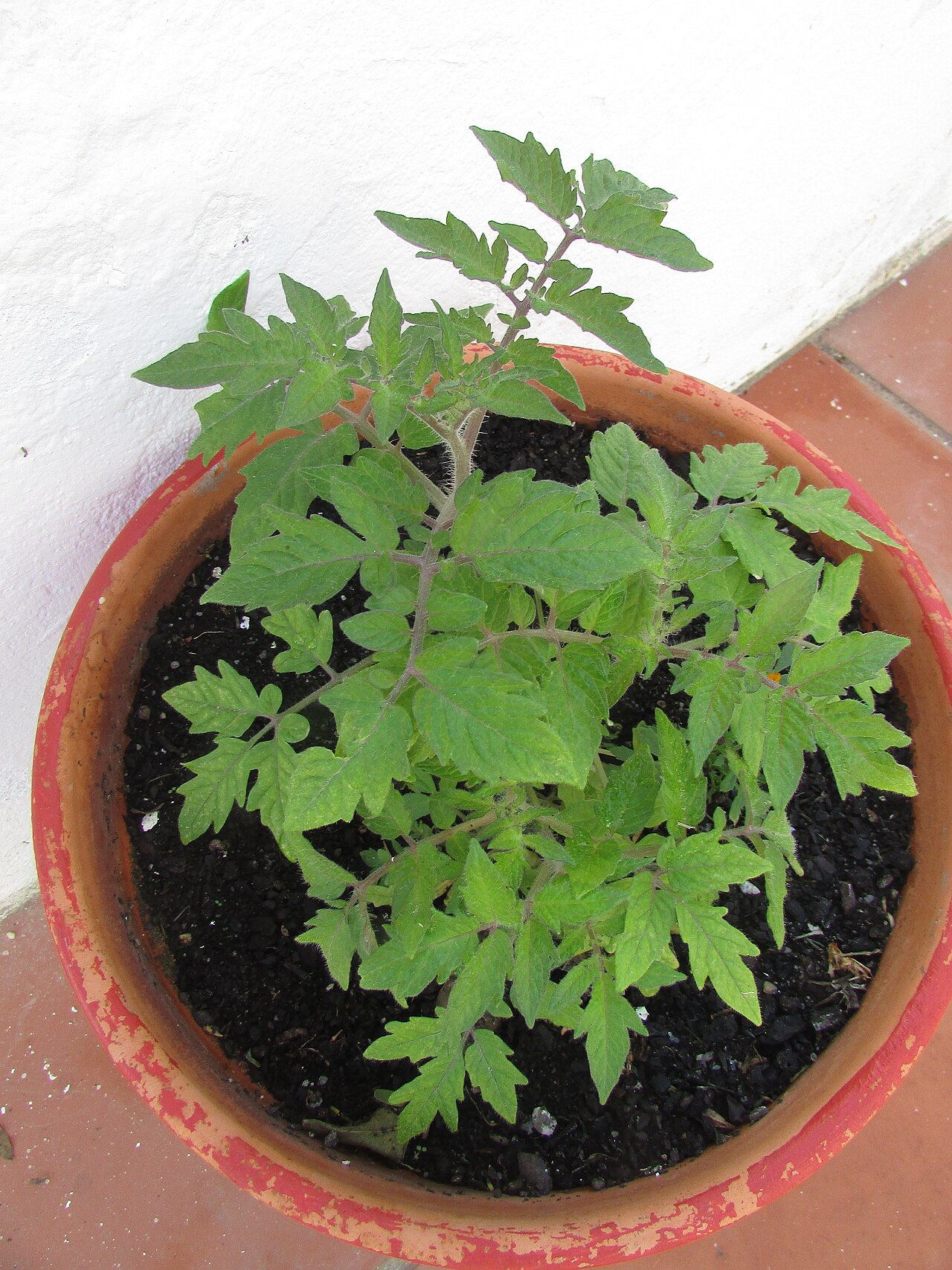
A tomato plant in a pot on a balcony is a small garden with clear rules. The plant needs sun, root room, steady water, and food. The balcony supplies the sun and the shelter.
You supply the rest.
This article explains how to grow tomatoes in pots on a balcony, including picking a variety, choosing a pot, planting, watering, feeding, and handling common problems.
Pick a variety that suits a pot
Variety choice decides how much work the plant will ask of you. Compact bush varieties stay small and need little pruning. Cherry types fruit in clusters and ripen fast.
The Royal Horticultural Society (RHS) points to compact bushy cultivars of cherry tomatoes as the easiest to grow in pots. It names Tumbling Tom Red, Tumbling Tom Yellow, and Hundreds and Thousands as types often found at garden centres. These trail over the edge of a pot and produce many small fruit.
Tall vining types, often called indeterminate, keep growing all season. They can work in a pot, but they need a much larger container and strong support. For a first balcony crop, a bush or dwarf cherry type is the simpler pick.
Check the plant label before you buy. It should say bush, dwarf, patio, or determinate for a compact plant. It should say vining or indeterminate for a tall one.
Buy the plant that matches the pot you already own.
Choose a pot with room and drainage
Pot size is the single biggest factor in how often you water. A larger pot holds more soil, and more soil holds more water. Small pots dry out fast on a windy balcony.
The RHS advises at least a 30 cm (12 in) pot per plant. It also suggests spacing plants 35 to 45 cm (14 to 18 in) apart in a deep window box or trough. One plant per pot is the safe rule for beginners.
ABC Organic Gardener goes bigger and suggests a pot at least 400 to 500 mm in diameter. A half wine barrel is its ideal. The message is the same in both guides: go larger than you think you need.
Drainage holes are not optional. Water must escape from the base, or roots sit wet and rot. If a decorative pot has no holes, drill some or use it as an outer cover with a plain pot inside.
Weight matters on a balcony. A large pot full of wet soil is heavy. Place it near a load-bearing wall and check your balcony limits before you fill several big pots.
Lightweight plastic or fabric pots cut weight and hold moisture well. Terracotta looks good but dries out faster, so it needs more frequent watering.
Find the sunniest sheltered spot
Tomatoes love heat and light. Aim for at least 6 to 8 hours of direct sun each day. A south-facing or west-facing balcony is usually best.
Shelter matters as much as sun. Wind dries pots fast and can snap stems. A wall, a railing screen, or a corner that blocks the prevailing wind helps the plant hold moisture.
The RHS puts containers in a sunny sheltered spot for this reason.
Watch the spot for a day before you plant. Note when sun arrives and when shade falls. A balcony that gets morning sun and afternoon shade still works, but fruit ripens slower.
A balcony with under 6 hours of sun will give weak plants and few fruit.
Keep the pot off a hot bare surface if you can. A pot saucer or a wooden board under the pot slows heat from paving.
Plant deep and stake early
Plant once nights are frost free. The RHS notes this is usually mid-May in mild areas. In warmer climates, plant when night temperatures stay above 10 C.
Fill the pot to within 2 to 3 cm (about 1 in) of the rim with moist compost. The RHS advises adding extra nutrients to multi-purpose compost, either by mixing garden compost into the bottom half or by adding slow-release fertiliser.
Set the plant deep. Bury the stem up to the first small seed leaves. Tomatoes grow roots along a buried stem, and those extra roots make a stronger plant.
Water well after planting so the compost settles around the roots.
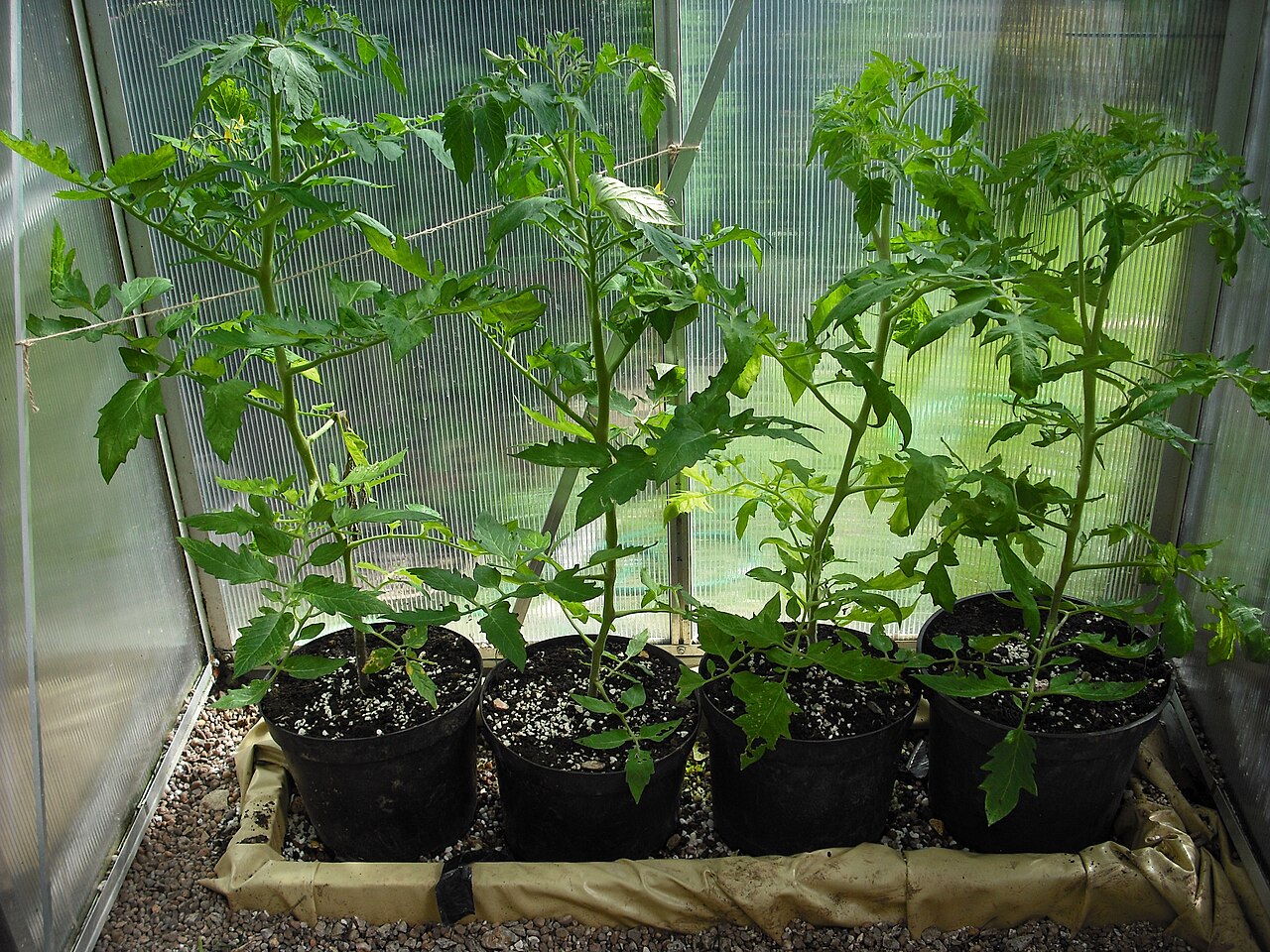
Put support in place at planting time. A cane, a small cage, or twine tied to the railing all work. Adding support later risks stabbing roots.
Tie the stem loosely as it grows, and leave room for the stem to thicken. For tips on keeping other potted plants healthy, see why leaves on plants turn yellow.
Set a watering rhythm that holds steady
Watering is where most balcony tomato crops fail. Pots dry fast, and tomatoes punish uneven water with split fruit and blossom end rot. The goal is soil that stays evenly moist, never waterlogged and never bone dry.
Check the soil daily in warm weather. Push a finger 2 to 3 cm into the compost. If it feels dry at that depth, water.
If it feels damp, wait. GardenSmart advises checking container tomatoes every day at first, then watering established plants thoroughly whenever the top few inches feel dry.
Water at the base of the plant, not over the leaves. Wet leaves invite disease. Water slowly until it runs from the drainage holes, then stop.
Empty the saucer after 30 minutes so the pot does not sit in water.
Mulch the surface with 2 to 3 cm of straw, shredded bark, or compost. Mulch slows evaporation and keeps soil temperature steadier. It also stops soil splashing onto lower leaves when you water.
In a heatwave, a large pot may need water twice a day. A small pot may need water morning and evening. That is the cost of a small pot, and it is why pot size matters so much.
If you go away for a weekend, move pots into shade and stand them in a shallow tray of water.
Feed little and often
Potted tomatoes eat fast because watering washes nutrients out of the compost. Start with compost that already has slow-release fertiliser mixed in. Then feed with liquid fertiliser once fruit starts to set.
ABC Organic Gardener suggests a liquid organic fertiliser rich in potassium every four weeks. Potassium supports flowering and fruiting. A tomato feed sold for this purpose fits the same role.
Follow the label rate, since extra feed does not mean extra fruit.
Stop feeding if the plant looks scorched or the leaf edges brown. Flush the pot with plain water and wait a week. Overfeeding causes salt build-up in a pot faster than in open soil.
A simple compost routine helps too, and starting a compost bin gives you free material for top dressing.
Prune, pinch, and support the plant
Bush varieties need little pruning. Vining types need more. Remove the small shoots that appear where a leaf joins the stem.
These shoots are called sideshoots, and pinching them out keeps the plant focused on fruit.
Do this weekly once the plant grows fast. Pinch with your fingers when shoots are small. Do not tear large shoots, since wounds invite disease.
Wash your hands or tools between plants if one plant looks sick.
Tie the main stem to its support every 20 to 30 cm of growth. Use soft twine or cloth strips. Tight wire cuts into stems.
For tall plants, twist the twine gently around the stem rather than knotting it hard.
Remove yellow lower leaves as they age. They add little to the plant and can harbour disease. Drop them in the bin, not on the soil.
If you spot slugs on a balcony crop, keeping slugs off vegetables without chemicals covers simple barriers.
Watch for common problems
Blossom end rot shows as a dark sunken patch on the base of the fruit. It is linked to uneven water and calcium uptake, not to a pest. Steady watering is the main fix.
Mulch helps. Avoid letting the pot swing between soaked and dry.
Cracking follows the same pattern. A dry spell then a heavy watering swells fruit faster than the skin can stretch. Even moisture keeps skins intact.
Pick fruit that is nearly ripe before a heavy storm if the pot sits in the open.
Blight shows as brown patches on leaves and stems in warm wet weather. It spreads fast. Remove affected leaves at once, and keep water off the leaves.
Space pots so air moves between them. At season end, bin blighted plants rather than composting them.
Aphids cluster on soft new growth. A strong jet of water knocks many off. Check the undersides of leaves.
A healthy plant tolerates a small aphid group, but a heavy colony needs action before it weakens the plant.
Harvest at the right moment
Pick tomatoes when they are fully coloured and slightly soft to the touch. Do not refrigerate fresh tomatoes, since cold dulls flavour.
FAQ
How many tomato plants fit in one pot?
One plant per pot is the safe rule. A large trough or grow bag can hold more, but each plant still needs its own root room. The RHS suggests 35 to 45 cm between plants in a trough.
Why are my potted tomato leaves curling?
Curling often follows heat, wind, or uneven water. Check soil moisture first. If the soil is dry, water deeply.
If the plant sits in wind, add shelter. Curling from heat alone often eases in the evening.
Do I need to pollinate balcony tomatoes?
Tomatoes pollinate themselves, and a light shake of the stem helps pollen move. Wind on a balcony usually does the job. Indoor plants may need a gentle tap each morning.
How long until my tomatoes fruit?
Plants flower a few weeks after planting, and fruit follows over the next month. Cherry types ripen faster than large slicers. Warm sun and steady water keep the pace up.
The bottom line
A balcony tomato crop works when the pot is big, the sun is strong, and the water stays steady. Pick a compact variety, plant it deep, stake it early, and feed once fruit sets. Check the soil daily in warm weather and pick fruit as it ripens.
For more small-space growing, try growing herbs on a kitchen windowsill next to your tomato pots.
Tags: tomatoes, container gardening, balcony garden, vegetables
Latest in Gardening
- Why leaves on plants turn yellow
- How to start a compost bin without the smell
- How to keep slugs off vegetables without chemicals
- How to grow herbs on a kitchen windowsill
Subscribe to the Rive News newsletter for one practical growing guide each week.
Related stories

What Is Companion Planting and Does It Work?
Marigolds work as a nematode cover crop, but the basil flavor claim failed repeated tests. An honest evidence review of what companion

Determinate vs. indeterminate tomatoes: growth, pruning, and harvest differences
Determinate tomatoes grow to a set size and ripen all at once, while indeterminate types vine all season. That one difference shapes

How to improve clay soil for gardening
Gypsum will not fix ordinary clay soil, say extension experts. What actually works: 2 to 3 inches of compost, mulch, better drainage,