
Why Are the Leaves on My Plants Turning Yellow?
Key takeaways
- Yellow leaves are a symptom, not a disease, and water trouble is the most common cause.
- Where the yellowing starts (old leaves, new leaves, or leaf edges) points to the cause.
- A fully yellow leaf will not turn green again, so the goal is healthy new growth.
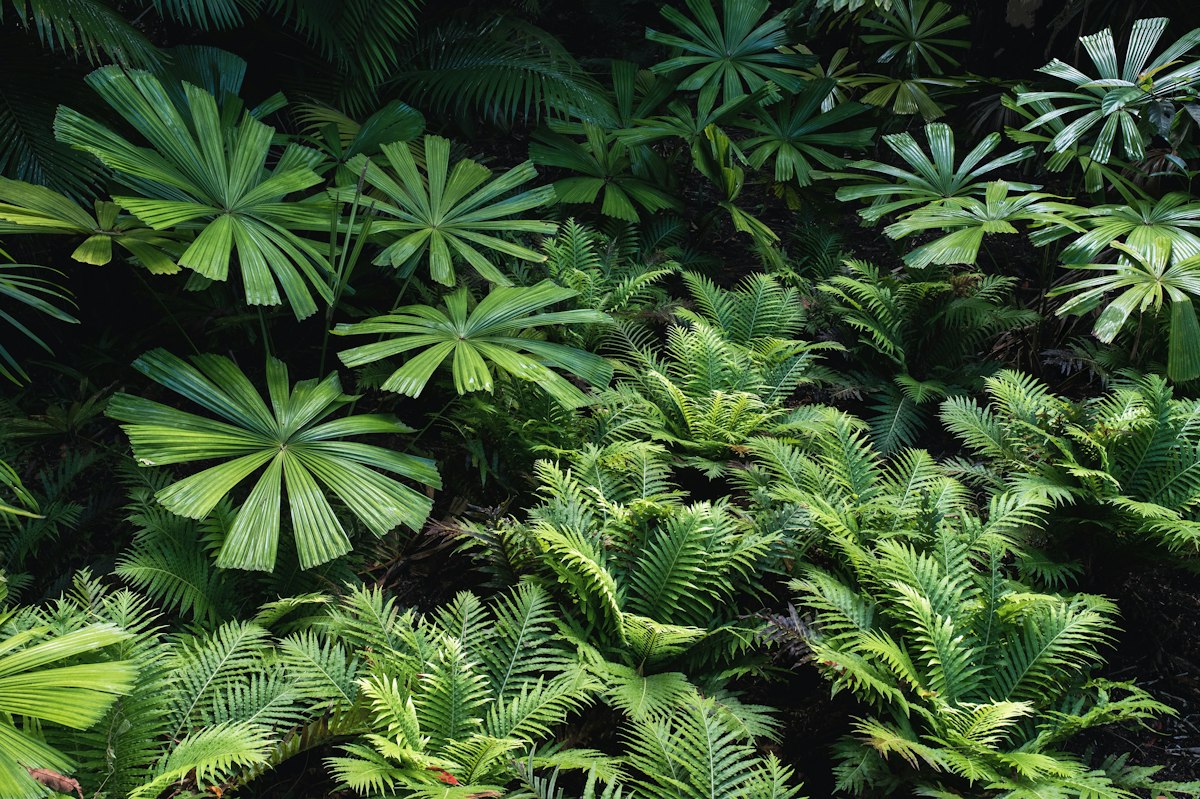
Yellow leaves on a houseplant look alarming, but they are usually a message, not a death sentence. The plant is telling you that something in its water, light, or food is off. A few yellow leaves on an otherwise healthy plant are often normal aging.
Sudden yellowing across many leaves at once is a distress signal worth acting on.
The hard part is that many problems look alike. Overwatering, underwatering, low light, and missing nutrients can all turn leaves yellow. This article explains the water-light-nutrient triage, including the water check, the light check, and the nutrient check, plus pests, pots, and drafts.
What yellow leaves mean
Leaves are green because of chlorophyll, the pigment plants use to turn light into energy. When a plant is stressed, it can pull resources out of a leaf and let it go. The leaf loses chlorophyll, turns yellow, and drops.
That is why a fully yellow leaf will not turn green again, even after you fix the problem. Better Homes and Gardens notes that once a leaf has lost its chlorophyll, the fix is new growth, not a rescue of the old leaf.
One or two yellow lower leaves are often just the plant making room for new foliage. The plant sheds its oldest leaves first. The pattern matters more than the count.
Yellowing that starts at the bottom and moves up tells a different story from yellowing that starts at the tips or between the veins.
Start with the water check
Water is the first thing to check because it is the most common cause and the fastest to test. Push a finger about an inch into the soil. If the soil feels wet and the leaves are soft and yellow, the plant is probably getting too much water.
If the soil feels dry and the leaves are crisp or curled, it is probably getting too little.
Overwatering is the bigger risk of the two. Soggy soil pushes air out of the root zone, and roots need oxygen. Roots sitting in wet soil can rot, and rot makes the whole plant turn yellow.
If the soil smells sour or the pot feels heavy with water, stop watering and let the soil dry out. Make sure the pot has drainage holes and that water is not pooling in the saucer.
Underwatering shows a different feel. Leaves turn yellow at the tips and edges first, then go dry and crispy. A plant that is thirsty will often perk up within hours of a good drink.
Water slowly until it drains from the bottom, then empty the saucer so the roots are not left standing in water.
If you want to rule out root rot, gently slide the plant out of its pot and look at the roots. Better Homes and Gardens describes the test plainly: black, soft roots suggest the plant may not recover, while firm, white roots mean it can still revive with care. Cut away any black, mushy roots with clean scissors and repot in fresh, well-draining soil.
Light: too much or too little
Light comes second in the triage because it is easy to judge and easy to fix. Most houseplants want bright, indirect light. A spot right against a south-facing window can scorch leaves, leaving yellow or bleached patches.
A dark corner starves the plant of the light it needs to make chlorophyll, so leaves go pale and yellow.
Watch where the yellowing appears. Leaves facing away from the window, or on the shaded side of the plant, often yellow first when light is short. Move the plant closer to a bright window, but keep it out of harsh midday sun.
A sheer curtain softens direct sun without blocking it. Turning the pot a quarter turn each week keeps growth even, since the side facing the window always grows fastest.
Seasonal light changes matter too. A plant that was happy in a spot all summer can struggle there in winter, when days shorten. If your home gets dark in winter, a simple grow light on a timer can close the gap.
Herbs on a kitchen windowsill face the same trade-off, since a windowsill that is bright in June can be dim in January.
Nutrients: read the pattern
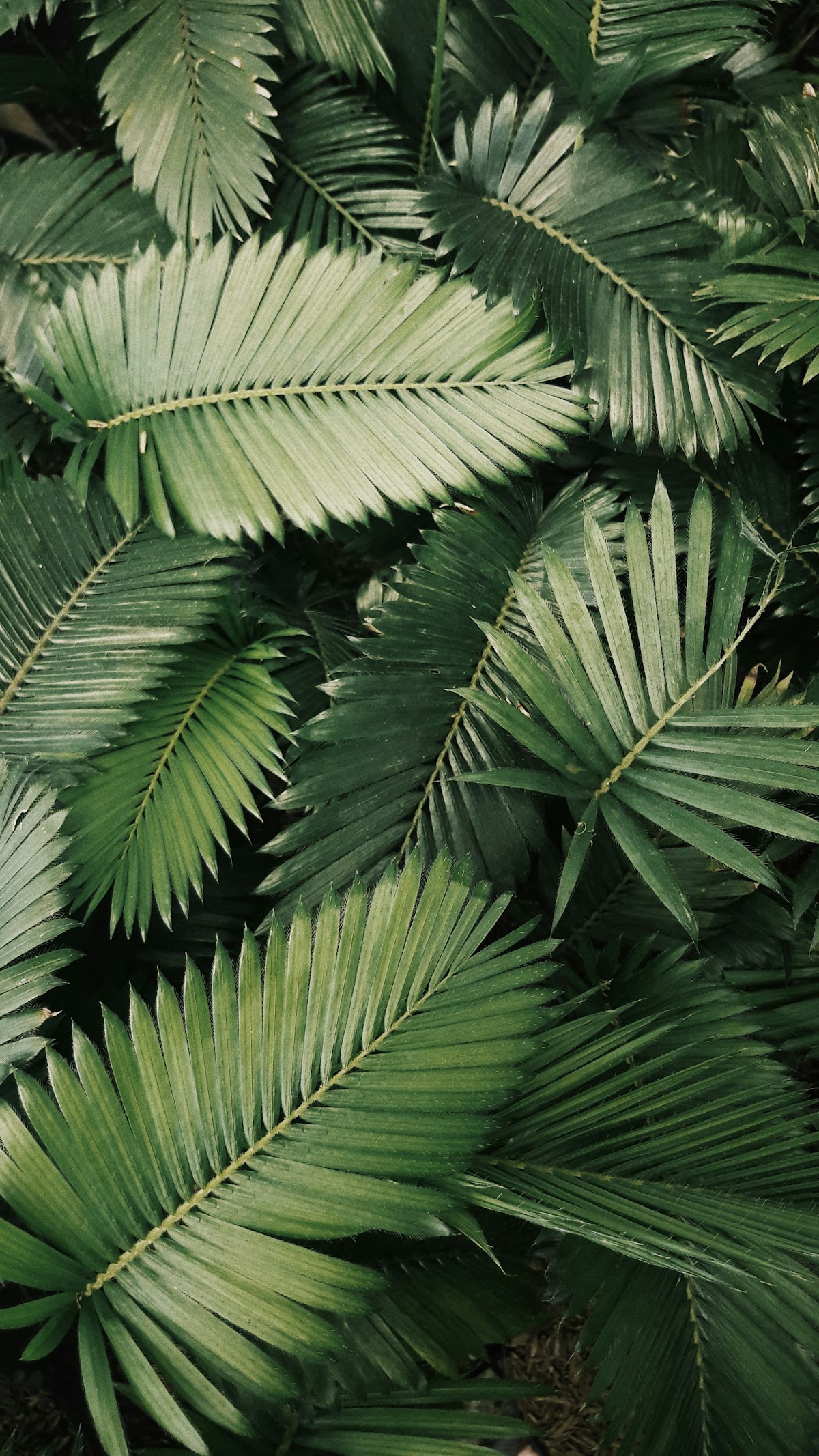
If water and light check out, nutrients are next. Plants need nitrogen, phosphorus, and potassium in the largest amounts, plus smaller amounts of iron, magnesium, and zinc. Each shortage paints a different pattern on the leaves, and the pattern is the clue.
Nitrogen shortage usually yellows the older, lower leaves first. Nitrogen moves around inside the plant, so the plant pulls it from old leaves to feed new growth. Better Homes and Gardens points to fertilizer labels for the fix: the three numbers on a bag, such as 4-2-2, show the ratio of nitrogen, phosphorus, and potassium.
A fertilizer where the first number is equal to or higher than the other two supplies more nitrogen.
Iron shortage looks almost opposite. Young leaves at the tips of stems turn yellow while the veins stay green. Iron does not move well inside the plant, so new growth shows the shortage first.
A single dose of a houseplant fertilizer that contains iron usually clears this up, but check the label, since not every fertilizer includes it.
Magnesium or zinc shortage tends to yellow leaves near the main stalk on branching plants. Magnesium shortage often shows as yellowing between the veins of older leaves. A balanced houseplant fertilizer that lists these nutrients on its label covers most cases.
Feed during the growing season, spring and summer, and ease off in fall and winter when growth slows.
Too much fertilizer can cause yellowing as well. Excess salts build up in the soil and burn the roots. If you feed often and the leaf tips are brown and crispy, flush the soil with a large amount of water and skip the next feeding.
Fresh potting soil also helps, and starting a compost bin gives you a slow, gentle food source for potted plants.
Pests, pots, and other causes
Pests are a common cause that people miss because the damage starts small. Spider mites, aphids, and mealybugs feed on leaf sap and leave yellow speckles behind. Check the undersides of leaves and the joints where leaves meet stems.
For a light infestation, rinse the leaves in the shower. After the plant dries, treat with neem oil or insecticidal soap once a week until the pests are gone.
The pot itself can be the problem. Roots poking out of the drainage holes mean the plant is pot-bound and needs a bigger container with fresh soil. A pot with no drainage holes is a slow flood: water has nowhere to go, and the roots stay wet.
Repot into a container with holes, and use a mix that drains freely.
Temperature stress and drafts round out the list. Most houseplants sit happily between 65 and 75 degrees Fahrenheit, or about 18 to 24 degrees Celsius, according to guidance cited from the University of Minnesota Extension. A plant beside a heating vent, an air conditioner, or a drafty door can yellow fast.
Move it to a spot with steady, mild air.
Transplant shock deserves a mention too. Changing the soil or moving a plant to a new spot can yellow leaves for a week or two. Gardening Know How notes that even moving a tropical houseplant to a new location can trigger leaf drop.
If the yellowing starts right after a move or a repot, give the plant stable conditions and time before you change anything else.
The triage: a five-minute fix order
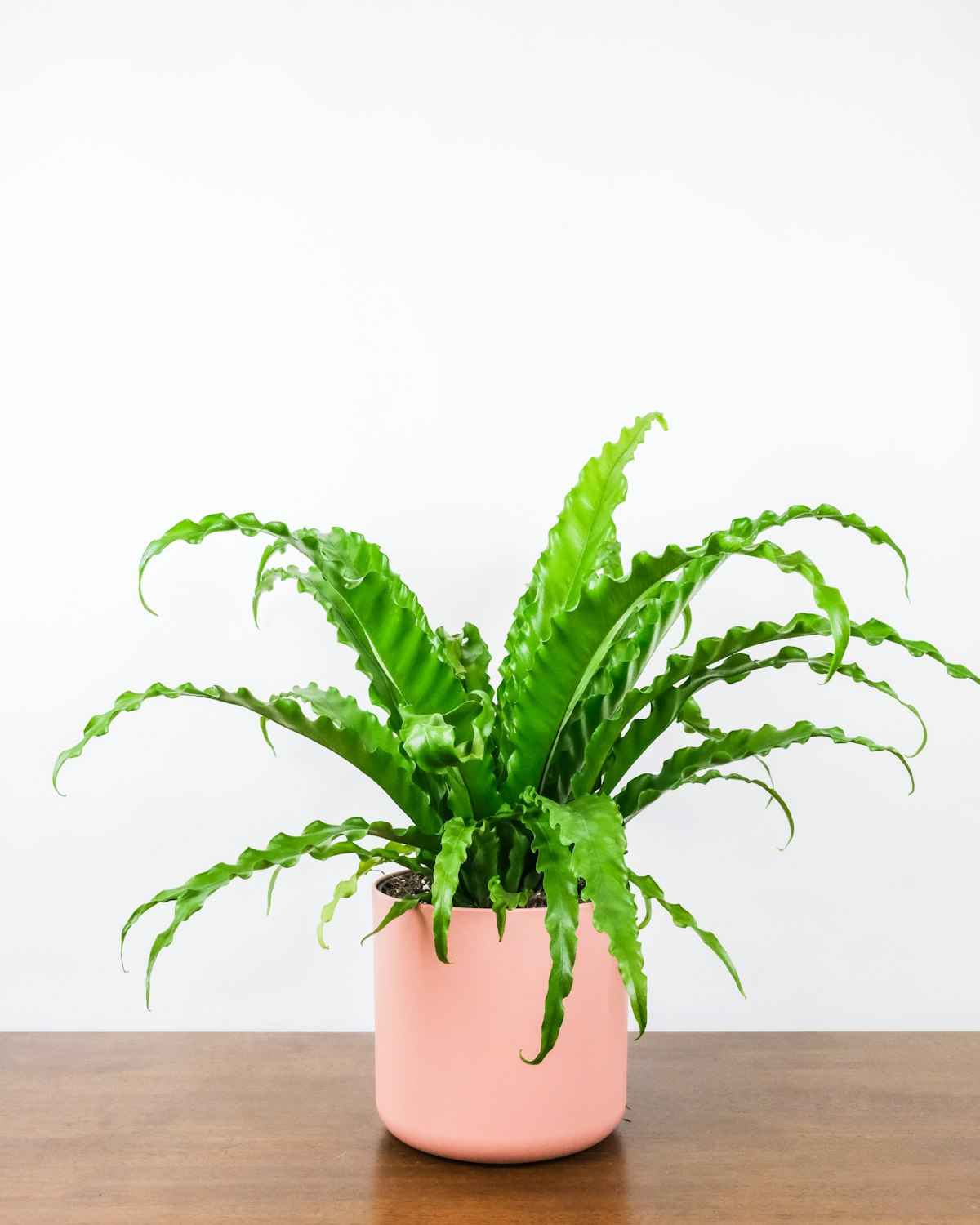
Work through the causes in order instead of guessing. The order saves time because each step rules out the most likely problem first.
- Check the soil an inch down. Wet and yellow means hold off on water. Dry and crispy means water deeply.
- Check the light. Move the plant to bright, indirect light and away from vents and drafts.
- Read the pattern. Old leaves first points to nitrogen. Young leaves with green veins point to iron, and yellowing between veins points to magnesium.
- Check for pests under the leaves and at the stem joints.
- Check the pot. Roots out of the drainage holes mean repot. No drainage holes mean switch pots.
Write down what you changed and when. Plants respond slowly, and a note stops you from changing three things at once and never learning which one worked. New growth is the sign that the fix took.
A tomato in a pot on a balcony rewards the same patience, since container plants all live or die by their water and light.
FAQ
Should I remove yellow leaves from a plant?
Yes, in most cases. Removing yellow leaves improves the look of the plant and can encourage new growth. If the leaves are yellowing from age, they will fall off on their own anyway.
Can yellow leaves turn back to green?
No. A leaf that has turned fully yellow has lost its chlorophyll and will not green up again, even once the cause is fixed. Healthy new leaves are the sign of recovery.
How do I tell if yellow leaves are from underwatering?
Underwatered leaves usually look wrinkled, curled, and crispy, sometimes with brown spots at the tips. Overwatered leaves feel soft and limp, and the soil stays wet.
Do succulents turn yellow for the same reasons?
Mostly, yes, but they are far more sensitive to overwatering. Their thick leaves store water, and too much water can make the leaf cells swell and rupture. Stop watering, then start again only when the top inch of soil is dry.
The bottom line
Yellow leaves are a symptom with a short list of usual causes: water, light, nutrients, pests, or the pot. Check water first, then light, then read the leaf pattern for nutrient clues. Fix one thing, wait, and watch for new growth.
That is the whole method, and it works on nearly every houseplant.
Tags: houseplants, plant care, yellow leaves, watering
Latest in Gardening
- Grow tomatoes in pots on a balcony
- Start a compost bin without the smell
- Grow herbs on a kitchen windowsill
- Keep slugs off vegetables without chemicals
Subscribe for one practical plant-care tip each week, no spam.
Related stories

What Is Companion Planting and Does It Work?
Marigolds work as a nematode cover crop, but the basil flavor claim failed repeated tests. An honest evidence review of what companion

Determinate vs. indeterminate tomatoes: growth, pruning, and harvest differences
Determinate tomatoes grow to a set size and ripen all at once, while indeterminate types vine all season. That one difference shapes

How to improve clay soil for gardening
Gypsum will not fix ordinary clay soil, say extension experts. What actually works: 2 to 3 inches of compost, mulch, better drainage,