
How to keep herbs fresh longer in the fridge
Key takeaways
- Soft herbs (parsley, cilantro, dill, mint) last longest standing in a jar with about an inch of water, loosely covered, in the fridge: up to two weeks.
- Hardy herbs (rosemary, thyme, oregano, sage) prefer a barely damp paper towel wrap in a sealed container in the fridge.
- Basil is the exception: fridge temperatures below about 50 F damage its cells and turn leaves black. Keep basil at room temperature in water.
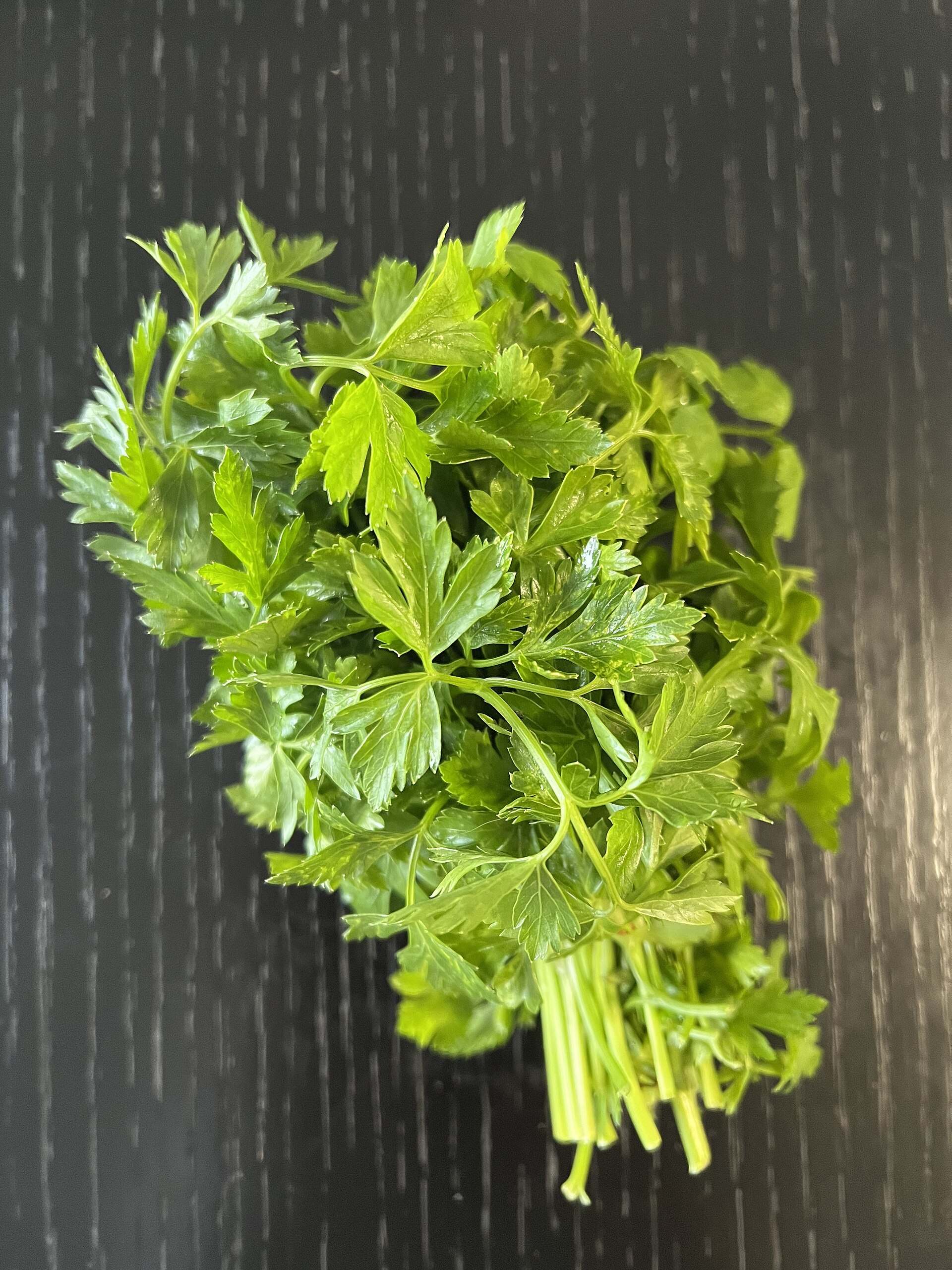
A bunch of herbs bought for one recipe usually turns to slime in the fridge within four or five days. Most of that waste comes from one mismatch: the storage method fights the herb's nature. Leaves lose water to dry fridge air. Fixes that stop drying can trap too much moisture and invite mold. The right balance depends on the herb.
This article explains the two main storage methods, shows which herbs belong to which group, covers the basil exception, and adds the freezing method for herbs you will not use within a week.
Soft herbs: the water jar method
Treat soft, leafy herbs like fresh flowers. Parsley, cilantro, dill, and mint have tender stems that keep drinking water after cutting. Kitchen Stories recommends trimming the stem ends, placing the bunch in a glass with about 2 to 3 cm (1 inch) of water, and refrigerating it. If the glass is tall enough, cover it loosely with a plastic bag. This shields the leaves from shifting fridge temperatures. This keeps soft herbs fresh for up to 2 weeks.
Change the water every few days, the way you would for cut flowers. Old water breeds bacteria, and bacteria are what turn the stems slimy. According to Gardyn, cilantro stored this way keeps for 2 to 3 weeks, versus just 3 to 5 days when thrown loose into the crisper drawer. The difference is not the cilantro's nature. It is the storage method.
Life with Ryan gives the same recipe in three steps: trim the stems, stand them in about an inch of water, and loosely cover the tops with a plastic bag. Store the jar in the fridge and change the water every few days, and the herbs stay usable for up to two weeks.
Hardy herbs: the damp paper towel method
Woody herbs play by different rules. Rosemary, thyme, oregano, and sage come from warmer climates and have a sturdier, lower-moisture structure. For them, the water jar adds too much moisture, which leads to mold rather than freshness, according to Food World News.
The better method is a damp paper towel wrap. Lay the herbs in a single layer on a paper towel that has been run under water and wrung out fully. The towel should feel damp, not wet. Roll the herbs gently inside. Transfer the bundle to an airtight container or resealable bag, and refrigerate. Done right, this keeps hardy herbs fresh and fragrant for two to three weeks.
The Kitchn tested five storage methods side by side. The damp paper towel in a zip-top bag was the clear winner, rated 9 out of 10. After a week in the fridge, the test parsley looked as fresh as the day it was bought, with almost no spoilage. The tester's key tip: wring the towel until no water squeezes out. Damp keeps leaves alive. Wet breeds mold.
Basil: keep it out of the fridge
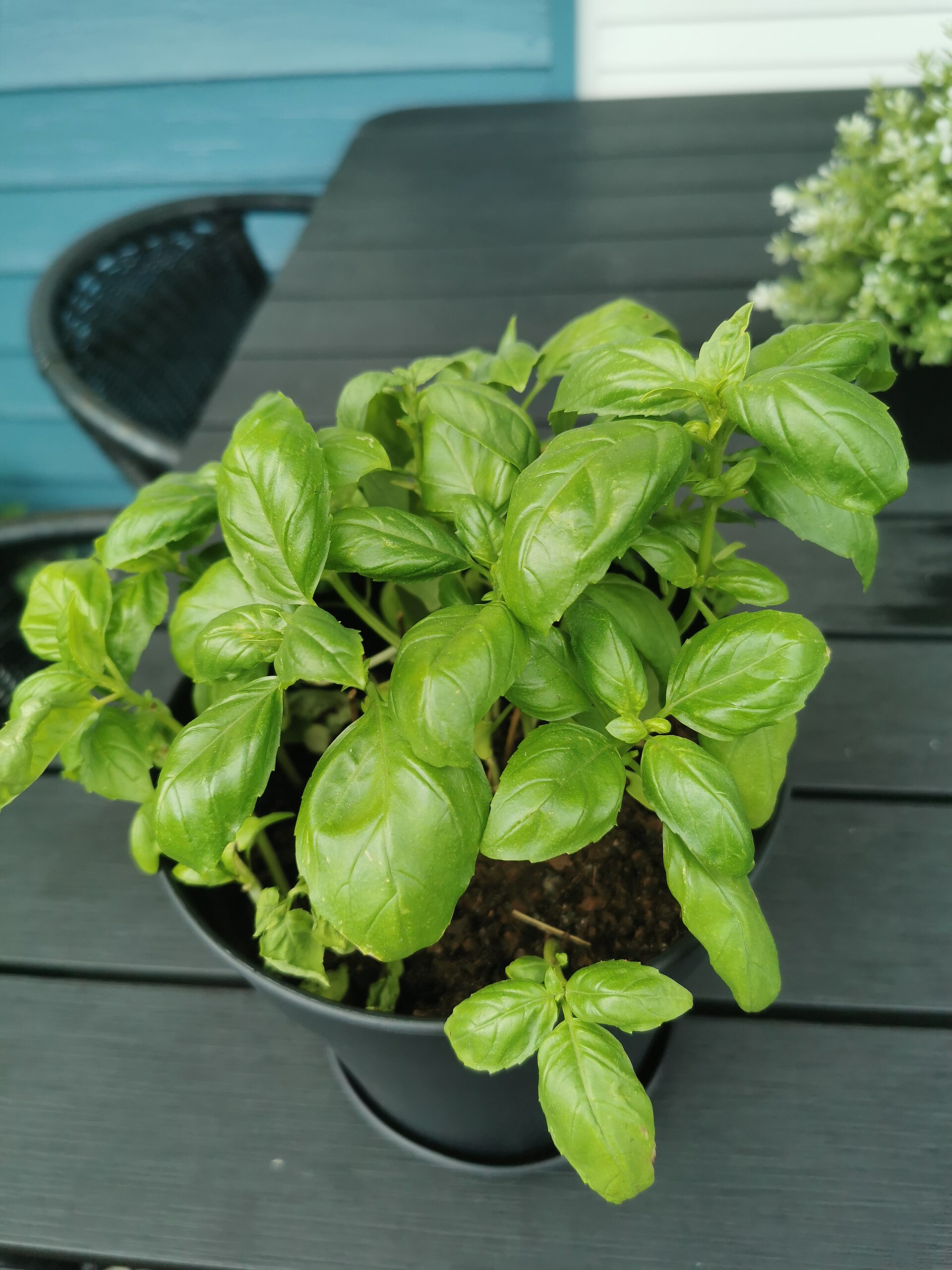
Basil is the famous exception. It is a tropical plant that suffers cell damage below about 50 F. A standard fridge runs at 35 to 40 F. The cold breaks the leaf cells and releases polyphenol oxidase, the same browning enzyme behind brown apples. The result is the black, wilted basil every cook has found in the crisper drawer.
Keep basil in a glass with a little water at room temperature, away from direct sunlight and drafts. Change the water regularly, and it stays fresh and aromatic for up to a week without ever touching the fridge. Do not refrigerate it, even briefly. The cold damage is what you are trying to avoid.
Freeze what you will not use in a week
If a bunch is too big to cook through, freezing beats composting. The ice cube tray method works for almost any herb: chop finely, pack loosely into the tray sections, and cover each section with water or olive oil before freezing. Once solid, move the cubes to a labeled freezer bag. They keep for up to three months.
Freezing in olive oil has a bonus: you get an herb-infused oil that goes straight into the pan for sauteing or roasting, adding flavor and cooking fat in one step. This works especially well with rosemary, thyme, and sage, according to Food World News. For dill and parsley used in larger amounts, a flat freeze also works: spread in a single layer on a parchment-lined tray, freeze until solid, then bag. The pieces break apart easily and hold their shape better than chopped cubes.
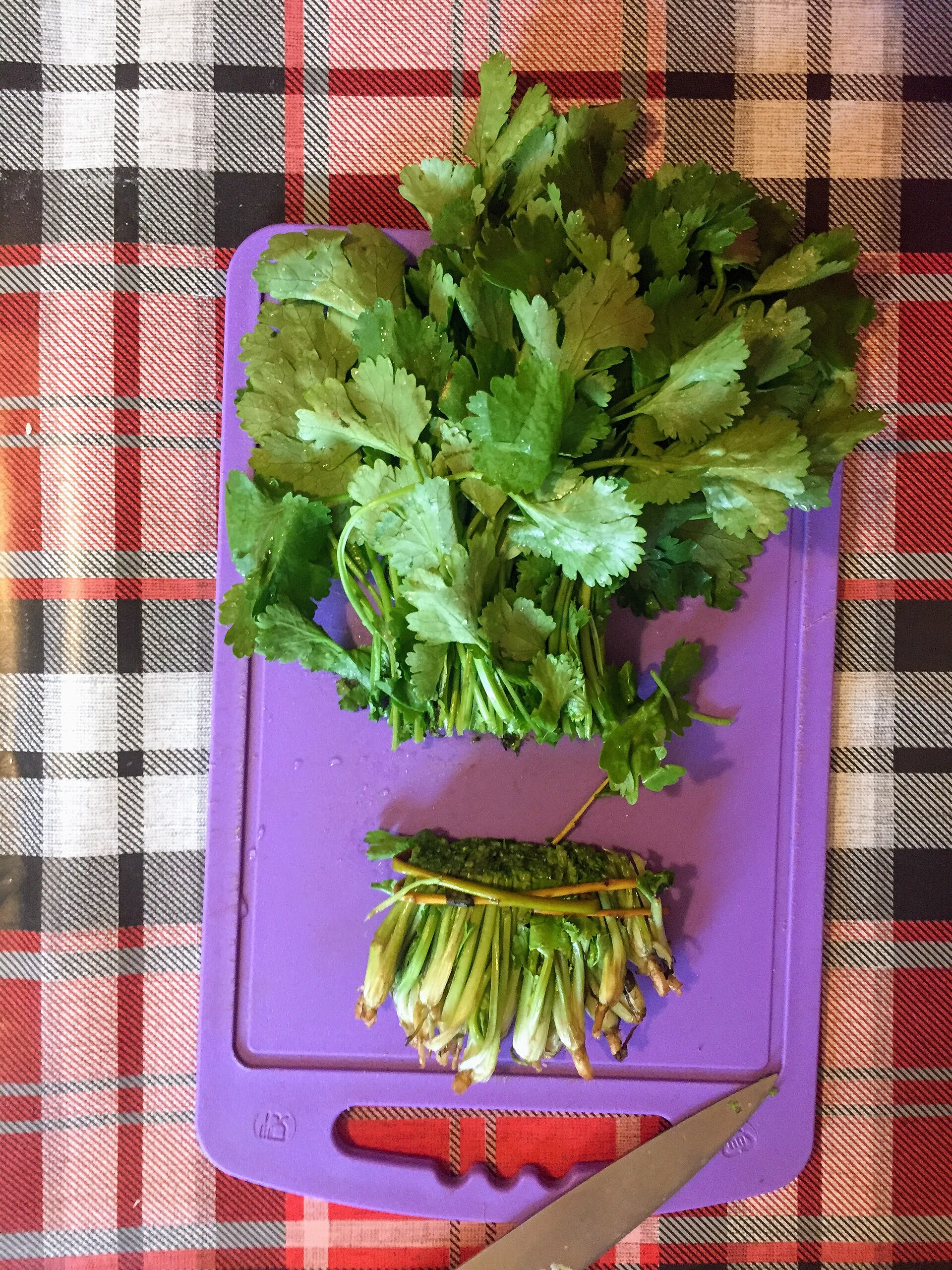
One warning from Gardyn: do not freeze basil as whole leaves. They turn black and mushy when thawed. For basil, blend with olive oil, freeze the mixture in trays, and use the cubes in cooked dishes. For fresh uses like caprese, nothing replaces fresh leaves.
Start clean: the prep that makes everything work
Whatever method you choose, prep matters. Throw away wilted and yellow leaves before storing. One rotting leaf spreads moisture and microbes to the rest. Trim about an inch off the stem ends with a sharp knife so the herbs can take up water cleanly. Rinse only if the herbs are dirty, and dry them fully in a salad spinner or between paper towels before the damp-towel wrap. Trapped surface water is the main cause of early slime.
Also, do not store herbs in the coldest part of the fridge. The back wall often runs cold enough to freeze tender leaves, and frozen-then-thawed herbs are finished. The crisper drawer or a middle shelf is the safer spot.
FAQ
How long do fresh herbs last in the fridge?
With proper storage, soft herbs in a water jar keep up to 2 weeks, and hardy herbs in a damp towel keep 2 to 3 weeks. Thrown loose into the crisper, most bunches die in 3 to 5 days.
Why does basil turn black in the refrigerator?
Basil is a tropical plant harmed by cold. Fridge temperatures around 35 to 40 F break its leaf cells, releasing enzymes that form dark melanin compounds. Store basil at room temperature in water instead.
Can you freeze fresh herbs?
Yes. Chop and freeze in ice cube trays with water or olive oil, or flat-freeze in a single layer on a tray. Use within 3 months. Frozen herbs work best in cooked dishes, where texture changes do not matter.
Should you wash herbs before storing?
Rinse only if needed, and dry fully before storage. Extra surface water speeds decay. For the water jar method, the stems drink from below while the leaves stay dry above.
The bottom line
Fresh herbs die from two opposite causes: drying out or drowning. Soft herbs need the water jar. Hardy herbs need the barely damp towel. Basil needs the counter, not the fridge. Match the method to the herb, keep the towel damp rather than wet, and freeze the surplus. A five-minute setup after the grocery trip turns a four-day bunch into a two-week ingredient.
Rive News's research desk covers food science and grocery literacy.
Latest in food
- Difference between baking soda and baking powder
- Why bread goes stale faster in the refrigerator
- Why honey crystallizes and whether it is still good
- Why frozen meat must thaw in the fridge, not on the counter
Subscribe for one practical food explainer every week.
Related stories

Why Does Bread Go Stale Faster in the Refrigerator?
Bread goes stale faster in the fridge because starch recrystallizes fastest near 4°C. Here is the retrogradation science and the right way

Baking soda and baking powder: what's the difference?
Baking soda is pure sodium bicarbonate; baking powder adds two dry acids for double-acting lift. Learn when to use each, plus exact

What Is the Maillard Reaction in Simple Terms?
The Maillard reaction is the browning chemistry between amino acids and sugars above 140 C that creates the crust, color, and rich flavor