
Why frozen meat needs to thaw in the fridge, not on the counter
Key takeaways
- Meat on the counter sits for hours in the USDA danger zone of 40°F to 140°F. There, bacteria can double every 20 minutes.
- The USDA lists three safe thawing methods: the refrigerator, cold water, and the microwave. Cooking straight from frozen is a fourth option.
- Fridge thawing takes about 24 hours per 4 to 5 pounds. Meat thawed in the fridge can be refrozen safely.
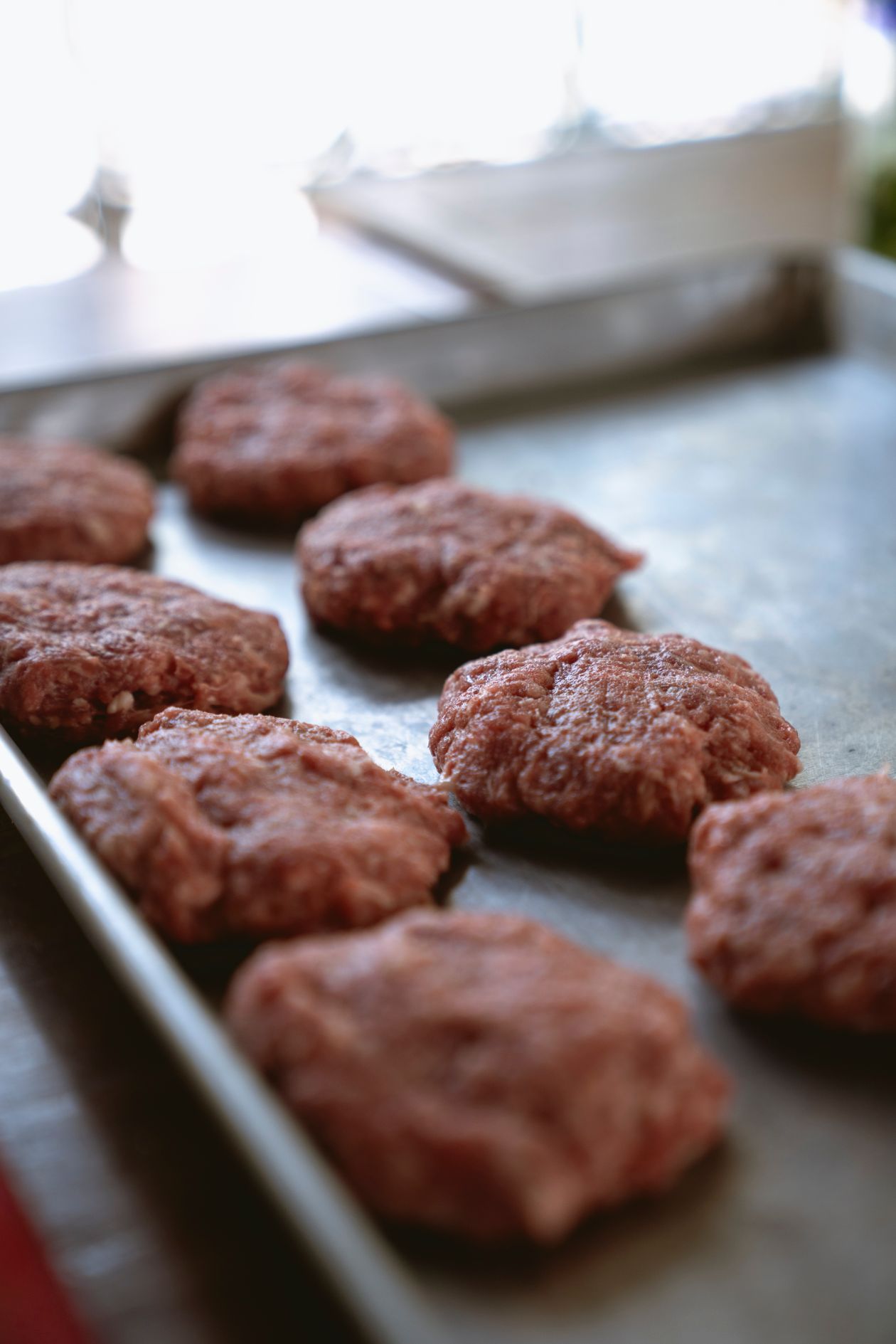
Never thaw meat on the counter. Thaw it in the fridge instead. The fridge keeps the meat cold the whole time, and cold stops bacteria from growing fast.
The counter feels faster, but it is the riskier choice. The USDA (the US Department of Agriculture, which sets food safety rules) warns against counter thawing. The outside of the meat warms up while the inside is still frozen solid, and that is where the danger starts.
This article explains why frozen meat must thaw in the fridge. It covers what happens during counter thawing, the USDA danger zone, the four safe methods, how long fridge thawing takes, whether refreezing is safe, and the mistakes to avoid.
What happens when meat thaws on the counter
A frozen package of meat on the counter looks harmless. But thawing is not even. The thin outer layers defrost first, and they can sit at room temperature for hours while the center stays frozen.
That uneven thaw is the main problem. The USDA says the center may still be frozen while the outer layer enters the "Danger Zone" between 40°F and 140°F, where bacteria grow very fast.
Once meat warms past 40°F, the bacteria already in it start multiplying again. This is from the USDA's Big Thaw guidance. Freezing keeps food safe for as long as you like, but it does not kill the bacteria. Thawing wakes them up again.
Home kitchens raise plenty of small food-safety questions, from how to tell if eggs are still good using a water test to how to handle a thawing roast. The answer here is simple: the counter is not a thawing method.
The USDA danger zone, explained
The danger zone is the temperature range from 40°F to 140°F (4°C to 60°C). In this range, harmful bacteria like Salmonella and E. coli grow fast. Salmonella and E. coli are germs that can cause food poisoning.
USDA Food Safety and Inspection Service data puts a number on that speed. Bacteria in the danger zone can double in as little as 20 minutes. That means one bacterium becomes 64 in two hours, and the growth keeps speeding up.
That speed is why time matters as much as temperature. Perishable food should not spend more than two hours total in the danger zone, says the USDA. Perishable means food that can spoil, like meat and dairy. When the air around the food is above 90°F, the limit shrinks to one hour.
After that window, the USDA's advice is simple: throw the food away. The two-hour limit is the cutoff. This stays true even if you plan to cook the meat well afterward.
Looking or smelling the meat will not tell you if it is safe. You cannot see or smell these bacteria, so temperature and time are your only real guides. The same idea shows up elsewhere in the kitchen, which is why the egg float test says more about an egg's age than its safety.
The 4 USDA-approved ways to thaw meat
The USDA lists three safe thawing methods: the refrigerator, cold water, and the microwave. Cooking food straight from frozen is a fourth option the USDA calls safe. Here is how each one works.
- Refrigerator thawing. Move the meat to the fridge and leave it until fully thawed. The meat stays at 40°F or below the whole time. That steady cold is what makes this the safest of the four methods.
- Cold water thawing. Keep the meat in its wrapper or a leak-proof bag. Sink it in cold tap water, and change the water every 30 minutes. The USDA says to allow about 30 minutes per pound. Cook the meat right after thawing.
- Microwave thawing. Use the defrost setting, then cook the meat right away. Some spots may start cooking during defrosting, which pushes them into danger-zone temperatures. So the USDA says you must cook it immediately after.
- Cooking from frozen. Skip thawing and put the frozen meat straight into the oven, pan, or grill. The USDA says this is safe, but cooking takes at least 50 percent longer than for thawed meat.
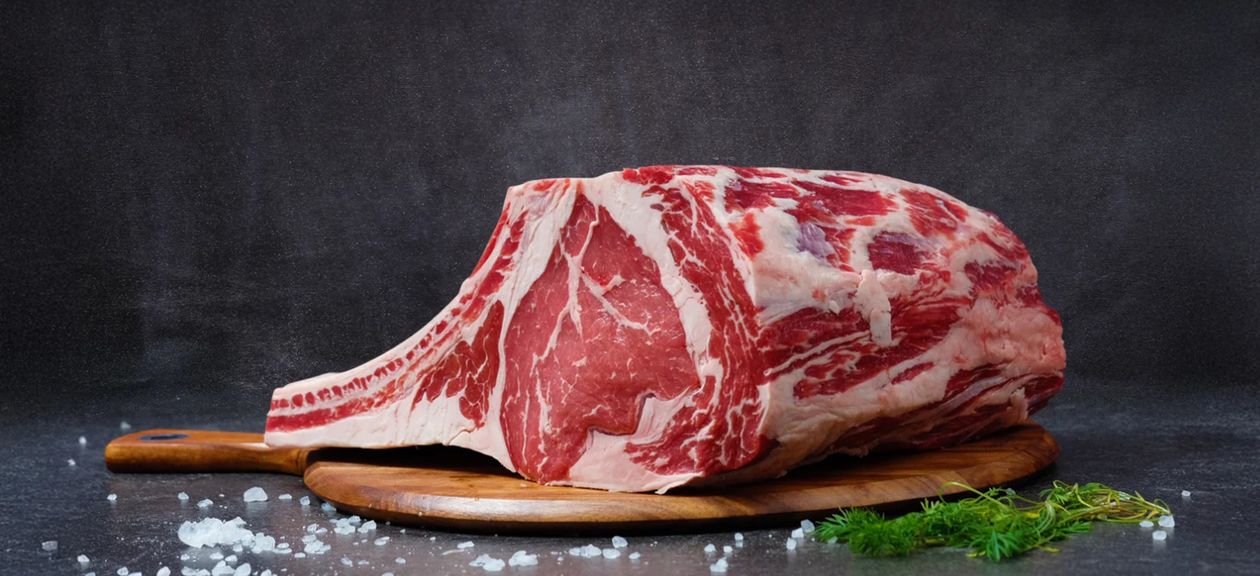
Notice what is missing from the list: the counter, the garage, the porch, hot water, and the back seat of a warm car. The USDA rules all of these out. Its Big Thaw guidance names the garage, basement, car, porch, and outdoors as places to never thaw meat.
How long thawing takes in the fridge
Fridge thawing is slow, and that is the point. The USDA says to allow about 24 hours for every 4 to 5 pounds of meat.
In practice, a pound of ground beef or a few boneless chicken breasts needs a full day. A large roast or whole turkey can need several days. Plan the thaw the way you plan the meal, working backward from dinner time.
Once thawed, the meat is not on a tight countdown. The USDA says fridge-thawed meat stays safe for one to two more days before cooking. That gives you room to change your menu.
Is refreezing thawed meat safe?
Yes, with one condition: how the meat thawed matters. Meat thawed in the refrigerator can be refrozen without cooking first, says the USDA. The agency does note you may lose some quality.
The other methods come with rules. Food thawed in cold water or the microwave should be cooked before it goes back in the freezer.
And meat that sat on the counter should not be refrozen at all. If it sat at room temperature for more than two hours, the USDA says to throw it out.
Common thawing mistakes to avoid
- Thawing on the counter "just for a little while." Two hours is the USDA's total limit at room temperature. A large roast takes far longer than that to thaw. A short head start still eats into the safety window.
- Using hot water to speed things up. Hot water warms the surface into the danger zone while the center stays frozen. The USDA says never thaw meat in hot water.
- Thawing in the garage or on the porch in winter. Cold outdoor air is not a refrigerator. Temperatures swing through the day, and the USDA lists the garage, basement, car, and porch as unsafe thawing spots.
- Refreezing cold-water-thawed meat without cooking it. Only refrigerator-thawed meat can go straight back to the freezer. Meat thawed in water or the microwave needs to be cooked first.
Not every kitchen surprise is dangerous. Crystallized honey is still perfectly good, for example. Counter-thawed meat past the two-hour mark is a different story. The safe move is to throw it out.
Can I use hot water to thaw meat faster?
No. The USDA says meat should never be thawed in hot water. The outside warms into the danger zone long before the inside thaws. That gives bacteria hours to multiply.
How long can thawed meat stay in the fridge before I cook it?
Meat thawed in the refrigerator stays safe for one to two more days before cooking, says the USDA. After that, cook it or freeze it again.
Is it safe to cook meat directly from frozen?
Yes. The USDA says cooking from frozen is safe, but it takes at least 50 percent longer than cooking thawed meat. Use a food thermometer to check that the thickest part is fully cooked.
I left meat on the counter all day. Is it still safe if I cook it thoroughly?
No. The USDA says to throw away perishable food left at room temperature for more than two hours. Its guidance treats the two-hour limit as the cutoff, so when in doubt, throw it out.
This article is for information only and is not medical advice.
Outlook
The fridge rule comes down to one fact: bacteria grow fastest between 40°F and 140°F, and only the refrigerator keeps thawing meat below that range the whole time. Every shortcut, from the counter to hot water to the garage, trades that steady cold for hours in the danger zone.
The practical next step is simple. Move tomorrow's meat from the freezer to the fridge tonight. Let the cold do the work while you sleep. Small kitchen habits add up, from fixing a bitter brew to planning a safe thaw.
If you ever have a question the label cannot answer, the USDA's Meat and Poultry Hotline takes calls at 1-888-MPHotline.
Related stories

Why Does Bread Go Stale Faster in the Refrigerator?
Bread goes stale faster in the fridge because starch recrystallizes fastest near 4°C. Here is the retrogradation science and the right way

Baking soda and baking powder: what's the difference?
Baking soda is pure sodium bicarbonate; baking powder adds two dry acids for double-acting lift. Learn when to use each, plus exact

What Is the Maillard Reaction in Simple Terms?
The Maillard reaction is the browning chemistry between amino acids and sugars above 140 C that creates the crust, color, and rich flavor