
Why coffee tastes bitter and how to fix it at home
Key takeaways
- The number one cause of bitter coffee is over-extraction: water pulling harsh compounds from the grounds.
- Brewing water should sit between 195 and 205 F. Boiling water scalds the grounds and turns the cup harsh.
- Fix it in order: grind coarser, shorten the brew time, then check water temperature and the coffee-to-water ratio.
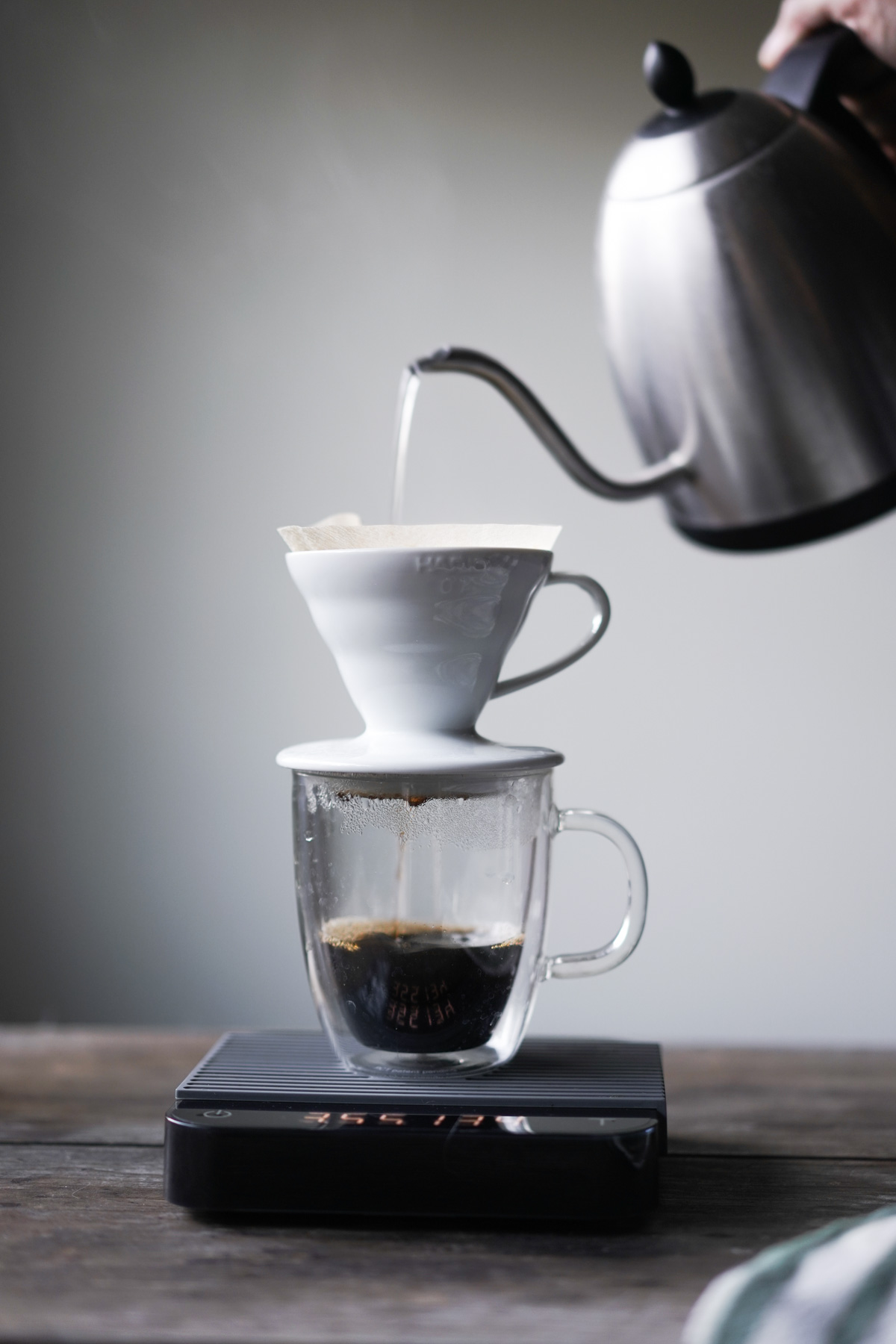
Bitterness in coffee comes from over-extraction, which means the hot water dissolved too much out of the grounds. Coffee contains pleasant acids and sugars that dissolve quickly, plus harsh bitter compounds, like tannins and alkaloids, that dissolve later. When the brew runs too long, too hot, or too fine, those bitter compounds take over the cup.
This article explains why coffee tastes bitter. It covers the three phases of extraction, the brewing mistakes that cause harshness, and the fixes to try in order, from a coarser grind to fresher beans.
What extraction does to your cup
Extraction happens in phases, and the order explains everything about bitterness. According to coffee extraction guides, in the first 30 seconds acidic compounds extract, including citric, malic, and chlorogenic acids, which create brightness and fruity notes. Between about 30 and 90 seconds, sugars and balanced aromatics dissolve, which is the sweet spot where coffee becomes complex and smooth.
After that, bitter compounds start to dominate. Tannins and alkaloids pull out slowly, and once they arrive, the cup turns dry, harsh, and hollow. The Specialty Coffee Association recommends an extraction yield between 18 and 22 percent for balanced flavor, and pushing past that range is what tasters call over-extraction.
This is why bitterness is a brewing problem, not a bean problem. As the iCoffee brewing guide puts it, good beans do not protect a cup from over-extraction, so the fix starts with the brew itself, not a new bag of coffee.
The five causes of bitter coffee
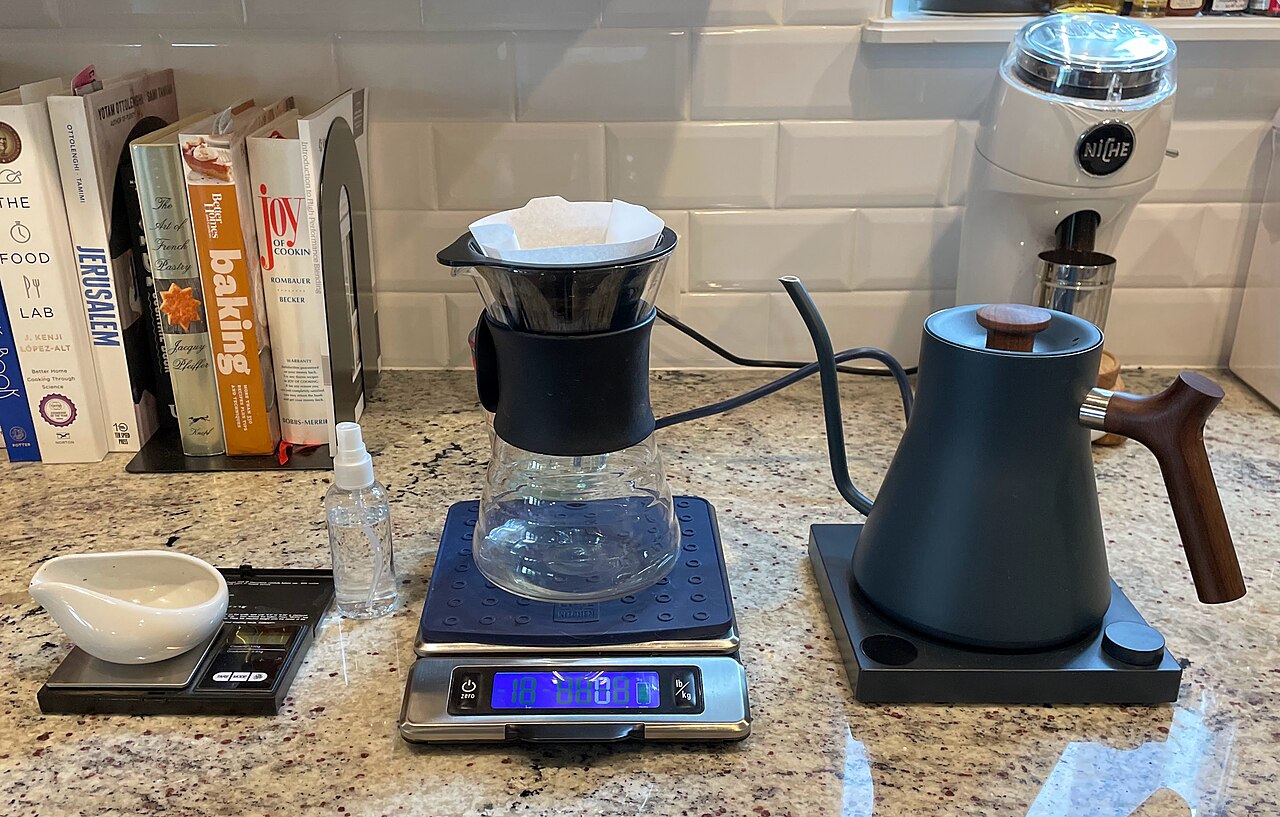
The number one cause of bitter coffee is over-extraction, according to Philly Fair Trade Roasters. When hot water stays in contact with coffee grounds for too long, it pulls compounds out past the point of balance, leaving a harsh, dry bitterness and a hollow, astringent aftertaste.
Water temperature is the second major lever. Brewing water that is too hot extracts bitter compounds quickly, and boiling water at 212 F is too aggressive for coffee. The National Coffee Association says the optimum brewing temperature is between 90 and 96 C, which is 195 to 205 F.
Grind size comes third. A grind that is too fine slows the water down and over-extracts, while a grind that is too coarse under-extracts and turns the cup sour. Matching the grind to the method is the core skill: fine for espresso, medium for pour-over and drip, coarse for French press and cold brew, according to Philly Fair Trade's guide.
The remaining two causes are the ratio and the beans. Too much coffee for the water produces a concentrated, bitter cup, while stale or over-roasted beans are naturally more bitter regardless of technique. Coffee Journal recommends using beans within two to four weeks of roasting and trying a medium roast if dark roasts keep tasting harsh.
Fix it in the right order
Start with the grind, because it is the most common cause. Move one step coarser and taste the result before changing anything else. A single notch on the grinder fixes more bitter cups than any other adjustment, and changing two variables at once makes it impossible to know what worked.
Next, check the brew time against your method. Philly Fair Trade gives these benchmarks: French press at 4 minutes, pour-over at 2.5 to 4 minutes, and espresso at 25 to 30 seconds. If your shot or steep runs past these windows, shorten it and taste again.
Then check the water temperature. If you do not have a thermometer, let boiling water sit for about 30 seconds before pouring, which lands it near the 195 to 205 F target. Bean Box also recommends aiming for 195 to 205 F and notes that water hotter than that scorches the grounds.
Finally, weigh the ratio. Philly Fair Trade recommends a balanced ratio of 1:15 to 1:17 coffee to water by weight, and Coffee Journal suggests backing off toward 1:17 or 1:18 if the cup still tastes heavy. A kitchen scale removes the guesswork and makes every later tweak repeatable.
When the beans or the gear are the problem
If the cup is still bitter after the brew is dialed in, look at the beans. Roasting breaks chlorogenic acids down into phenylindanes, the compounds behind a harsh, lingering bitterness, and darker roasts contain more of them, according to the iCoffee guide. Switching to a medium roast of the same coffee will taste less bitter by design.
Freshness matters too. Coffee peaks a few days after roasting, and stale beans develop musty, bitter flavors from oxidation, as the brewing guides note. Check the roast date on the bag rather than the best-before date, and buy amounts you will finish within a few weeks, the same freshness-first habit behind kitchen checks like the egg water test.
Dirty equipment is the quiet culprit. Old coffee oils turn rancid and add bitterness to every brew, so clean the grinder and the brewer on a regular schedule. A bitter taste that survives a fresh bag and careful brewing is often rancid oil, not extraction.
Frequently asked questions
Is bitter coffee over-extracted or under-extracted?
Bitter coffee is over-extracted. The water pulled too much from the grounds, including the bitter compounds that extract last. Sour coffee is the opposite problem: under-extracted, with fixes that run in the opposite direction.
Does dark roast always taste bitter?
No. A good dark roast is bittersweet and toasty, not harsh, according to Bean Box. But if you are used to light roasts, a dark profile can read as bitter even when brewed well, which is a taste mismatch rather than a defect.
Can I fix an already-brewed bitter cup?
A pinch of salt mutes perceived bitterness and sugar masks it, so both can rescue a cup you already brewed, according to the iCoffee guide. They treat the symptom, not the cause, so fix the grind, temperature, time, and ratio for the next cup.
Why does my espresso taste bitter but my pour-over does not?
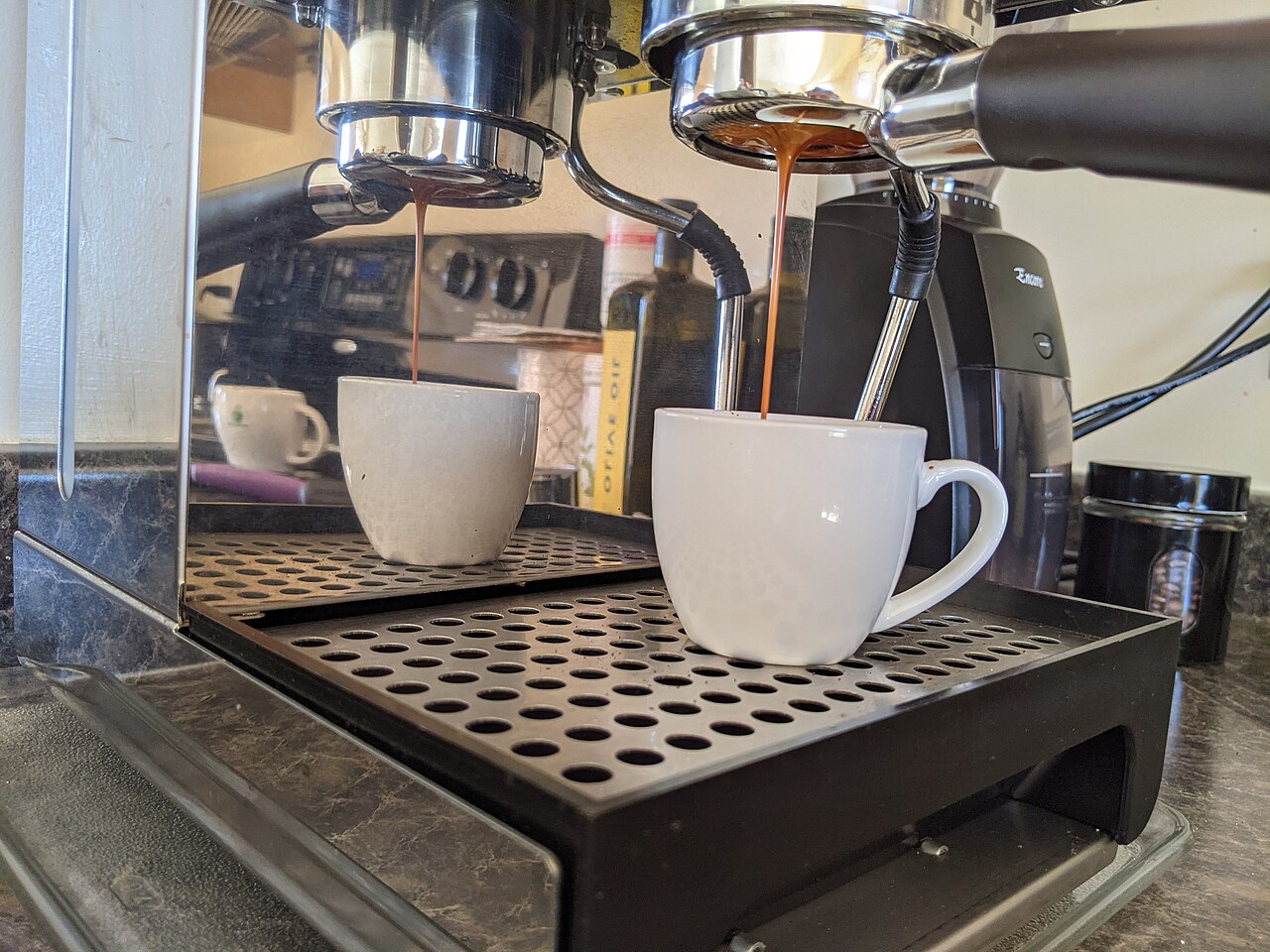
Espresso uses high pressure, a very fine grind, and hot water, which makes it far easier to over-extract than a pour-over. The margin for error is smaller, so a grind setting or shot time that would be harmless in a pour-over can push espresso into bitterness, the iCoffee guide explains.
Is bitter coffee bad for you?
No. Bitterness is a flavor problem, not a safety problem. Over-extracted coffee tastes harsh and drying, but it is not harmful to drink.
Treat a bitter cup as feedback that something in the brew needs adjusting.
The bottom line
Bitter coffee almost always means the water took too much from the grounds: too fine, too hot, too long, or too strong. Work through the fixes in order, grind first, and use the 195 to 205 F temperature band and the 1:15 to 1:17 ratio as your anchors. Once the brew is under control, freshness and a clean brewer keep the next hundred cups tasting the way coffee should, much like keeping pantry staples fresh keeps other kitchen basics, such as honey that crystallizes or meat you thaw safely, at their best.
Related stories

Why Does Bread Go Stale Faster in the Refrigerator?
Bread goes stale faster in the fridge because starch recrystallizes fastest near 4°C. Here is the retrogradation science and the right way

Baking soda and baking powder: what's the difference?
Baking soda is pure sodium bicarbonate; baking powder adds two dry acids for double-acting lift. Learn when to use each, plus exact

What Is the Maillard Reaction in Simple Terms?
The Maillard reaction is the browning chemistry between amino acids and sugars above 140 C that creates the crust, color, and rich flavor