
Why Weeds Return After Pulling: Root Fragment Science
Key takeaways
- Pulled weeds regrow because root fragments, rhizomes, and tubers left underground sprout new shoots.
- Weed seeds can stay viable in soil for 5 to 10 years, waiting for light and disturbance.
- Pulling after rain with the whole root intact, plus mulch, beats repeated yanking in dry soil.
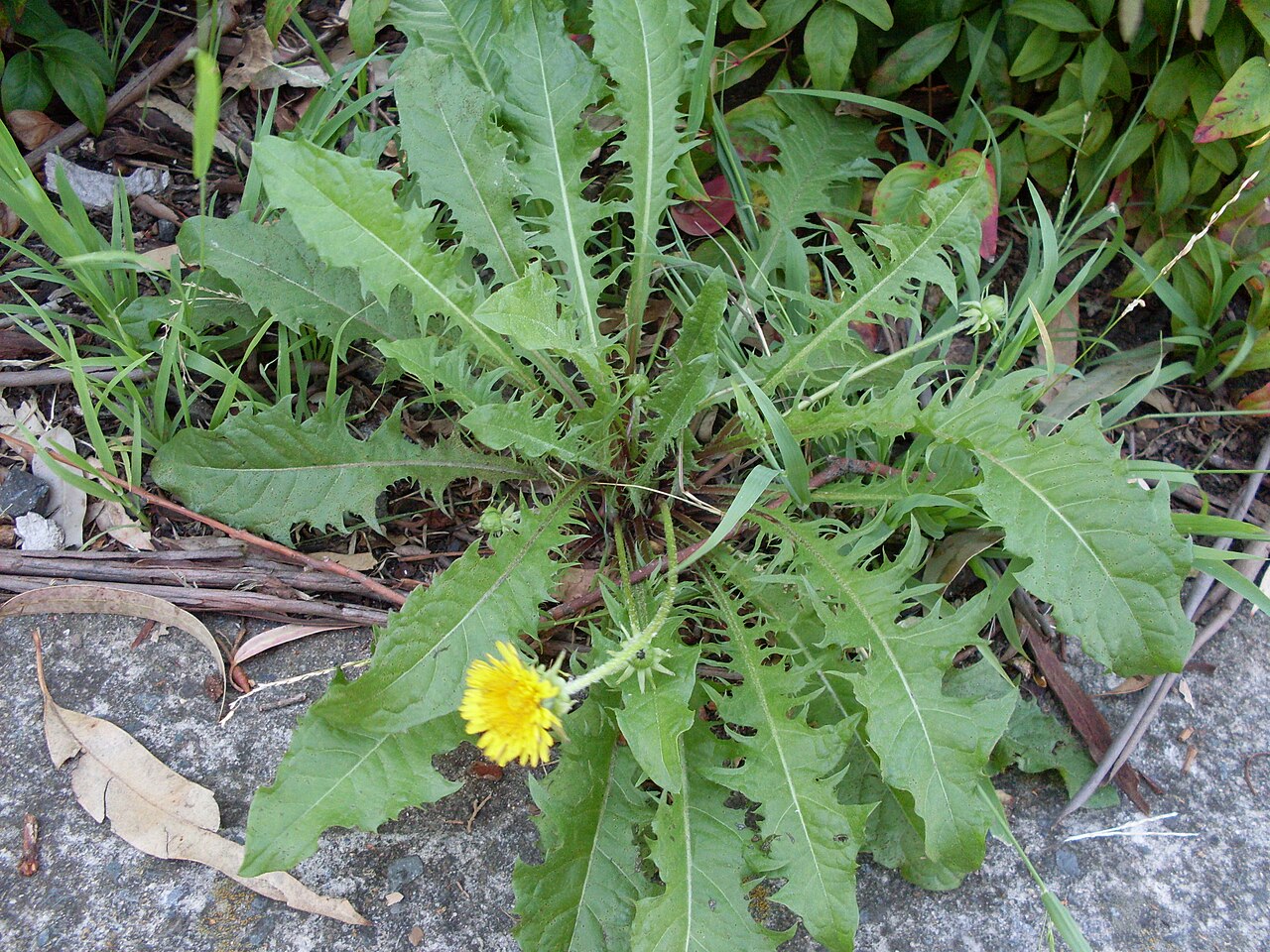
Every gardener knows the ritual: yank the weed, admire the clean soil, and find the same weed back in the same spot a week later It feels personal, but it is just biology
Pulling removes the part of the plant you can see The part that matters for regrowth lives where you cannot see it.
Weeds return for three overlapping reasons: pieces of root or underground stem left behind sprout again, dormant seeds already in the soil germinate, and the disturbance of pulling itself wakes new seeds up. Each mechanism has its own logic, and each demands a different countermeasure.
This article explains why weeds come back after you pull them, including how root fragments regenerate, why the soil seed bank outlasts your efforts, how pulling technique backfires, and what actually breaks the cycle.
The root you left behind is still alive
The satisfying snap of a pulled weed is often the sound of failure. Many perennial weeds keep their real body underground: deep taproots, creeping rhizomes, or tubers packed with stored energy. When the top breaks off, the underground portion simply draws on its reserves and sends up new shoots.
Positive Bloom, drawing on University of California IPM research, describes the mechanism precisely: certain perennial weeds can grow an entire new plant from a small leftover piece of root or underground stem. Field bindweed roots reach many feet deep, far beyond any hand pull. Each broken piece holds buds that can wake up and send new shoots toward the sunlight, and chopping a root into pieces while digging can turn one weed into several.
Yellow nutsedge shows the tuber strategy It spreads mainly through small underground tubers, and a single plant can produce a huge number of them in one season
Leave one tuber behind and a new plant follows Bermudagrass uses spreading rhizomes and stolons to the same end In each case, the underground structure is a pantry: pulling the top just sends the plant back to its stored food.
Japanese knotweed is the extreme case Positive Bloom reports that a chunk of its rhizome smaller than a thumbnail, weighing less than a paperclip, can grow into a new plant
Its rhizomes stretch many feet sideways and several feet down, storing a summer of sunlight as starch Digging it carelessly multiplies it, because every severed piece becomes a starter.
The lesson is not that pulling is useless, but that technique decides the outcome Pulling in moist soil lets roots slide out far more completely than yanking in dry dirt
A narrow weeding tool that gets under the root beats grabbing the top and hoping And for deep-rooted perennials like dandelion and bindweed, removing the entire root system in one piece is the whole game.
The seed bank outlasts your patience
Even perfect pulling cannot touch the second mechanism: the seeds already in the soil. Many weeds produce thousands of seeds per plant, and those seeds can lie dormant for years.
A gardening research roundup notes that common weeds like dandelions and crabgrass carry seeds that survive 5 to 10 years in the soil. Positive Bloom reports that field bindweed seeds can persist for decades.
This is why a cleared bed sprouts fresh weeds within weeks. The Donut Whole explains the speed: crabgrass can complete its entire life cycle, from germination to producing new seed, in as little as 6 to 8 weeks. Any bare soil is quickly reoccupied, because the seeds were already there, waiting for their moment.
Worse, the act of pulling can trigger the next generation Digging and disturbing soil brings buried seeds toward the surface, where light wakes them up
Tilling a weedy patch has the same effect on a larger scale: it kills the surface weeds while planting the next crop of them Gardeners who pull diligently every weekend sometimes wonder why the problem never shrinks; the disturbance itself is part of the answer.
Timing matters enormously Pulling weeds after they have flowered and set seed can scatter fresh seed across the bed as the plant comes out
AgriGem warns that leaving treatment until after flowering guarantees a return, and that weeds pulled in flower can drop seeds during removal The window for pulling is before seed set, every time.
Why pulling technique backfires, and what works instead
Hand pulling fails in predictable ways, and each failure mode has a fix Pulling only the visible top leaves the root system intact; the fix is tools and moist soil for complete extraction
Pulling in dry soil snaps roots; the fix is watering first or weeding after rain Pulling seeded weeds spreads seed; the fix is earlier timing Hoeing chops roots into sprout-ready fragments; the fix is lifting rather than chopping for perennials.
Mulch attacks the seed bank directly. A thick layer blocks sunlight from reaching the soil surface, and since many weed seeds need light to germinate, the mulch keeps a large share of them dormant. It also makes the weeds that do emerge easier to pull with roots intact.
For the worst perennials, persistence beats force Repeatedly removing the top starves the underground reserves over time, because each regrowth spends stored energy the plant cannot fully replace
It is slow, taking a full season or more for bindweed, but it works without chemicals Smothering with light-blocking covers achieves the same starvation faster.
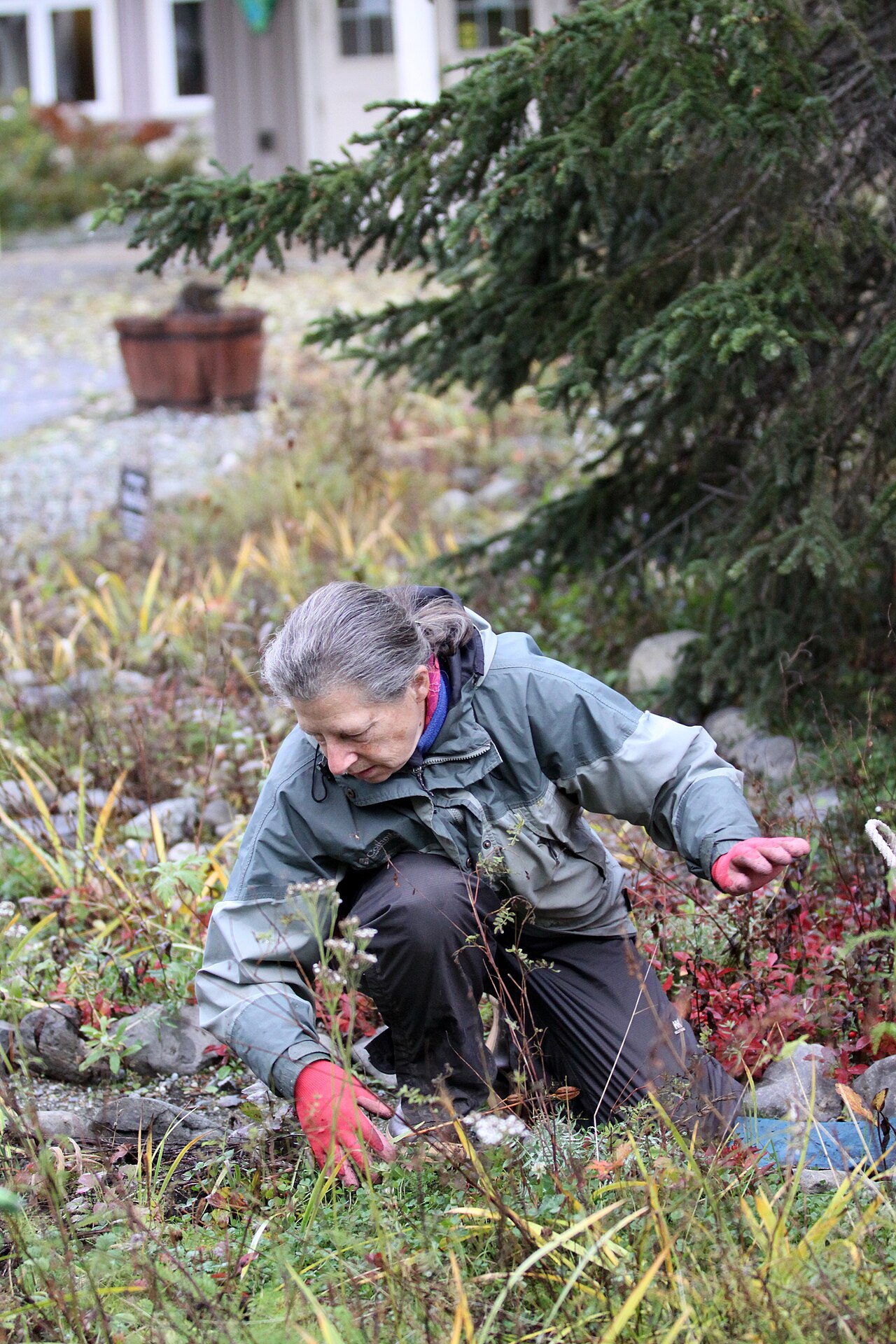
One more principle from the research: never let pulled weeds lie on the soil. Stems left on damp ground can root at their joints, and seed heads continue ripening after pulling. Bag the weeds and remove them, especially knotweed, bindweed, and anything already in flower.
Do weeds grow back stronger after pulling?
They can appear to. When a root breaks into pieces, each piece with a bud can become its own plant, so one weed becomes several. The regrowth also draws on the full energy reserve of the established root system, so the new shoots can emerge faster than a seedling would.
How long do weed seeds survive in soil?
It varies by species. Dandelion and crabgrass seeds commonly survive 5 to 10 years; field bindweed seeds can persist for decades. This is why a single season of diligence rarely ends the problem, and why preventing new seed set matters more than any single weeding session.
Is it better to pull weeds when the soil is wet or dry?
Wet, without question. Moist soil lets roots slide out whole instead of snapping, which is the difference between removing the weed and pruning it. Weeding the day after rain, or after a deep watering, dramatically improves the success rate.
Why do weeds love freshly dug soil?
Freshly disturbed soil is bare, sunlit, and full of newly surfaced seeds. Weeds are pioneer species evolved to colonize exactly such ground faster than anything else. Mulching or planting desired plants immediately after digging denies them the open real estate.
The bottom line
Weeds come back after pulling because pulling is usually incomplete: root fragments regenerate, rhizomes and tubers resprout from stored energy, and a bank of dormant seeds waits in the soil for light and disturbance The fix is not more yanking but smarter removal
Pull before seed set, pull in moist soil with the whole root, mulch to keep the seed bank asleep, and starve the worst perennials with repeated top removal Work with the underground biology instead of against it, and the returns finally slow down.
Latest in Gardening
- Why Do Sunflowers Follow the Sun When Young but Stop When Old?
- Why Do Daffodils Come Back Every Year Without Replanting?
- Why Does Coriander Bolt So Quickly in Summer?
Get one practical garden science explainer in your inbox every morning. Subscribe to the Rive News newsletter.
Related stories
What Is Companion Planting and Does It Work?
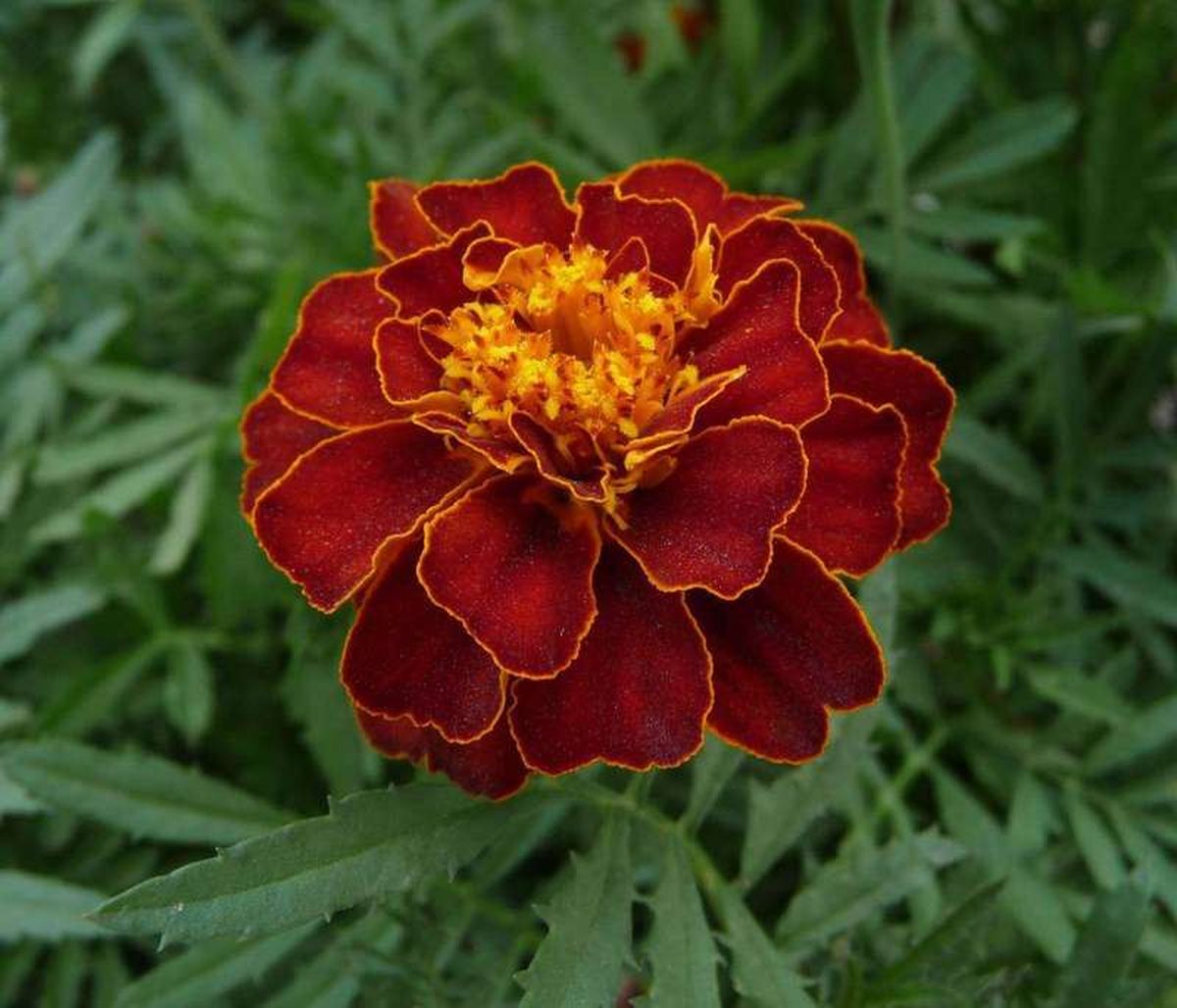
Marigolds work as a nematode cover crop, but the basil flavor claim failed repeated tests. An honest evidence review of what companion
Determinate vs. indeterminate tomatoes: growth, pruning, and harvest differences
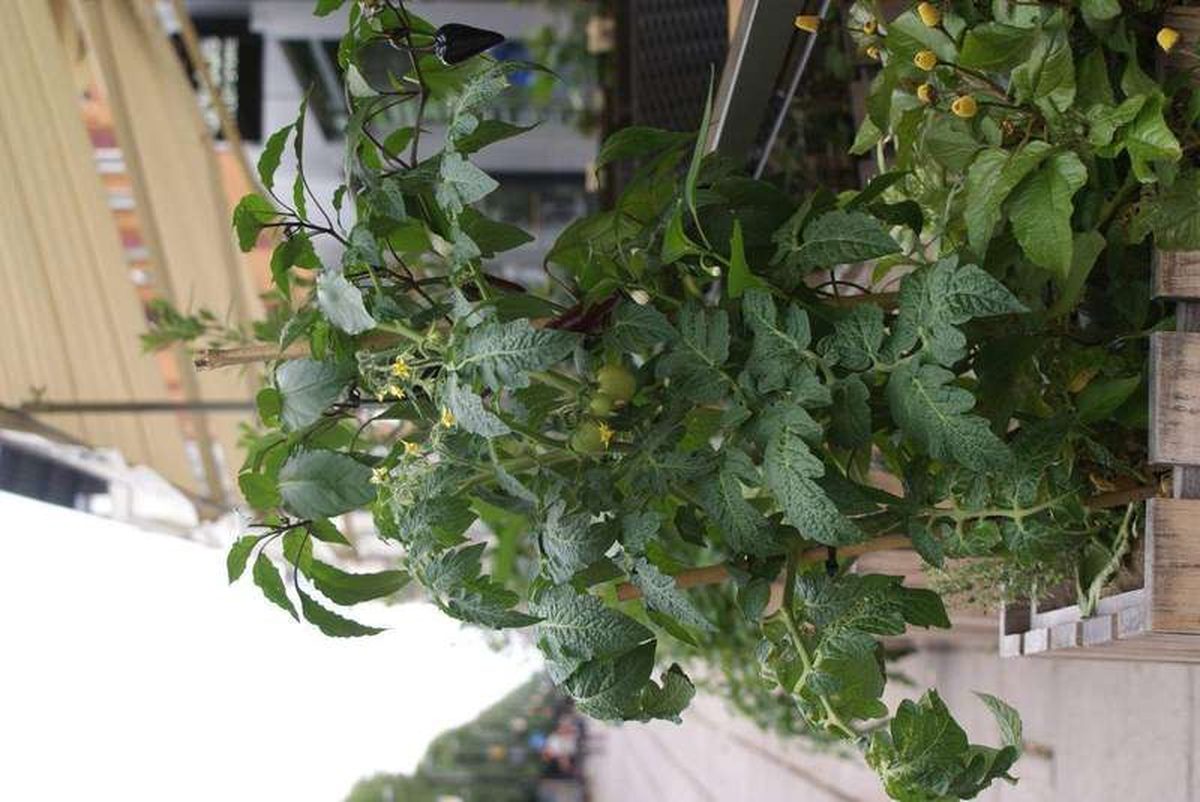
Determinate tomatoes grow to a set size and ripen all at once, while indeterminate types vine all season. That one difference shapes
How to improve clay soil for gardening
Gypsum will not fix ordinary clay soil, say extension experts. What actually works: 2 to 3 inches of compost, mulch, better drainage,