
Why you cough more lying down with a cold, explained
Key takeaways
- Postnasal drip is the main reason: lying flat lets mucus pool at the back of the throat instead of draining downward.
- During the day you swallow roughly every minute; asleep you swallow far less, so mucus accumulates and hits cough sensors.
- A cold adds extra, thicker mucus plus congestion, and dry bedroom air makes both more irritating overnight.
A cold cough that behaves all day and erupts at bedtime has a mechanical explanation, not a mysterious one.
The culprit is postnasal drip: mucus from the nose and sinuses that slides down the back of the throat. Your body makes this mucus constantly, even on healthy days, and normally clears it without you noticing. A cold changes the volume, the thickness, and the route it takes.
This article explains why lying down makes a cold cough worse, covering how gravity handles mucus when you are upright, what changes the moment you go horizontal, how pooled mucus triggers the cough reflex, and why the cold itself makes everything worse.
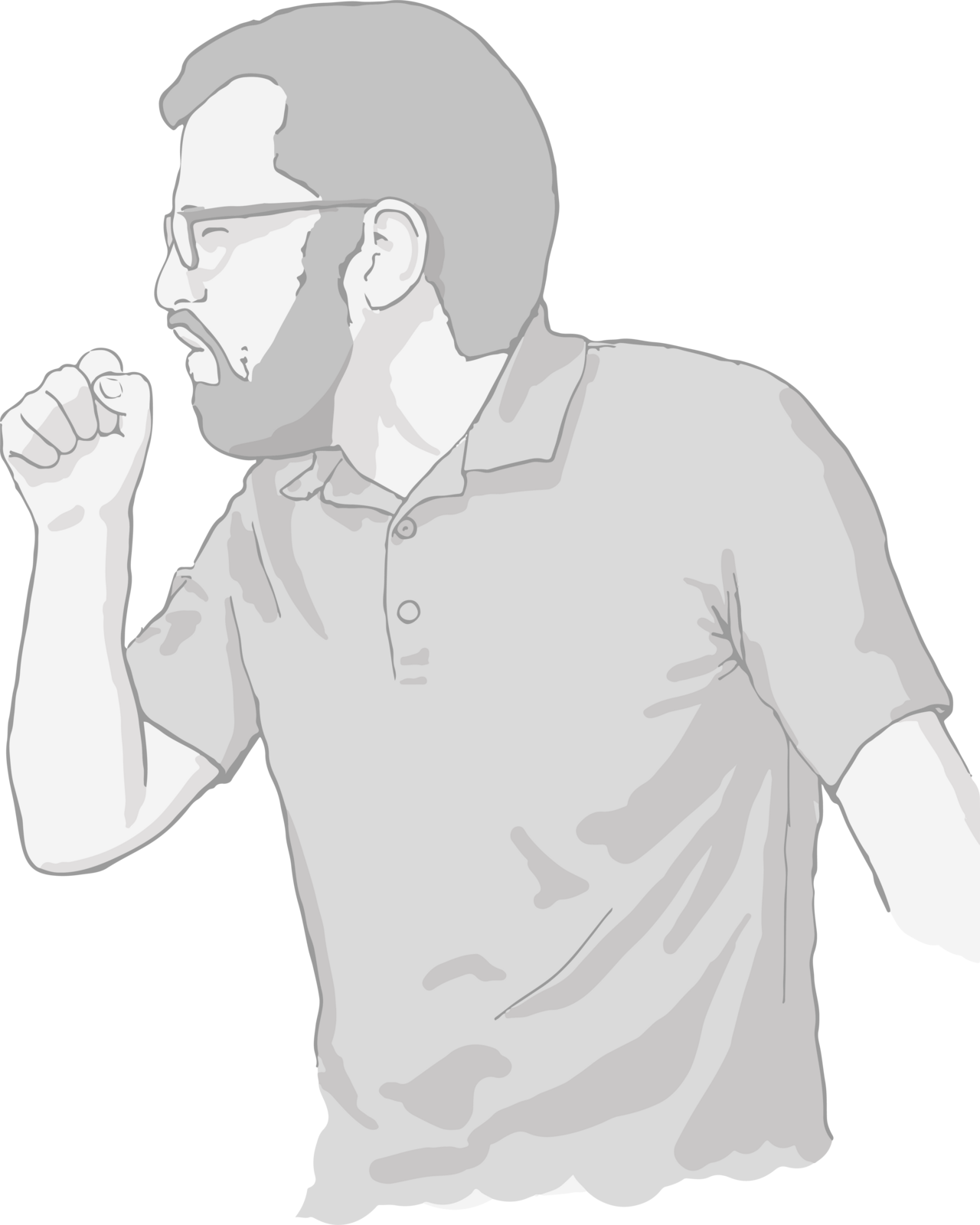
Illustration of a person coughing. Image Credits: Wikimedia Commons / Ryan Kissinger, courtesy of NIAID
Gravity keeps mucus moving while you stand
All day, your nose and sinuses produce mucus to trap dust, germs, and irritants.
A UK GP service, Access Doctor, notes that you produce around a litre of nasal mucus a day and swallow nearly all of it without noticing. Most of it drains forwards and downwards, and swallowing clears the rest. You stay ahead of it without trying.
The reason is simple: gravity. Upright and moving around, mucus slides down the back of the throat and you swallow it away.
Postnasal drip happens all the time in small amounts, but while you are vertical, drainage and swallowing keep pace with production. Harvard Health describes the same daytime arrangement, noting that gravity helps drain fluids so you can swallow and clear them.
Your swallowing habit does heavy work here. Access Doctor points out that awake adults swallow roughly every minute or so, each swallow sweeping the throat clean. That constant clearing is the unsung routine keeping your throat quiet during the day.
Lying down removes the slope
The moment you recline, the plumbing changes. Mucus that gravity once pulled forward and downward now slides backward, pooling at the back of the throat. Mayo Clinic family medicine physician Michelle Duvall states plainly that lying down allows mucus to pool in the back of the throat and trigger a cough.
Three things change when you go horizontal, according to Access Doctor.
First, gravity stops helping, so mucus gathers where it irritates. Second, you stop swallowing. Asleep, swallowing becomes infrequent, so mucus accumulates instead of clearing.
Third, bedroom air is often dry, especially with heating, and dry air thickens mucus and dries the throat lining.
That pooling is what Harvard Health points to as the nighttime trigger: mucus collects at the back of the throat, and if it lands on the vocal cords or you inhale some into the lungs, it sets off a wet cough that produces phlegm. This is also why the pattern is so predictable: coughing starts within minutes of lying down and eases once you sit up and clear your throat.
Posture changes the body in more ways than people credit. Night shifts body mechanics across the board, from night leg cramps to the way food and gas move, much like how you burp more after drinking soda because of what is happening inside the chest.
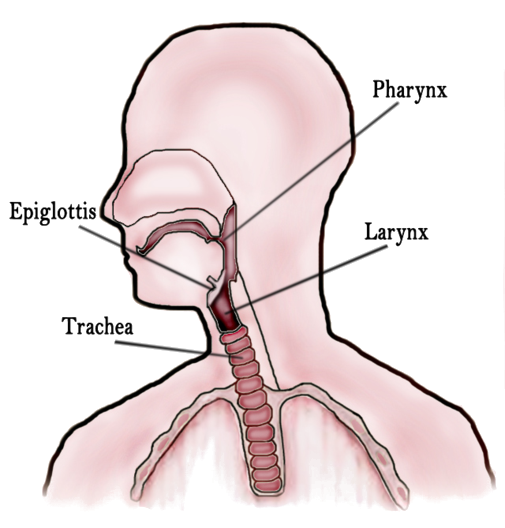
Anatomy of the throat, where pooled mucus meets the cough sensors. Image Credits: Wikimedia Commons / Persian Poet Gal, CC BY-SA 3.0
The throat's tripwire: how pooled mucus fires the cough reflex
The back of the throat is lined with sensors that guard the airway. When mucus pools there, it stimulates these nerves and triggers the cough reflex. Your body is trying to clear the obstruction, which is why the cough feels urgent and repetitive even though nothing is in your lungs.
This reflex is involuntary, like other protective alarms the body fires without permission. Your heart races when you get startled through the same kind of automatic wiring: sensors detect a threat, and the body reacts before conscious thought. With postnasal drip, the "threat" is pooled mucus sitting on a guarded airway.
The Mayo Clinic notes that a cough that worsens at night can last for weeks or months if left untreated, which is why the mechanism matters. A cold may end in days, but the lingering drip and airway sensitivity can keep the bedtime cough going. Understanding the trigger separates the symptom from the disease: the cold caused the mucus, but gravity explains the timing.
Why a cold turns a small drip into a nighttime cough
A cold multiplies every part of this mechanism. Viral infection inflames the nasal passages and sinuses, so they make more mucus, and that mucus is thicker than usual.
Congestion blocks the nose, redirecting mucus downward instead of outward. Thicker mucus drains worse and irritates more.
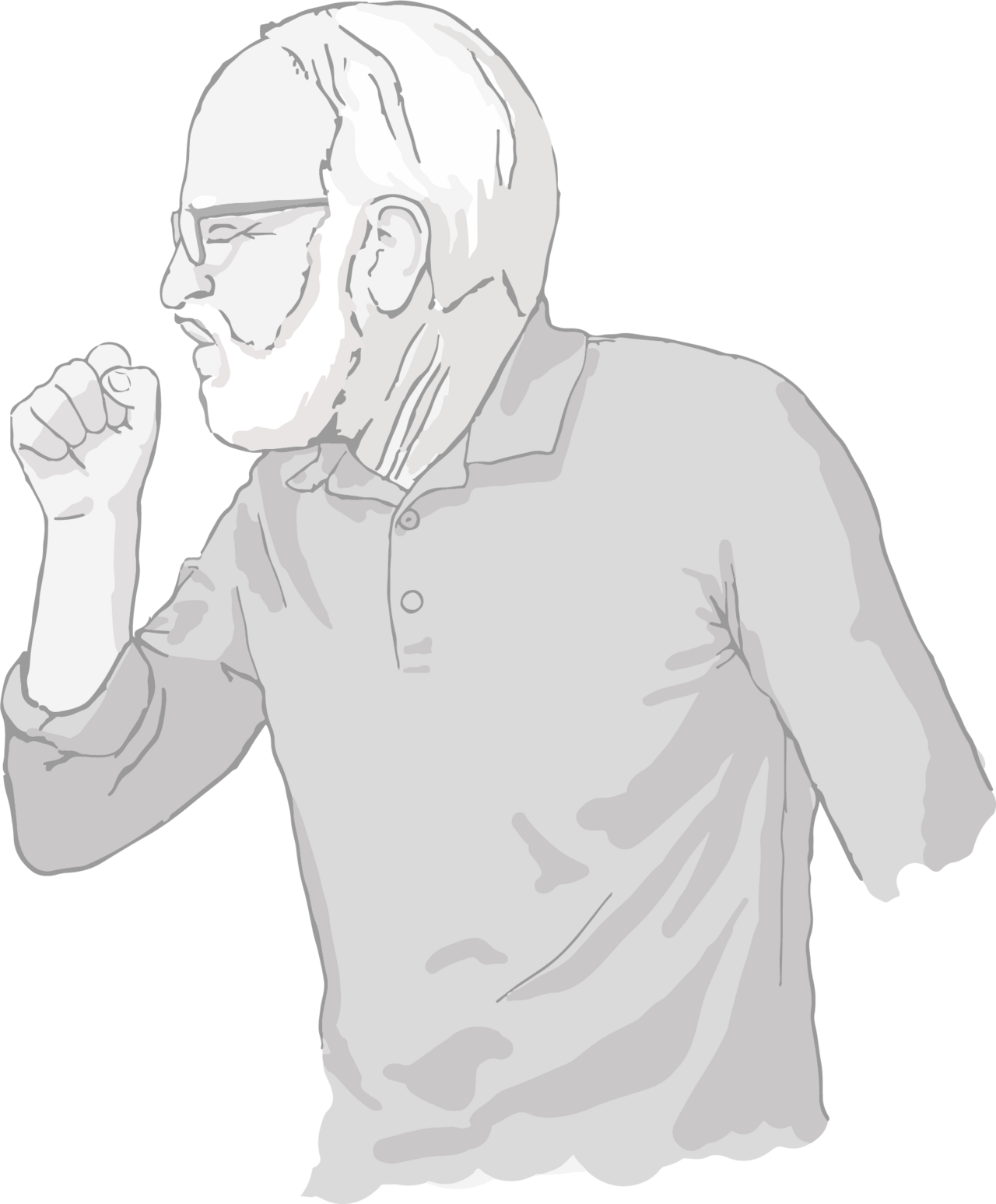
Illustration of a person coughing with a cold. Image Credits: Wikimedia Commons / Ryan Kissinger, courtesy of NIAID
Dry bedroom air adds a further layer. Heating systems strip moisture from indoor air, and dry air thickens secretions while irritating the nasal passages and throat. AFC Urgent Care notes this same pattern: people often report that cold symptoms like congestion, sore throat, and coughing feel significantly worse at night, partly because indoor air dries them out.
There is also a quiet factor: attention. During the day, noise and activity distract you from a tickling throat. At night, in a silent room, the same irritation feels louder.
As Juan Chiriboga-Hurtado, a family medicine specialist at Keck Medicine of USC, told a health feature, the lack of distractions at night makes it harder to ignore a scratchy throat.
One more contributor runs on a nightly schedule: inflammation itself follows the body's clock.
Diego Hijano, a pediatric infectious disease specialist at St. Jude Children's Research Hospital, explained that immune cells become more active at night. Cortisol, which suppresses inflammation, is highest in the morning and falls by evening, so symptoms flare as it drops.
Frequently asked questions
Is postnasal drip the only reason I cough more lying down?
No. Postnasal drip is the most common reason during a cold, but acid reflux, asthma, and bedroom irritants like dust mites can also trigger a lying-down cough. With a cold, though, the drip explains the timing: it starts soon after you recline and fades after you sit up.
Why does my cough disappear in the morning?
Sitting up restores gravity's help, and swallowing resumes its daytime pace. The pooled mucus clears, the throat sensors calm down, and the cough reflex stops firing. Morning throat clearing is the last of the overnight accumulation being swept away.
How long does the lying-down cough last after a cold?
The NHS advises that a cough will usually clear up on its own within three to four weeks. Most nighttime coughing settles with the rest of the cold's symptoms, often within five to seven days, but post-infectious airway sensitivity can linger longer.
Does the bedroom itself make the cough worse?
It can. Dry heated air thickens mucus, dust mites and pet dander in bedding add irritation, and lying fully flat maximizes pooling. These factors do not cause the cold, but they sharpen the nightly cough.
Outlook
The bedtime cough with a cold is a posture problem layered on a mucus problem. Gravity and swallowing clear mucus all day, lying flat pools it at the throat, and the cough reflex answers.
A cold adds extra mucus, congestion, and inflammation to the equation. The timing itself explains the pattern: coughing that starts when you recline and settles when you rise is postnasal drip at work.
This article is for information only and is not medical advice; see a healthcare professional about a cough that lingers, worsens, or comes with worrying symptoms.
Latest in Health
- Why your heart races when you get startled
- What causes night leg cramps, and how to stop them
- Why you burp more after drinking soda
Subscribe to the Health newsletter for weekly explainers on everyday body questions.
Related stories
ADHD linked to fourfold dementia risk in Pitt study of 187,000 adults
Adults with ADHD face four times the risk of dementia, a University of Pittsburgh study of 187,000 adults published in JAMA Psychiatry

Why Do Athletes Get Cramps Despite Drinking Water?
Muscle cramps strike even well-hydrated athletes because sweat drains electrolytes that plain water cannot replace. Here is why water alone

Do bananas actually prevent muscle cramps?
A medium banana has 422 mg of potassium, but the evidence says it cannot stop cramps. Here is what the research shows, and what actually