
Why cuts throb in time with your heartbeat
By Rive News / Research desk | Rive News / Published October 26, 2026 at 9:00 AM PKT
Key takeaways
- A cut throbs when swollen tissue squeezes sensitive nerves near pulsing blood vessels.
- Inflammation in the first 2 to 3 days drives most of the swelling, warmth, and pain.
- Throbbing that fades daily is typical; throbbing that worsens with fever needs a clinician.
This article is for general information only and is not medical advice; talk to a clinician about any symptoms.
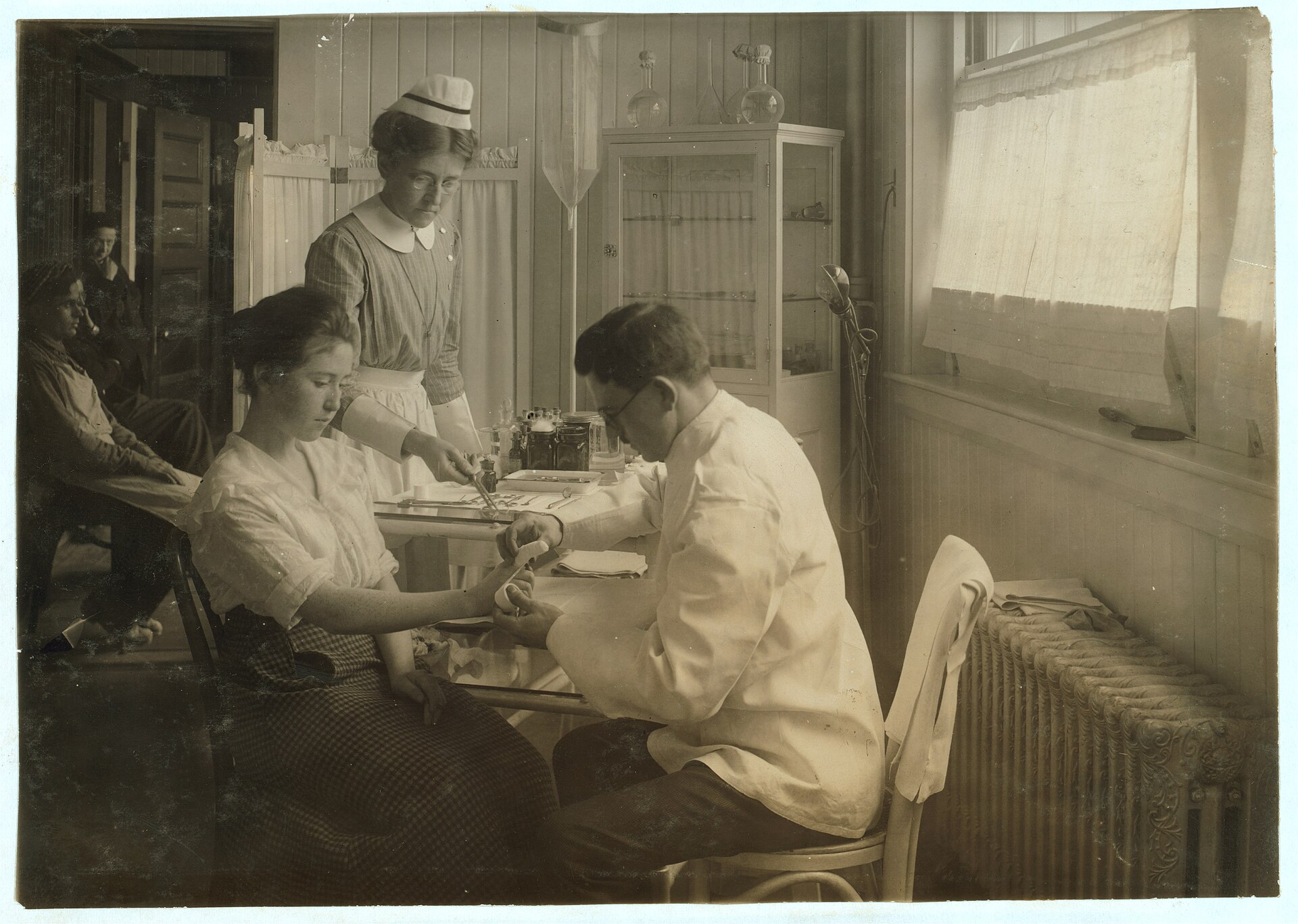
[A finger wrapped in a bandage after a cut, the kind of minor wound that often throbs for a day or two.] Photograph: Library of Congress, via Wikimedia Commons
Image Credits: Wikimedia Commons
A cut throbs because the injury sets off two things at once: blood vessels near the wound widen and pulse with each heartbeat, and the tissue around them swells and presses on pain-sensitive nerves. The pulse gives the pain its rhythm. The swelling gives it its force.
Together they turn a small injury into a beat you can feel.
This article explains how inflammation creates the throb, why the timing matches your heartbeat, what the surprising brain research says about throbbing pain, and which changes in the pattern are worth getting checked.
What happens in the first minutes
A cut breaks skin and the small blood vessels under it. At first, those vessels narrow and platelets form a clot to stop the bleeding. That clotting stage, called hemostasis, lasts up to about 60 minutes depending on the injury, according to the OpenStax nursing text on wound healing.
Once bleeding slows, the vessels do the opposite: they widen. Wider vessels let white blood cells and repair materials reach the wound faster. More blood flowing through a wider vessel near damaged tissue means each pulse of the heartbeat is felt more strongly at the injury site.
If a small artery is nicked, blood can even spurt in time with the pulse, which is a different and more urgent situation than the dull throb of a minor cut.
Nerve endings add the second half of the story. A cut can bruise or sever tiny nerve endings in the skin. Those endings fire more easily while they are injured, so normal pressure changes that you would not notice in healthy skin register as pain at the wound.
Why inflammation makes it throb
Inflammation is the body's clean-up and repair phase. After hemostasis, white blood cells move into the wound to clear bacteria and debris, and the area fills with fluid. The OpenStax text notes that this inflammatory phase lasts about two to three days and shows up as pain, redness, heat, and swelling at the injury site.
Swelling matters because skin has limited room to expand. Fluid collects in the tissue, pressure rises, and that pressure squeezes nearby nerve endings. Each heartbeat then sends a small pressure wave through the widened vessels, and the squeezed nerves report it as a beat of pain.
That is why the throb often feels strongest in the first day or two, when swelling is at its peak, and fades as fluid drains and the tissue settles.
Heat and redness come from the same widened vessels. More warm blood near the skin surface raises the temperature of the area and gives it its flushed colour. Both are signs that repair is under way, not signs of damage by themselves.
The surprise: throbbing may not follow the pulse exactly
Here the story gets stranger. Researchers at the University of Florida College of Medicine, led by Dr. Andrew Ahn, studied a patient whose throbbing pain lingered after her chronic migraine had resolved.
They recorded her throbbing sensation and her arterial pulse at the same time and found the two differed, which suggested the pulsing of blood was unrelated to the throbbing quality of the pain.
Using an electroencephalogram, which records electrical activity in the brain, the team found the throbbing was correlated with alpha waves, a type of brain activity. "We understand very little about alpha waves, but they appear to have an important role in attention and how we experience the world," Ahn said. The finding, published in the journal Pain, does not mean blood flow is irrelevant to a cut's throb.
It means the brain's own rhythm may shape how pain feels like a beat, even when the beat does not match the heart exactly.
For a fresh cut, both explanations can hold at once. Blood pressure waves give the injured tissue a real pulsing stimulus, and the brain turns that stimulus into the rhythmic sensation you notice. That is also why throbbing pain can feel out of step with your pulse if you count carefully: you are feeling a processed signal, not a direct readout of your heartbeat.
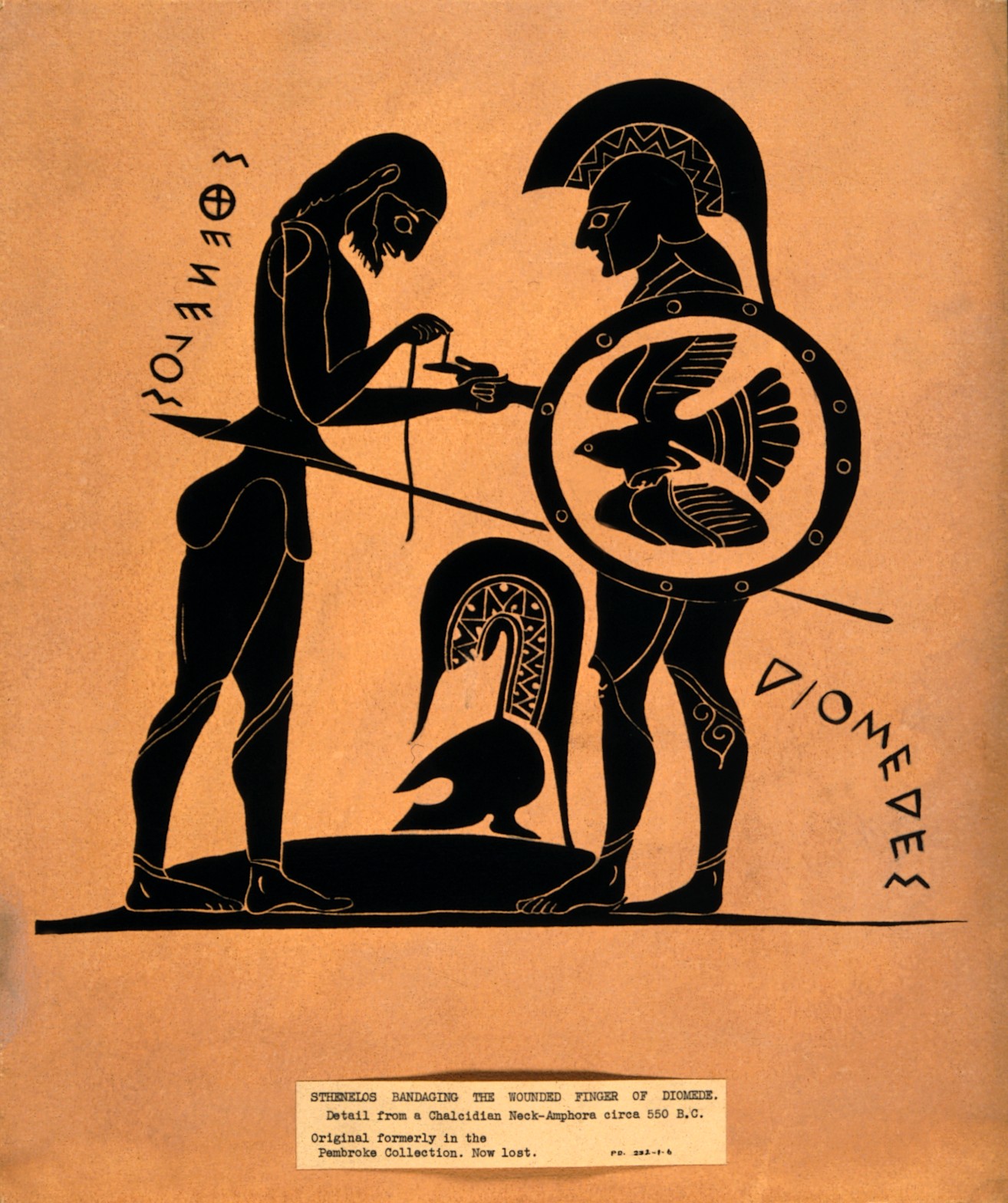
[An old ink drawing showing a wounded finger being bandaged, a reminder that binding a cut is an ancient practice.] Photograph: Wellcome Collection, via Wikimedia Commons
Image Credits: Wikimedia Commons
Why fingers and toes throb more
Fingers throb more than most body parts for a simple reason: they are packed with nerve endings and have little soft tissue to cushion pressure changes. A cut on a fingertip sits close to bone, so swelling has nowhere to go except outward against tight skin and sensitive nerves. The same cut on a forearm, where tissue is looser, often hurts less.
Gravity plays a part too. A hand hanging at your side collects more blood in its vessels than a hand raised to chest height. That is why lifting an injured finger often eases the throb within a minute or two: less blood pooling means smaller pressure waves at the wound.
Movement can restart the throb. Bending a cut finger stretches the wound edges and tugs at the clot and new tissue, which irritates the same nerve endings again. Resting the area and keeping the dressing snug but not tight usually keeps the beat quieter.
When throbbing changes its meaning
Most throbbing from a minor cut improves a little each day. Swelling peaks within a day, then subsides, and the pain follows the same curve. Ubie Health's clinician-reviewed note lists the pattern that points the other way: redness spreading beyond the wound edges, warmth that increases instead of fading, swelling that worsens, pus or foul-smelling drainage, red streaks running away from the cut, or fever and chills.
Those signs together suggest the wound may be infected, since bacteria in broken skin trigger a stronger immune response that raises pressure and nerve sensitivity further. A single one of them on its own, such as mild redness on day one, is common in normal healing. The pattern to watch is direction: getting better day by day, or getting worse.
This article describes general patterns only. It cannot tell whether any particular wound is infected, and it does not replace a clinician's judgement. Anyone with a deep cut, a cut that will not stop bleeding, numbness, loss of movement, or signs of spreading infection should seek care promptly rather than waiting to see if the throb fades.
Frequently asked questions
Why does my cut throb more at night?
Lying still removes distractions, so you notice the beat more, and a hand resting at body level can collect blood. Raising the hand on a pillow often eases it.
Does throbbing mean a cut is infected?
Not by itself. Throbbing is common in the first 2 to 3 days of normal healing. Infection is more likely when throbbing worsens alongside spreading redness, increasing warmth, pus, or fever.
Why does a cut throb in time with my heartbeat if research says otherwise?
Blood pressure waves do pulse through injured tissue, but the brain also shapes pain into a rhythm. University of Florida researchers found throbbing tracked brain alpha waves rather than the arterial pulse in one studied patient.
How long should a cut throb?
For a minor cut, the worst throbbing usually passes within 2 to 3 days as inflammation settles. Pain that keeps increasing after that point deserves a clinician's look.
The bottom line
A cut throbs because injured tissue swells around sensitive nerves while nearby vessels pulse with blood. Inflammation drives the swelling over the first 2 to 3 days, pressure turns each pulse into pain, and the brain shapes that pain into a beat. Fingers feel it most because their nerves are dense and their tissue is tight.
A throb that fades daily is the normal sound of healing. A throb that grows louder, spreads, or brings fever is the signal to get the wound checked.
Tags: wound healing, inflammation, pain, first aid
Rive News's research desk covers everyday science and practical how-to topics, summarising public sources for general readers.
Related
- Wounds itch when they are healing: why it happens
- Why feet swell after standing all day
- How to tell if your cough needs a doctor
Subscribe for one practical explainer each morning.
Rive News publishes general information explainers; claims are attributed to the public sources listed above.
Related stories
ADHD linked to fourfold dementia risk in Pitt study of 187,000 adults
Adults with ADHD face four times the risk of dementia, a University of Pittsburgh study of 187,000 adults published in JAMA Psychiatry

Why Do Athletes Get Cramps Despite Drinking Water?
Muscle cramps strike even well-hydrated athletes because sweat drains electrolytes that plain water cannot replace. Here is why water alone
Do bananas actually prevent muscle cramps?
A medium banana has 422 mg of potassium, but the evidence says it cannot stop cramps. Here is what the research shows, and what actually