
Energy drinks linked to 11 times more cardiac arrest reports in FDA study
Web StoryWatch this story in 15 seconds →Key takeaways
- The American Heart Association released a new study on Nov 2, 2026. Cardiac arrest showed up about 11 times more often in FDA reports on energy drinks.
- Adults aged 18 to 34 made up about 45% of the heart-event reports tied to energy drinks and stimulant supplements.
- The study is a conference abstract, not peer-reviewed yet. It shows a link, not proof that the drinks caused the heart problems.
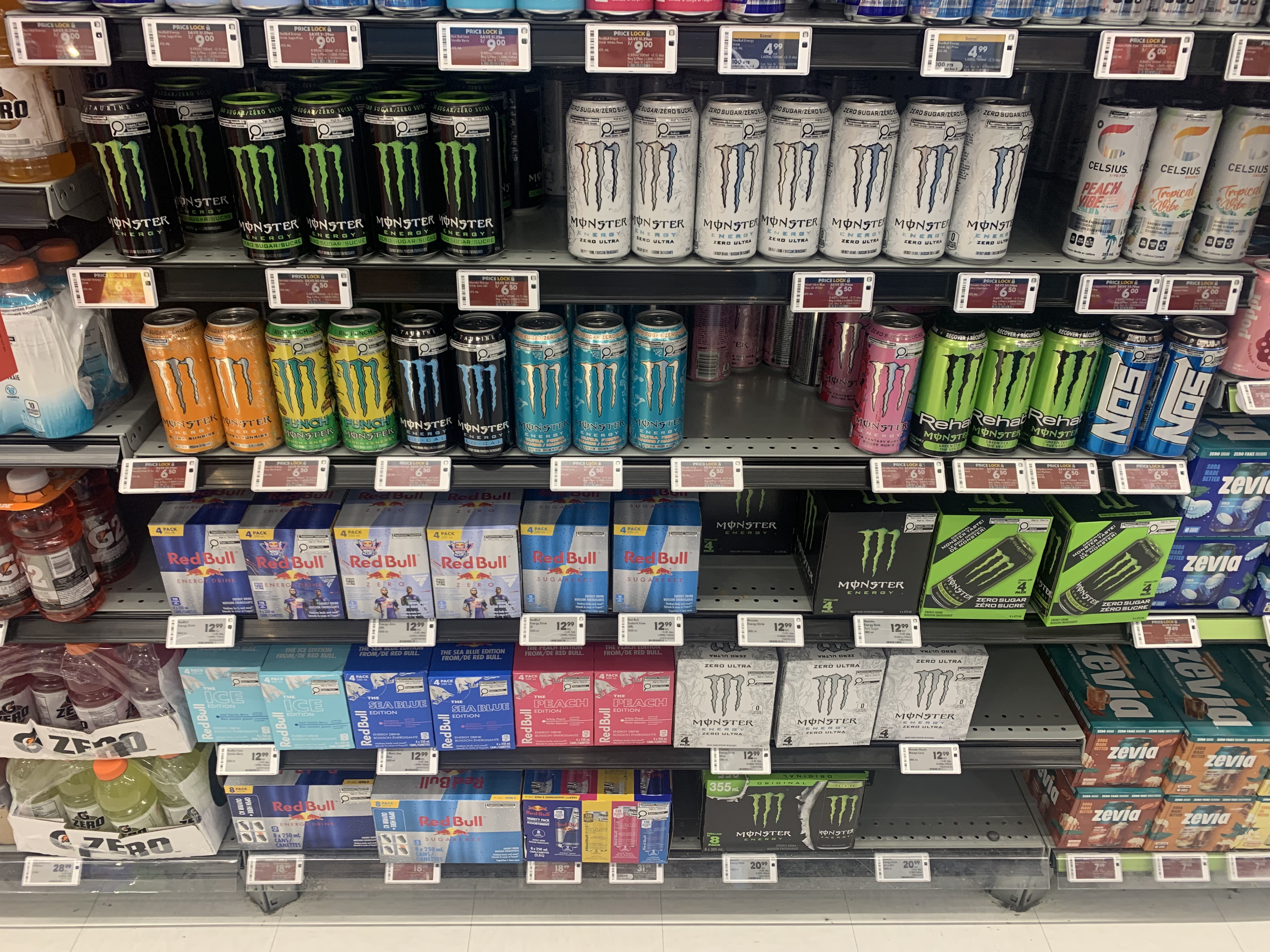
Energy drinks may raise heart risk for young adults. That is the warning from new research by the American Heart Association.
The study came out on November 2, 2026. Heart problems were reported far more often for energy drinks than for other products.
What happened
Researchers reviewed 28,345 reports. They were sent to the US Food and Drug Administration from 2017 to 2025.
They covered possible bad reactions to foods and supplements in people aged 13 and older.
Of these reports, 854 mentioned energy drinks or supplements with caffeine or other stimulants. The other 27,491 reports were about products without these ingredients, like soft drinks and vitamins.
The lead author is Sai Samayamanthula. He is a fourth-year medical student at the University of Virginia School of Medicine.
The findings will be presented at the AHA Scientific Sessions in Chicago. The meeting runs November 6 to 9.
The researchers grouped products by ingredient, not by brand. So the warning covers types of products, not one single brand.
Why it matters
Cardiac arrest means the heart suddenly stops beating. It is different from a heart attack, when blood flow to the heart gets blocked.
The numbers are striking. Cardiac arrest was reported about 11 times more often with stimulant products. That is according to the AHA.
The comparison was against products without them. Heart attacks were about 4.5 times more likely. Dangerous heart rhythms and palpitations were about 4 times more likely.
Fast heart rate showed up nearly 3 times more often. Chest pain was 2.71 times more common. Fainting was about 2 times more common.
About 45% of the linked reports involved adults aged 18 to 34. These reports tie the products to heart problems.
This is a group usually seen as low risk for heart disease. Men and women showed similar patterns.
Energy drink sales have more than doubled in ten years. They passed $20 billion in 2024.
The AHA says some energy drinks carry up to 3 times more caffeine per ounce. That is compared with brewed coffee.
The FDA treats energy drinks as foods or supplements, not as drugs. So they skip the safety testing that drugs must pass before sale.
Too much caffeine affects everyone differently. Want to understand its odd effects? Read why caffeine can sometimes make you feel sleepy instead of alert.
Does your heart pound after a scare or a late-night can? Here is how to calm a racing heart after a nightmare.
What happens next
The study has big limits. It is a research abstract, so independent experts have not peer-reviewed it. The results are early until the full paper is published.
Peer review means other scientists check the work. If the full paper passes, the findings get stronger. If not, they may change.
The study also cannot prove that energy drinks caused the heart problems. The FDA reports are voluntary.
People, doctors, and makers send them in on their own. Nobody knows how many users had no problems. Nobody knows how many had problems but never reported them.
Gregory Marcus is a heart doctor at the University of California San Francisco. He was not part of the study.
He said the study raises concerns. It does not prove that caffeine products cause these events.
Samayamanthula called for better safety checks of these products. He wants doctors to ask about energy drinks.
They should ask young patients who report heart flutters, chest pain, or fainting.
The AHA's 2026 guidance sets a daily caffeine limit. Up to 400 mg a day is safe for most adults.
That is about five small cups of black coffee. Regular energy drink users can cross that limit fast, the AHA said.
For now, the message is simple. One drink now and then is probably fine for most healthy adults.
Daily heavy use is where the risk may grow. The full study still needs to face peer review.
Energy drinks also share one thing with soda: the fizz. Many people burp more after drinking soda too.
This article is for information only and is not medical advice.
Related stories
ADHD linked to fourfold dementia risk in Pitt study of 187,000 adults
Adults with ADHD face four times the risk of dementia, a University of Pittsburgh study of 187,000 adults published in JAMA Psychiatry

Why Do Athletes Get Cramps Despite Drinking Water?
Muscle cramps strike even well-hydrated athletes because sweat drains electrolytes that plain water cannot replace. Here is why water alone

Do bananas actually prevent muscle cramps?
A medium banana has 422 mg of potassium, but the evidence says it cannot stop cramps. Here is what the research shows, and what actually