
Eye Floaters: What They Are and Why We Get Them
Key takeaways
- Eye floaters are shadows cast by tiny clumps in the vitreous gel that fills the eye.
- Most floaters come from normal aging of that gel and grow more common after age 50.
- A sudden shower of new floaters, flashes, or a dark curtain over vision needs same-day eye care.
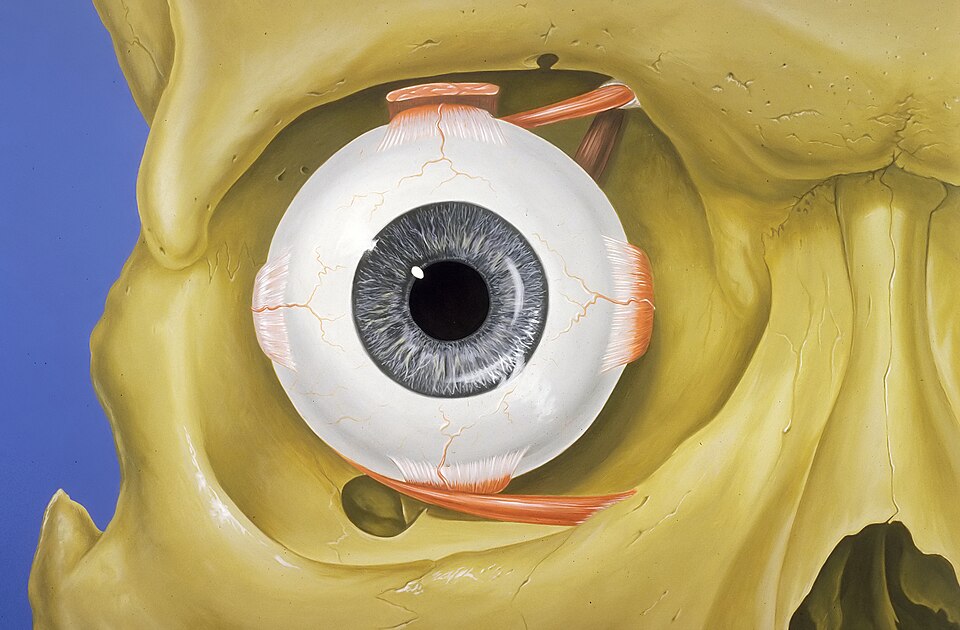
Eye floaters are small specks, threads, or cobweb shapes that drift across your vision. They show up most against a bright, plain background, like a clear sky or a white wall. When you try to look straight at one, it seems to dart away.
What you see is not the floater itself. It is the shadow of a tiny clump drifting in the clear gel that fills your eye. That gel is called the vitreous, and it helps the eye keep its round shape.
This article explains what eye floaters are, including why the vitreous changes with age, who is more likely to notice floaters, and which warning signs call for same-day care.
What eye floaters actually are
The inside of your eye is filled with the vitreous, a clear, jelly-like gel. When you are young, this gel is firm and clear. As you get older, it slowly turns more watery, and tiny strands inside it clump together.
Those clumps cast shadows on your retina. The retina is the thin layer at the back of your eye that senses light. Because the clump drifts in the gel, its shadow drifts too, which is why floaters move when your eyes move.
Floaters come in many shapes. People describe dots, circles, threads, squiggles, and cobwebs. A few small floaters that have been there a while and have not changed are almost always harmless.
Your brain also learns to tune floaters out. Over weeks and months, most floaters bother you less, even if they are still there. That adjustment is normal and it is one reason older floaters feel less distracting than new ones.
Why we get eye floaters
The most common cause of floaters is simply getting older. The National Eye Institute says almost everyone develops floaters with age, according to the Healthy Vision Institute. The vitreous changes in two ways as it ages.
It shrinks, and its texture shifts from firm gel toward liquid.
Over time, the shrinking gel can pull away from the back of the eye. Doctors call this a posterior vitreous detachment, or PVD. It is a normal part of aging.
It often brings a batch of new floaters, and sometimes quick flashes of light.
PVD itself is usually harmless. The risk is that the gel sometimes tugs hard enough to tear the retina as it pulls away. That is why a new PVD, with a fresh set of floaters, should be checked by an eye doctor.
Other causes can also produce floaters. Nearsightedness tends to bring floaters earlier and more often. Eye surgery, such as cataract surgery, or an injury to the eye can also leave floaters behind.
Swelling inside the eye, called uveitis, and eye infections can cause floaters as well. Bleeding inside the eye is another cause. In people with diabetes, that bleeding can come from diabetic retinopathy, which is damage to the blood vessels in the retina.
Who is more likely to notice floaters
Anyone can get floaters, but some people are more likely to notice them. The National Eye Institute lists four groups with higher odds: people over 50, people who are very nearsighted, people with diabetes, and people who have had cataract surgery.
Age matters because the vitreous changes on a slow clock. Nearsightedness matters because the shape of a nearsighted eye puts extra stress on the vitreous and retina. Diabetes matters because it can damage retinal blood vessels and cause bleeding into the gel.
Having one of these risk factors does not mean you will have trouble. It means floaters are more likely, and new ones are worth getting checked. Regular eye exams matter more after 50, or sooner if you are nearsighted or have diabetes.
Bright light makes floaters easier to spot. A clear sky, a white wall, or a bright computer screen gives the shadow a plain background. That is also why screens do not cause floaters, even though a bright screen can make existing ones more obvious.
When floaters signal a problem
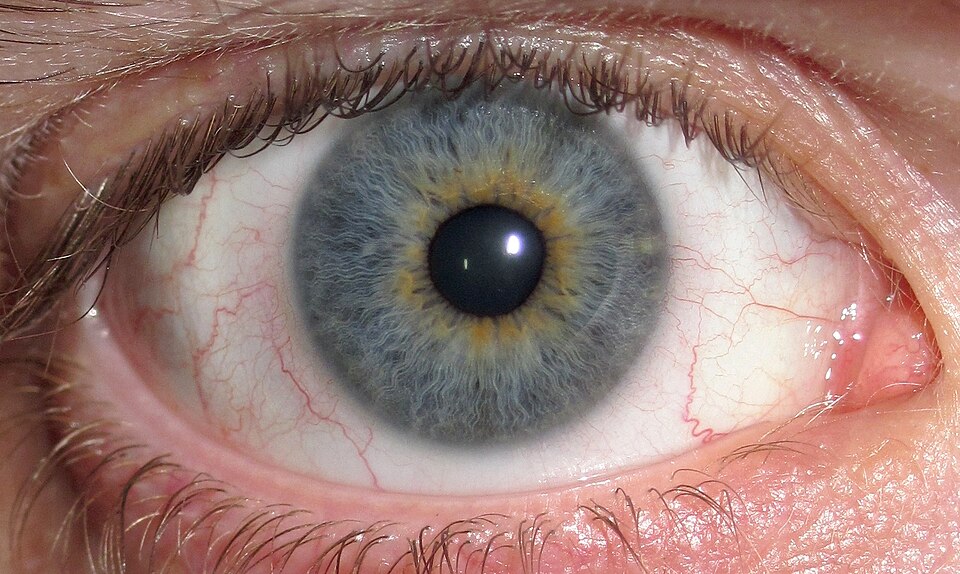
What matters most with floaters is change. A sudden change, especially with other symptoms, is the thing to take seriously. The National Eye Institute calls these warning signs a medical emergency, and they call for same-day care.
Call your eye doctor right away if you notice a sudden shower of new floaters. The same urgency applies to flashes of light, like lightning streaks or a camera flash, often off to the side. A dark shadow or curtain moving over part of your vision also needs same-day care.
A gray or blurry area blocking part of your sight is another warning sign. So is sudden vision loss. Do not wait to see if these symptoms go away on their own.
These signs can mean a retinal tear or detachment. A retinal detachment happens when the retina pulls away from the back of the eye. It often starts with a small tear.
The longer a detached retina goes without care, the more vision you can lose, and some of it may not come back.
Flashes deserve a note of their own. A flash now and then can be part of normal aging, as the vitreous rubs or pulls on the retina. New flashes, lots of flashes, or flashes with a sudden shower of floaters are worth a prompt eye exam.
How eye doctors check floaters
The only way to know if floaters are harmless or a warning sign is a dilated eye exam. You cannot tell the difference by how the floaters look to you. The exam itself is quick, but the dilating drops can make your vision blurry for a few hours.
Your eye doctor puts drops in your eyes to widen your pupils. Then the doctor uses special lenses to look at your whole retina, including the far edges, where tears often start. This shows whether the gel has simply pulled away as part of aging, or whether it has torn the retina.
If part of the retina is hard to see, or if there is bleeding in the eye, your doctor may use other tests. One is an ultrasound of the eye, which uses sound waves to see inside. Another is an OCT scan, which takes a detailed picture of the layers of the retina.
Bring someone to drive you home from the visit. The dilating drops make bright light uncomfortable, and reading or driving can be hard until they wear off. For new or sudden floaters, this exam is the most important step.
What can be done about floaters
Most floaters need no treatment at all. The American Academy of Ophthalmology says floaters tend to fade and become less noticeable over time. For normal floaters, the usual advice is to give it time and let your brain adapt.
A few habits can help while you wait. Moving your eyes up and down, or side to side, can shift a floater out of your line of sight. Soft, even lighting helps too, since bright, plain backgrounds make floaters stand out.
Do not rub your eyes to try to get rid of a floater. It will not help, and rubbing can irritate the eye. There is no safe home remedy that removes floaters, and eye drops marketed for the purpose have no solid backing.
Once in a while, floaters are so thick or so many that they make it hard to read or see. In these rare cases, a surgery called a vitrectomy can remove the gel and the floaters. The American Academy of Ophthalmology says this surgery has risks and is seldom needed.
Your eye doctor will talk with you about the risks and benefits.
When floaters come from a retinal tear, a detachment, or bleeding, care goes after that problem. A retinal tear can often be sealed with a laser or a freezing treatment. A detachment usually needs surgery soon.
Bleeding from diabetes is handled as part of caring for diabetic eye disease.
You cannot really prevent floaters that come with age. They are a normal part of how eyes change. You can protect your eyes and catch problems early with regular exams, safety glasses for sports and yard work, and steady blood sugar control if you have diabetes.
Frequently asked questions
Are eye floaters dangerous?
Usually not. Most are a harmless part of aging. The exception is a sudden shower of new floaters, especially with flashes or a shadow in your vision.
That can mean a retinal tear or detachment and needs care the same day.
Will my floaters ever go away?
Most floaters become much less noticeable over weeks to months as your brain adapts. They may not disappear fully, but they usually stop bothering you. A floater that stays the same for a long time is rarely a concern on its own.
What is the difference between normal floaters and an emergency?
Floaters you have had for a while that have not changed are almost always harmless. A sudden shower of new floaters, flashes of light, or a dark curtain over your vision is a warning sign. Get seen the same day if any of those appear.
Can floaters be removed?
Yes, but surgery is not usually advised. A vitrectomy can remove floaters, but it carries risks such as cataracts and retinal tears. Doctors reserve it for cases where floaters make everyday seeing very hard.
Do screens cause floaters?
No. Screens do not cause floaters. A bright screen is a plain background, so it can make the floaters you already have easier to notice.
That is an visibility effect, not a cause.
Outlook
Eye floaters are common, and most are a normal part of aging. The vitreous gel inside the eye slowly changes, tiny clumps form, and their shadows drift across your vision. For most people, the brain adapts and the floaters fade into the background.
The key habit is noticing change. New floaters deserve an eye exam, and a sudden shower of floaters with flashes or a shadow needs same-day care. Knowing that line is what protects your vision.
It is a good idea to see an eye doctor promptly if you notice any of the warning signs above.
This article is for general information, not medical advice. For advice about your own eyes, see an eye doctor.
Tags: eye floaters, vision, eye health, vitreous
Latest in Health
- Why Teeth Feel Fuzzy in the Morning
- Why Skin Gets Ashy in Cold Weather
- Why Wounds Itch When They Are Healing
- Why Sleep Lines Fade by Noon
Subscribe to the Rive News newsletter for one useful explainer each morning.
Related stories

ADHD linked to fourfold dementia risk in Pitt study of 187,000 adults
Adults with ADHD face four times the risk of dementia, a University of Pittsburgh study of 187,000 adults published in JAMA Psychiatry

Why Do Athletes Get Cramps Despite Drinking Water?
Muscle cramps strike even well-hydrated athletes because sweat drains electrolytes that plain water cannot replace. Here is why water alone

Do bananas actually prevent muscle cramps?
A medium banana has 422 mg of potassium, but the evidence says it cannot stop cramps. Here is what the research shows, and what actually