
Sleep Lines on Your Face: Why They Fade by Noon
Key takeaways
- Sleep lines are mechanical creases pressed into skin by hours of pillow pressure.
- Young, elastic skin springs back within minutes, so lines fade by morning or noon.
- Lines that linger past 30 minutes can signal lower elasticity, but one morning of lines is not an emergency.
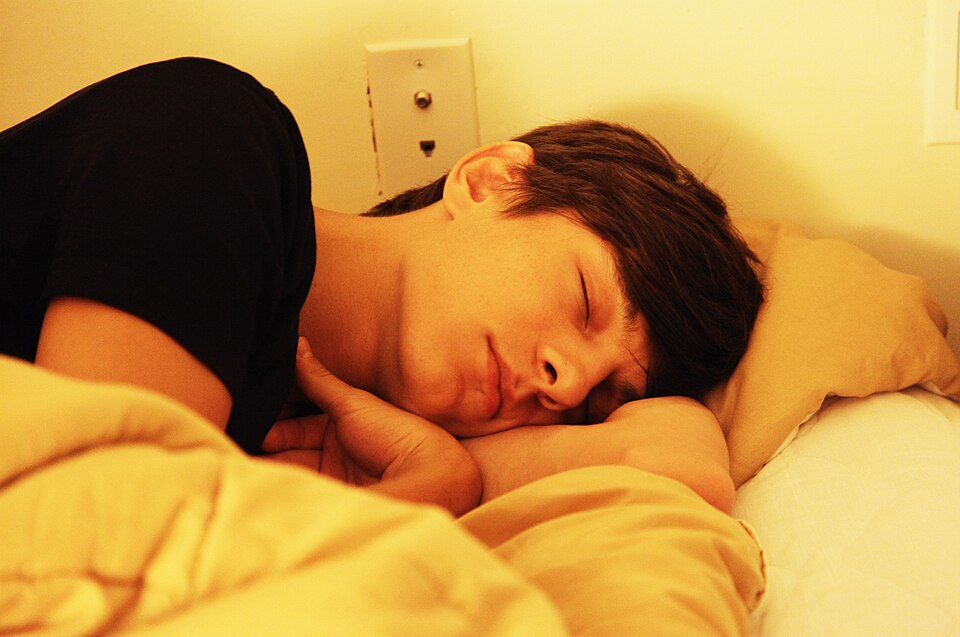
You wake up, glance in the mirror, and find creases stamped across your cheek or forehead. They look like wrinkles, but they were not there when you went to bed. By noon, they are gone.
Those marks are sleep lines, also called sleep wrinkles or pillow prints. They are not caused by smiling, frowning, or squinting. They are caused by pressure: hours of skin folded against a pillow.
This article explains why we get sleep lines on our face that fade by noon, including how pillow pressure creases skin, why elasticity decides how fast lines fade, and which habits keep them from sticking.
What sleep lines actually are
Sleep lines are lines created by the way the face is compressed against a pillow during sleep. Dermatologist Ruben Bhasin Passi of CK Birla Hospital in Gurgaon explains that when a person sleeps on the side or stomach, the skin may be pushed, folded, or stretched between the pillow and the underlying facial structures.
That makes sleep lines mechanical wrinkles. They come from outside force, not from muscle movement. Expression lines form from repeated muscle movements such as smiling, frowning, or squinting.
Sleep lines form from prolonged mechanical pressure, compression, and stretching while you sleep.
The pattern often matches the sleeping position. Side sleepers tend to see vertical creases on the cheek that bore the weight. Stomach sleepers may see lines across the forehead or around the mouth.
Back sleepers usually wake with the fewest marks, since the face barely touches the pillow.
Sleep lines are temporary at first. In younger skin, the lines usually disappear relatively quickly after waking. The skin is elastic enough to spring back once the pressure lifts.
That spring-back is why the mirror looks normal again by breakfast, or at the latest by noon.
Why lines fade by noon
Skin is elastic. Collagen and elastin fibers in the skin act like a spring system, letting the surface deform under pressure and then return to shape. When you lift your face off the pillow, that system starts restoring the surface.
Morning activity speeds the process. Moving around raises blood flow. Splashing the face with cool water rehydrates the outer skin layer.
Moisturizer plumps the surface. Each step helps the compressed skin re-expand toward its resting position.
Most lines fade within minutes of waking. Some deeper creases take longer, especially after a long night on one side. By noon, the combination of movement, hydration, and circulation has usually erased them.
That is why the "fade by noon" pattern is so common.
The clock matters as a rough gauge. Dermatologists note that if pillow creases linger for more than 30 minutes after waking, it could indicate that the skin is losing elasticity, according to the Times of India. Lines that still show at noon deserve a little more attention than lines that vanish before breakfast.
Why lines linger longer with age
Collagen and elastin gradually decline as skin ages. The skin becomes less capable of returning to its original position after pressure. Lines caused by repeated mechanical stress can then become more persistent.
That is the core difference between young skin and older skin in the morning mirror. Young skin rebounds fast. Older skin rebounds slowly, and the same night of pressure leaves a mark that lasts hours instead of minutes.
Repeated pressure on the same area night after night can contribute to lines over time, particularly as skin becomes less elastic with age. Sleeping consistently on one side can expose that side of the face to greater mechanical pressure. Over many years, this may contribute to sleep-related lines.
The effect should not be overstated. Dr Passi notes that sun exposure, genetics, smoking, environmental pollution, loss of skin elasticity, hormonal changes, and the natural aging process generally have a much greater influence on long-term skin aging. Someone who wakes up with a few temporary lines on one cheek does not need to panic.
One side aging faster than the other is a slow, subtle process, not an overnight event. It would be an exaggeration to say that a particular sleeping position will rapidly or dramatically age one side of the face. The bigger picture of skin aging matters far more.
What a small pillow study found
Pressure is not only a theory. A 12-week observational study tested whether an ergonomic pillow could reduce sleep wrinkles. The study followed 23 healthy women, aged 37 to 61, and evaluated 28 sleep lines with 3D skin measurements.
After 12 weeks on the pillow, wrinkle diameter fell by 29.4 percent on average, and a roughness measure fell by 15.8 percent. Expert graders judged that 82.1 percent of the sleep wrinkles showed some degree of improvement. No adverse reactions were noted during the study.
The study has limits. It was small, it followed women only, and it had no control group. It tested one specific pillow design, not pillows in general.
Still, it supports the basic mechanism: redistributing pressure on the face changes how sleep lines form.
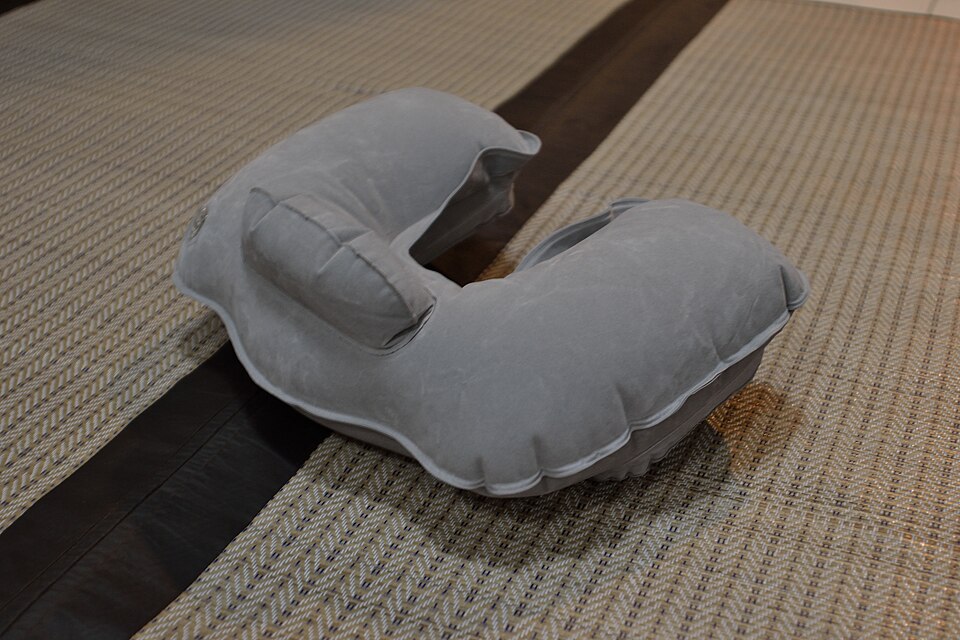
No pillowcase or pillow is a miracle fix. A smooth pillowcase and a supportive pillow can reduce friction and pressure, but they cannot stop aging. The study result is best read as proof that pressure matters, not as a reason to buy a specific product.
How to make lines fade faster
Start with cool water. Splash your face with cool water before anything else. Rehydrating the outer skin layer begins restoring its structure right away.
Follow with a moisturizer, and lines often look far less visible within 20 minutes.
A cold compress is the fastest tool. Wrapping a few ice cubes in a soft cloth and pressing it against creased areas for two to five minutes constricts blood vessels and reduces overnight puffiness that makes lines look deeper. A chilled facial roller kept in the fridge works the same way.
Facial massage is another immediate lever. Using fingertips in firm circular motions over compressed areas stimulates blood flow and helps the skin physically re-expand toward its resting position. It works better with a few drops of a hydrating serum, since slip reduces drag on already stressed skin.
Hyaluronic acid serums can help here. Hyaluronic acid draws water into the skin and holds a large amount relative to its weight, temporarily plumping the areas where creases formed overnight. Moisturizer on top seals that water in.
Movement helps too. Stretching and walking raise circulation, which helps skin recover. Drinking a glass of water supports normal hydration, though water alone does not erase lines.
The combination of water, massage, and moisturizer covers the bases.
How to prevent sleep lines
Sleeping on the back reduces direct contact between the face and the pillow and therefore minimizes mechanical compression. From a purely dermatological view, it can be a useful habit for people concerned about sleep lines.
But not everyone can sleep on the back. Trying to force a sleeping position can disturb sleep quality, and poor sleep itself can negatively affect overall skin health. For people who naturally sleep on the side, there is no need to abandon a comfortable sleeping pattern solely because of fear of wrinkles.
A smooth pillowcase is a low-effort change. Silk or satin pillowcases create less friction than cotton. A clean pillowcase, changed regularly, is sensible for general skin hygiene, though there is no miracle pillowcase that can prevent aging.
Night moisturizer helps. Hydrated skin is more elastic and less prone to creasing. Apply moisturizer before bed so the barrier is supported through the night.
Retinoids may improve fine lines over time, but they should be introduced with care because they can irritate sensitive skin.
Daily sunscreen matters more than any pillow choice. Ultraviolet exposure is one of the major contributors to premature skin aging. Apply a broad-spectrum sunscreen every day, including when the weather looks cloudy.
When sleep lines deserve a closer look
Most sleep lines are harmless and temporary. A few patterns deserve a closer look. Lines that linger for hours every morning, even after moisturizer and movement, may signal declining elasticity or dehydration.
Lines that deepen in the same spot month after month, rather than fading fully, may be turning from temporary creases into lasting ones. A dermatologist can tell temporary sleep lines apart from early permanent wrinkles and advise on skin care.
Sudden changes matter too. A new, deep crease that appears overnight and does not fade at all is different from the usual morning pattern. So is skin that feels unusually thin, bruises easily, or tears with light pressure.
Those changes warrant a professional check.
Remember the scale of the issue. Good skin care remains far more important than obsessing over sleeping position. Protecting skin from ultraviolet radiation, avoiding smoking, maintaining moisturization, eating a balanced diet, and following a sensible routine have a much stronger role in preserving skin health.
Frequently asked questions
Are sleep lines the same as wrinkles?
No. Sleep lines are mechanical creases from pillow pressure. Expression wrinkles come from repeated muscle movements.
Sleep lines fade after waking, while expression wrinkles persist through the day.
Can sleeping on one side age half my face?
Not suddenly. Sleeping consistently on one side can expose that side to more mechanical pressure over many years. Sun, smoking, genetics, and natural aging have a much greater influence on long-term skin aging.
Do silk pillowcases prevent sleep lines?
They can reduce friction and may soften lines, but they cannot prevent aging or erase deep creases. A smooth pillowcase is a helpful extra, not a cure.
How fast should sleep lines fade?
Most fade within minutes. Lines that linger past 30 minutes may signal lower elasticity. Lines that are still visible at noon after moisturizer and movement deserve a little more attention.
Outlook
Sleep lines on your face are pressure marks, not instant wrinkles. Hours of pillow contact fold the skin, and elastic skin springs back once the pressure lifts. That is why the lines fade by morning or by noon.
The habits that help are simple: moisturize at night and in the morning, use a smooth pillowcase, and protect skin from sun every day. It is a good idea to see a dermatologist if lines linger for hours every morning or deepen in the same spot month after month.
This article is for general information, not medical advice. For advice about your own skin, see a dermatologist.
Tags: sleep lines, sleep wrinkles, skin aging, sleep habits
Latest in Health
- Why Eye Floaters Appear With Age
- Why Teeth Feel Fuzzy in the Morning
- Why Skin Gets Ashy in Cold Weather
- Why Wounds Itch When They Are Healing
Subscribe to the Rive News newsletter for one useful explainer each morning.
Related stories

ADHD linked to fourfold dementia risk in Pitt study of 187,000 adults
Adults with ADHD face four times the risk of dementia, a University of Pittsburgh study of 187,000 adults published in JAMA Psychiatry

Why Do Athletes Get Cramps Despite Drinking Water?
Muscle cramps strike even well-hydrated athletes because sweat drains electrolytes that plain water cannot replace. Here is why water alone

Do bananas actually prevent muscle cramps?
A medium banana has 422 mg of potassium, but the evidence says it cannot stop cramps. Here is what the research shows, and what actually