
Why your hands go numb when you sleep on them at night
By Rive News / Research desk | Rive News / Published October 27, 2026 at 9:00 AM PKT
Key takeaways
- Sleeping on your hands presses on nerves at the wrist, elbow, or shoulder, which blocks their signals and produces numbness or tingling.
- The pattern of numb fingers shows which nerve is pressed: thumb side points to the median nerve, little-finger side to the ulnar nerve.
- Numbness that fades within minutes of moving is usually harmless, while numbness that persists into the day deserves a clinician visit.
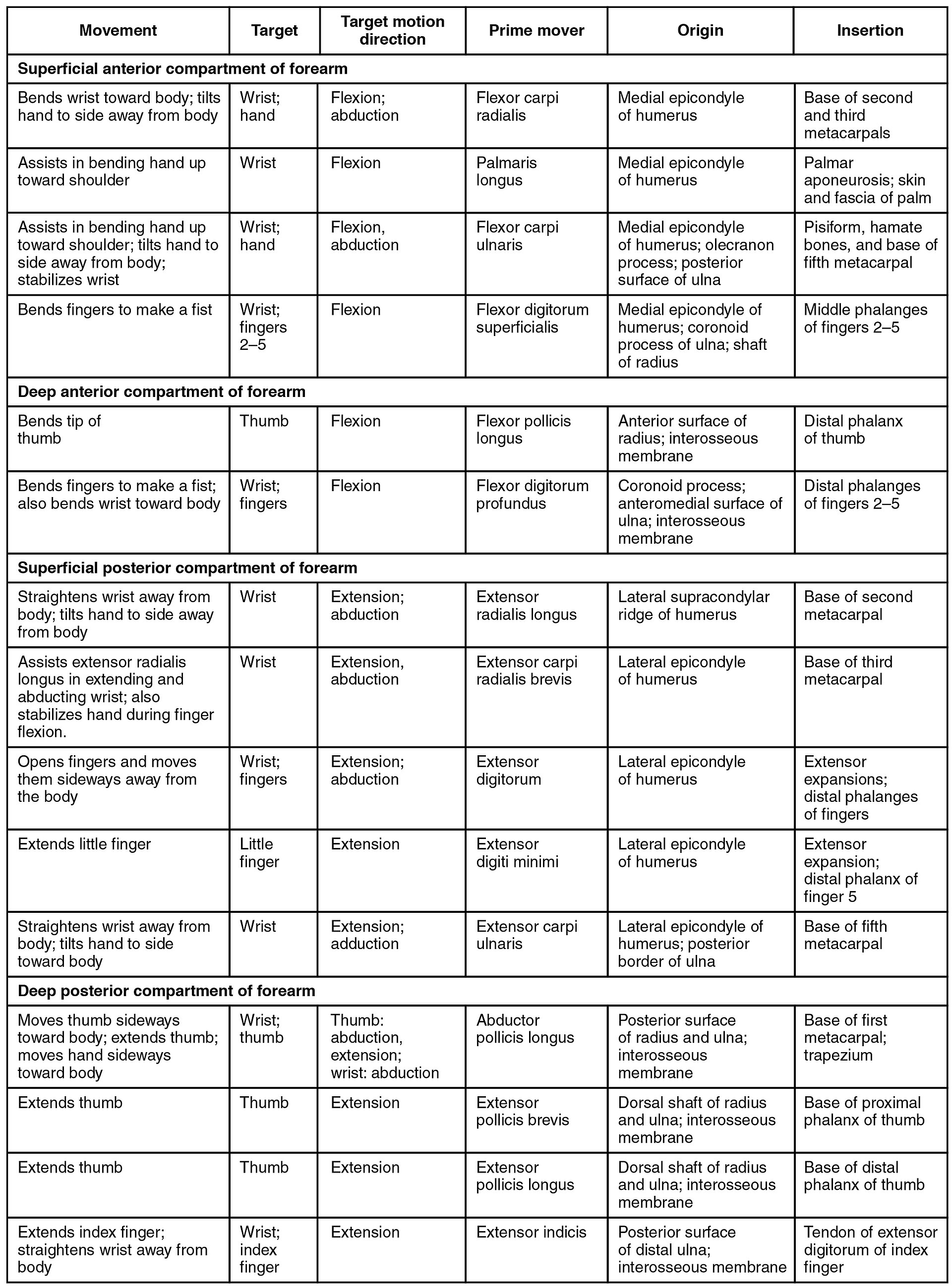
Anatomy of the muscles that move the wrist, hands, and fingers. Photograph: the diagram shown
Image Credits: Wikimedia Commons
This article is for general information only and is not medical advice; talk to a clinician about any symptoms.
What hand numbness during sleep actually is
Hands that go numb during sleep are experiencing a temporary interruption in nerve signaling. The medical term for the tingling, prickling feeling is paresthesia, and the familiar phrase is a limb "falling asleep."
Nerves carry signals between the hand and the brain, and sustained pressure on a nerve interferes with that traffic. MedicineNet explains that temporary paresthesia often results when a person falls asleep on a hand, because sustained pressure on the nerve interferes with its ability to send signals.
This article explains why your hands go numb when you sleep on them, including the three nerves involved, the sleeping positions that press on them, why the tingling feels so strange when feeling returns, and when numbness signals something worth checking.
The three nerves that serve your hands
Three main nerves run from the neck down the arm into the hand. Each one covers a different patch of skin, which is why the pattern of numbness matters.
The median nerve passes through the carpal tunnel, a narrow passage of bone and ligament at the base of the hand. It supplies sensation to the thumb, index finger, middle finger, and half of the ring finger.
The ulnar nerve wraps around the inside of the elbow, the spot people call the funny bone. It supplies the little finger and the half of the ring finger closest to it.
The radial nerve runs along the outer forearm and supplies the back of the hand near the thumb. Pressure on it produces numbness on the back of the hand rather than the palm side.
Because these nerves cross joints, the wrist and elbow are vulnerable points. A bent joint held for hours narrows the space a nerve travels through, and body weight adds pressure on top.
How sleeping positions press on nerves
Sleep removes the small position changes that protect nerves during the day. While awake, discomfort prompts a shift within seconds, but during sleep a person can lie on an arm for hours.
Sleeping with the wrist bent inward or backward squeezes the median nerve inside the carpal tunnel. Hands tucked under a pillow or head hold the wrist in that bent position all night.
Sleeping with the elbow folded sharply stretches and compresses the ulnar nerve at the elbow. Side sleepers who tuck an arm under the head often hold this position for long stretches.
Lying directly on an arm pins it under body weight, which presses on nerves and reduces blood flow to the arm at the same time. Arms thrown overhead during stomach sleeping can strain nerves passing through the shoulder.
The numbness is often worst on waking, then fades within minutes once the person straightens up and moves. That timing is itself a clue, since it matches pressure that lifts when position changes.
Why the pins and needles feel so odd
When pressure lifts, the nerve resumes signaling, but it does so in a burst. MedicineNet notes that when the block is removed, the nerve system becomes hyperactive as it resumes normal function, producing the uncomfortable tingling.
That burst explains why waking feeling returns as pins and needles rather than normal sensation. The nerve fires irregularly for a short while as it recovers, and the brain reads that noisy traffic as tingling.
The feeling is unpleasant but usually brief. Shaking the hand, opening and closing the fingers, and straightening the wrist and elbow all help restore normal signaling faster.
Blood flow plays a supporting role. Pressure that squeezes a nerve also squeezes nearby small blood vessels, and nerves need steady blood supply to signal properly.
When the cause is carpal tunnel syndrome
Sometimes the same nightly numbness has a structural cause rather than a sleeping position. Carpal tunnel syndrome occurs when the median nerve is compressed inside the wrist, and its symptoms often appear at night first.
The Saudi Ministry of Health states that carpal tunnel symptoms usually begin gradually, with numbness or tingling in the fingers, especially the thumb, index, and middle fingers. It adds that symptoms often first appear in one or both hands during the night.
Women are three times more likely to develop carpal tunnel syndrome than men, according to the same source. Pregnancy, diabetes, rheumatoid arthritis, and repetitive wrist motions all raise the risk.
The difference between simple sleep pressure and carpal tunnel lies in the pattern. Carpal tunnel numbness returns night after night in the same fingers, and it may eventually appear during daytime activities such as driving, typing, or holding a phone.
Night wrist splints that hold the wrist straight are a common first step for this condition. Healthline notes that sleeping in a different position or keeping wrists and elbows straight while sleeping may be enough to improve simple positional numbness.
Other causes worth knowing about
Not all nighttime hand numbness comes from position. Diabetes can damage peripheral nerves over time, producing numbness that is diffuse and symmetrical rather than tied to one sleeping position.
Vitamin B12 deficiency impairs nerve function and can cause persistent tingling, weakness, and balance problems if left untreated. Unlike positional numbness, it does not fade within minutes of moving.
Cervical spine problems can also mimic hand numbness. A compressed nerve root in the neck produces symptoms in a pattern that follows the affected root, and it may come with neck or shoulder pain.
Anxiety and rapid breathing can produce tingling too, through a different mechanism. Fast, shallow breathing lowers carbon dioxide in the blood, which changes calcium availability at nerve membranes and makes nerves fire more easily.
The distinguishing feature of these causes is persistence. Numbness that follows no position, affects both hands symmetrically, or lingers into the day points away from simple sleep pressure.
Signs that deserve prompt attention
Occasional numbness that fades quickly after waking is common and rarely a concern. Healthline advises seeing a healthcare provider if numbness lasts into the day, appears in other parts of the body, or comes with muscle weakness, clumsiness, or pain.
Sudden numbness deserves urgent attention when it comes with weakness on one side, dizziness, confusion, trouble speaking, loss of balance, or a severe headache. Those symptoms can indicate stroke, which requires emergency medical help.
A clinician visit also makes sense when numbness is frequent, worsening, or always in the same fingers. A clinician can test nerve function and distinguish carpal tunnel syndrome from neck or systemic causes.
Keep a simple note of the pattern before the visit. Record which fingers go numb, how long it lasts, and which sleeping position preceded it, since that pattern guides the examination.
How to reduce nighttime hand numbness
The simplest change is to keep wrists and elbows straighter during sleep. A pillow that supports the head without forcing the arm underneath it removes one common pressure point.
Side sleepers can hug a pillow instead of tucking an arm under the head. That keeps the arm supported in front of the body rather than pinned beneath it.
A soft night splint holds the wrist in a neutral position for people whose wrists bend during sleep. Splints are available without prescription, and they help most when numbness follows the thumb-side pattern.
Avoid sleeping with arms overhead or tightly folded. Both positions stretch or compress nerves for hours, and both are easy to change with a body pillow for support.
If numbness persists despite position changes, that persistence is information, not failure. It suggests a cause beyond sleep posture, and a clinician can investigate it.

A mother and newborn asleep on a bed. Photograph: the sleeping subjects shown
Image Credits: Wikimedia Commons
Frequently asked questions
Why do my hands go numb every night but feel fine by morning?
Nightly numbness that fades by morning usually reflects a sleeping position that presses a nerve for hours. Changing the position or supporting the arm differently often resolves it.
Which fingers go numb with carpal tunnel syndrome?
The thumb, index finger, middle finger, and half of the ring finger. The little finger is not supplied by the median nerve, so numbness there points to the ulnar nerve instead.
Does shaking my hand actually help?
Yes, in the sense that movement restores normal nerve signaling faster. Shaking, flexing, and straightening the wrist and elbow remove the pressure and let the nerve recover.
Can sleeping on my arm cause permanent damage?
A single night of positional numbness does not damage the nerve. Repeated, prolonged compression over months can injure a nerve, which is why persistent patterns deserve attention.
The bottom line
Hands go numb during sleep because sustained pressure on a nerve blocks its signals, and the pattern of numb fingers reveals which nerve is pressed. Most cases fade within minutes of moving and respond to simple position changes.
Watch the pattern rather than any single night. Numbness that keeps returning in the same fingers, lasts into the day, or comes with weakness is worth a clinician visit, while occasional tingling that fades fast is usually just sleep doing its quiet work on a pressed nerve.
Tags: sleep, nerves, hand health
Rive News's research desk covers everyday science and practical how-to topics, drawing on public sources and health guidance.
Related
- Why your foot falls asleep and tingles when it wakes up
- Why your hands cramp when writing for long periods
- Why muscles twitch when falling asleep
- How to fall back asleep after waking up at 3am
Subscribe for one practical explainer each morning.
Standards: facts are drawn from cited public sources; corrections are published when an error is found.
Related stories
ADHD linked to fourfold dementia risk in Pitt study of 187,000 adults
Adults with ADHD face four times the risk of dementia, a University of Pittsburgh study of 187,000 adults published in JAMA Psychiatry

Why Do Athletes Get Cramps Despite Drinking Water?
Muscle cramps strike even well-hydrated athletes because sweat drains electrolytes that plain water cannot replace. Here is why water alone

Do bananas actually prevent muscle cramps?
A medium banana has 422 mg of potassium, but the evidence says it cannot stop cramps. Here is what the research shows, and what actually