
Why Do Joints Crack and Is Cracking Knuckles Harmful?
Key takeaways
- Most joint cracks come from gas bubbles forming in joint fluid, a process called cavitation, and are painless and harmless.
- Decades of research, including a 60-year one-hand self-experiment, found no link between knuckle cracking and arthritis.
- Noise with pain, swelling, locking, or lost function is different and deserves a clinician visit.
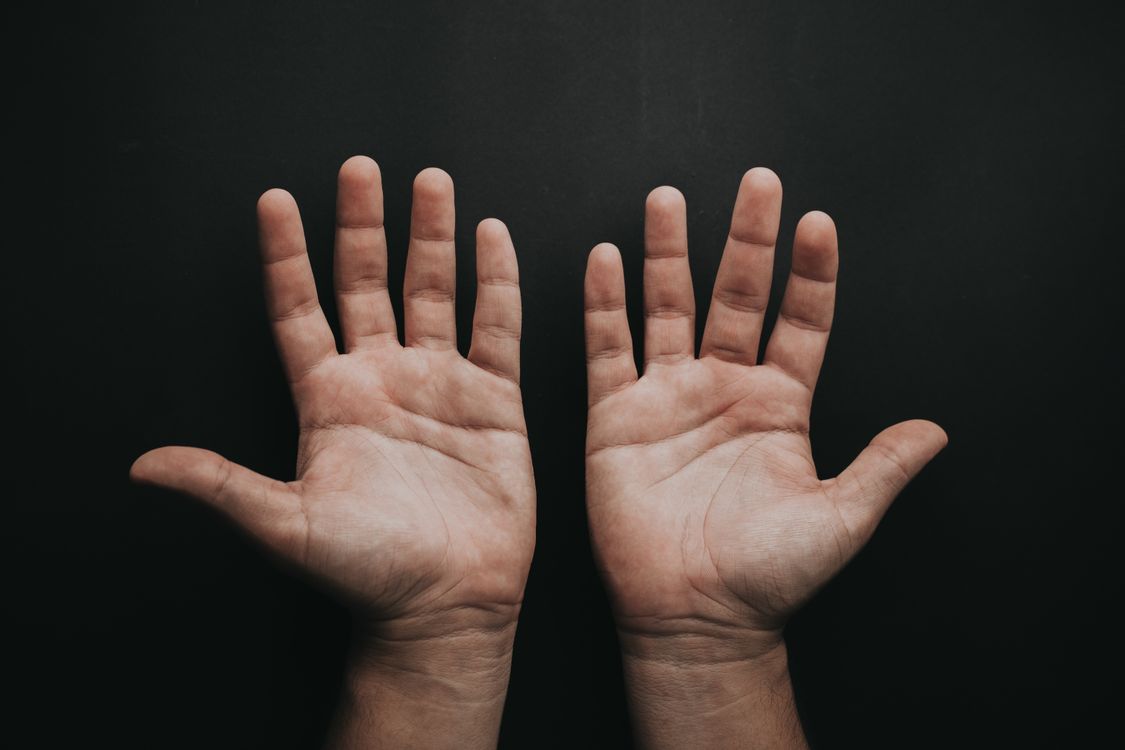
A cracking knuckle can sound alarming. A popping knee can feel worse. Yet most joint noises are harmless, and the habit of cracking knuckles has no proven link to arthritis.
This article explains why joints crack and whether cracking knuckles is harmful, including what happens inside the joint, what the research shows, and when a noise is worth a clinician visit.
This article is for general information, not medical advice.
What makes the cracking sound?
Joints are surrounded by a capsule filled with synovial fluid, a thick lubricant that cushions the bones and helps them move smoothly. That fluid holds dissolved gases, including nitrogen, oxygen, and carbon dioxide.
When you stretch or bend a joint, the pressure inside the capsule drops. Dissolved gas comes out of solution and forms a bubble. The rapid formation of that bubble makes the popping sound.
This process is called cavitation.
The Johns Hopkins Arthritis Center describes the same mechanism. Stretching the capsule lowers the pressure inside the joint and creates a vacuum, which fills with gas previously dissolved in the synovial fluid. The bubble then bursts and produces the popping sound.
The gases need time to dissolve back into the fluid, which is why you cannot crack the same knuckle again right away.
A 2015 study using real-time MRI of a cracking finger refined the picture. It showed the sound happens at the moment the gas cavity forms, not when it collapses. The cavity stays visible in the joint space after the crack.
After about 20 minutes, the gas redissolves and the joint can pop again.
Not all joint noises are the same
Clinicians separate joint sounds into three kinds, and only one of them is the classic knuckle crack.
The first is cavitation, the gas bubble pop described above. It is sharp, brief, and usually painless. Knuckles, backs, and necks produce it most often.
The second is a snapping sound from tendons. As a joint moves, a tendon can slide over a bony bump and snap back into place, like an elastic band flicking over a joint. Ankles and knees do this often.
The sound is real, but the joint itself is not damaged.
The third is grinding, crunching, or creaking, known as crepitus. This noise is thought to arise from movement between cartilage and bone surfaces, and it is often felt as well as heard. Knees are especially prone to crepitus, because the kneecap sits in a groove at the front of the thigh bone and can track slightly off center when muscles pull unevenly.
A physiotherapist and chronic joint pain researcher writing in Medical Xpress put it plainly: noise on its own is rarely a problem. What matters is whether the noise comes with other symptoms.
Is cracking knuckles harmful?
The short answer is no. Decades of research have found no link between habitual knuckle cracking and arthritis. Columbia rheumatologist Nancyanne Schmidt, MD, said it directly: "Cracking your knuckles isn't bad for you.
" She added that some joints deserve more caution than others, especially the neck.
The most famous evidence comes from a physician named Donald Unger. He cracked the knuckles of only his left hand for more than 60 years and left his right hand alone. Published in 1998, his comparison found no arthritis in either hand and no difference between them.
A single-person experiment cannot prove a general rule, but larger studies reached the same conclusion.
A 1998 study of 215 people found no difference in arthritis rates between people who cracked their knuckles and people who did not. A 2011 study in the Journal of the American Board of Family Medicine reviewed the existing research and concluded that joint cracking does not cause arthritis. The Johns Hopkins Arthritis Center states that there is no evidence that cracking knuckles causes damage such as arthritis.
One older study did report lower grip strength and more hand swelling among habitual crackers, but later summaries note it was confounded by factors such as manual labor and has not been replicated. The consistent finding across the larger studies is that gentle cracking does not damage cartilage or bone.
What can go wrong
Gentle cracking is one thing. Forceful cracking is another. The Johns Hopkins Arthritis Center notes reports linking knuckle cracking with injury to the ligaments around the joint or dislocation of tendons, which improved with conservative treatment.
Forceful twisting or yanking can sprain a ligament or injure a tendon. The risk is highest when someone else cracks your joints for you, because your body cannot guard against a movement it did not start. An orthopaedic surgeon quoted by NUHS+ warned that cracking your own joints carries an extremely low injury risk, since the body self-guards, while manipulation by another person raises the risk.
The neck deserves special care. ColumbiaDoctors advises avoiding forceful joint movements in the neck. The neck holds blood vessels and nerves that a sudden twist can injure, so gentle movement is the safe limit.
When a noisy joint needs attention
Noise alone is rarely a reason to worry. Noise plus symptoms is different. See a clinician if a cracking or grinding joint also shows pain, swelling, locking, catching, or a noticeable loss of function.
Crepitus with pain deserves attention, since it can signal worn cartilage or an inflamed tendon sheath. A joint that locks or gives way needs prompt care. A joint that swells after an injury needs prompt care too.
A clinician will usually ask when the noise started, whether it hurts, and what movements trigger it. They may check the joint's range of motion and order an X-ray or other imaging if the exam suggests damage. Bring a short list: which joint, when the noise began, what makes it worse, and any injury history.
Can you reduce joint noise?
You cannot fully silence a noisy joint, and most of the time you do not need to. General joint care helps: keep moving, keep muscles around the joint strong, and avoid staying in one position for hours.
For knees, strong thigh and hip muscles help the kneecap track in its groove, which can reduce grinding sensations. For hands, gentle range-of-motion exercises keep joints limber. For the neck, slow, controlled movement beats sudden twists.
Heat or cold can ease stiffness around a noisy joint, and over-the-counter pain relief helps some people with soreness. If pain is regular or worsening, a clinician can advise on options that fit your history. This article does not offer diagnosis or treatment advice.
Why the myth persists
The arthritis myth survives because the sound feels like damage. A loud pop suggests something broke, and parents and teachers have warned children about it for generations. The warning feels protective, so it spreads.
The evidence points the other way. The pop comes from a gas bubble in fluid, not from bone grinding or cartilage tearing. A 2011 review of the research, plus the 60-year self-experiment and the 215-person study, all failed to find higher arthritis rates in crackers.
Myths also persist because arthritis is common. Many people who crack their knuckles will develop arthritis as they age, for reasons that have nothing to do with cracking: age, family history, previous joint injury, autoimmune conditions, and obesity. When two common things overlap, people assume one caused the other.
Frequently asked questions
Why can I not crack the same knuckle twice in a row?
The gas needs time to dissolve back into the synovial fluid. That takes about 15 to 30 minutes, most often around 20 minutes. Until the gas redissolves, the joint cannot pop again.
Do cracking knees mean arthritis?
Not by itself. Knees often make crepitus sounds from the kneecap moving in its groove. Pain, swelling, or locking with the noise matters more than the noise alone.
Is it safe for children to crack their knuckles?
Gentle cracking has no proven harm at any age. Teach children to avoid forceful twisting, and to stop if a joint hurts.
Does cracking my back or neck carry the same risk as knuckles?
The mechanism is similar, but the neck carries extra risk from blood vessels and nerves. Gentle movement is fine. Avoid forceful twists, and never let someone else crack your neck.
Should I try to stop cracking my knuckles?
There is no medical reason to stop a painless habit. If the sound bothers other people, or if you notice swelling or reduced grip, talk to a clinician about it.

Outlook
Painless joint noise is usually a normal sound, not a warning. Knuckle cracking has no proven link to arthritis, and the pop itself comes from gas in joint fluid, not from damage. Forceful twisting is the real risk, especially in the neck and when someone else does the cracking.
See a clinician if a noisy joint also hurts, swells, locks, or loses function. Otherwise, the crack is mostly sound and habit, and it does not need treatment.
This article is for general information, not medical advice. If you have joint pain, swelling, or an injury, speak with a qualified clinician.
Tags: joints, arthritis, knuckles, health
Latest in Health
- Why Do You Get a Runny Nose in Cold Weather?
- Why Do You Get Deja Vu and What Causes It?
- Why Does Your Voice Sound Different in Recordings?
Subscribe to the Rive News newsletter for one useful explainer each week.
Related stories

ADHD linked to fourfold dementia risk in Pitt study of 187,000 adults
Adults with ADHD face four times the risk of dementia, a University of Pittsburgh study of 187,000 adults published in JAMA Psychiatry

Why Do Athletes Get Cramps Despite Drinking Water?
Muscle cramps strike even well-hydrated athletes because sweat drains electrolytes that plain water cannot replace. Here is why water alone

Do bananas actually prevent muscle cramps?
A medium banana has 422 mg of potassium, but the evidence says it cannot stop cramps. Here is what the research shows, and what actually