
Why Do Mosquito Bites Itch More Days Later Than Right Away?
A mosquito bite rarely bothers you the instant it happens. The real itching often arrives hours later and peaks a day or two after the mosquito is long gone. This timing confuses people who expect pain to fade, not grow.
The delay is not your skin healing slowly. It is your immune system running a two-stage defense against foreign proteins in the mosquito's saliva. The second stage is slower, stronger, and the reason the welt still itches on day three.
This article explains why mosquito bites itch more days later than right away, including the two waves of the immune response, what makes some bites worse, and when an itch deserves medical attention.
Key takeaways
- Most bites trigger two immune waves: a fast histamine response within minutes, then a slower T-cell response that peaks 24 to 48 hours later.
- The delayed wave is a type IV hypersensitivity reaction to saliva proteins, and it explains why bites itch hardest on days two and three.
- Scratching restarts the cycle by releasing more histamine; large spreading welts may signal skeeter syndrome and need a doctor.
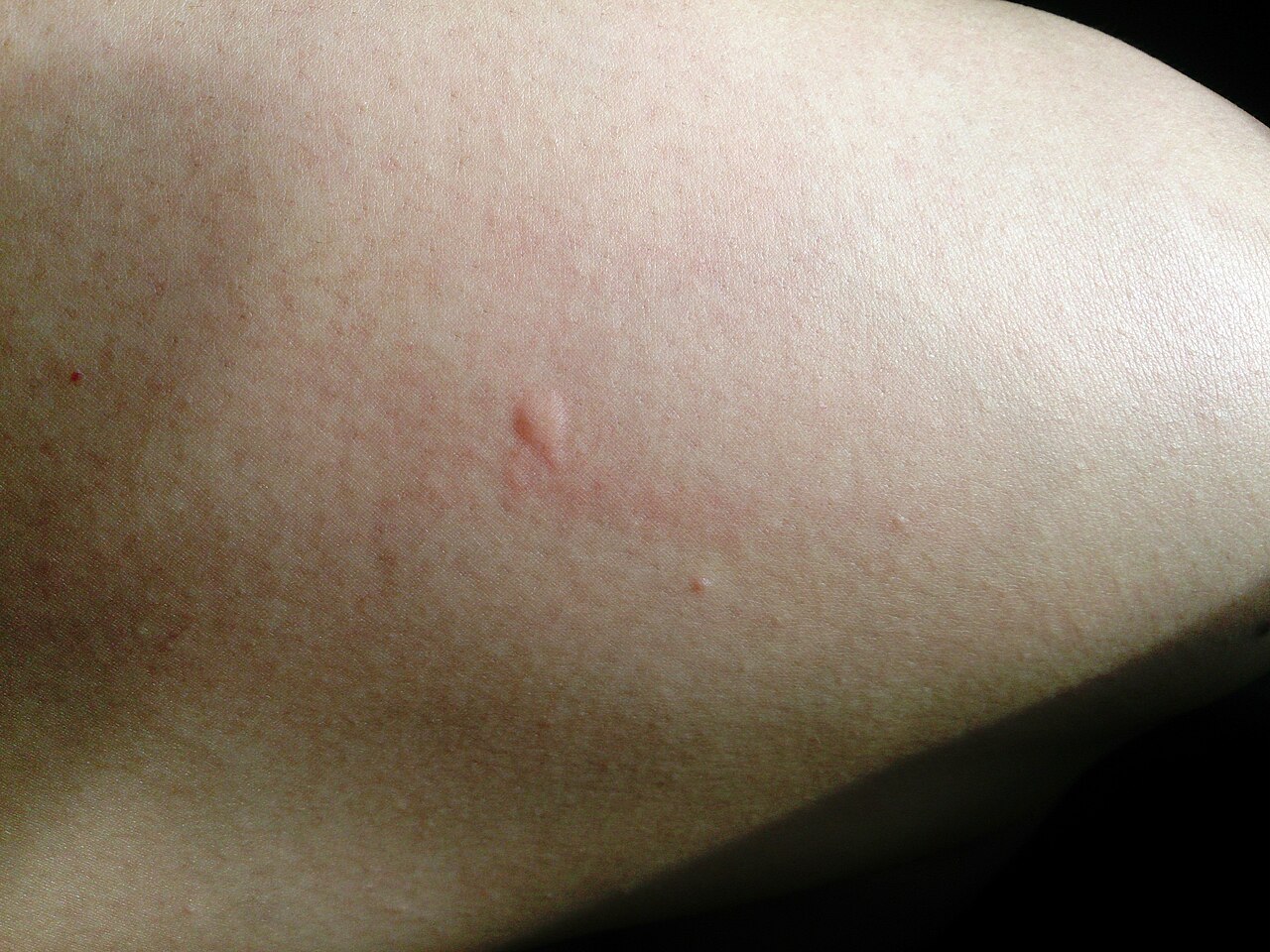
The itch runs in two waves
When a female mosquito feeds, she injects saliva containing anticoagulant proteins so your blood flows freely while she drinks. Only females take blood meals, because they need the protein and iron to nourish their developing eggs, according to the University of Pittsburgh Department of Immunology.
Your body reads those saliva proteins as invaders. Mast cells in your skin release histamine and other inflammatory compounds, widening blood vessels and pulling white blood cells to the site. That fast reaction produces the familiar red bump and the first itch, usually within about 20 minutes of the bite.
The immediate reaction is a classic type I hypersensitivity response. Immunoglobulin E (IgE) antibodies on mast cells bind the saliva proteins and trigger the histamine flood. For many people, though, this is only wave one.
Why the second wave arrives late
Delayed reactions to mosquito bites typically begin 1 to 2 days after the bite and are mediated through T-cell pathways that work independently of IgE, the Pitt immunology team reports. This second wave is what makes a welt feel worse on Tuesday after a Sunday bite.
Wikipedia's summary of mosquito bite allergy describes the full delayed reaction as a type IV hypersensitivity response. After the initial IgE and IgG activity, T cells recruited to the bite area drive the lingering redness, swelling, and itch. The reaction can take days to fully resolve.
Most people experience both an immediate and a delayed phase, according to the Pitt researchers. The delayed response peaks roughly 24 to 48 hours after the bite, which is why day two often itches more than the first hour. Your lifetime bite history shapes which waves you feel: first-ever bites cause little reaction, while repeated exposure builds both phases, and heavy lifetime exposure can eventually desensitize people almost completely.
What makes some bites itch worse
Scratching is the biggest amplifier. It feels like relief for a second, but the mechanical damage prompts pain-sensing neurons to release a molecule that stimulates mast cells again, releasing more histamine. Science Insights describes this as restarting the inflammatory cycle, which is how a simple bite turns into a sore that lingers for a week.
A bite from an unfamiliar mosquito species can also hit harder. Your immune system builds partial tolerance to local mosquitoes over the years, so travelers bitten by a new species often get larger, longer-lasting welts. Children react more strongly than adults for the same reason: less practice with mosquito saliva means a louder immune answer.
Then there is skeeter syndrome, the large local allergic reaction to mosquito saliva. It typically appears within hours of the bite and can take 3 to 10 days to resolve, per the mosquito bite allergy literature. Swelling the size of a golf ball on a toddler looks alarming, but it is the same histamine machinery running hot rather than a different disease.
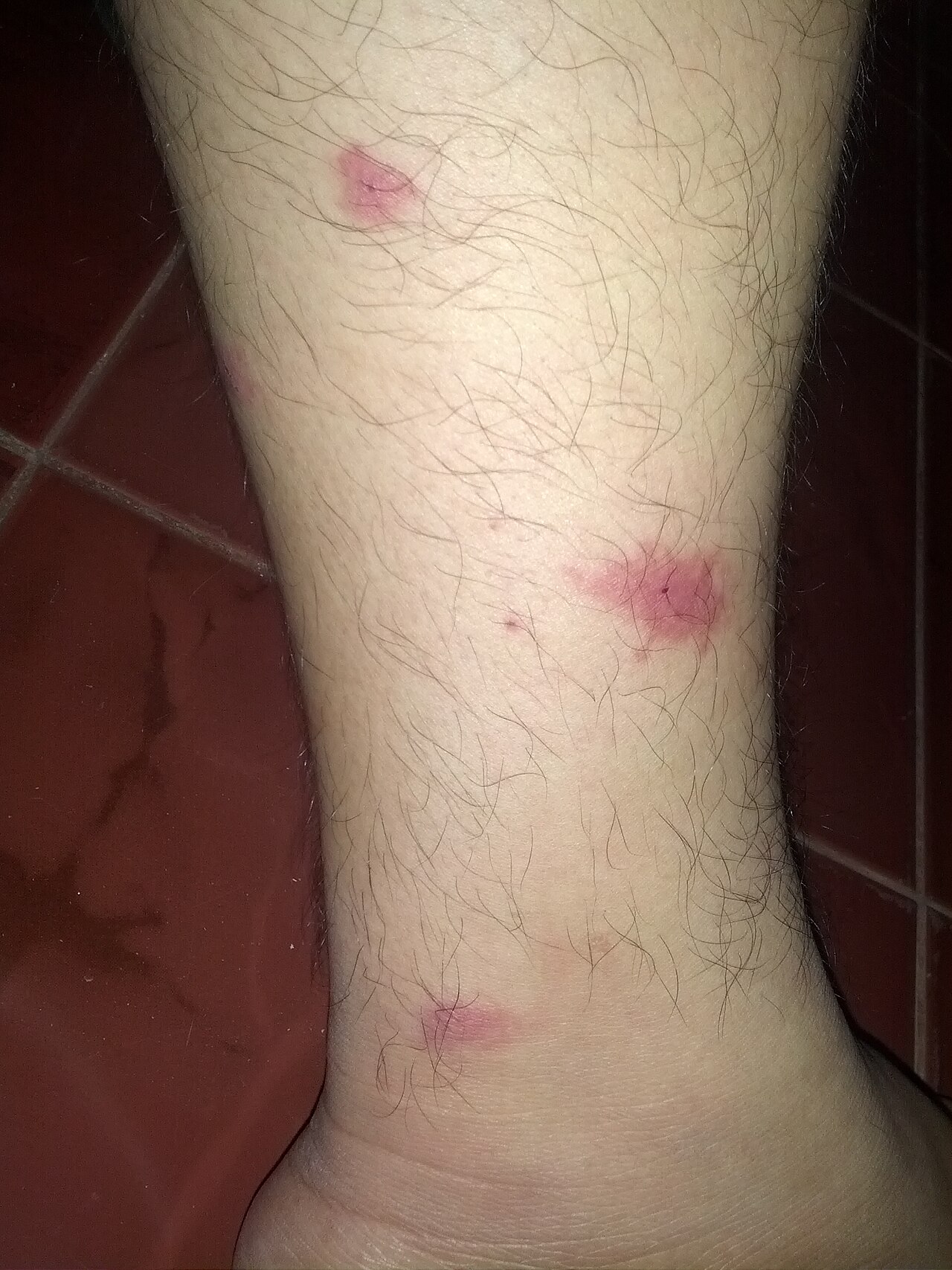
When to get a bite checked
Normal late itching is annoying but harmless. The red flags are different: a bite that keeps spreading after two weeks, skin that feels hot to the touch, red streaks radiating from the bite, or swelling paired with fever. Those can signal a secondary bacterial infection from scratching, which needs antibiotics, not antihistamines.
Signs of a severe systemic reaction are rarer but urgent: trouble breathing, swelling of the lips or face, or dizziness after bites. Those point to anaphylaxis, which needs emergency care. When in doubt, a pharmacist or clinician can look at the bite in person and tell an allergic reaction apart from infection.
Mosquito bites: questions people ask
Why does a bite itch more on day two than on day one?
Day one brings the fast histamine wave. Day two brings the delayed T-cell wave, which peaks 24 to 48 hours after the bite and can last several days.
Does scratching really make it worse?
Yes. Scratching releases more histamine through a mast-cell feedback loop, which intensifies itching and can break the skin and invite infection.
Why do some people barely react to bites?
Lifetime exposure builds tolerance. People in the final desensitization stage after years of bites show little or no reaction, while children and travelers to new regions react strongly.
How long should a normal bite itch?
Most bites itch hardest for 3 to 4 days, with the worst in the first 24 to 48 hours. Larger allergic reactions like skeeter syndrome can take 3 to 10 days to settle.
Can I stop the delayed reaction?
Cooling the bite, oral antihistamines, and not scratching help symptoms, but the delayed immune response runs its course on its own. See a clinician if swelling keeps growing or fever develops.
The bottom line
A mosquito bite itches hardest days later because your immune system fights in two waves: a fast histamine reaction within minutes and a slower T-cell response that peaks 24 to 48 hours later. Scratching, unfamiliar mosquito species, and skeeter syndrome can all stretch that timeline. Resist the scratch, cool the welt, and get checked if redness spreads or fever appears.
This article is for general information only and is not medical advice.
Latest in Health
- What Happens to Your Body When You Skip Breakfast
- Why Your Fingers Wrinkle in Water Like Prunes
- How to Stop Getting Caught in the Rain on a Hike
Subscribe for one practical health explainer in your inbox every morning.
Related stories
ADHD linked to fourfold dementia risk in Pitt study of 187,000 adults
Adults with ADHD face four times the risk of dementia, a University of Pittsburgh study of 187,000 adults published in JAMA Psychiatry
Why Do Athletes Get Cramps Despite Drinking Water?
Muscle cramps strike even well-hydrated athletes because sweat drains electrolytes that plain water cannot replace. Here is why water alone
Do bananas actually prevent muscle cramps?
A medium banana has 422 mg of potassium, but the evidence says it cannot stop cramps. Here is what the research shows, and what actually