
North Sea oil workers turn to weight-loss jabs before 124kg flight rule
Web StoryWatch this story in 15 seconds →Key takeaways
- From Sunday, offshore workers over 124kg cannot fly by helicopter to UK oil platforms.
- About 2,200 workers were over the limit in 2025; fewer than 250 remain, says OEUK.
- Many used weight-loss jabs to qualify; those still over the limit could lose their jobs.
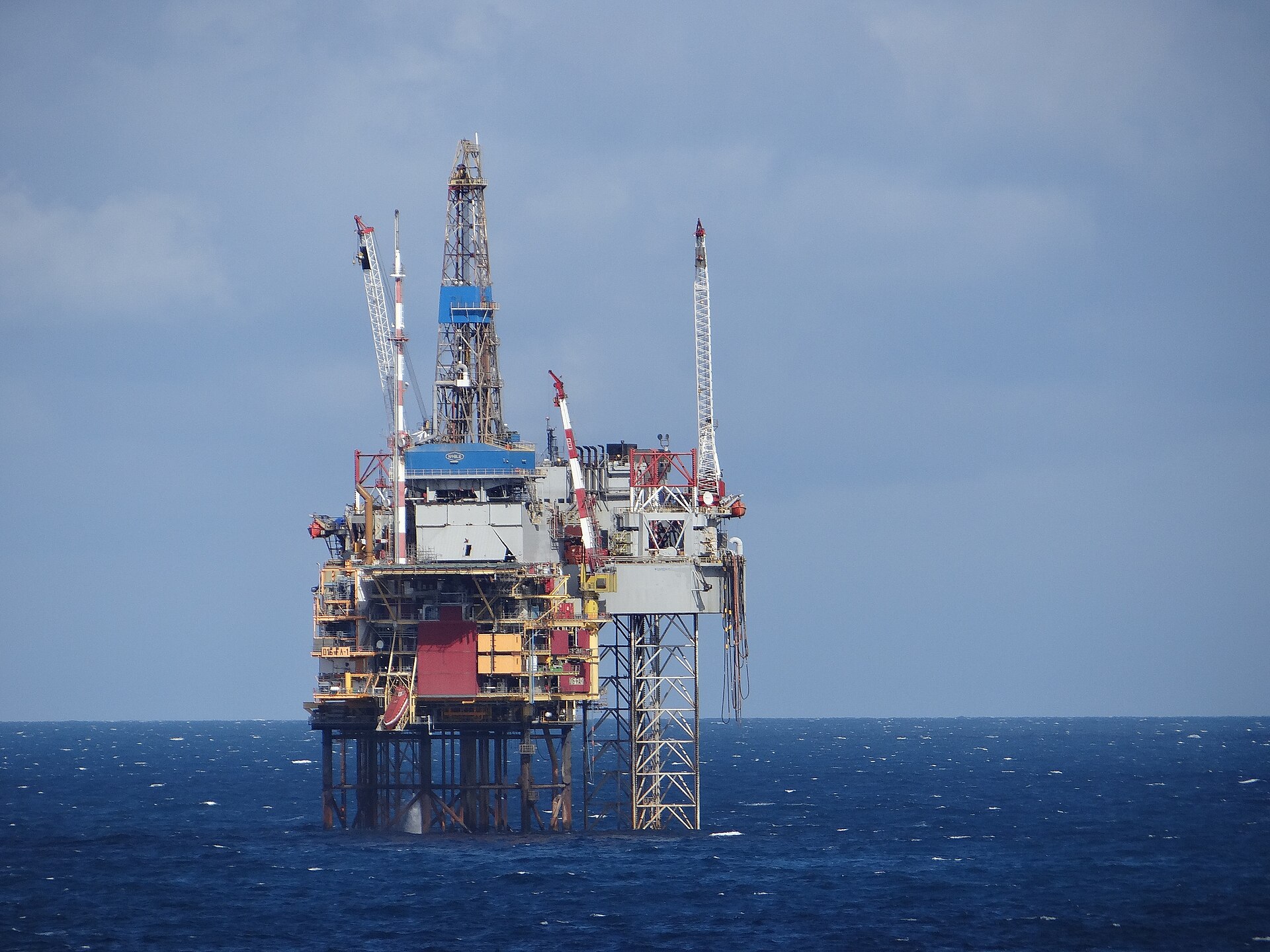
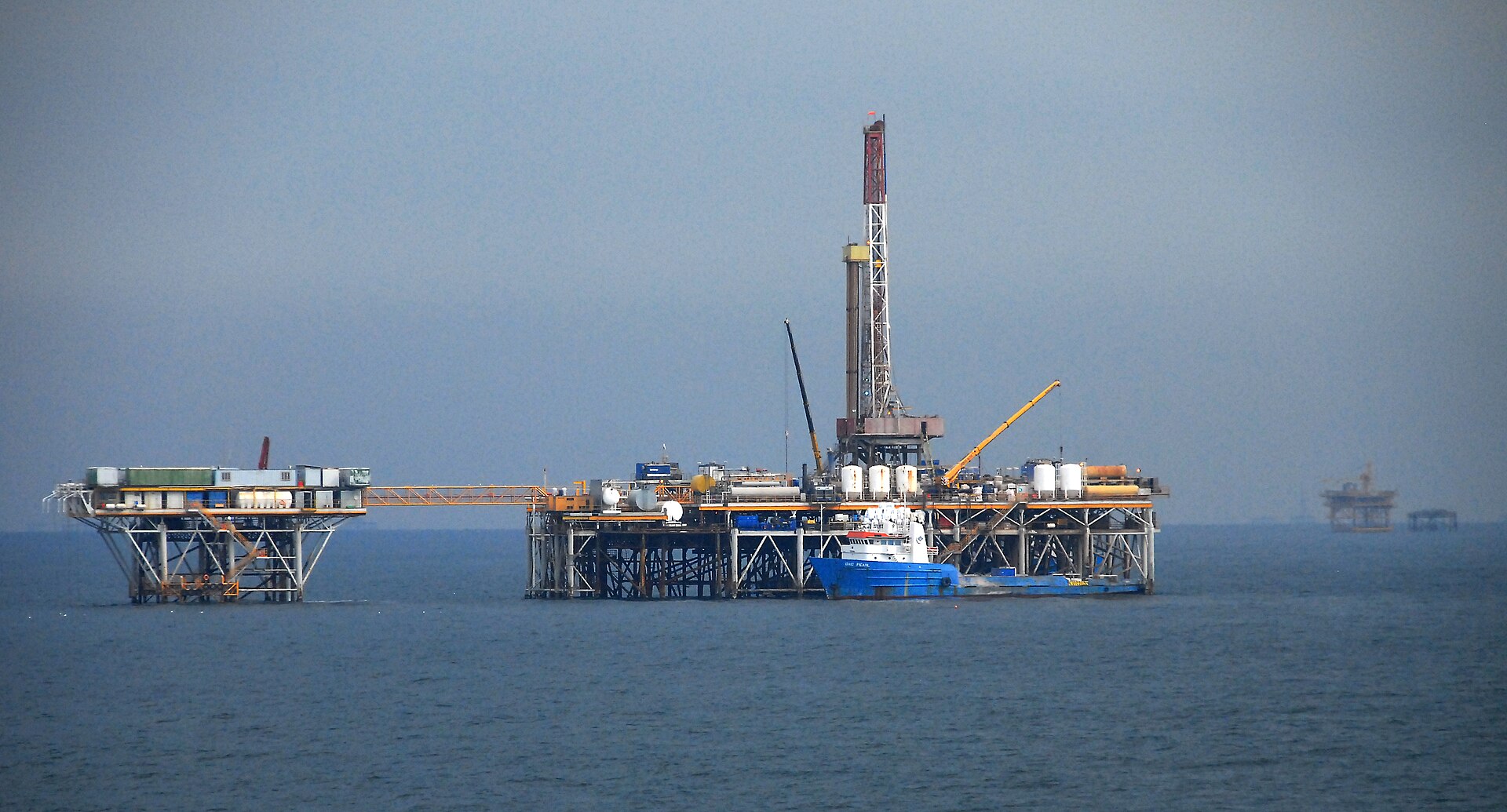
From Sunday, UK offshore workers over 124kg cannot take helicopters to oil platforms. Hundreds have used weight-loss jabs to get under the limit. Up to 300 may still fail the check and could lose their jobs.
What happened
Offshore Energies UK (OEUK) announced the rule in 2025. OEUK is the trade body for the UK offshore energy industry. It said anyone over 124kg cannot fly to platforms under UK safety rules.
124kg is about 19 and a half stone. The weight is measured in civilian clothing and footwear. The limit takes effect on Sunday.
The reason is safety. The Maritime and Coastguard Agency warned that rescue winches cannot safely lift heavier people. These winches pull people from platforms into rescue helicopters in emergencies.
The 124kg figure also covers the rescuer, a stretcher, and other kit, reported the BBC.
When the rule was announced, about 2,200 workers were over the limit. The industry then ran a slimming drive. By early 2026 the number had fallen to 840.
It is now below 250, according to OEUK, reported the BBC. The Independent and Sky News put the current estimate at 241 to 300 workers.
To comply, workers changed their habits. Firms added gym equipment and healthier food on platforms. OEUK health and safety leader Graham Skinner confirmed this.
But the biggest factor was weight-loss jabs. These are GLP-1 drugs that cut appetite. On one platform, 60% of staff used them, reported the BBC.
Employers fitted extra fridges to store the medication. Most workers paid for the jabs themselves. Some firms may now help with costs, Skinner said.
The background is a long-term rise in weight. The average offshore worker is now about 10kg heavier than in 2008, reported the BBC.
Why it matters
From Sunday, the rule is real. Workers will declare that they are under 124kg. Staff at heliports will check, reported the BBC.
Anyone over the limit cannot board the flight. No flight means no work offshore.
Some workers can move to onshore roles. Skinner warned that workers who chose not to lose weight face risk.
He said there is "a real possibility" they could lose their jobs. The Independent quotes him saying that in the worst cases, "somebody will lose their job."
The union disagrees. The RMT said there was no proper consultation with workers. It fears the rule gives firms a "convenient mechanism" to sack staff.
That would mean no fair redundancy pay. RMT general secretary Eddie Dempsey wants OEUK to drop the policy. He wants fresh talks with unions.
He said safety rules must be "proportionate, evidence-based" and built with workers. The Independent and Sky News reported his comments.
Health is also part of the story. In 2025, heart attacks and strokes made up 78% of offshore medical evacuations. OEUK shared this figure.
A lower weight could cut these medical flights too. Steady fat loss links to better long-term health.
Skinner said the rule will help "all aspects" of life-saving gear on platforms.
This is not the first fix the industry tried. Earlier, firms made lifeboats bigger and stronger. They sat larger workers next to the largest helicopter windows.
Skinner said that only treated the symptoms, reported the Independent.
What happens next
Sunday is the first day of the new rule. Between 241 and 300 workers may still be over the limit. Their employers may move them onshore.
Others may lose their jobs.
The union fight will likely grow. The RMT wants the policy withdrawn and fresh talks. OEUK says the policy is about safety and fitness for the work.
It believes most workers will find a way through, reported Sky News.
Some firms may start paying for the jabs. Skinner said workers first paid for the drugs themselves. With the rule now live, employer support may rise.
Workers already under the limit back the rule. Skinner said the vast majority of unaffected workers are "very pleased" with it. The Independent reported this.
Fitness trackers and better food choices remain part of daily life offshore.
The UK result will be watched closely. Other countries with offshore fields face the same winch limits. If medical evacuations fall and rescues stay safe, more regulators may copy the rule.
Sunday's first weigh-ins will show how the plan holds up.
This article is for information only and is not medical advice.
Related stories
ADHD linked to fourfold dementia risk in Pitt study of 187,000 adults
Adults with ADHD face four times the risk of dementia, a University of Pittsburgh study of 187,000 adults published in JAMA Psychiatry

Why Do Athletes Get Cramps Despite Drinking Water?
Muscle cramps strike even well-hydrated athletes because sweat drains electrolytes that plain water cannot replace. Here is why water alone

Do bananas actually prevent muscle cramps?
A medium banana has 422 mg of potassium, but the evidence says it cannot stop cramps. Here is what the research shows, and what actually