
Shamonda virus found in British cattle for the first time
Web StoryWatch this story in 15 seconds →Key takeaways
- Shamonda virus has reached British livestock: two dairy farms, in Powys, Wales, and Shropshire, England, tested positive last month.
- The virus travels in biting midges, can cause fever and lower milk output in cattle, and officials say the risk to people is very low.
- There is no vaccine or specific treatment yet, so farmers are told to watch their animals closely and call a vet at the first sign of illness.

A new livestock virus has arrived in Britain. Shamonda virus spreads through biting midges.
It was found in cattle at two dairy farms last month. Officials say there is no need for alarm.
What happened
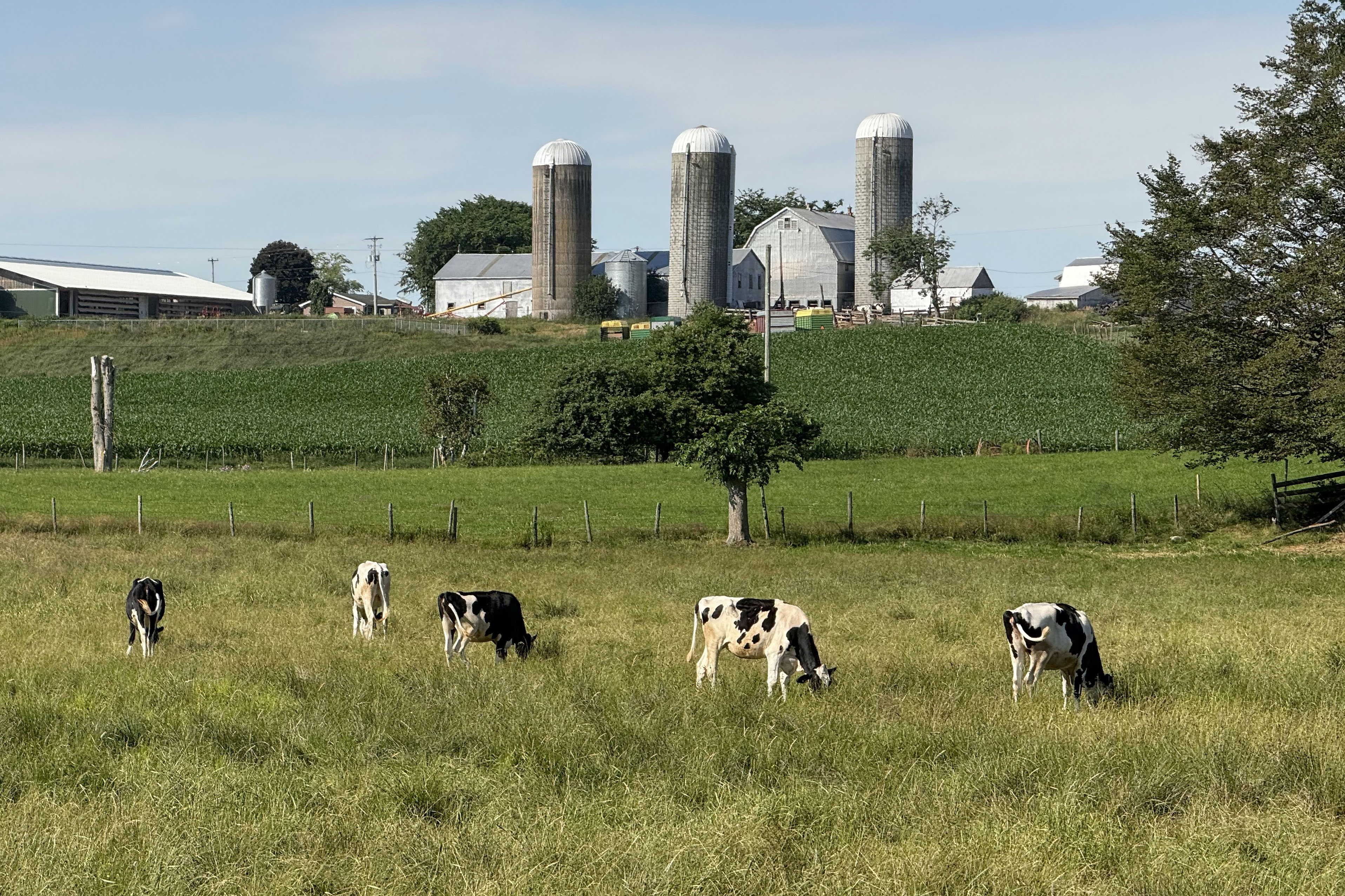
On Monday, the Animal and Plant Health Agency confirmed the news. It said cattle at two dairy farms had tested positive for Shamonda virus. One farm is in Powys, Wales. The other is in Shropshire, England.
Samples were taken during October. They were tested at APHA laboratories in Weybridge. These are the first confirmed livestock cases in Great Britain, according to the UK government.
The arrival did not surprise scientists. The virus has spread across Europe this year. According to The Sun, 14 western European countries have now recorded cases.
Earlier this year it reached cattle in Jersey and in the Republic of Ireland. GOV. UK said the detection shows that British disease surveillance is working well.
Shamonda virus belongs to the same broad group as Schmallenberg virus, according to FarmingUK. It mainly affects cattle. But it has also been found in sheep, goats, horses, and alpacas.
Tiny biting midges called Culicoides carry it from animal to animal. A single bite can pass the virus on.
Why it matters
For cattle, the signs look like common illness. Infected cows may develop a fever. They may get diarrhoea and grow lethargic. Milk output can drop. Some may show mild breathing problems, according to FarmingUK.
There is a deeper worry for breeding stock. Infection during pregnancy can lead to abortions. It can also cause birth defects in calves, according to reports from Europe.
FarmingLife notes that acute disease has not been seen in sheep or goats to date. Still, pregnant animals need close watching.
The story caught wider attention because of one human case. A severely immunosuppressed person in Lyon, France, caught the virus last month. Read more about the Shamonda virus case in France.
Before that case, the virus had never been found in a human. UKHSA says there is no sign of wider spread among people.
It calls the risk to the general public very low. It is watching the situation closely.
A virus is a tiny germ that needs a living host to survive. For a simple breakdown, see the difference between a virus and bacteria. This one travels in insects, much like West Nile virus does.
The Food Standards Agency says there is no sign of a food safety risk. Milk and meat remain safe, according to the agency.
Farmers face a familiar foe. Phil Stocker leads the National Sheep Association. He said the new arrival follows hard on the heels of bluetongue virus type three.
That midge-borne virus is still active in Britain. "These are very early days and keepers should not be overly alarmed," he said. He added that midge activity has slowed at this time of year.
There is no vaccine for Shamonda virus. There is no specific treatment either.
Vets can only give supportive care to sick animals. That means treating the symptoms while the animal recovers on its own.
The virus is not a notifiable disease. Farmers do not have to report it by law. Still, APHA urges them to check their animals for signs of illness.
Anyone with concerns should call their private vet. Early treatment gives animals the best chance.
What happens next
Defra, the Welsh Government, the Scottish Government, and APHA will keep watching. They will review the evidence as it comes in. For now, they see no need for extra control measures.
The timing may help Britain. Midge numbers fall in winter.
Fewer midges means less spread. Spring will bring a new test, when midge activity rises again.
APHA has not said whether the two farms' cows showed symptoms. It has not linked the virus to lower milk yields or breeding problems there. The full impact is still unknown, according to FarmingUK.
Testing is available through APHA. Vets who suspect the virus can ask a local Veterinary Investigation Centre for advice. The National Sheep Association will keep its members posted.
This article is for information only and is not medical advice.
One case is a curiosity. Two farms are a pattern.
Britain now joins a growing European list. Next spring will show whether Shamonda virus settles in or fades away.
Related stories
ADHD linked to fourfold dementia risk in Pitt study of 187,000 adults
Adults with ADHD face four times the risk of dementia, a University of Pittsburgh study of 187,000 adults published in JAMA Psychiatry

Why Do Athletes Get Cramps Despite Drinking Water?
Muscle cramps strike even well-hydrated athletes because sweat drains electrolytes that plain water cannot replace. Here is why water alone

Do bananas actually prevent muscle cramps?
A medium banana has 422 mg of potassium, but the evidence says it cannot stop cramps. Here is what the research shows, and what actually