
What Is the Difference Between a Virus and Bacteria?
Key takeaways
- Bacteria are single-celled living organisms that reproduce on their own, while viruses are particles of genetic material that must hijack a host cell to copy themselves.
- Antibiotics treat bacterial infections only, because they target structures viruses do not have.
- Symptoms alone rarely separate the two, since both can cause fever, cough, fatigue, and similar complaints.
A sore throat can be bacterial or viral. So can a cough, a fever, or an upset stomach. The two culprits look alike from the outside, but they are built differently, they reproduce differently, and they respond to different treatments.
Knowing which one is which explains why a doctor sometimes prescribes antibiotics and sometimes says to rest and wait.
This article explains what is the difference between a virus and bacteria, including how each one is built, how each one spreads, how doctors tell them apart, and how treatment differs.
What bacteria are
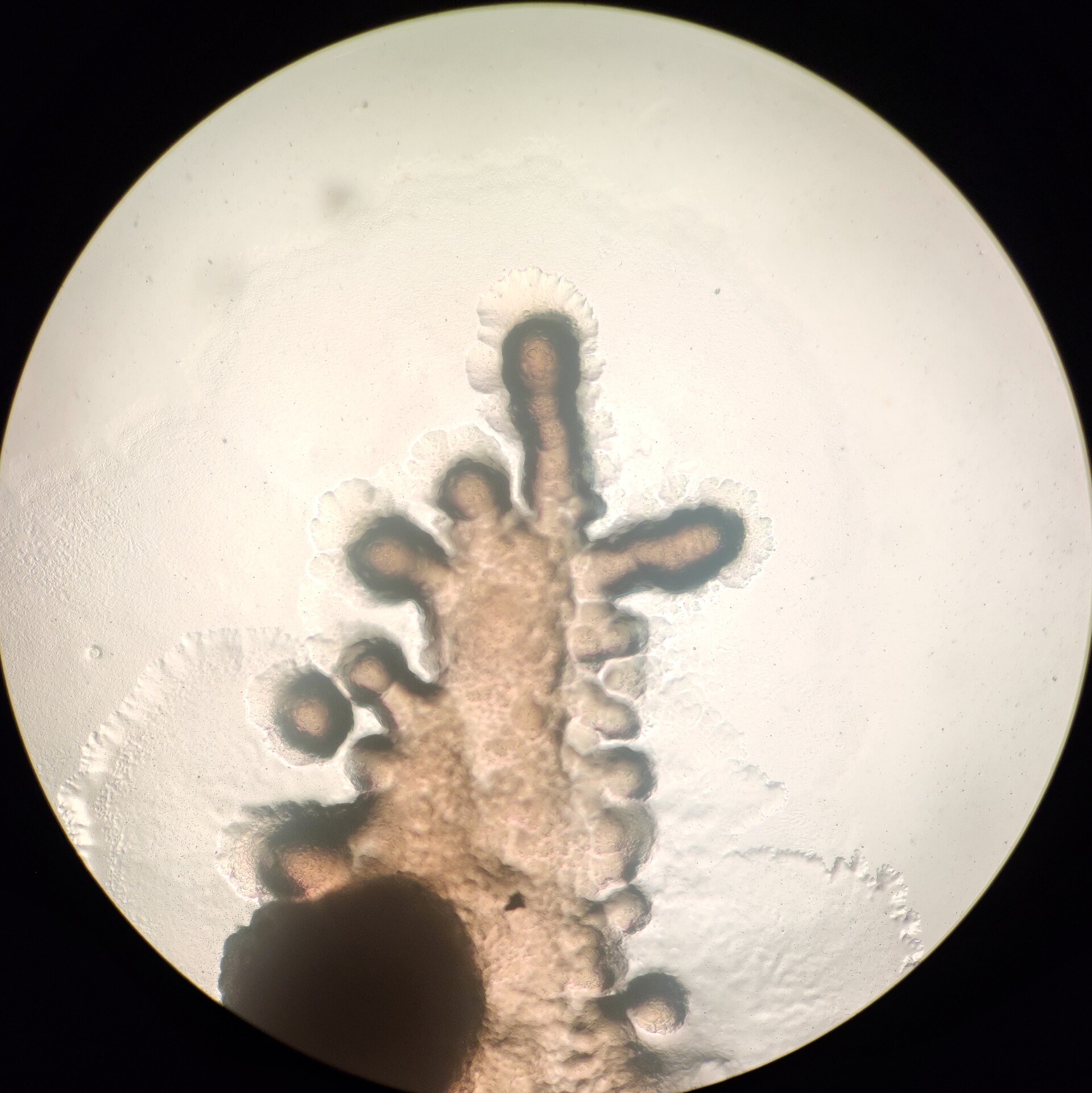
Bacteria are single-celled organisms. Each one is a complete living cell with a rigid wall, a thin membrane, and fluid inside that carries out the chemistry of life. They can take in nutrients, produce energy, and reproduce without help from any other cell.
Most bacteria are harmless. Many are helpful: the bacteria in your gut help digest food, and others compete with harmful microbes or supply nutrients your body uses. According to WebMD, fewer than 1% of bacteria cause diseases in people.
That figure surprises most readers, because the bacteria that make headlines are the rare harmful minority.
Bacteria have existed for a very long time. Fossil records show bacteria going back about 3.5 billion years, and they survive in extreme heat and cold, in radioactive waste, and inside the human body. They are also large by microbe standards, typically 0.5 to 5 micrometres across, which is big enough to see with an ordinary light microscope.
Bacteria reproduce by binary fission. One cell copies its DNA, grows, and splits into two identical daughter cells. Under ideal conditions, some bacteria can divide every 20 minutes or so, which is why a bacterial infection can grow quickly once it takes hold.
Common bacterial infections include strep throat, Lyme disease from tick bites, urinary tract infections caused by E. coli, and food poisoning from Salmonella and Campylobacter. Skin infections such as impetigo, boils, and cellulitis are also usually bacterial.
This is the same pattern behind the common cold and flu comparison in our guide to the difference between a cold and the flu.
What viruses are
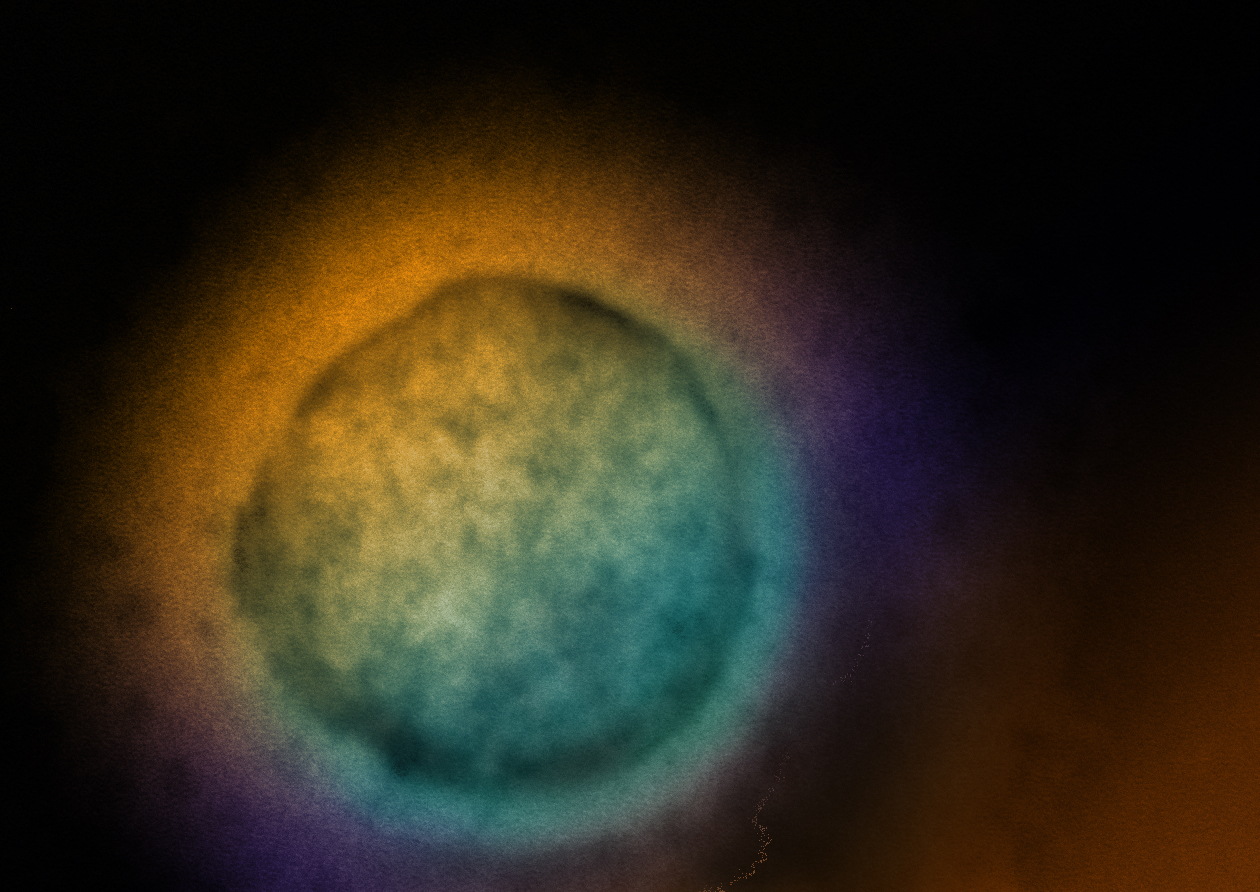
Viruses are not cells at all. Each virus particle is a packet of genetic material, either DNA or RNA, wrapped in a protein coat called a capsid. Some also carry an outer envelope made of lipids borrowed from a host cell.
That is the whole virus: instructions and packaging, with no machinery of its own.
Viruses are far smaller than bacteria, typically 20 to 300 nanometres across. The largest viruses are still smaller than the smallest bacteria. They cannot be seen with an ordinary microscope, and they cannot carry out metabolism on their own.
Outside a host, a virus particle is inert, basically a floating set of instructions waiting for a cell.
That is why scientists describe viruses as sitting in a gray zone around the definition of life. Bacteria tick the usual boxes for living things: they use energy, grow, respond to their surroundings, and reproduce independently. Viruses do none of those things on their own.
They only become active inside a host cell, where they hijack the cell's machinery to make new virus particles.
Viruses reproduce by infection, not by division. A virus attaches to a host cell, enters it or injects its genetic material, and forces the cell to build viral proteins and copies of the viral genome. Those parts assemble into new virus particles, which leave the cell, often by bursting it open, and go on to infect more cells.
Common viral infections include the common cold, flu, COVID-19, norovirus, and hepatitis. Some viruses, such as HIV, stay in the body for life. Others cause short illnesses that the immune system clears within a week or two.
The practical differences at a glance
Size is the first difference. Bacteria measure in micrometres, viruses in nanometres, making viruses roughly 10 to 100 times smaller than bacteria. A filter that catches bacteria may let viruses straight through, which is one reason water treatment and lab work handle them differently.
Structure is the second difference. A bacterium is a self-contained cell with a wall, membrane, ribosomes, and its own metabolism. A virus has no cell wall, no ribosomes, and no metabolism of its own.
Antibiotics exploit exactly that gap: they attack bacterial walls and bacterial machinery, and viruses simply do not have those targets.
Reproduction is the third difference. Bacteria divide on their own, in soil, water, food, or inside a body. Viruses must be inside a living host cell to make copies.
That is also why viruses tend to be picky: a virus that attacks liver cells usually cannot infect lung cells, because it needs the right receptors to get inside.
Helpfulness is the fourth difference. Many bacteria are useful or harmless, and only a small minority cause disease. Most viruses that infect people cause illness, though some viruses infect bacteria rather than people.
Those bacteria-infecting viruses are called bacteriophages, and researchers study them as a possible tool against drug-resistant bacteria.
Why symptoms alone cannot tell them apart
Both bacterial and viral infections can cause coughing, sneezing, fever, inflammation, vomiting, diarrhea, fatigue, and cramping. These symptoms are largely the immune system at work, trying to clear the infection, so they look similar whatever the cause.
That overlap is why a diagnosis based on symptoms alone is often a guess. Pneumonia, meningitis, and diarrhea can each be caused by either a bacterium or a virus. A doctor usually combines the history of the illness with a physical exam, and orders tests when the answer changes treatment.
For suspected bacterial infections, doctors may send samples of urine, stool, blood, skin, sputum, or fluid from around the brain and spinal cord to the lab. For suspected viral infections, labs look for the virus itself, its antigens, or the antibodies the immune system made against it. Scans such as X-rays or ultrasounds can show how an illness is affecting the body, but they cannot identify a virus on their own.
Time course gives a hint, not a verdict. A bacterial infection often clears in a week or two with antibiotic treatment. Most respiratory viruses also clear in a week or two without specific treatment.
Some viral infections, such as hepatitis, can become chronic and last years. The pattern helps, but testing settles it.
How treatment differs
Antibiotics treat bacterial infections. They work by killing bacteria or stopping them from growing, and different antibiotics target different kinds of infection. The discovery of antibiotics ranks among the most important breakthroughs in medical history, but overuse has made many bacteria resistant, which is a serious problem, especially in hospitals.
Antibiotics do not work on viruses. The Royal Free London NHS trust puts it plainly: antibiotics do not work against infections caused by viruses such as colds, flu, most coughs, or sore throats. They are only effective against bacterial infections.
Taking an antibiotic for a viral illness will not speed recovery, and it can cause side effects such as an upset stomach, diarrhea, or a skin rash.
That is also why finishing a prescribed course matters. Stopping early can leave the toughest bacteria alive, and those survivors can pass resistance on to the next generation. Antibiotic resistance is a growing public health problem, and unnecessary prescriptions feed it.
Our guide to how vaccines train the immune system explains the other side of prevention.
Viral infections are treated differently. Vaccines prevent many viral diseases, including polio, measles, chickenpox, flu, hepatitis A and B, and HPV, and vaccination remains the best protection against them. Antiviral medicines exist for some viral illnesses, such as herpes simplex infections, HIV, and influenza, but they usually speed recovery rather than cure the infection outright.
For most viral illnesses, the body clears the infection with rest, fluids, and supportive care.
Sometimes the two overlap. A viral illness such as a cold can lead to a bacterial infection, for example when fluid builds up in the ear or sinuses and bacteria grow in it. In that case, an antibiotic can help clear the bacterial infection, but it still does nothing to the virus itself.
When to seek care
Most colds and mild viral illnesses pass on their own. Seek care promptly if symptoms are severe, if breathing is difficult, if a high fever will not come down, or if an illness keeps getting worse instead of improving. A doctor can test for the cause and prescribe only when a bacterial infection is the likely target.
Bring a short list of facts to the visit: when symptoms started, what the fever has been, which medicines you already took, and whether you have allergies to antibiotics. That history helps the doctor decide whether testing is needed and whether an antibiotic is worth prescribing. For everyday symptom questions, our guide on why you feel dizzy when you stand up fast follows the same plain-language approach.
This article is for general information, not medical advice. If you are unsure whether an illness needs care, contact a clinician or a pharmacist rather than guessing.

Can you catch a virus and bacteria at the same time?
Yes. A viral infection can weaken defenses and open the way for a bacterial infection, such as an ear or sinus infection after a cold. Doctors treat the bacterial part when it appears.
Are all bacteria harmful?
No. Fewer than 1% of bacteria cause disease in people, according to WebMD. Many help with digestion, compete with harmful microbes, and supply nutrients.
Why do doctors sometimes wait before prescribing antibiotics?
Because antibiotics do not help viral infections, and unnecessary use builds resistance. Waiting, testing, or watching symptoms for a day or two can avoid a useless prescription.
Can vaccines prevent bacterial infections too?
Some can. Vaccines exist for several bacterial diseases, including pneumococcal disease and meningitis caused by certain bacteria. Most of the best-known vaccines target viruses.
Outlook
Bacteria are living cells that reproduce on their own, and viruses are instruction packets that need a host cell to copy themselves. That single split explains the treatment gap: antibiotics attack bacterial machinery that viruses do not have. When you are ill, the useful question is rarely "how bad are my symptoms" and usually "what is causing them," because the cause decides the treatment.
Tags: virus, bacteria, infection, antibiotics
Latest in Health
- What Is the Difference Between a Cold and the Flu?
- Why Do You Feel Dizzy When You Stand Up Fast?
- The Difference Between Good and Bad Cholesterol in Simple Terms
- What Happens in the Brain When You Cannot Fall Asleep
Subscribe for one plain-language health explainer each week.
Related stories

ADHD linked to fourfold dementia risk in Pitt study of 187,000 adults
Adults with ADHD face four times the risk of dementia, a University of Pittsburgh study of 187,000 adults published in JAMA Psychiatry

Why Do Athletes Get Cramps Despite Drinking Water?
Muscle cramps strike even well-hydrated athletes because sweat drains electrolytes that plain water cannot replace. Here is why water alone

Do bananas actually prevent muscle cramps?
A medium banana has 422 mg of potassium, but the evidence says it cannot stop cramps. Here is what the research shows, and what actually