
How Do Vaccines Train Your Immune System in Simple Terms?
Key takeaways
- A vaccine shows the immune system a harmless version of a germ so it can learn the shape.
- The immune system then makes antibodies and keeps memory cells for a fast reply later.
- On a real infection, memory cells respond in days rather than starting from scratch.
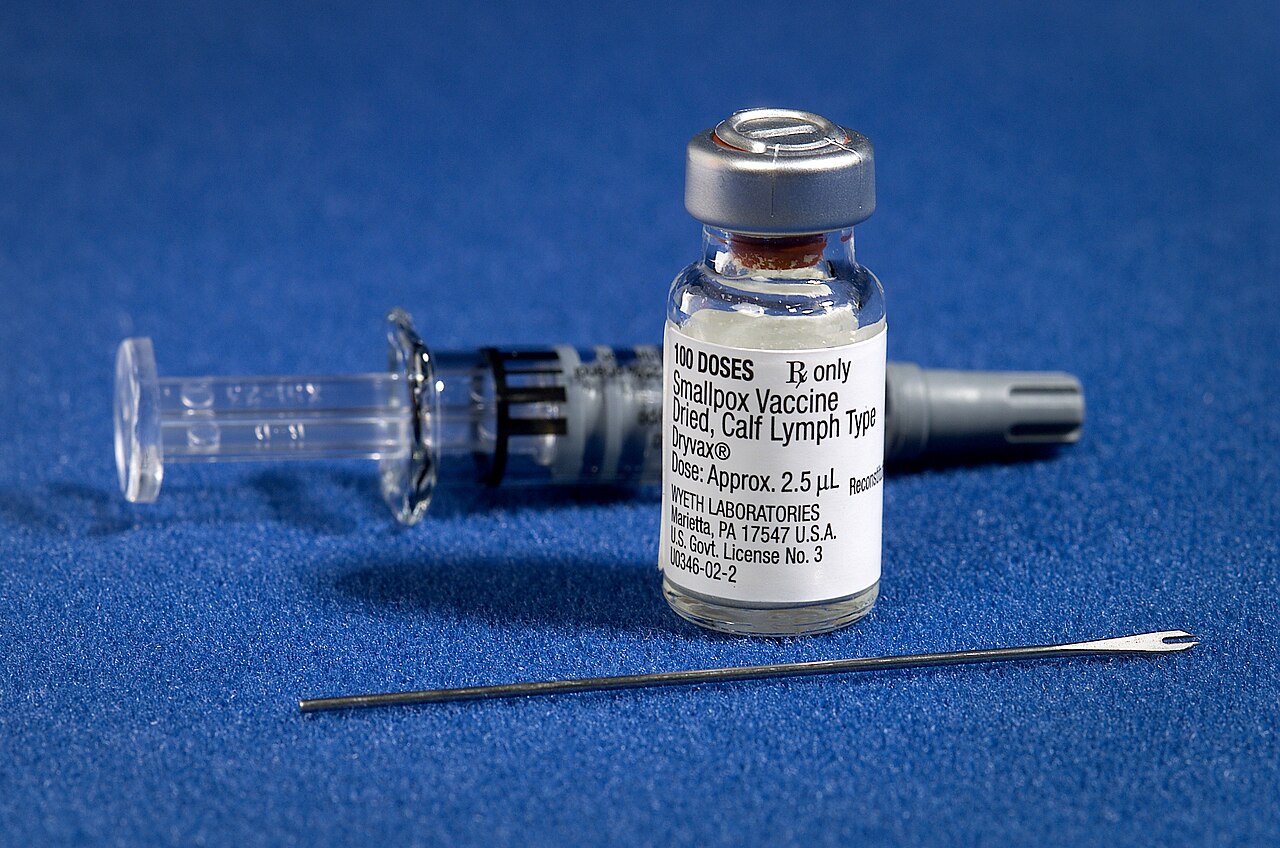
A vaccine is a practice run for the immune system. It introduces the body to a harmless version of a germ, or to a part of one, so the immune system can learn to recognize it. If the real germ shows up later, the immune system already knows what it looks like and can respond fast.
That fast response is the whole point. The first time the body meets a new germ, building a defense takes days. Some germs can do serious harm in that time.
A vaccine moves the learning to a safe moment, before the real germ arrives.
This article explains how do vaccines train your immune system in simple terms, including antigens, antibodies, memory cells, and why some vaccines need more than one dose.
The cast: antigens, antibodies, and memory cells
Three terms carry the whole explanation. Learn these and the rest falls into place.
An antigen is a marker on a germ that the immune system can recognize. Think of it as a face. The immune system learns faces, and each germ has its own.
A vaccine works by showing the immune system a face without the danger behind it.
An antibody is a protein the immune system makes to match a specific antigen. Antibodies latch onto their target antigen. That can block a germ directly or tag it so other immune cells can clear it.
Each antibody fits one antigen, like a key fits one lock.
Memory cells are immune cells that survive after the first encounter and remember the antigen. They are the reason the second response is faster than the first. The World Health Organization (WHO) explains that vaccines prompt the immune system to respond much as it would on a first reaction to the real germ, but the weakened version will not cause the disease.
Step 1: the vaccine shows the immune system a safe target
Vaccines come in several forms, but all of them share one job: deliver the antigen safely. The WHO lists the main forms. Some vaccines contain weakened parts of a germ.
Others contain inactive parts. Newer vaccines contain the blueprint for producing antigens, DNA or RNA, rather than the antigen itself.
A live-attenuated vaccine uses a weakened form of the germ that can still copy itself a little, which builds strong, long-lasting immunity, often with fewer doses. Measles, mumps, and rubella (MMR) and chickenpox vaccines use this form. An inactivated vaccine uses a killed version of the germ that cannot copy itself, which is safer for people with weak immune systems but often needs booster doses.
Polio and hepatitis A vaccines use this form. Subunit and mRNA vaccines use only specific antigens or the genetic instructions to make them, focusing the immune system on the most important target features.
Whichever form is used, the key point is the same: the vaccine cannot cause the disease it protects against, because the dangerous part has been removed or weakened. The immune system still sees the antigen and treats it as an invader worth learning.
Step 2: the immune system builds antibodies
Once the immune system spots the antigen, it starts making antibodies matched to it. This is the primary response, and it takes days. The Centers for Disease Control and Prevention (CDC) notes that a healthy person can produce millions of antibodies a day, fighting infection so well that people often never know they were exposed to a germ.
B cells are the antibody factories. When a B cell meets its matching antigen, it starts producing antibodies shaped to fit it. Helper T cells coordinate the response, and cytotoxic T cells can destroy cells that are already infected.
Together, these cells clear the vaccine material and wind the response down.
This stage is also when a sore arm or a mild fever can appear. Those are signs that the immune system is active, not signs of the disease. They fade as the response settles.
The immune system is doing exactly what the vaccine asked it to do.
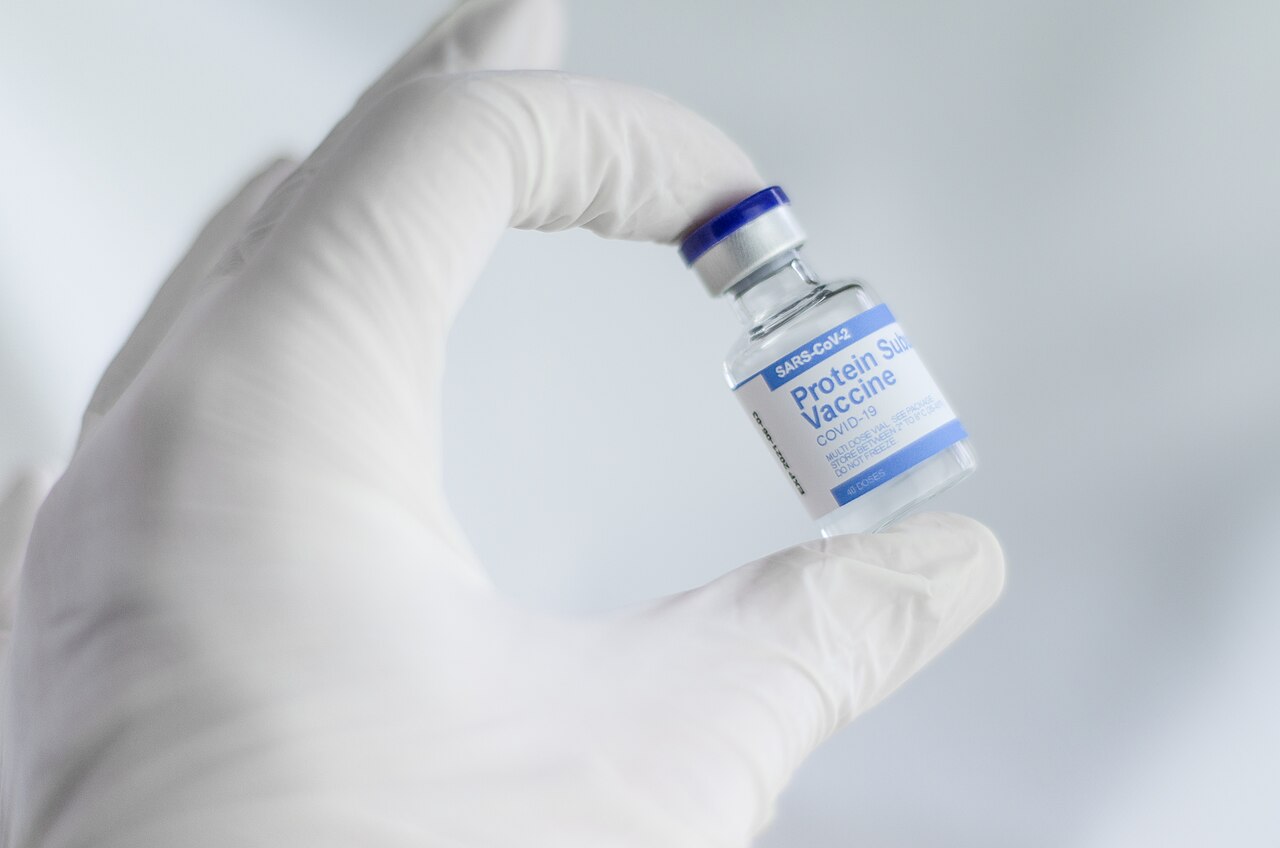
Step 3: memory cells keep the lesson
After the threat passes, most antibody-producing cells die off. A small number of B cells and T cells survive as memory cells. They carry the record of the antigen.
The WHO explains that some vaccines need doses weeks or months apart to allow the production of long-lived antibodies and the development of memory cells.
Memory cells are the training payoff. They do nothing day to day. They wait.
If the same antigen appears again, they launch a secondary response that is faster and stronger than the first. Antibody levels rise in days rather than the week or more a first response can take.
Live Science describes this plainly: after the threat has passed, many antibodies break down, but immune cells called memory cells remain in the body. When the body meets that antigen again, the memory cells produce antibodies fast and strike down the invader before it is too late.
Step 4: the real germ meets a prepared defense
Now the practice run pays off. If the real germ enters the body, the immune system skips the slow learning phase. Memory cells recognize the antigen at once and flood the body with matching antibodies.
The germ is blocked or cleared before it can multiply to levels that cause illness.
This is why vaccinated people often never feel sick after exposure. The defense started before the germ gained ground. It is also why timing matters.
A vaccine given after exposure may still help in some cases, but the classic benefit comes from training done in advance.
No vaccine is perfect. Some people respond less strongly than others. Some germs change over time, which is why flu vaccines are updated each year.
Protection can also fade, which is why booster doses exist. A booster is a refresher lesson: it shows the antigen again and rebuilds antibody levels and memory.
Why some vaccines need more than one dose
A single dose teaches the immune system the antigen. A second dose deepens the lesson. The WHO explains that doses given weeks or months apart allow long-lived antibodies to form and memory cells to develop.
The gap matters. Rushing doses closer together does not speed up learning.
Different vaccines use different schedules because their antigens differ. Some build strong memory in one dose. Others need two or three doses plus later boosters.
The schedule on a vaccination card reflects testing of what produces lasting memory for that vaccine.
Children get many vaccines early because their immune systems are meeting the world for the first time. Spacing doses across childhood builds protection before exposure becomes likely. The WHO estimates that childhood vaccines alone save over 4 million lives every year.

How this differs from natural infection
Natural infection also builds memory cells. The difference is the price. A natural infection can cause serious illness, spread the germ to others, and leave lasting harm.
A vaccine builds the same memory without the illness.
The European vaccination information portal puts it this way: vaccines teach the immune system to fight a disease in case it ever comes into contact with it. People who become immune by catching the actual disease can spread it to others and risk serious complications.
There is also a community effect. When enough people are protected, a germ spreads more slowly, which shields people who cannot be vaccinated, including very young babies and people with certain allergies. The WHO notes that not everyone can be vaccinated, and those people depend on others being vaccinated to stay safe.
What vaccines do not do
Vaccines do not change DNA. mRNA vaccines carry instructions that tell cells to make one antigen for a short time, then the instructions break down. The instructions never enter the part of the cell that holds DNA.
Vaccines do not overwhelm the immune system. The immune system meets thousands of antigens every day from food, dust, and the environment. A vaccine adds a tiny, controlled number by comparison.
The training analogy holds: a drill is a small, planned effort, not an overload.
Vaccines do not guarantee that no one gets sick. They reduce the chance of infection and, more reliably, the chance of severe illness. Breakthrough infections happen, usually milder than infections in unprotected people.
That is consistent with how memory cells work: they speed the response, but the race between germ and defense still has to be run.
How long does vaccine protection last?
It depends on the vaccine and the germ. Some vaccines protect for decades or a lifetime. Others fade over years and need boosters.
Flu vaccines are updated yearly because flu viruses change fast, not only because protection fades.
Do vaccines contain the live germ?
Some do, in weakened form. Live-attenuated vaccines use a weakened germ that cannot cause serious disease in a healthy person. Inactivated, subunit, and mRNA vaccines contain no live germ at all.
Why do I feel unwell after a vaccine?
A sore arm, tiredness, or a mild fever means the immune system is responding to the antigen. These effects usually pass within a day or two. They are not the disease, and they show the training is under way.
Can a vaccine give me the disease it protects against?
No. Vaccines use weakened, killed, or partial germs, or the blueprint for one antigen. They cannot cause the disease.
A person who falls ill around the time of vaccination was usually exposed to a germ before or after the dose.
Outlook
The immune system learns by meeting antigens. Vaccines arrange that meeting on safe terms: a harmless version of the germ, a measured antibody response, and memory cells that keep the lesson. When the real germ arrives, the response is fast because the learning already happened.
That is the training analogy in full. Show the face, build the antibodies, keep the memory, and let the second meeting be short. It is a simple idea, and it is why vaccination remains one of the most effective ways to prevent serious illness.
This article is for general information, not medical advice.
Tags: vaccines, immune system, antibodies, science explainer
Latest in Science
- Why do we have leap years, and what would happen without them?
- How does a compass find north?
- Why does gravity pull things down?
- Why do earthquakes happen, and why do some places get more?
Subscribe for one plain-English science explainer each week.
Related stories

Why diamond is hard and graphite is soft when both are carbon
Diamond and graphite are both pure carbon, yet diamond is 10 on the Mohs scale and graphite is 1 to 2. The difference is not the atoms;

Why Hot Water Can Freeze Faster Than Cold: The Mpemba Effect Explained
Hot water can freeze faster than cold under specific conditions. The Mpemba effect, named for a 1963 schoolboy experiment, still divides

How Magnets Work at the Atomic Level: Spins, Domains, and Iron
Magnetism comes from electrons: their spin and orbits make each atom a tiny magnet. In iron, quantum forces align these atomic magnets into