
Cold vs Flu: What the Difference Means for Your Week
Key takeaways
- A cold creeps in slowly with congestion and sneezing, while flu often hits within hours.
- Fever, body aches, and deep tiredness point more toward flu than a cold.
- Symptom patterns suggest which illness fits, but only a flu test can confirm flu.
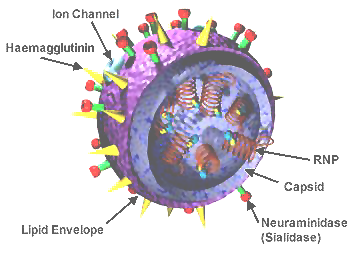
Munson, Edward Lyman, 1868-1947*
Image Credits: Wikimedia Commons
A cold is a viral infection of the nose and throat that usually stays mild. It builds slowly, with congestion, sneezing, and a sore throat doing most of the damage. Most people keep going through a cold, even if they feel rough for a few days.
Flu, short for influenza, is also a viral respiratory illness, but it comes from influenza viruses. It tends to arrive fast and hit the whole body, not just the nose and throat. Fever, body aches, chills, and deep tiredness are its signature moves.
This article explains what causes each illness, including how the symptom patterns differ, why the body reacts differently, how to read your own symptoms, and when to seek care.
This article is for general information, not medical advice.
What causes a cold, and what causes flu
Colds come from several different viruses. Rhinoviruses cause most common colds, according to Live Science. Other viruses can cause colds too, which is one reason no single vaccine covers them.
Flu comes from influenza viruses alone. That narrower cause is why flu behaves more predictably than a cold. Each flu season brings circulating influenza strains, and the illness they cause follows a familiar pattern.
Both illnesses spread through respiratory droplets. Coughs, sneezes, and close conversation launch droplets that others can breathe in. Touching a contaminated surface and then touching your face can also pass the viruses along.
The shared route is why hand washing and covering coughs help against both. These habits cut the chance of picking up either virus. They do not remove the risk entirely, but they lower it.
Why do different viruses cause such different illnesses? The answer sits in where they thrive and how hard the immune system fights back.
Cold viruses settle mainly in the upper airways, where they irritate the nose and throat. Influenza viruses trigger a stronger body-wide immune response, which is why flu feels like a full-body event.
How the symptom patterns differ
Onset is the clearest early clue. Cold symptoms usually come on gradually, according to the CDC. Flu symptoms can appear suddenly, often within hours of feeling fine.
Fever splits the two as well. Fever is rare with a cold, the CDC notes. With flu, fever is usual, though some people with flu never run one.
Aches follow the same split. A cold brings slight aches at most. Flu brings aches that are usual and often strong, along with chills that are fairly common.
Fatigue tells a similar story. A cold brings fatigue only sometimes, and it stays mild. Flu brings fatigue and weakness that are usual, and many people describe feeling flattened by it.
The nose and throat lean the other way. Sneezing is common with a cold and only sometimes with flu.
A stuffy nose is common with a cold and only sometimes with flu. A sore throat is common with a cold and only sometimes with flu.
Headache adds another clue. Headaches are rare with a cold, according to the CDC. With flu, headaches are common and can be severe.
Chest discomfort rounds out the picture. A cold brings mild to moderate chest discomfort and cough. Flu brings chest discomfort and cough that are common, and the cough often turns dry and persistent.
No single symptom settles the question on its own. The pattern matters more than any one item. A gradual cold with a blocked nose looks different from a sudden flu with fever and aches, even when both include a cough.

Why the body reacts differently
The immune system drives most of what you feel during either illness. A runny nose, sneezing, and a sore throat are signs of the body fighting back in the airways. Fever and aches are signs of a wider fight across the whole body.
Flu triggers that wider fight more often. The immune system releases signaling molecules that raise body temperature and sensitize muscles and joints. That is why a flu fever arrives with aches and chills, not just a warm forehead.
Colds stay local. The fight centers on the nose and throat, so congestion and sneezing dominate. The body rarely needs the full alarm of fever and chills for a cold virus.
This also explains why flu drains energy so fast. A body-wide immune response costs energy, and the tiredness is part of the defense.
Rest is not laziness during flu. It is the body spending its budget on the fight.
Age and health shape the response too. Children, older adults, and people with long-term health conditions face a higher risk of flu complications, according to HealthyLifeRemedy. Their immune systems may respond more slowly or less strongly, which gives the virus more room.
How to read your own symptoms
Start with the clock. Did you feel fine at breakfast and rough by lunch? That sudden turn points toward flu.
Did a scratchy throat build over two days into congestion? That slow build points toward a cold.
Next, scan the whole body. Fever plus aches plus deep tiredness is a flu-like pattern.
Congestion plus sneezing plus a sore throat, with little else, is a cold-like pattern. Mixed cases happen, and they are the hardest to read.
Remember that patterns suggest, not prove. Live Science reports that the only way to know for sure if you have flu is a diagnostic test for the flu virus. Most people with flu never need that test, because the result rarely changes the care plan.
Testing helps most when the answer would change a decision. HealthyLifeRemedy notes that testing can guide treatment choices and early advice for higher-risk people. If you sit in a higher-risk group, or you care for someone who does, earlier advice matters more.
Track how symptoms change over days. Colds often peak around day two or three and then ease.
Flu often stays intense for several days before it turns. A sudden worsening after improvement deserves prompt attention either way.
Keep notes if you feel foggy. A short log of temperature, symptoms, and timing helps a clinician see the pattern fast. It also stops you from guessing when asked how long you have been ill.
What to do while you recover
Rest is the first move for both illnesses. Cut back on work, training, and late nights until the worst passes. Pushing through flu tends to stretch recovery out, not shorten it.
Fluids matter for both. Water, soups, and warm drinks keep the throat comfortable and replace fluid lost through fever and mouth breathing. Alcohol and very sugary drinks do not help recovery.
Over-the-counter options can ease symptoms, but they do not cure either illness. Pain relievers, throat lozenges, and saline rinses target comfort, not the virus. Read labels, follow dose limits, and check with a pharmacist if you take other medicines.
Stay home while you feel at your worst. Both illnesses spread through droplets, so distance protects the people around you. Cover coughs and sneezes, wash hands often, and air out rooms when you can.
Watch for the turn. Flu can lead to serious complications such as pneumonia or bacterial infections, according to Live Science. Such complications are rare with colds.
A high fever that will not ease, trouble breathing, or chest pain are reasons to seek care promptly.
People with long-term health conditions should seek advice early rather than wait. The same goes for anyone caring for a baby, an older adult, or someone with a weakened immune system. Early advice costs little and can catch trouble sooner.
This article is for general information, not medical advice. Talk to a clinician about your own situation if you are unsure.
Can a cold turn into flu?
No. Colds and flu come from different viruses, so one does not morph into the other. A person can catch one after the other, which can feel like a single long illness.
Can you have flu without a fever?
Yes. Fever is usual with flu, but it is not universal. Some people with flu never run a fever, which is one reason symptom patterns beat single symptoms.
How long do colds and flu last?
Both usually last no more than two weeks, according to CDC and NIH guidance summarized by Florida Citrus. Colds often ease sooner, while flu can leave tiredness lingering after the worst symptoms pass.
Do I need a test to tell them apart?
Only a flu test can confirm flu, but most people do not need one. Testing helps most when the result would change treatment or advice, such as for higher-risk people.
Outlook
A cold and flu share a cough and a sore throat, but they rarely share a shape. Colds creep in through the nose and throat, while flu lands fast across the whole body with fever, aches, and deep tiredness. Use onset and the whole-body pattern as your guide, rest and stay home while you recover, and seek care promptly if breathing trouble, chest pain, or a stubborn high fever shows up.
Tags: cold, flu, symptoms, respiratory illness
Latest in Health
- Why you feel dizzy when you stand up fast
- Good and bad cholesterol in simple terms
- What happens in the brain when you cannot fall asleep
- The difference between a virus and bacteria
Subscribe for one useful explainer each week, written in plain English.
Related stories

ADHD linked to fourfold dementia risk in Pitt study of 187,000 adults
Adults with ADHD face four times the risk of dementia, a University of Pittsburgh study of 187,000 adults published in JAMA Psychiatry

Why Do Athletes Get Cramps Despite Drinking Water?
Muscle cramps strike even well-hydrated athletes because sweat drains electrolytes that plain water cannot replace. Here is why water alone

Do bananas actually prevent muscle cramps?
A medium banana has 422 mg of potassium, but the evidence says it cannot stop cramps. Here is what the research shows, and what actually