
What Is the Difference Between Good and Bad Cholesterol?
Key takeaways
- LDL carries cholesterol out to the body and can leave deposits in artery walls, which is why it is called bad.
- HDL carries cholesterol back to the liver for removal, which is why it is called good.
- A lipid panel measures both, plus total cholesterol and triglycerides, in milligrams per deciliter.
Cholesterol has a reputation problem. People hear the word and picture something purely harmful. In truth, your body needs cholesterol.
It helps build cells and make hormones. The trouble starts when the wrong type piles up in the wrong place.
The simple version is this: cholesterol cannot travel through blood on its own, so the liver packs it into carriers called lipoproteins. Two carriers matter most. LDL drops cholesterol off around the body and can leave some behind in artery walls.
HDL picks cholesterol up and carries it back to the liver for removal.
This article explains what is the difference between good and bad cholesterol in simple terms, including what each type does, what the numbers on a blood test mean, and what shifts the balance.
Cholesterol is cargo, and lipoproteins are the trucks
Think of cholesterol as cargo that cannot swim. Blood is mostly water, and cholesterol is a waxy, fat-like substance that will not dissolve in it. The liver solves this by packaging cholesterol with proteins into carriers called lipoproteins.
The two main carriers are low-density lipoprotein (LDL) and high-density lipoprotein (HDL). The names refer to how dense each particle is. LDL particles carry more fat and less protein, so they are less dense.
HDL particles carry more protein, so they are denser.
A useful picture is a delivery fleet. LDL trucks drive cholesterol out from the liver to cells that need it for repair and other jobs. HDL trucks drive the reverse route, collecting extra cholesterol and bringing it back to the liver.
Both fleets are normal. Problems arise when the delivery fleet drops too much cargo in the arteries and the pickup fleet cannot keep up.
LDL: the bad cholesterol that leaves deposits behind
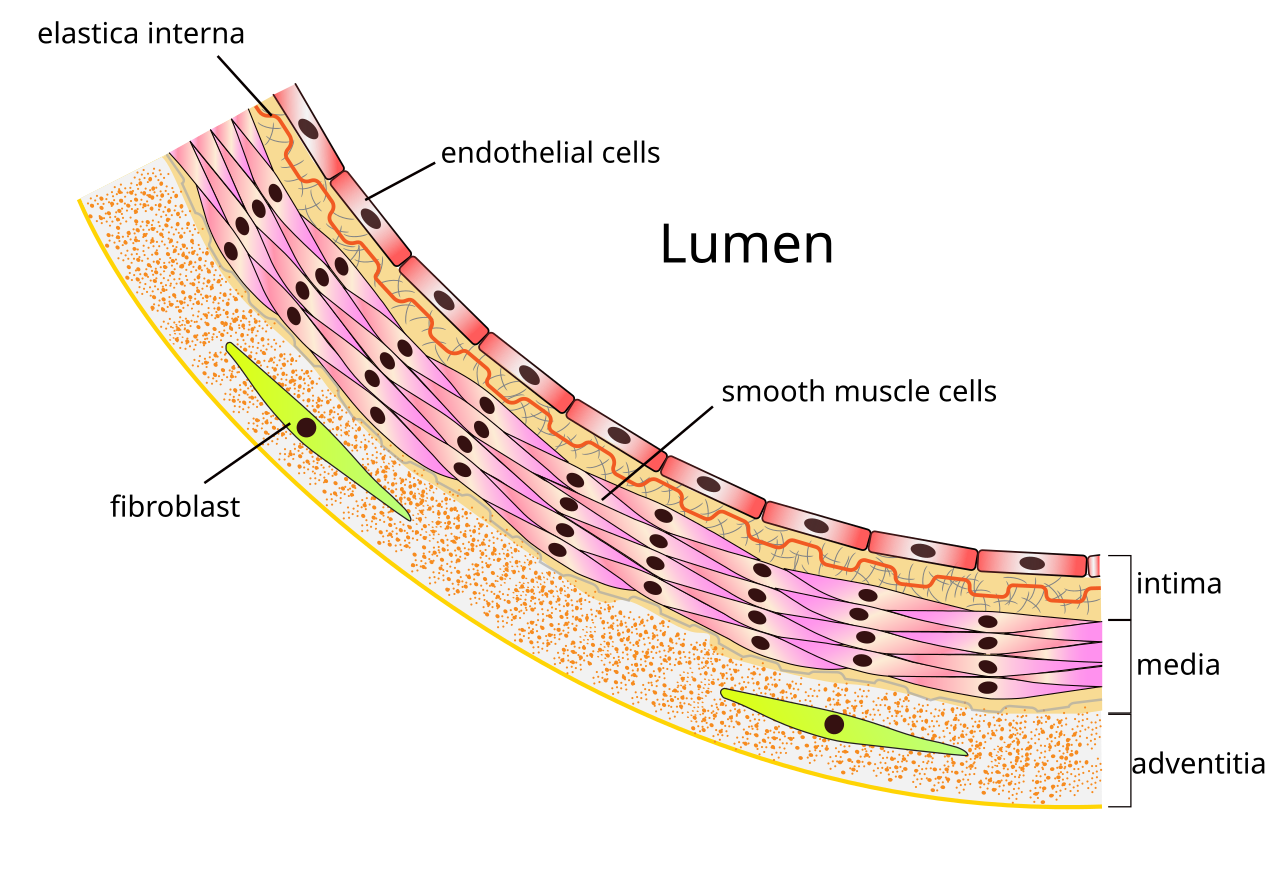
LDL is called bad cholesterol because it contributes to fatty buildups in arteries, a process called atherosclerosis. When too much LDL circulates, some of it collects on artery walls. Over time, those deposits form plaque.
Plaque narrows the arteries and stiffens them. Less blood and oxygen reach the heart and other organs.
The American Heart Association (AHA) describes LDL this way: it contributes to fatty buildups in arteries, which narrows them and raises the risk of heart attack, stroke, and peripheral artery disease. The buildup itself is slow and quiet. High cholesterol usually has no symptoms.
Many people learn their LDL is high only through a blood test.
Diet plays a role. The liver makes nearly all the cholesterol the body needs. A diet high in saturated fat can push the liver to produce more, which raises LDL.
That is why the same blood test that reports LDL often comes with questions about eating patterns, weight, activity, and smoking.
HDL: the good cholesterol that carries cholesterol away
HDL is called good cholesterol because a healthy level may protect against heart attack and stroke. HDL carries LDL cholesterol away from the arteries and back to the liver, where the LDL is broken down and passed from the body.
The AHA adds an honest limit: HDL does not completely eliminate LDL cholesterol. Only one-third to one-fourth of blood cholesterol is carried by HDL. A high HDL level is helpful, but it cannot cancel out a very high LDL level on its own.
Both numbers matter, and the balance between them matters more than either alone.
HDL levels respond to habits. Regular aerobic exercise, not smoking, and a healthy weight are linked with higher HDL. These habits help the heart for many reasons beyond cholesterol, so they are worth doing even if the HDL number moves slowly.
Triglycerides: the third number on the panel
A standard cholesterol test, called a lipid panel, also measures triglycerides. Triglycerides are the most common type of fat in the body. They store extra energy from food.
A high triglyceride level combined with high LDL or low HDL is linked with fatty buildups in artery walls, which raises the risk of heart attack and stroke.
Triglycerides rise after eating, so lipid panels often require fasting. If you eat before the test, the triglyceride reading can look higher than your usual level. Ask the clinic whether to fast and for how long before your appointment.
What the numbers mean
Cholesterol is measured in milligrams per deciliter of blood, written as mg/dL. The Centers for Disease Control and Prevention (CDC) lists these desirable levels for adults: LDL below 100 mg/dL, HDL at 60 mg/dL or higher, total cholesterol below 200 mg/dL, and triglycerides below 150 mg/dL.
A total cholesterol reading of 200 to 239 mg/dL is borderline high, and 240 mg/dL or above is high. For LDL, 130 to 159 mg/dL is borderline high, 160 to 189 mg/dL is high, and 190 mg/dL or above is very high. For HDL, below 40 mg/dL in men and below 50 mg/dL in women counts as low.
These cutoffs are guides, not verdicts. A clinician reads them with your age, blood pressure, diabetes status, smoking history, and family history in mind.
The CDC notes that roughly 94 million adults in the United States have total cholesterol above 200 mg/dL. It also notes that over a third of American adults have high LDL cholesterol, and many do not know it because there are usually no signs. A lipid panel is the only way to know your numbers.
How often should cholesterol be checked
The CDC recommends that most healthy adults have their cholesterol checked every four to six years. Children should be checked at least once between ages 9 and 11 and again between ages 17 and 20. People with high cholesterol, heart disease, diabetes, or obesity may need more frequent testing. The AHA recommends that adults over 20 have their cholesterol checked at least once every four to six years.
A lipid panel is a simple blood test. Some clinics use a finger-prick sample, while others draw blood from a vein. Results usually arrive within days.
Bring a list of medicines and supplements to the appointment, since some can shift lipid numbers.
What shifts the balance
You cannot control every factor. Family history and age matter. Some people inherit a condition that keeps LDL high even with careful habits.
But daily habits still move the numbers for most people.
Food comes first. Saturated fat, found in fatty red meat, butter, cheese, and many processed foods, raises LDL. Replacing some of it with unsaturated fat from olive oil, nuts, seeds, and oily fish helps.
Soluble fiber from oats, beans, lentils, and fruit can lower LDL by trapping some cholesterol in the gut.
Movement helps on both sides. Regular aerobic activity raises HDL and helps control weight. Even brisk walking counts.
Smoking lowers HDL, so quitting helps the pickup fleet recover. Alcohol raises triglycerides, so cutting back can bring that number down.
Medicine is sometimes part of the picture. Statins and other cholesterol medicines lower LDL for people whose risk stays high after habit changes. A clinician decides this from the full risk picture, not from one number.
If medicine is prescribed, the lipid panel becomes a way to check whether it is working.
Common misunderstandings
One common claim is that thin people cannot have high cholesterol. The AHA advises regular checks regardless of weight, activity, or diet. Body size does not rule out a high LDL reading.
Another is that cholesterol in food is the whole story. Dietary cholesterol matters less than saturated fat for most people. The liver adjusts its own production, so a diet heavy in saturated fat can raise LDL even when food cholesterol is modest.
A third is that a good HDL number makes a bad LDL number safe. It does not. HDL helps, but it carries only a fraction of blood cholesterol.
A high LDL level still needs attention even when HDL looks strong.
Can cholesterol be too low?
Very low total cholesterol is rare and usually tied to another condition or to medicine. For most people, the practical concern is high LDL, not low total cholesterol. If your numbers come back unusually low, a clinician can check for a cause.
Does exercise raise HDL?
Regular aerobic exercise is linked with higher HDL and with better heart health overall. The effect builds over weeks and months, not from one workout. Brisk walking, cycling, and swimming all count.
What is the difference between cholesterol and triglycerides?
Cholesterol is a waxy substance the body uses to build cells and hormones. Triglycerides are fats that store extra energy from food. A lipid panel measures both because each adds risk in its own way.
Should I fast before a cholesterol test?
Often yes, because triglycerides rise after eating. Ask the clinic for its rule. Many labs ask for 9 to 12 hours without food, with water allowed.
Outlook
Cholesterol is not a villain. It is cargo your body needs, moved by two fleets with opposite jobs. LDL delivers and can leave deposits in artery walls.
HDL collects and returns cholesterol to the liver. A lipid panel shows how the fleets are doing, and the CDC ranges give a plain way to read the result.
If your numbers sit outside the desirable range, the next step is a conversation with a clinician, not a panic purchase. Habits move the numbers for most people, and medicine helps when habits are not enough. Knowing the two types, and which one you need less of, turns a confusing lab sheet into a plan.
This article is for general information, not medical advice.
Tags: cholesterol, HDL, LDL, heart health
Latest in Health
- What is the difference between a cold and the flu?
- Why do you feel dizzy when you stand up fast?
- What is the difference between a virus and bacteria?
- What happens in your brain when you cannot fall asleep?
Subscribe for one plain-English health explainer each week.
Related stories

ADHD linked to fourfold dementia risk in Pitt study of 187,000 adults
Adults with ADHD face four times the risk of dementia, a University of Pittsburgh study of 187,000 adults published in JAMA Psychiatry

Why Do Athletes Get Cramps Despite Drinking Water?
Muscle cramps strike even well-hydrated athletes because sweat drains electrolytes that plain water cannot replace. Here is why water alone

Do bananas actually prevent muscle cramps?
A medium banana has 422 mg of potassium, but the evidence says it cannot stop cramps. Here is what the research shows, and what actually