
Sexually transmitted diarrhea: what shigellosis is and how it spreads
Key takeaways
- Shigellosis is a gut infection caused by Shigella bacteria. It can spread through sex, food, and water.
- Kansas has logged 71 cases in 2026, its highest count in seven years.
- Some Shigella strains now resist antibiotics, which makes treatment harder.
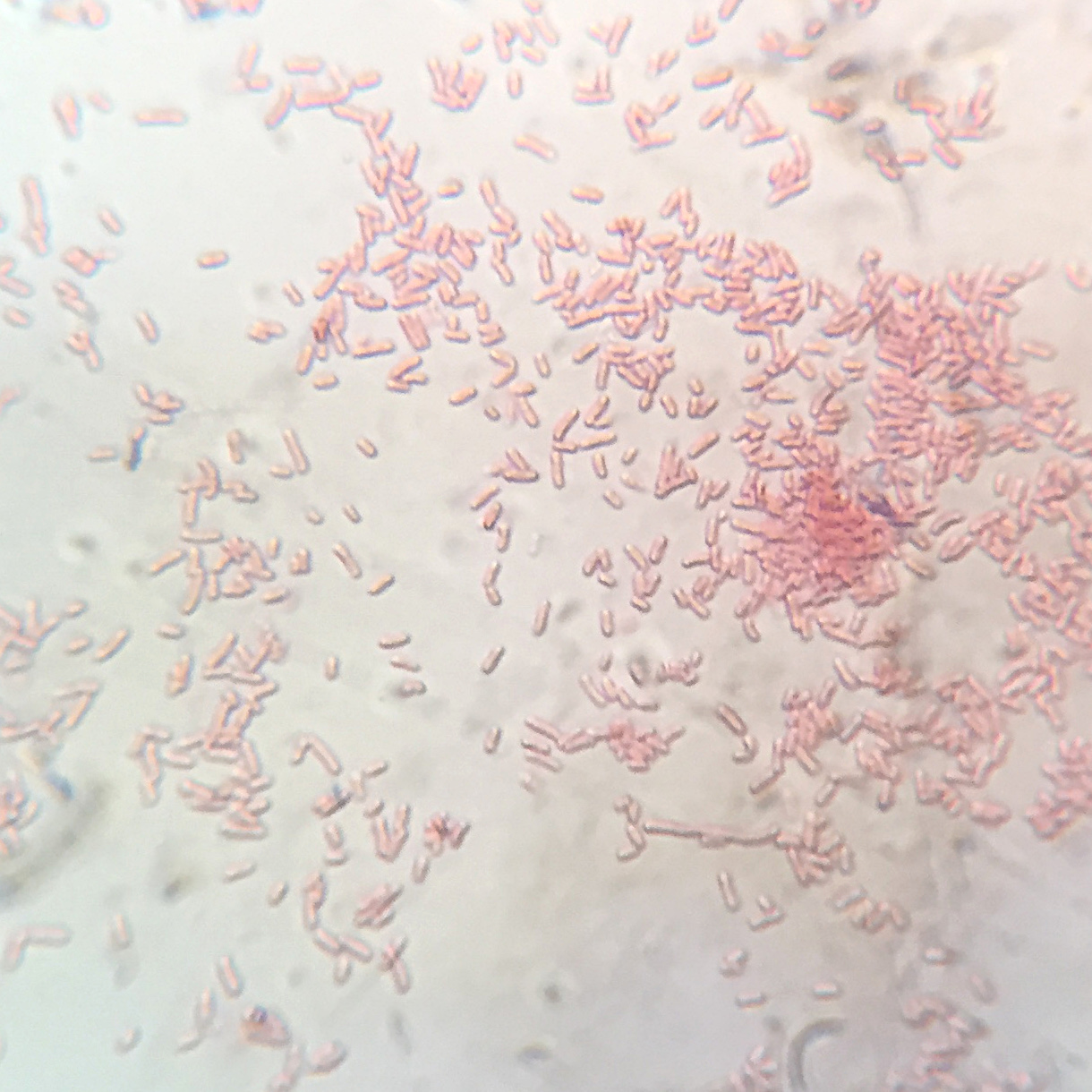
A stomach bug is in the news. It is called shigellosis. It can spread during sex.
It can also spread through food and water.
This article is for information only and is not medical advice.
What happened
People are searching for "sexually transmitted diarrhea" this week. The phrase sounds new. The illness behind it is not new.
The illness is shigellosis. It is a gut infection caused by Shigella bacteria. It causes diarrhea, fever, and stomach pain.
Kansas is seeing more cases. The state has logged 71 cases in 2026. That is the highest annual total in seven years. The state had 54 cases in 2025 and 70 cases in 2024.
Most of this year's Kansas cases are in the Kansas City area and south-central Kansas. Sedgwick County, which includes Wichita, has logged nearly 30 cases.
Health officials have not found one single source for all the Kansas cases.
At the national level, the picture is calmer. The CDC says 13,921 Americans were diagnosed with shigellosis in 2026 as of September 26. That pace matches last year's total of 14,277 cases.
The CDC has not declared a national outbreak. The current buzz comes from old facts getting fresh attention online.
What is shigellosis
Shigella is a group of bacteria. It infects the gut. It causes diarrhea that can be bloody.
It also causes fever and stomach pain.
The bacteria spread easily. A tiny amount can make a person sick. People can pass the bacteria in their stool for up to two weeks after symptoms end.
Symptoms start one to two days after contact with the germ. They last about five to seven days. Some people feel sick for four weeks or more.
The main symptoms are diarrhea, fever, stomach pain, and dehydration. Some people feel the need to pass stool even when their bowels are empty.
Most people recover at home. They need rest and fluids. Some people get very sick.
They may need antibiotics and fluids from a doctor.
The germ spreads in several ways. It spreads through food and water that carry the germ. It spreads when people touch surfaces with germ traces.
It spreads during sex when tiny amounts of stool enter another person's mouth.
Some groups face a higher risk. Young children in daycare are one group. Men who have sex with men are another.
People without stable housing also face a higher risk.
Why it matters
The big worry is drug resistance. Some Shigella strains no longer respond to antibiotics. This makes treatment harder.
The CDC reported in April on drug-resistant cases. Extensively drug-resistant cases rose from 0% of tested samples in 2011 to 8.5% in 2023. Extensively drug-resistant means the germ resists all FDA-approved antibiotics.
A study in The Lancet Infectious Diseases looked at sexually transmitted cases. It found they rose 15% faster each year between 2015 and 2020. By then, about 70% of sexually transmissible strains resisted at least one antibiotic.
Cambridge geneticist Kate Baker led the study. She said the disease has changed. It went from easy to treat to close to untreatable in about ten years.
The CDC says about 500,000 Americans get shigellosis each year. Most cases are mild. But resistant strains are a growing threat.
Medicines can help in severe cases. But doctors now test first to pick the right drug.
What happens next
Health officials will keep tracking cases. Kansas will watch its numbers. The CDC will watch resistance.
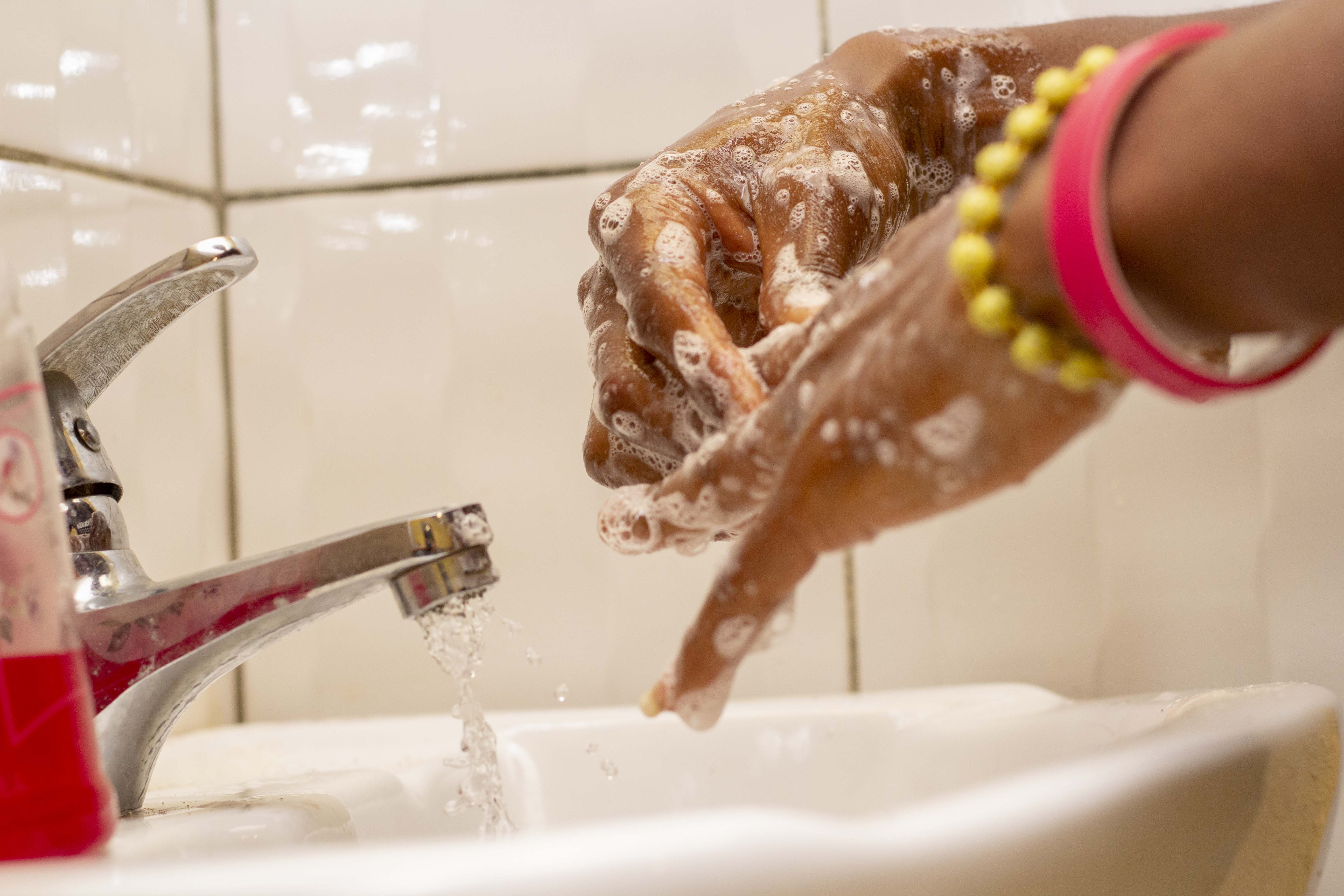
You can lower your risk with simple steps. Wash your hands with soap after using the bathroom. Wash them before you handle food.
Wash your hands, genitals, and anal area before and after sex. Use condoms or dental dams. Wash sex toys with soap and water after use.
If you or your partner get sick, do not have sex. Wait at least two weeks after the diarrhea ends.
Do not make food for other people while you are sick. Do not swim. Stay home from school, work, or food jobs until a doctor clears you.
If you have bloody diarrhea, a high fever, or severe stomach pain, contact a doctor. Prompt care can limit harm and stop further spread.
Shigellosis is not new. But drug resistance makes it a bigger threat than it was ten years ago. Good hygiene is still the best defense.
Related stories

ADHD linked to fourfold dementia risk in Pitt study of 187,000 adults
Adults with ADHD face four times the risk of dementia, a University of Pittsburgh study of 187,000 adults published in JAMA Psychiatry

Why Do Athletes Get Cramps Despite Drinking Water?
Muscle cramps strike even well-hydrated athletes because sweat drains electrolytes that plain water cannot replace. Here is why water alone

Do bananas actually prevent muscle cramps?
A medium banana has 422 mg of potassium, but the evidence says it cannot stop cramps. Here is what the research shows, and what actually