
Why you shiver when nervous even when warm
By Rive News / Research desk | Rive News / Published October 29, 2026 at 9:00 AM PKT
Key takeaways
- Nervous shivering comes from the fight-or-flight response, not from a drop in your core temperature.
- Adrenaline primes muscles to tremble while blood moves away from the skin toward major muscle groups.
- The shaking usually fades as adrenaline clears, often within 20 to 30 minutes after the stressful moment.
This article is for general information only and is not medical advice; talk to a clinician about any symptoms.
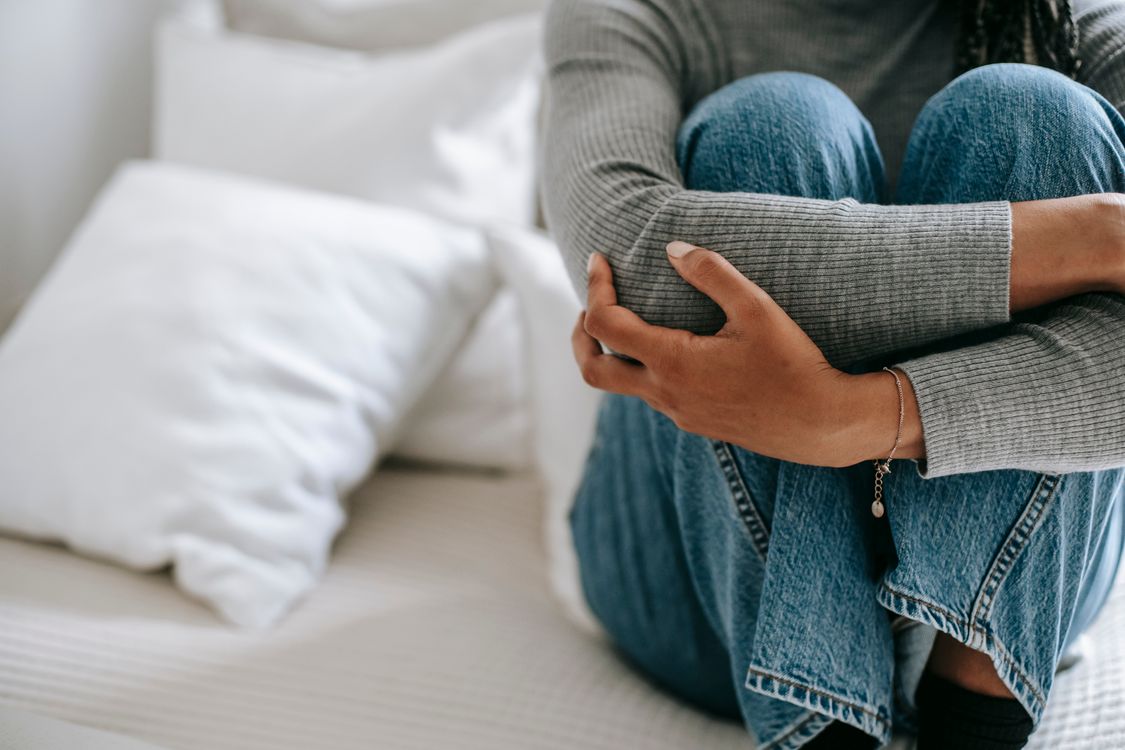
[A woman sitting alone on a bed, embracing her knees, conveying anxiety and solitude.] Photograph: Alex Green
Image Credits: Pexels
Shivering on a warm day, in a heated room, before a presentation or an interview, feels wrong. Your body is not cold, yet it behaves as if it were. The mismatch has a cause: the same system that prepares you to face danger also cools your skin and primes your muscles to shake, whether or not any real threat exists.
This article explains how the fight-or-flight response creates nervous shivering, why blood diversion makes you feel cold, what adrenaline does to muscles, and how this shaking differs from fever chills.
Fight or flight, in a room with no danger
The sympathetic nervous system runs the body's emergency mode. When the brain perceives a threat, it triggers a cascade that releases stress hormones, chiefly adrenaline and cortisol.
The system evolved for physical danger, but it cannot tell a predator from a presentation. A perceived threat is enough to switch it on.
Dr Ian Nnatu, consultant psychiatrist at Priory Hospital North London, described the mechanism to Refinery29: when the fight-or-flight response is triggered, adrenaline increases and activates the nerves and muscles, preparing the body to flee or attack. That preparation is the whole point of the response. The shaking is a side effect of a system doing its job at the wrong moment.
Anxiety affects about 40 million adults in the United States, according to Optum Perks, so this misfiring is common. The response can arrive before exams, interviews, public speaking, or social situations, and it can also appear during panic attacks. A 2021 study cited by Optum Perks found chills and shivering during panic attacks and specific phobias.
Blood leaves the skin, and the skin cools
The cold feeling starts with vasoconstriction, the narrowing of blood vessels near the surface. Blood is redirected away from the skin and extremities toward major muscle groups and vital organs.
If you were facing a physical threat, that blood would be better placed in legs for running or arms for fighting. Skin temperature becomes a lower priority.
As skin blood flow falls, the skin itself cools, even while core temperature stays normal. The brain reads that surface cooling and interprets it partly as cold. That is why hands and feet often feel coldest first: they are the furthest from the core and the first to lose flow.
Sweat adds a second cooling effect. Stress sweating dampens the skin, and evaporation carries heat away from the surface. The combination of less warm blood arriving and more evaporation leaving can feel like a genuine chill, despite a warm room and a normal thermometer reading.
Adrenaline primes muscles to tremble
Shivering itself is rapid, involuntary tightening and relaxing of muscles. In cold, that motion generates heat. In nervousness, the trembling comes from a different trigger: muscles primed for action by adrenaline, held tense, and then released in small, uncontrolled bursts.
Muscle tension is part of the same package. A clenched jaw, tight shoulders, and shaky hands all reflect muscles held ready. Verywell Mind notes that acute stress and panic release adrenaline and cortisol, producing a rapid heart rate, shortness of breath, dilated pupils, muscle tension, trembling, shaking, and shivering together.
The trembling can involve the hands, the arms, or the whole body, depending on how strong the anxiety is, according to Dr Nnatu. That range explains why one person notices only shaky hands before a speech while another feels full-body shudders during a panic attack. Both are the same system at different intensities.
Why the thermostat seems confused
The oddest part of nervous shivering is the mixed signal. Stress hormones raise metabolic rate, which can warm the core, while blood diversion cools the skin.
The brain receives both messages at once: warm inside, cold outside. Shivering is its attempt to resolve the contradiction by generating heat.
That confusion also explains why a blanket sometimes fails to help. Warming the skin from outside does not switch off the internal redistribution of blood or clear adrenaline from the bloodstream. The chill fades when the stress response itself fades, not when the room gets warmer.
Timing supports this picture. Episodes of anxiety-related chills usually start suddenly during or after a stressful moment and fade within 20 to 30 minutes as adrenaline clears, according to a review of chills without fever. The person often feels drained afterwards, which fits a system that spent energy preparing for action that never came.
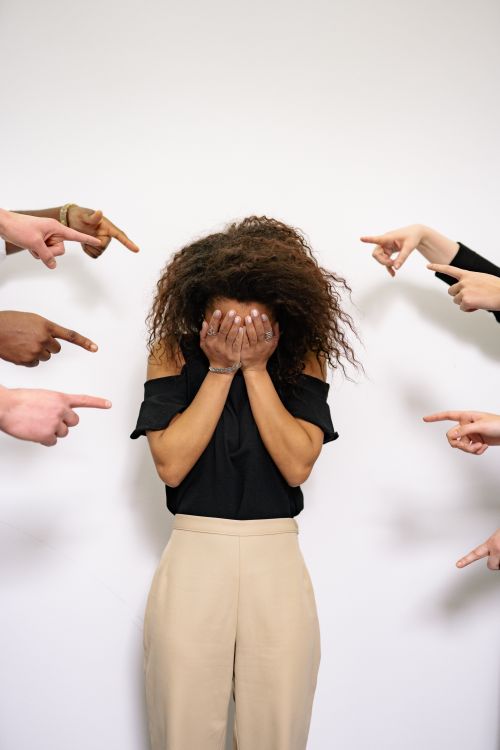
[A stressed woman covers her face as multiple hands point toward her, conveying pressure.] Photograph: Yan Krukau
Image Credits: Pexels
Nervous shivering versus fever chills
Fever chills and nervous shivering feel similar but run on different machinery. In a fever, immune signals raise the brain's temperature set point before body heat catches up, so the body shivers to reach the new, higher target. A measured temperature above 100.4 degrees Fahrenheit points toward infection or illness rather than a stress response.
Nervous shivering happens at a normal body temperature. The core has not cooled and the set point has not risen. The chill comes from surface blood flow and muscle priming, not from an infection driving temperature upward.
That distinction gives a practical check. If shivering comes with a raised temperature, it deserves a different explanation.
If it arrives with a racing heart, fast breathing, and a stressful trigger, and fades as calm returns, the stress response is the likelier cause. Recurring chills over weeks, drenching sweats, or weight loss alongside them are reasons to seek medical evaluation rather than self-explanation.
What happens as it passes
The response is self-limiting in most cases. As the perceived threat passes, adrenaline levels fall, blood vessels near the skin reopen, and muscle tension releases. Warmth returns to the hands first in many people, and the trembling settles rather than stopping all at once.
Slow breathing helps some people because it signals safety to the same system that raised the alarm. Movement can help too, since it gives primed muscles something to do. What tends not to help is fighting the shake itself, which adds a second layer of stress about the symptom on top of the original trigger.
Persistent or frequent episodes deserve attention for a different reason. Shivering that arrives daily, interferes with work, or comes with panic attacks may reflect an anxiety disorder rather than occasional nerves. That is a clinical question, and it is worth raising with a clinician, since effective help exists for the underlying anxiety rather than only for the shaking.
Frequently asked questions
Can anxiety really make you shiver without being cold?
Yes. The fight-or-flight response diverts blood from the skin and primes muscles with adrenaline, producing coldness and trembling at a normal core temperature.
How long does nervous shivering usually last?
Episodes often fade within 20 to 30 minutes after the stressful moment, as adrenaline clears. Feeling drained afterwards is common.
Why do my hands feel coldest when I am nervous?
Blood is redirected from the extremities toward major muscles and vital organs. Hands and feet, furthest from the core, lose warm blood flow first.
How is this different from shivering with a fever?
Fever shivering comes with a raised temperature set point and a measured temperature above 100.4 degrees Fahrenheit. Nervous shivering happens at normal body temperature and tracks a stressful trigger.
The bottom line
You shiver when nervous even when warm because your stress response cools your skin and primes your muscles at the same time. Blood moves away from the surface toward the muscles, sweat evaporation adds cooling, and adrenaline leaves those muscles tense and trembling. The core never cooled, which is why the room's warmth cannot fix it, and the shaking fades as adrenaline clears and blood flow returns to normal.
Tags: anxiety, nervousness, shivering, stress response, adrenaline
Rive News's research desk covers everyday health and the systems behind it, drawing on official guidance and published research.
Related
- Why your mouth goes dry when you feel nervous
- Why we get goosebumps when cold or scared
- Why stress gives you a headache
Subscribe for one plain-English health explainer each morning.
Rive News checks facts against named sources and corrects errors when readers point them out.
Related stories
ADHD linked to fourfold dementia risk in Pitt study of 187,000 adults
Adults with ADHD face four times the risk of dementia, a University of Pittsburgh study of 187,000 adults published in JAMA Psychiatry
Why Do Athletes Get Cramps Despite Drinking Water?
Muscle cramps strike even well-hydrated athletes because sweat drains electrolytes that plain water cannot replace. Here is why water alone

Do bananas actually prevent muscle cramps?
A medium banana has 422 mg of potassium, but the evidence says it cannot stop cramps. Here is what the research shows, and what actually