
Ultra-processed food may harm the brain, big study finds
Web StoryWatch this story in 15 seconds →Key takeaways
- A study of more than 8,700 Canadians linked heavy ultra-processed food intake to early signs of brain damage.
- The top group ate more than 45% ultra-processed food. It showed a 40% higher risk on brain scans.
- The study shows a link only. It does not prove that the food caused the damage.
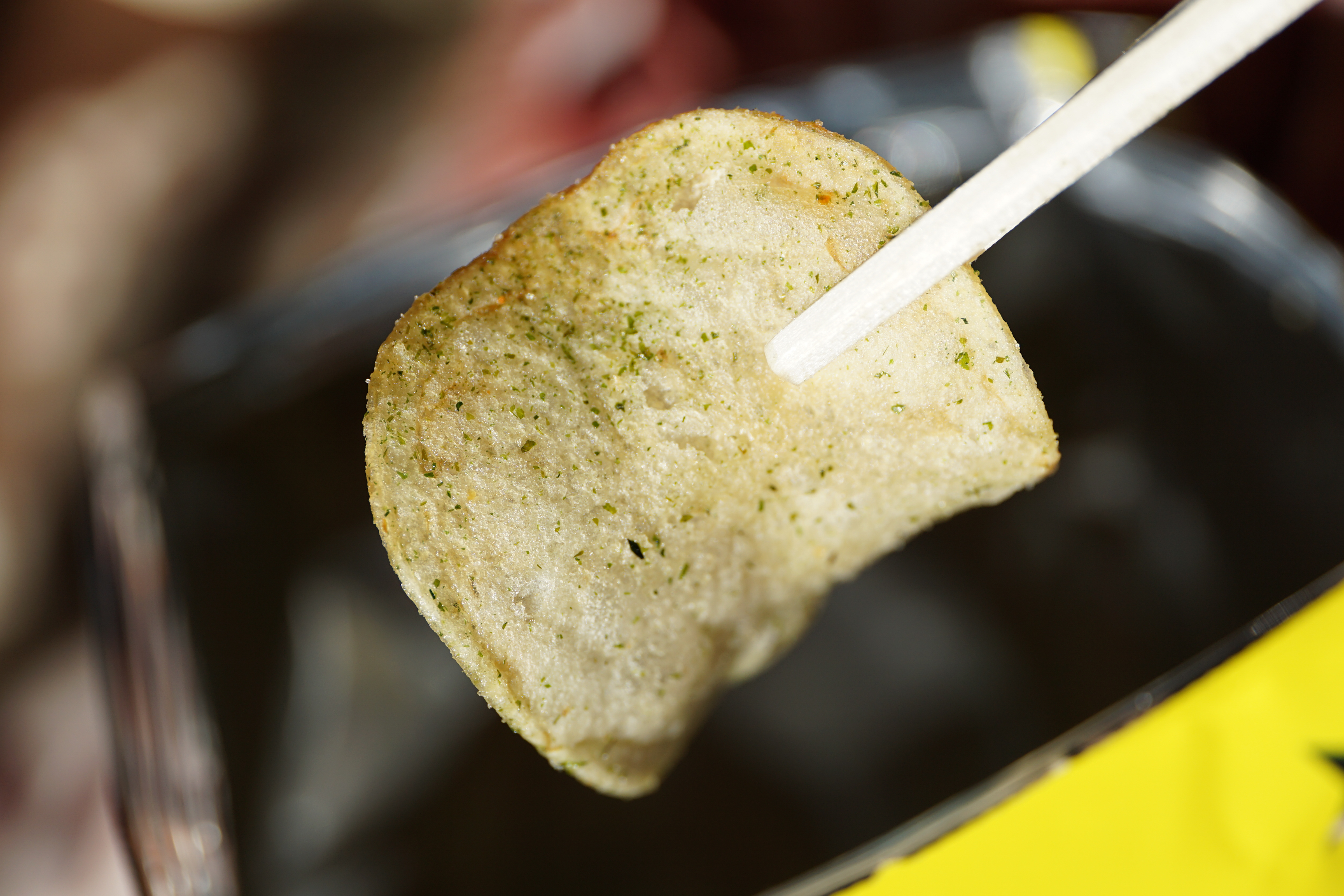
Heavy ultra-processed food intake may harm the brain. That is the key finding of a large new Canadian study. It linked these foods to early signs of brain damage.
What is ultra-processed food?
Ultra-processed food is factory-made food. It goes through many industrial steps. It often has a long list of additives.
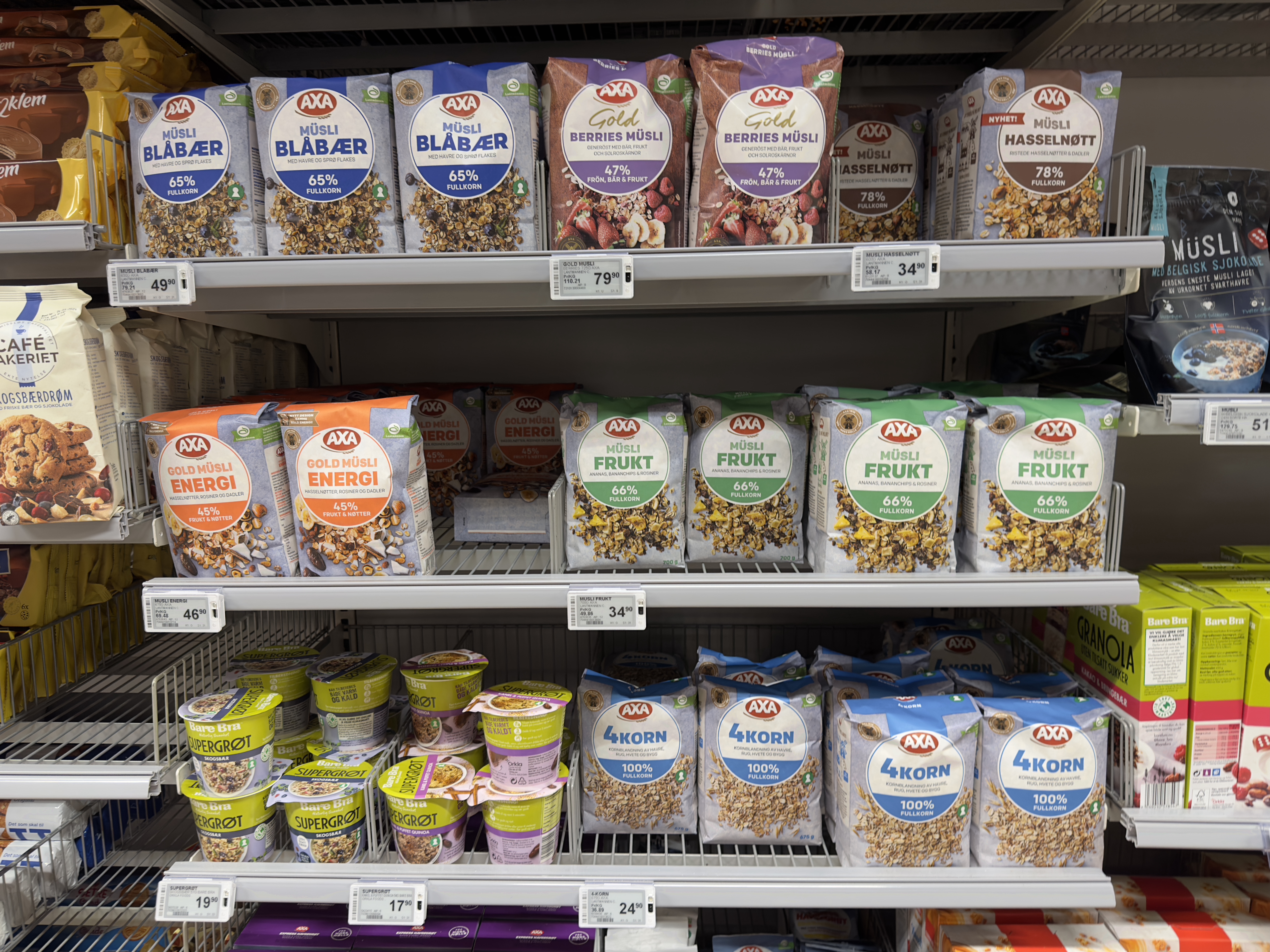
Think of chips, sugary breakfast cereals, and soft drinks. Add instant noodles and ready-to-eat frozen meals. Highly processed sweet yogurts count too.
These foods are often high in salt, sugar, and saturated fat. They are often low in fiber, vitamins, and minerals. They are built to be cheap, tasty, and easy to eat.
Researchers sorted foods by how much processing they went through. Foods with the most processing went in the top group. Foods with the least went in the bottom group.
What happened
Researchers at McMaster University led the study. They worked with the Population Health Research Institute. Hamilton Health Sciences joined the work too.
The study looked at more than 8,700 Canadians. They were ages 35 to 69. None had a history of heart disease.
Each person filled in a detailed food survey. Each person also had an MRI brain scan. Brain doctors read the scans without knowing the diets.
The data came from two large Canadian health studies. One tracked heart and mind health. The other tracked city and rural health.
The results appeared on October 15, 2026. They ran in JAMA Network Open. The study began back in 2014.
The team split people into groups by intake. The top group ate the most ultra-processed food. The bottom group ate the least.
The top group ate more than 45% ultra-processed food. That is nearly half of all their food. They were over 40% more likely to show tiny signs of brain damage.
These signs caused no clear symptoms. They included silent strokes and a pre-stroke profile. They can appear years before a stroke or memory problems.
The scans looked for tiny areas of damage. These spots are too small to cause clear symptoms. But they act as early warning signs.
The link was stronger in women. Women in the top group were nearly twice as likely to show the signs. That compares with women in the lowest group.
The average person ate about 25% ultra-processed food. The lowest group ate just 16%. The top group ate 45%.
Whole foods told the other side of the story. The top group got 41% of food from whole foods. The lowest group got 68%.
The team also measured body fat. The top group carried more total body fat. They had more deep belly fat too.
Why it matters
The brain needs healthy blood vessels to work well. Tiny damage can build up over years. It may raise the risk of stroke and dementia later.
The link stayed even after other health factors were counted. That surprised the research team. The lead author said he did not expect this finding.
The people in the study were middle-aged and healthy. They had no heart problems. This type of damage is more common at a much older age.
The senior author said diet shapes later brain health. What you eat in your 30s to 60s counts.
Belly fat links to swelling and blood vessel damage. That damage can also reach the brain. The top group had more belly fat than the lowest group.
Ultra-processed food is everywhere in Canada. A 2025 report found nearly half of the average Canadian diet is ultra-processed. Price and time push many people toward these foods.
These foods are easy to overeat. They are cheap, fast, and heavily marketed. Time pressure and low income can push intake higher.
The study team stressed fairness. For many people, these foods are the cheap choice. The answer is better access, not blame.
One researcher noted that rising grocery prices make healthy eating hard. He urged people to eat at home when they can. He also urged buying local and using supermarket sales.
The foods may crowd out better options. As ultra-processed intake rose, whole food intake fell. Fruits, vegetables, and grains lost space on the plate.
What happens next
The study does not prove cause. It shows a link at one point in time. People were not tracked over years.
Follow-up work is already under way. Past participants are coming back for new MRI scans. The next findings are due in early 2028.
Those scans will show how brains change over time. They will test whether diet shifts slow the changes. That is the key open question.
Researchers want longer studies. They want repeat scans over time. They want to test whether cutting back helps.
What can you do today?

For now, the message is simple. Eat fewer ultra-processed foods when you can. Eat more whole foods in their place.
Small swaps can help. Choose plain oats over sugary cereal.
Choose fresh fruit over packaged snacks. Cook at home more often.
Check the label before you buy. A short list of plain parts is a good sign. A long list of additives is a warning sign.
This article is for information only and is not medical advice. Talk to your doctor about diet changes.
The study adds one more reason to watch what fills your plate. The brain may pay the price for a diet built on factory food. The next scans will show how much diet change can help.
Related stories

ADHD linked to fourfold dementia risk in Pitt study of 187,000 adults
Adults with ADHD face four times the risk of dementia, a University of Pittsburgh study of 187,000 adults published in JAMA Psychiatry

Why Do Athletes Get Cramps Despite Drinking Water?
Muscle cramps strike even well-hydrated athletes because sweat drains electrolytes that plain water cannot replace. Here is why water alone

Do bananas actually prevent muscle cramps?
A medium banana has 422 mg of potassium, but the evidence says it cannot stop cramps. Here is what the research shows, and what actually