
Caulk vs sealant: the differences and when to use each
Key takeaways
- Caulk is rigid, paintable, and dries fast; sealant is flexible, waterproof, and built for movement.
- Caulk suits gaps under one inch in still, indoor spots; sealant suits wet, moving, or outdoor joints.
- Pick wrong and the bead cracks, peels, or grows mold within a season.
Caulk and sealant look like the same tube on the store shelf, and people use the names interchangeably. They are not the same product. Caulk is a filler that dries hard and takes paint. Sealant is a flexible, waterproof barrier that stretches with the joint. Using one where the other belongs is how you get cracked bathroom beads and peeling window frames.
This article explains what caulk and sealant actually are, including what each is made of, the three differences that matter, the under-one-inch rule of thumb, and a quick checklist for choosing the right one.
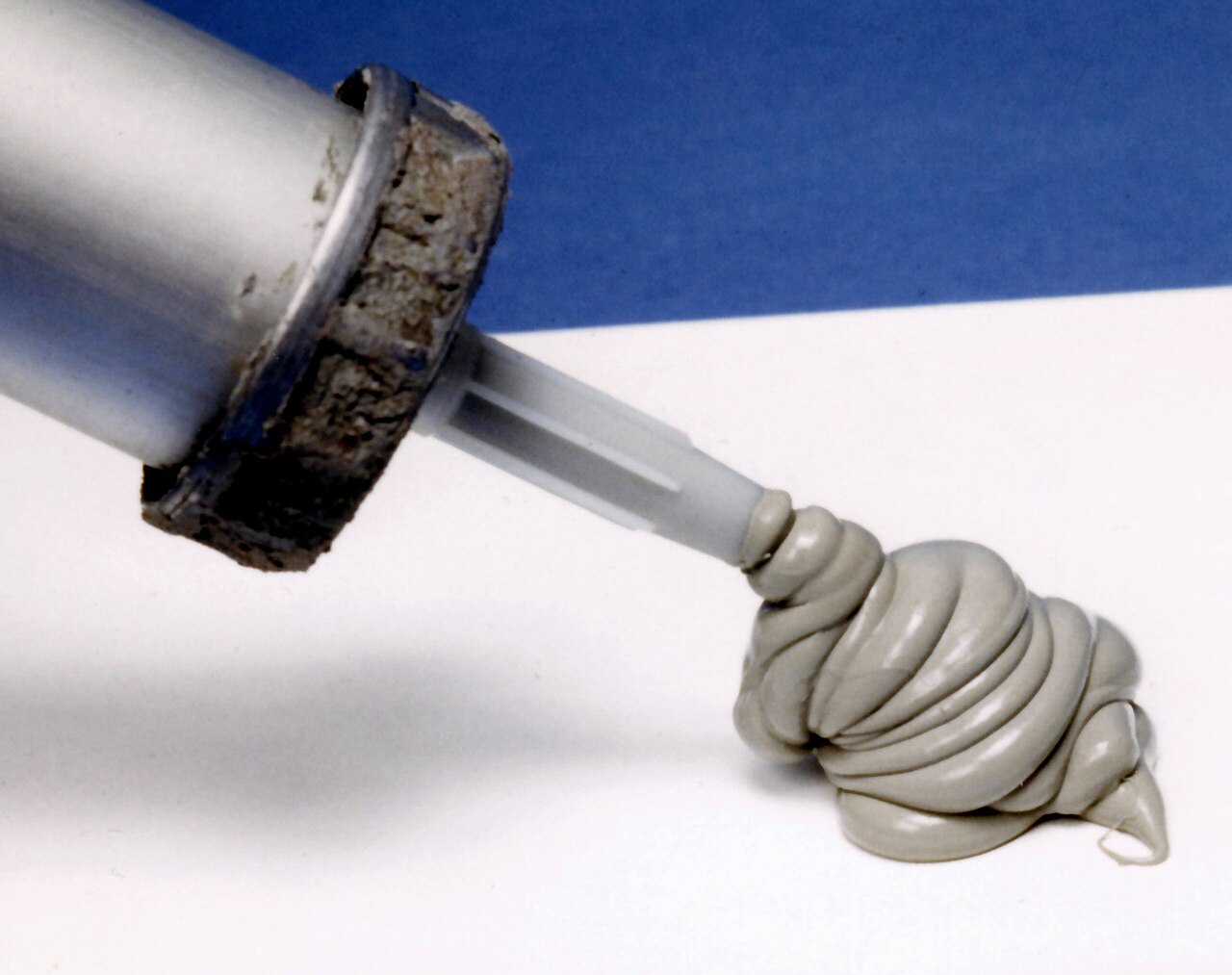
What caulk is and where it goes
Caulk is generally made from latex, silicone, or acrylic-based materials, according to Metro Sealant. In practice, most tubes labeled caulk are acrylic or latex blends. It is designed for filling gaps and sealing joints in stationary structures where little or no movement is expected.
The classic uses: sealing around windows, doors, and trim, plus bathroom fixtures like bathtubs and sinks where the joint barely moves. House Digest adds the detail that caulk belongs on wood, baseboards, crown molding, and lighting fixtures, and ideally indoors, away from temperature swings.
Caulk's signature trait is the finish. It dries hard, smooths easily, and accepts paint, which is why painters love it for trim work. It also dries faster than sealant, so projects wrap up quicker.
What sealant is and where it goes

Sealants are formulated from silicone, polyurethane, and synthetic rubber, per Metro Sealant. That chemistry is the whole story: silicone-based sealant stays elastic after curing, so it stretches and rebounds instead of cracking when the joint moves.
Reach for sealant anywhere that moves, gets wet, or lives outdoors. Metro Sealant lists expansion joints, roofing, and pipes and ductwork as the core cases. House Digest, citing manufacturer Oatey, says sealant belongs on plumbing fixtures and gutter seams, and anywhere temperatures swing. Bathrooms and kitchens are sealant territory because the material stays wet and the fixtures shift slightly with use.
The trade-off is the finish. Most silicone sealants do not take paint, and they take longer to cure fully than caulk. You get durability and flexibility; you give up the paintable, sandable surface.
The three differences that matter
First, flexibility. This is the key distinction, and every source agrees on it. Sealants stay elastic; caulk dries rigid and can shrink or crack when the joint moves. If the gap will expand and contract with heat, pick sealant.
Second, water resistance. Silicone-based sealant shrugs off constant moisture, which is why it dominates bathrooms, kitchens, and exteriors. Acrylic and latex caulk tolerate occasional dampness but break down under sustained wetness, and the wrong choice invites mold behind the bead.
Third, finish and speed. Caulk gives a smooth, paintable finish and dries faster, making it the better pick for visible interior trim. Sealant gives a rubbery, usually unpaintable finish and needs a longer cure, but the seal lasts far longer in harsh spots.
For related moisture problems behind walls, see efflorescence on basement walls.
The under-one-inch rule of thumb
Gap width offers a rough shortcut. The Grout Specialist notes that caulking is generally used to fill gaps less than an inch wide, while sealant is typically used for gaps wider than an inch. Caulk can handle larger gaps, but it has to go on in thin layers rather than one thick coat, which is slow and prone to sinking.
Treat this as a starting point, not a law. A hairline crack in a bathtub surround still wants flexible sealant because of the moisture and movement, even though it is far under an inch. A wide, stable gap in interior trim can take layered caulk. Width guides; conditions decide.
A quick decision checklist
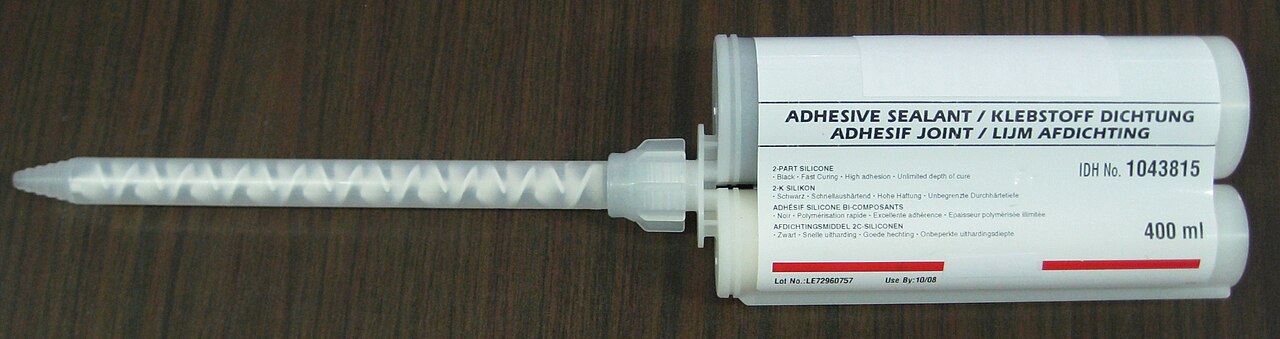
DAP's buying guide boils the choice down to four questions. Run through them before you open a tube:
- Is the area exposed to water or humidity? Yes points to sealant.
- Does the joint move with temperature or structure? Yes points to sealant.
- Does it need to be painted? Yes points to caulk.
- Is it indoors or outdoors? Outdoors leans sealant; still, indoor trim leans caulk.
DAP also recommends mold- and mildew-resistant products for kitchens and bathrooms, and flexible, weather-resistant sealants for exterior doors and windows. When in doubt between the two, match the product to the surface, the location, and the movement you expect.
If your project involves stopping drafts under doors, note that stationary frame gaps get caulk, while the moving door bottom gets weatherstripping, not either of these.
The bottom line
Caulk is the rigid, paintable, fast-drying filler for still, indoor, paint-grade gaps under about an inch. Sealant is the flexible, waterproof, slower-curing barrier for wet, moving, or outdoor joints. Check water, movement, paintability, and location before you buy, and the tube you grab will last instead of cracking by spring. When a project mixes both kinds of joints, buy one tube of each rather than forcing one product to do both jobs.
Can I use caulk in the shower?
Only if it is a mold-resistant kitchen-and-bath formula, and even then a 100 percent silicone sealant lasts longer. Showers combine constant moisture with slight movement, which is sealant's home turf.
Is silicone caulk the same as silicone sealant?
They overlap but are not identical. Silicone caulk usually targets smaller cracks and joints where a neat finish matters; silicone sealant is formulated for water exposure, temperature extremes, and long-term flexibility.
Can you paint over sealant?
Usually no. Most silicone sealants reject paint. If the joint must be painted, use paintable acrylic latex caulk or a specifically labeled paintable sealant, and only where conditions allow.
Why did my caulk crack after one winter?
Almost always movement plus temperature swings, the two things caulk handles worst. Exterior and high-movement joints need a flexible sealant instead.
For a dripping fixture that needs sealing first, see why a faucet drips after being turned off.
Topics: caulk, sealant, home repair, DIY, weatherproofing
Rive News is the research desk behind this article. It covers practical home and DIY explainers.
Latest in Home & DIY
- Efflorescence on basement walls
- Why a faucet drips after being turned off
- How to stop drafts under doors cheaply
Subscribe for weekly practical home explainers.
Corrections: spotted an error? Email the research desk and it will be fixed with a dated update note.
Related stories

Why Your Faucet Keeps Dripping After You Turn It Off
A dripping faucet is usually a worn washer, O-ring, or cartridge that can no longer seal. One drip per second wastes over 3,000 gallons

How to fix a running toilet without a plumber in 30 minutes
A running toilet can waste 200 gallons of water a day. Diagnose the flapper, float, or fill valve in two minutes, then fix it yourself

How to hang heavy shelves on drywall safely
Studs first, toggle bolts second, plastic anchors never for heavy loads. Weight ratings, installation steps, and mistakes that bring