
What is efflorescence on basement walls and how to fix it
Key takeaways
- Efflorescence is a white, powdery salt deposit left when water moves through masonry and evaporates.
- It is not mold and is mostly cosmetic, but it proves water is traveling through your foundation.
- Cleaning the powder never fixes it permanently: only stopping the moisture source does.
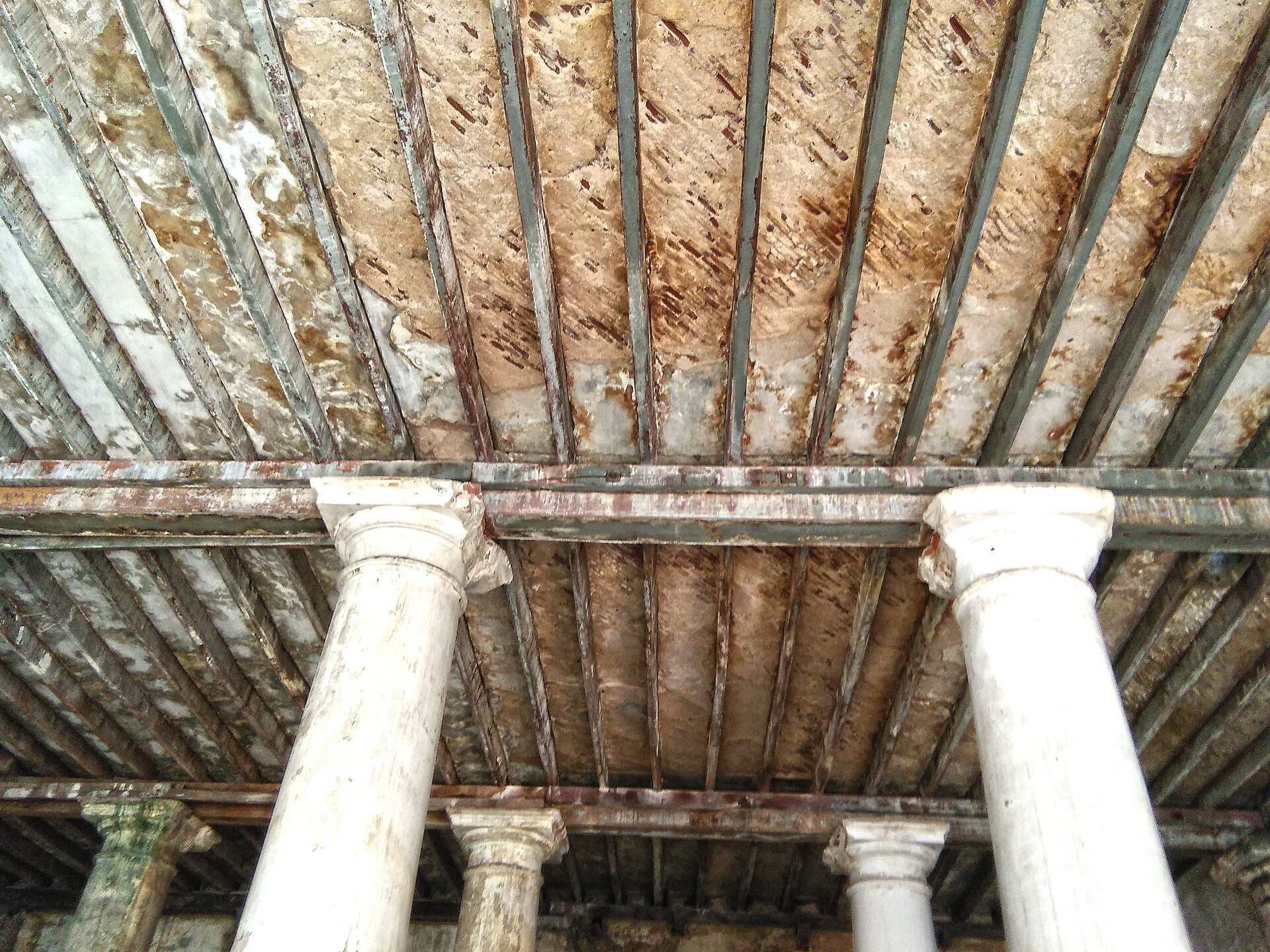
Efflorescence is the white, powdery, crystalline deposit that appears on concrete, brick, and block basement walls. It forms when water travels through the porous masonry, dissolving mineral salts along the way, and then evaporates on the surface, leaving the salts behind as a chalky crust.
This article explains what efflorescence on basement walls is. It covers how it forms, what causes it, how to tell it from mold, how to remove it, and the only fix that stops it from coming back.
What efflorescence is and how it forms
Three conditions must line up for efflorescence to appear: water, soluble salts, and a path for the moisture to evaporate. According to Engineer Fix, the water, often groundwater or rain intrusion, dissolves salts already present in the concrete, brick, or mortar, such as sodium sulfate, potassium sulfate, or calcium carbonate. That mineral-rich water then moves through the capillary network inside the masonry toward the drier, exposed surface.
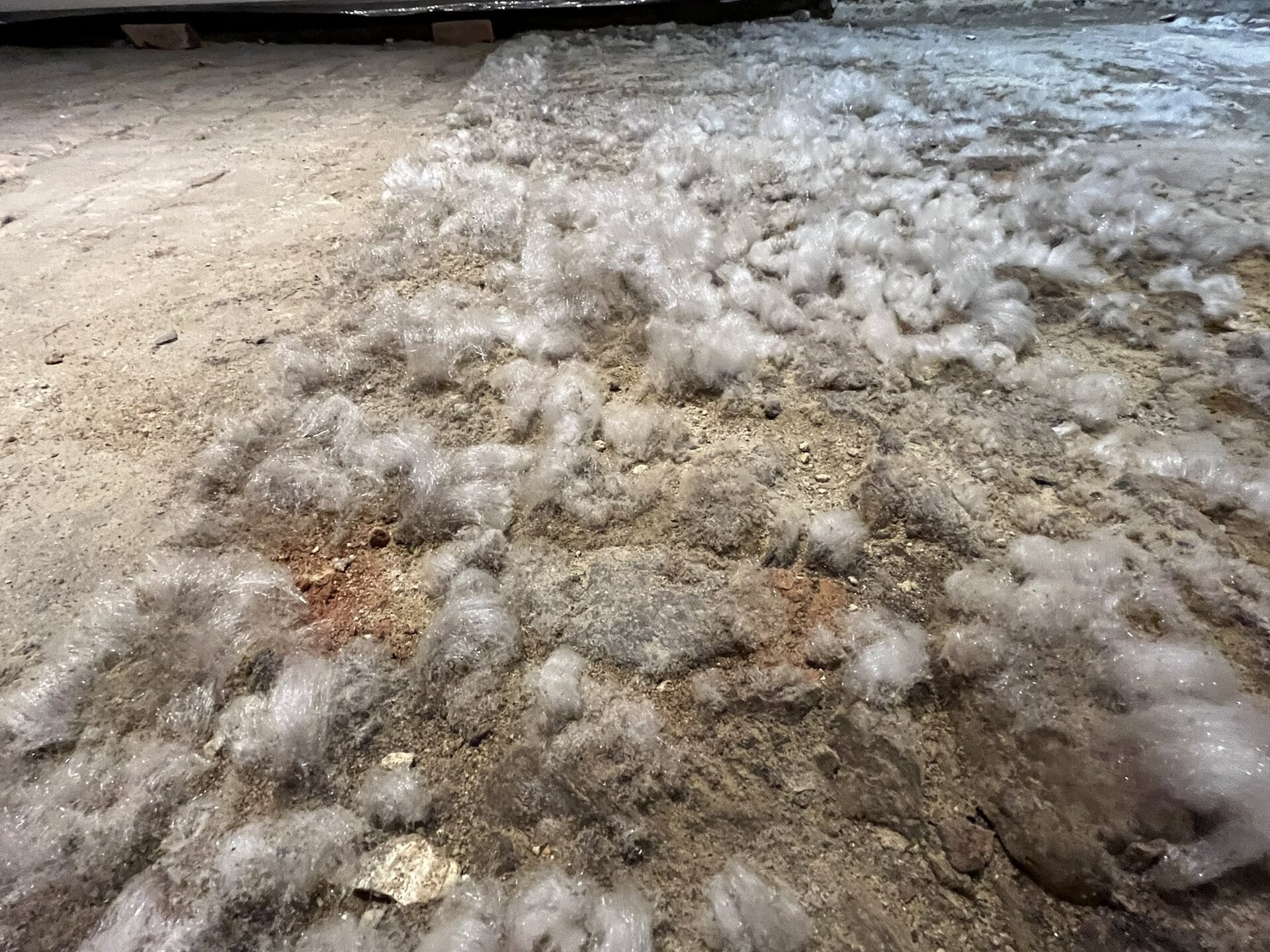
When the moisture reaches the interior face of the wall and evaporates into the basement air, the dissolved salts crystallize into the visible white, fluffy, or powdery substance. The deposit itself is generally cosmetic and does not indicate structural failure, Engineer Fix notes. But its presence signals that moisture is actively migrating through the foundation, and fixing the water source is the only permanent solution.
There are two kinds. Primary efflorescence appears while new concrete or mortar is curing, driven by excess mixing water left over from construction.
Secondary efflorescence shows up later in a building's life and is the more common problem in existing basements, according to Engineer Fix. It comes from outside water, such as rainwater or groundwater, carrying new moisture and salts from the surrounding soil into the concrete.
One detail worth knowing: the traveling water does not just bring salts with it. As Blue Umbrella Waterproofing explains, the water dissolves minerals out of the masonry itself, the compounds that bind the block together, and deposits them on the surface. So while the powder looks harmless, the process behind it is slowly leaching material out of your wall.
What causes it in basements
Basements are the natural habitat for efflorescence because they sit in damp soil on three or four sides. MT Drain lists the usual causes: poor exterior drainage from bad grading or short downspouts, moisture wicking up through the concrete by capillary action, high indoor humidity condensing on cool walls, and the absence of any waterproofing system.
Roof water is the biggest outside driver. Engineer Fix recommends that the ground slope away from the foundation with a minimum drop of six inches over the first six feet, so surface water runs off instead of pooling against the wall. Downspouts should discharge at least four to six feet from the foundation, and in areas with heavy rain or poor drainage, ten feet or more is often advisable.
Hydrostatic pressure does the rest. When rain saturates the soil around the house, it pushes groundwater against the porous exterior face of the basement wall, and capillary action draws it through.
That is why efflorescence often appears seasonally, after heavy rain or snowmelt, even in basements that look dry most of the year. Pair it with peeling paint, rust stains, or hardwood floors that creak as boards shift with the damp, and the moisture story gets hard to ignore.
How to tell efflorescence from mold
The first instinct of most homeowners is to assume the white stuff is mold. Sometimes it is, but the two behave differently, and MT Drain gives a simple way to tell them apart.
First, try the brush test. Wipe the deposit with a dry brush or your hand.
Efflorescence comes off easily as a dry powder and has no strong smell, unlike mold. But if the powder returns within a few days of cleaning, there is an ongoing moisture issue behind it.
Second, run the plastic sheet test. Tape a clear plastic sheet to the wall and leave it for 24 to 48 hours.
If condensation forms on the wall side of the sheet, water is moving through the wall itself, not condensing out of the room air. That points to intrusion through the masonry.
Third, if you want a number, MT Drain suggests a concrete moisture meter: readings over 15 percent point toward water intrusion. Efflorescence paired with damp walls, musty odors, or visible mold means the situation is more than cosmetic, and the moisture source needs to be found and fixed. Moisture shows up in other ways too: doors that stick every summer and high indoor humidity both trace back to the same water.
How to remove it and stop it returning
Cleaning efflorescence is straightforward, but every cleaning method shares one limitation: it only removes the symptom. Engineer Fix warns that the deposits will inevitably return if the water source is not corrected, turning removal into a frustrating cycle.
For light, powdery deposits, start with the least invasive method: a stiff dry brush followed by vacuuming, which keeps the salt from being reabsorbed by the wall or tracked through the house. For stubborn, crystallized deposits, Engineer Fix suggests a mild acidic solution, such as equal parts water and household white vinegar, which contains about 5 percent acetic acid.
Pre-wet the wall with clean water first so the cleaner does not soak deep into the pores, scrub it on, let it dwell a few minutes, then rinse with fresh water. Specialized masonry cleaners with phosphoric or citric acid work on heavier buildup but need gloves, eye protection, and ventilation.
The real fix is water management, and it starts outside. Correct the grading so water flows away from the foundation.
Extend downspouts so roof water lands well clear of the basement wall. Inside, bring the humidity down. Lowering room humidity without a dehumidifier is a start, though a dedicated dehumidifier is usually the reliable tool for a damp basement.
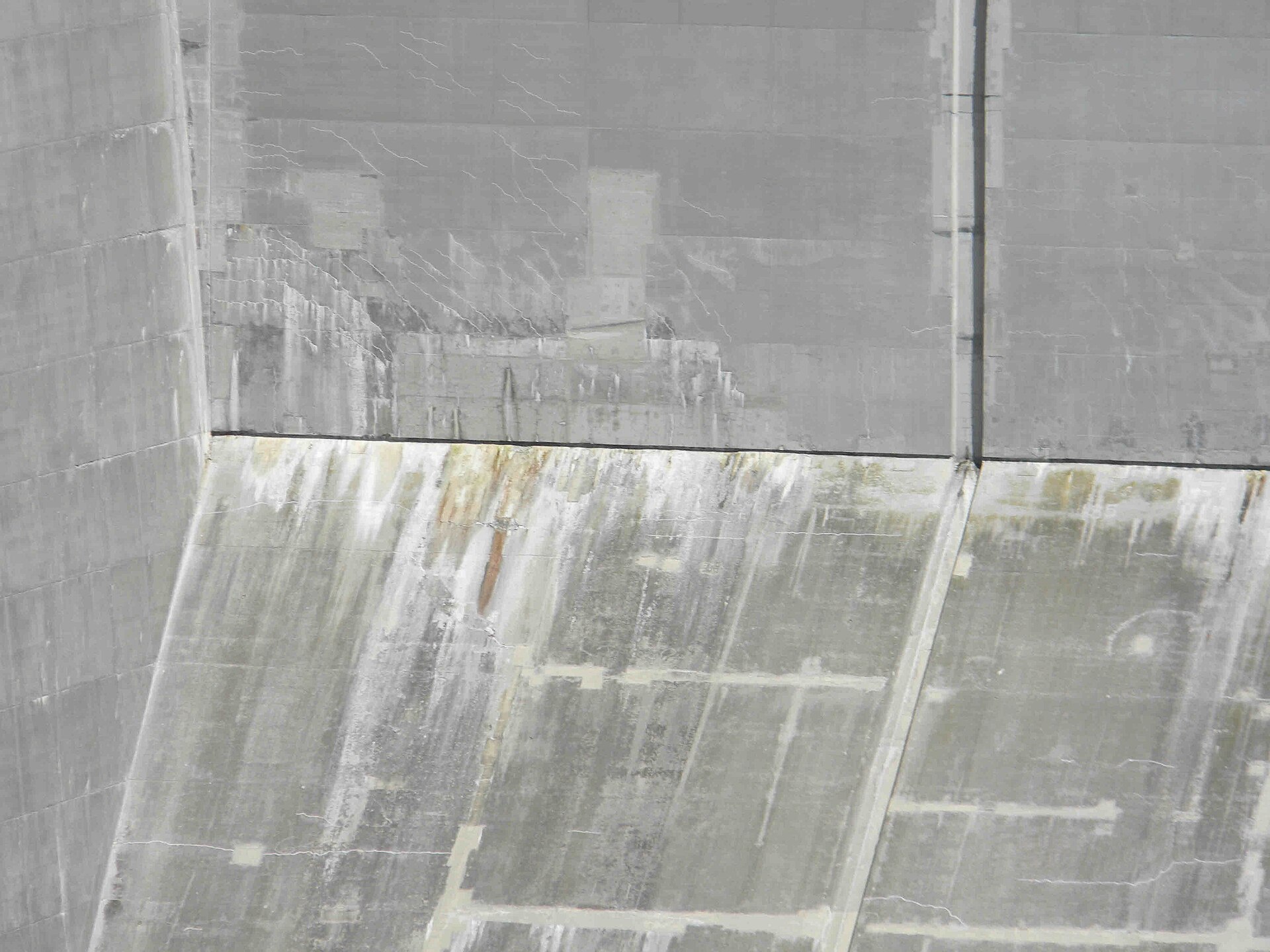
Small, non-structural vertical cracks can often be sealed by a homeowner with kits that inject expanding polyurethane foam or epoxy, according to Engineer Fix. But cracks wider than a quarter-inch, or cracks that run horizontally or diagonally, may signal structural movement and should be evaluated by a professional before any sealing. For severe or persistent moisture, interior or exterior drainage systems such as a French drain may be needed to relieve the pressure driving water through the wall.
Frequently asked questions
Is efflorescence dangerous to my health?
The deposit itself is just mineral salt, not a living organism, so it is not the health hazard that mold is. The moisture behind it can feed mold growth over time, though, which is the part worth taking seriously.
Will efflorescence damage my foundation?
The powder alone does not damage concrete, but the ongoing moisture that creates it can. Persistent water movement leaches minerals from the masonry and, combined with freeze-thaw cycles or hydrostatic pressure, can lead to cracking and mortar decay over the years.
Can I just paint over efflorescence?
Painting over it traps the salts and the moisture behind the coating, so the paint usually blisters and peels. The deposits and the dampness have to be dealt with first, then the wall can be sealed with a proper masonry coating if desired.
Why does efflorescence keep coming back after I clean it?
Because cleaning removes the salt but not the water carrying it. Until the moisture source is fixed, through grading, drainage, or interior waterproofing, new water keeps dissolving new salts and depositing them on the surface.
Does efflorescence mean my basement leaks?
Not necessarily a visible leak, but it does mean water is moving through the wall. A dry-looking basement with efflorescence may still have an uncontrolled moisture problem, which is why the plastic sheet test and a moisture meter are useful checks.
The bottom line
Efflorescence is mineral salt left behind by water traveling through your basement walls: harmless in itself, but proof of a moisture problem. Brush or wash the powder off, then do the work that actually matters.
Slope the ground away from the house, extend the downspouts, dry the basement air, and seal small cracks. Do that, and the white powder stops coming back.
Related stories

Why Your Faucet Keeps Dripping After You Turn It Off
A dripping faucet is usually a worn washer, O-ring, or cartridge that can no longer seal. One drip per second wastes over 3,000 gallons

How to fix a running toilet without a plumber in 30 minutes
A running toilet can waste 200 gallons of water a day. Diagnose the flapper, float, or fill valve in two minutes, then fix it yourself

How to hang heavy shelves on drywall safely
Studs first, toggle bolts second, plastic anchors never for heavy loads. Weight ratings, installation steps, and mistakes that bring