
Edmonton windstorm brings new power outage risk on Saturday
Web StoryWatch this story in 15 seconds →Key takeaways
- A second windstorm hit Alberta on Saturday, October 17. Gusts reached 90 to 100 km/h. The airport logged a 98 km/h gust.
- The storm came three days after a Wednesday storm. That storm cut power and closed two voting sites.
- Stay away from downed power lines. Keep fridge doors shut if your power goes out. Treat dark traffic signals as four-way stops.
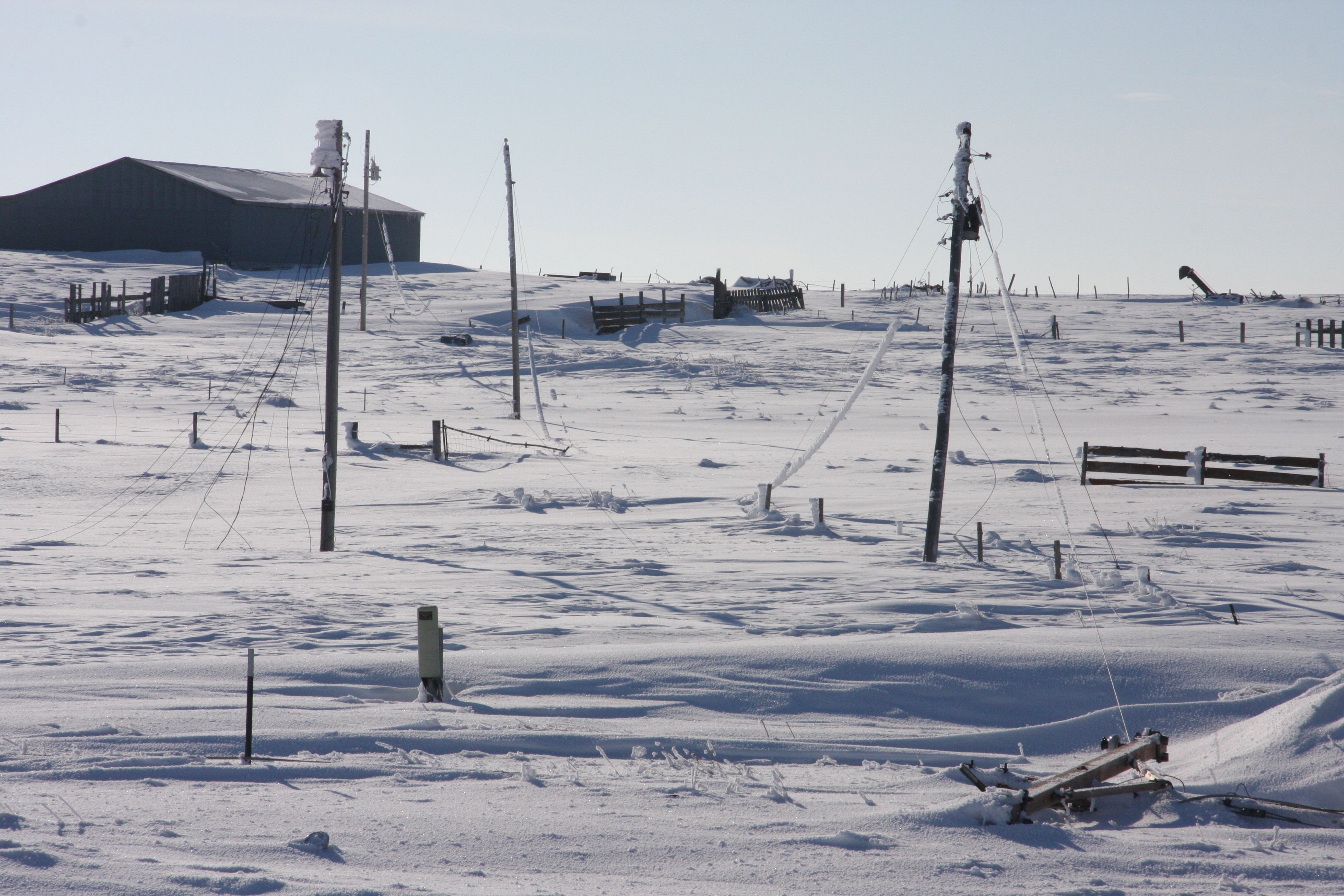
A strong windstorm hit the Edmonton area again on Saturday, October 17. Gusts reached 90 to 100 km/h across central Alberta. It was the second windstorm in four days.
What happened
A sharp cold front crossed Alberta on Saturday afternoon. The front brought a fast drop in temperature. It also brought very strong westerly winds.
The Weather Network said gusts could reach 90 to 100 km/h. The strongest gusts were expected across central and southern Alberta. The report warned that local damage was possible.
By 2 in the afternoon, the airport recorded a gust of 98 km/h. The reading came from Edmonton International Airport. It showed the storm was near full force.
As of 2:35 in the afternoon, Epcor reported 11 separate outages in Edmonton. Power was out in Glenora, Westmount, and Belgravia. Capilano, Boyle-McCauley, and other areas were also hit.
Fortis Alberta said it faced downed wires and power lines. The firm said crews were at work across the province. It also warned of long waits for phone help.
Strong wind also knocked out traffic signals in parts of Edmonton. The City of Edmonton gave one clear rule to CBC News. Drivers should treat dark signals as four-way stops.
Temperatures fell fast as the front passed. The report said they could plunge up to 10 C in a single hour. That drop hit parts of central Alberta late on Saturday afternoon.
The morning showed how mixed the day was. Prince Albert woke to minus 3.8 C. Regina woke to minus 1.8 C.
At the same time, Linden in Alberta was near 18 C. Warm air sat next to cold air. That contrast helped fuel the storm.
The wind did not stop at the Alberta border. Gusts of 70 to 80 km/h were possible across Saskatchewan through Saturday night. The front kept moving east as the night went on.
People in Edmonton searched for power outage news as the storm arrived. The search spike showed real worry. Many wanted to know if their power would go out.
Others wanted to know when it would come back.
Why it matters
Wind is one of the top causes of power outages. Strong gusts can snap branches. Branches can fall on power lines.
Lines can also sway and break in high wind.
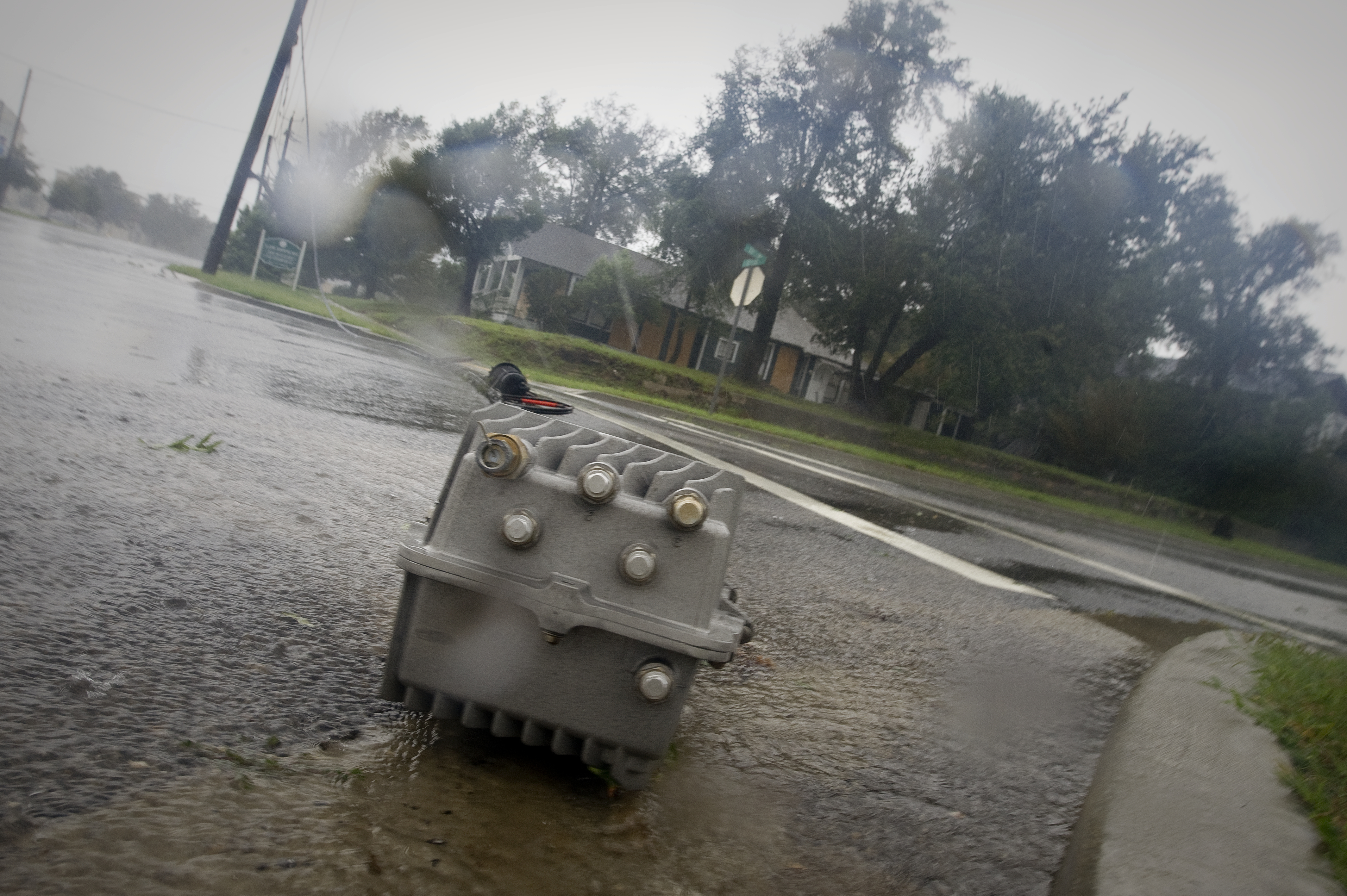
Alberta had just seen this happen. A storm hit the province on Wednesday, October 14. Gusts reached up to 90 km/h that day.
The Weather Network said the wind could push tall vehicles around. It also said the wind could cause isolated power outages.
That warning proved true in at least one place. High winds caused a power outage in the Athabasca area on Wednesday. The outage started around 2 in the afternoon.
It hit the Athabasca-Barrhead-Westlock voting district.
The outage closed two advance voting sites. One was the Athabasca Seniors Centre in Athabasca. The other was the Returning Office at 4714 50 Street in Clyde.
Elections Alberta said power was expected back by 4:30 in the afternoon. Voting resumed the next day, on Thursday, October 15.
CP24 reported a peak of 15,000 Fortis customers without power. Fortis told CTV News Edmonton that 11,000 lost power in one transmission outage. Fortis said full fix was set for about noon the next day.
Two storms in four days test the power grid. Crews fix damage from the first storm. Then the second storm brings fresh damage.
That cycle can slow repairs. It can also leave some homes with more than one outage in a week.
The Saturday storm also brought a sharp cold snap. A fast 10 C drop can catch people off guard. Homes that lose power also lose heat.
That makes a warm blanket and a charged phone more than small comforts.
What happens next
The front kept moving east on Saturday night. Saskatchewan faced gusts of 70 to 80 km/h. The winds were set to ease after the front passed.
People in Edmonton should watch for local updates. Utilities post outage maps online. Those maps show which areas lost power.
They also show repair progress.
If your power went out, report it to your utility. Crews fix known outages first. A report helps them find your street.
It also helps them judge how wide the damage is.
Power often returns in stages. One street may get power back early. The next street may wait longer.
The order depends on the damage. It also depends on how many homes one repair can restore.
What to do if your power goes out
Stay calm and act in small steps. First, check if the whole street lost power. Look out the window at nearby homes.
If your home is the only dark one, check your breaker panel.
Keep fridge and freezer doors shut. Food stays cold longer that way. Open doors let cold air escape fast.
Use flashlights instead of candles. Candles can start a fire. A flashlight is safer in a dark home.
Unplug sensitive electronics. A power surge can harm them when power returns. A surge is a short burst of high power.
Laptops and TVs are good to unplug.
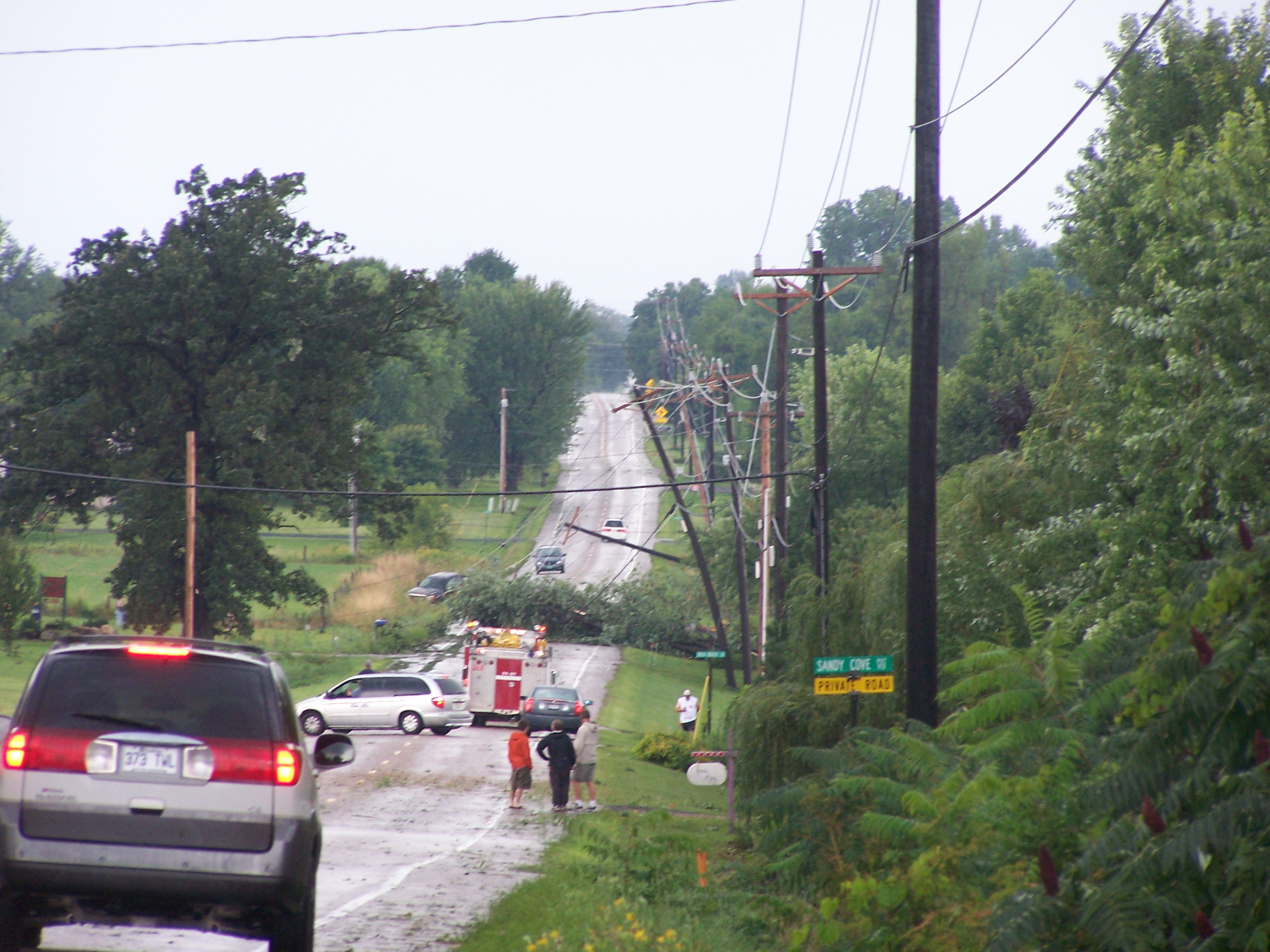
Stay away from downed power lines. Treat every fallen line as live. Do not touch it or anything near it.
Keep pets and kids far away.
Check on neighbours who may need help. Older people and young kids feel the cold first. A quick knock can make a big difference.
Charge your phone while you can. A charged phone keeps you in touch. It also lets you check outage maps and news.
If you use medical gear that needs power, plan early. Know where you can go for backup power. Ask your utility about medical priority lists.
A second storm in one week is a clear lesson. Keep a small kit ready. A flashlight, water, and snacks cover the basics.
A charged battery pack helps too. Wind will come again in Alberta. A little prep makes the next outage easier to handle.
The same care that got people through Wednesday's storm applies again. Secure loose items before wind arrives. Bring bins and chairs inside.
If a light switch buzzes, get it checked. A buzz can signal a wiring fault. Do not ignore it.
Related stories

Why Your Faucet Keeps Dripping After You Turn It Off
A dripping faucet is usually a worn washer, O-ring, or cartridge that can no longer seal. One drip per second wastes over 3,000 gallons

How to fix a running toilet without a plumber in 30 minutes
A running toilet can waste 200 gallons of water a day. Diagnose the flapper, float, or fill valve in two minutes, then fix it yourself

How to hang heavy shelves on drywall safely
Studs first, toggle bolts second, plastic anchors never for heavy loads. Weight ratings, installation steps, and mistakes that bring