
Why does a light switch buzz and when is it dangerous
Key takeaways
- A faint buzz from a dimmer switch can be normal, but a loud or growing buzz is not.
- Loose wiring can cause arcing, which creates intense heat and raises the fire risk.
- Heat, scorch marks, crackling, or a burning smell mean stop using the switch and call a licensed electrician.
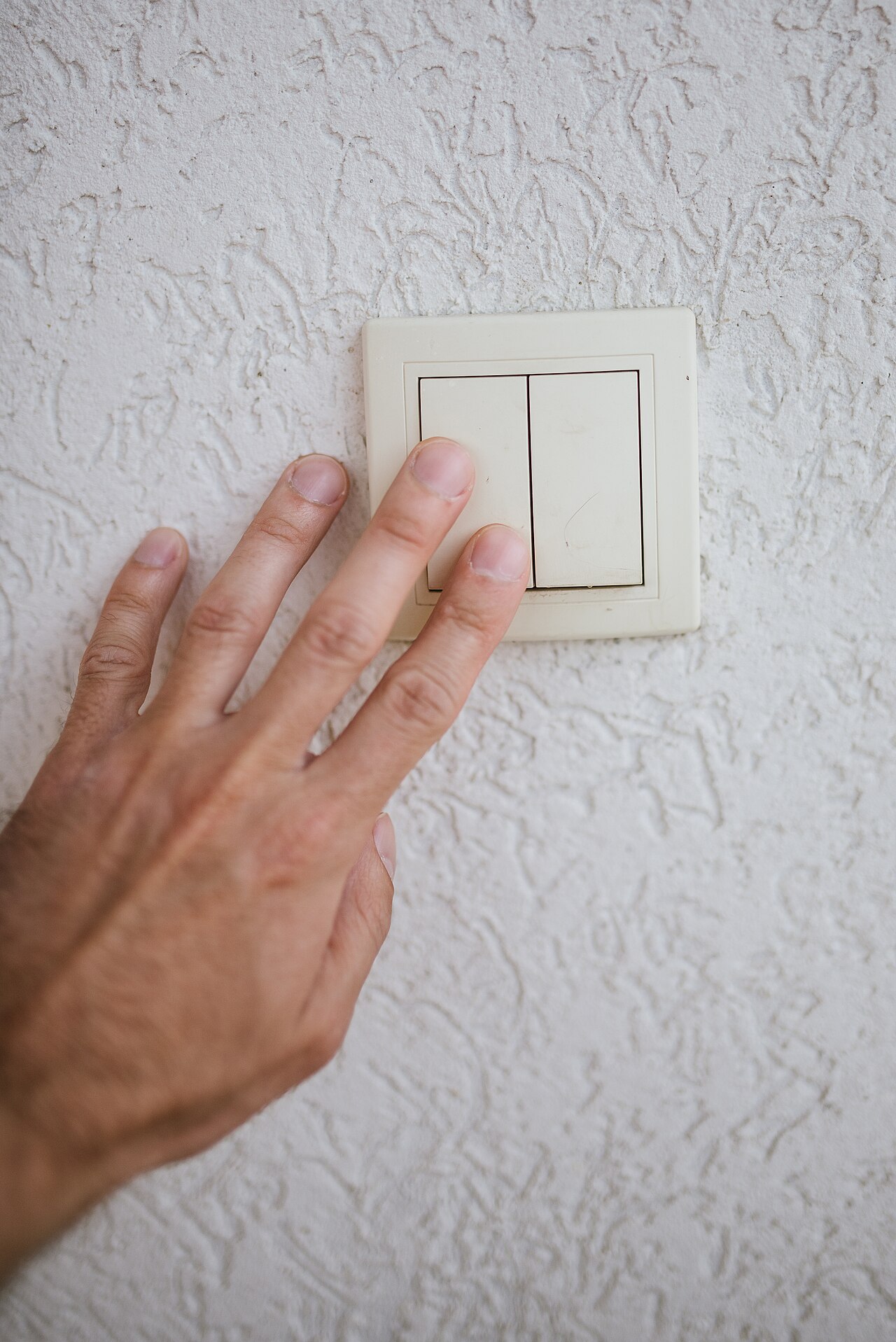
A light switch should work in silence. When it buzzes, hums, or crackles, something in the circuit is vibrating or struggling to carry current. Sometimes the cause is harmless, like a dimmer working as designed.
Sometimes it is a warning of loose wiring or arcing.
This article explains why a light switch buzzes, when the noise is dangerous, and what to do about it. It covers dimmer switches, loose wiring, overloaded circuits, and faulty switches.
This article is for general information, not professional electrical advice. Do not open a switch box unless you know how to work safely with wiring.
What the buzz actually is
Electricity flowing through a switch should pass through solid metal contacts. When a contact is loose, worn, or mismatched, the current can jump a tiny gap or make parts vibrate. Your ear hears that vibration as a buzz or hum.
The pitch and volume give clues. A soft, steady hum from a dimmer is one thing. A loud buzz that grows, or a crackle that comes and goes, is another.
The second kind deserves fast attention, since it points to a connection that is failing.
One fact sets the stakes. An arc fault is an electrical discharge between two conductors caused by poor contact, and Tech Xplore reports that the National Fire Protection Association (NFPA) estimates arc faults cause 50 to 75 percent of all electrical home fires. Sparks from arcing can reach temperatures as high as 1,000 degrees Celsius, according to the same report.
Cause 1: Dimmer switch and bulb mismatch
Dimmer switches control brightness by changing how current reaches the bulb. That chopping of current can make the dimmer or the bulb vibrate slightly. A faint buzz at low brightness is common with dimmers.
The usual trigger is a mismatch. LED bulbs paired with an older dimmer designed for incandescent bulbs often buzz. A non-dimmable bulb on any dimmer circuit can buzz too.
Valiant Home and Energy notes that LED bulbs can buzz if paired with an incompatible dimmer, or if a non-dimmable bulb sits on a dimmer circuit.
The fix is to match the parts. Use bulbs labeled dimmable, and use a dimmer rated for LED loads. Dimmer makers such as Lutron design LED-rated dimmers to reduce flicker, buzzing, and humming.
If the buzz stops after the swap, the mismatch was the cause.
Cause 2: Loose wiring
Loose wiring is the cause that deserves the most respect. Wires can loosen over time as a house settles, as screws work free, or after a poor installation. When a wire is loose, the connection has higher resistance, and the current can arc across the gap.
SlashGear describes arcing as electricity jumping from one point to another when wiring becomes loose. That arcing brings uncertainty and a risk of electrical fire. A loose wire can also make the switch feel hot and make the bulb flicker.
This is not a fix to rush. The first step is to switch off power to the circuit at the breaker box. After that, the safe move for most homeowners is to call a licensed electrician.
A loose wire may look simple, but damage to the switch or insulation can hide behind the plate.
Cause 3: Overloaded circuit
A circuit carries a limited amount of current. When too many devices draw from the same circuit, the load strains the wiring and the switch. That strain can show up as buzzing.
Overload often comes with other signs. Breakers trip, lights dim when an appliance starts, or several rooms share one overloaded run. If the buzz appears only when a heater or a large appliance runs, overload is a strong suspect.
The fix is to spread the load. Move a high-wattage appliance to a different circuit. If the circuit trips often, an electrician can check whether the circuit needs an upgrade.
Never replace a breaker with a higher-rated one to stop trips, since the breaker protects the wiring.
Cause 4: Worn or faulty switch
Switches wear out. Contacts erode with every flip, springs weaken, and the internal parts stop seating firmly. An old switch can buzz even when the wiring behind it is fine.
Age is the clue. A switch that has served for decades, feels loose, or needs a firm press to work is a candidate for replacement. A new switch is cheap, but the replacement still involves live wiring.
Turn off the breaker first, and call a professional if you are unsure.
Fluorescent fixtures add one more case. Their ballasts can hum as they regulate power. A ballast hum that grows louder with age may mean the ballast is failing.
Replacing an old fluorescent fixture with a modern LED fixture often ends the noise for good.
When a buzzing switch is dangerous
Treat the switch as dangerous if any of these signs appear. Heat on the switch plate is the clearest one. Scorch marks, discoloration, or a melted look around the plate come next.
A burning smell means the problem has already produced heat.
Crackling or popping sounds point to arcing inside the switch. Flickering lights on the same circuit suggest a failing connection. A shock when touching the switch means something is wrong with grounding or insulation.
Any one of these signs is enough to act.
The NFPA safety advice quoted by FireRescue1 is direct: if outlets or switches feel warm, or if lights flicker or dim, call a qualified electrician. That advice fits this situation exactly.
What to do right now
First, stop using the switch if you see any danger sign. Leave it in the off position. Do not keep flipping it to test the sound.
Second, switch off power to the circuit at the breaker box. Label the breaker so nobody turns it back on while the switch is unchecked. Keep the circuit off until a professional inspects it.
Third, call a licensed electrician and describe what you noticed. Mention heat, smell, crackling, or scorch marks, since those details set the priority. Take a photo of any discoloration from a safe distance, if you can do so without touching the switch.
Fourth, do not ignore a buzz that comes back after a bulb swap. A new bulb fixes mismatch problems only. A buzz that survives the swap points to wiring or the switch itself.
What a professional will check
An electrician starts with the power off. The usual checks cover terminal screws, wire condition, and signs of heat damage on the switch and insulation. A damaged switch gets replaced, and damaged wire gets cut back to clean copper.
The electrician may also check the breaker and the circuit load. An arc-fault circuit interrupter (AFCI) can add protection on circuits that need it, since it cuts power when it detects the waveform of an arc fault. That upgrade is a job for a professional, not a weekend project.

Frequently asked questions
Is a faint buzz from a dimmer switch normal?
It can be. Dimmers change how current reaches the bulb, and a faint hum at low brightness is common. A loud buzz, or one that grows over time, is not normal and needs checking.
Can a buzzing switch cause a fire?
Yes, if the cause is loose wiring or arcing. Arcing produces intense heat that can ignite nearby material. Heat, smell, or scorch marks mean the risk is real.
Should I open the switch to check the wiring myself?
Only if you are trained and comfortable working with household wiring. Switch off the breaker first, and verify the circuit is dead. Otherwise, call a licensed electrician.
Why did the buzzing start after I changed a bulb?
The new bulb may not match the dimmer. A non-dimmable LED on a dimmer, or an LED on an old incandescent dimmer, often buzzes. Swap in a dimmable bulb rated for your dimmer.
The bottom line
Most buzzing switches come down to four causes: a dimmer mismatch, loose wiring, an overloaded circuit, or a worn switch. A faint dimmer hum with no other symptoms is usually benign. Heat, smell, scorch marks, crackling, or flickering mean the switch is dangerous, and the right move is to stop using it, switch off the breaker, and call a licensed electrician.
A buzz that survives a bulb swap is telling you the wiring needs a professional look.
Tags: electrical safety, home repair, light switch, dimmer switch
Latest in Home
Subscribe for one practical home tip each week.
Related stories

Why Your Faucet Keeps Dripping After You Turn It Off
A dripping faucet is usually a worn washer, O-ring, or cartridge that can no longer seal. One drip per second wastes over 3,000 gallons

How to fix a running toilet without a plumber in 30 minutes
A running toilet can waste 200 gallons of water a day. Diagnose the flapper, float, or fill valve in two minutes, then fix it yourself

How to hang heavy shelves on drywall safely
Studs first, toggle bolts second, plastic anchors never for heavy loads. Weight ratings, installation steps, and mistakes that bring