
Why Does a Door Stick in Summer and How to Fix It
Key takeaways
- Wood absorbs moisture from humid summer air and swells, which closes the small gap between door and frame.
- Find the exact rub point before you fix anything, since each cause needs a different repair.
- Seal all six sides of the door and keep indoor humidity near 40 to 55 percent to stop the problem returning.
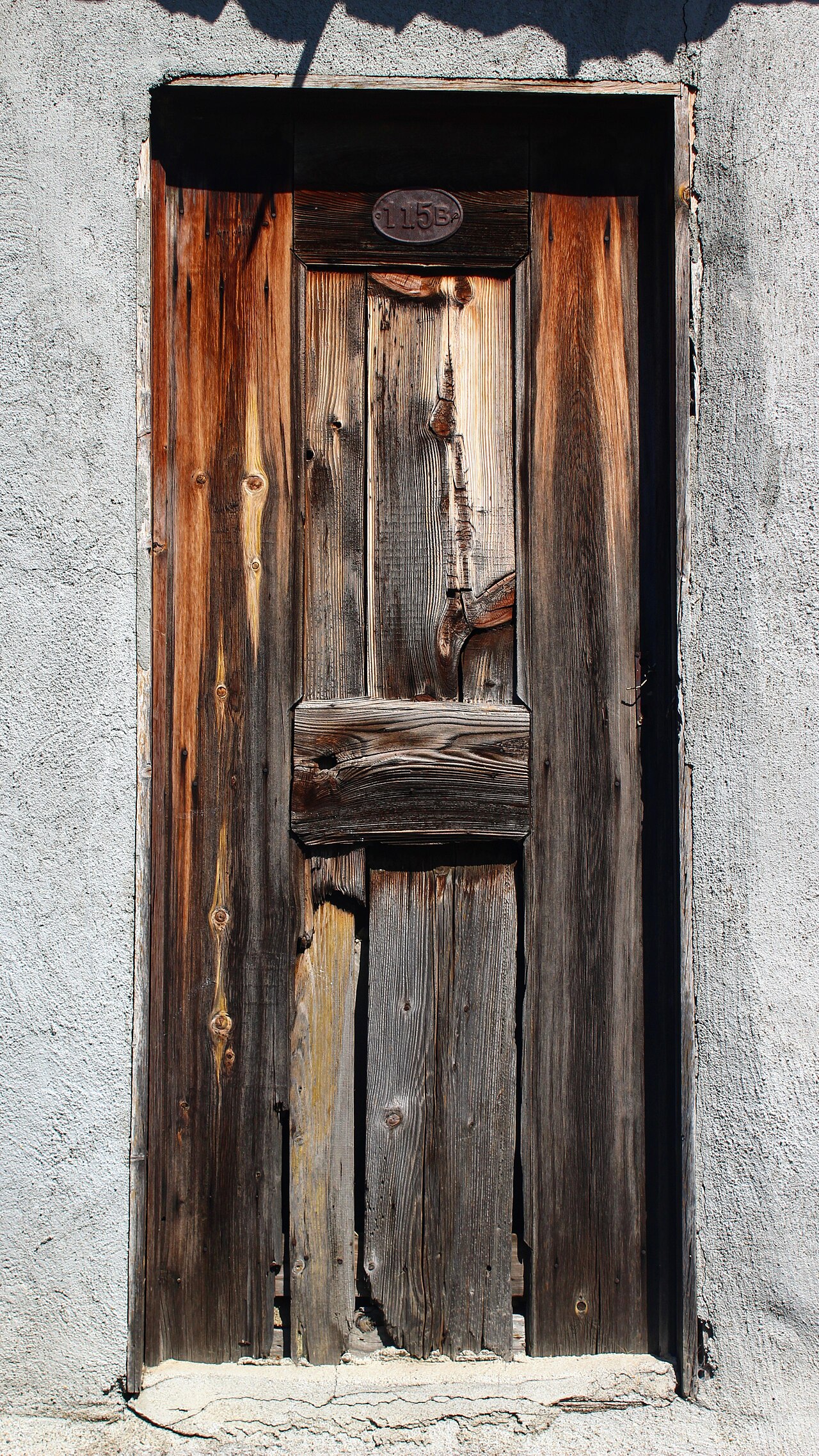
A door that sticks in summer is usually a door that has grown slightly larger. Wood takes in moisture from the air around it, and the fibres swell as they absorb water. That swelling is small, but the gap between a door and its frame is small too, so even a millimetre or two of growth can make the door bind, squeak, or refuse to close.
This article explains why doors stick in summer, including how wood swells, how to find the exact rub point, and how to fix it. It covers quick fixes that need no tools, repairs that remove a small amount of wood, and the sealing steps that stop the problem coming back.
Why summer makes doors stick
Wood is hygroscopic, which means it absorbs and releases water vapour as the humidity around it changes. When summer air turns humid, the wood fibres take in moisture and expand across the grain, so the door grows slightly wider and thicker. According to Engineer Fix, this dimensional change is what makes the door bind against the jamb or frame.
The clearance is tighter than most people expect. Homes and Gardens reports that a typical door has only about one eighth of an inch of gap at the top and two vertical sides, with about three quarters of an inch below. With so little room, a small amount of swelling is enough to cause rubbing.
The frame can swell as well as the door. Humidity can make a wooden frame expand even when the door itself is made of uPVC, fibreglass, or metal, according to Homes and Gardens. That is why a non-wooden door can still stick in a humid summer.
Unsealed edges make the problem worse. The top and bottom edges of a door are often left unfinished, and Engineer Fix notes that these bare edges are highly susceptible to absorbing moisture. Joiner Justin Brown told Homes and Gardens that wooden doors expand and contract with changes in humidity and temperature, and that a door can stick during a humid season or after a sharp change in temperature.
Find the exact rub point first
Fixing the wrong spot wastes time and can damage a door that was fine. Spend a few minutes finding where the door actually rubs before you reach for any tool. Ironmongery expert Jeremy Barltrop told Homes and Gardens that finding the source of why a door sticks can save a lot of time and energy.
Start by looking at the edges of the door and the frame. Worn or scratched surfaces and faded paint often mark the spot where the door has been rubbing. Check the top edge, the latch side, and the bottom edge, since swelling often shows at the edges first.
A simple chalk test marks the rub point clearly. Engineer Fix describes opening the door and applying a light layer of chalk or pencil graphite along the edge you suspect is binding. When you close and open the door again, the chalk rubs off onto the jamb and shows the exact area that needs attention.
A thin sheet of paper works as a feeler gauge. Slide it between the door and the jamb and move it along the edge, as Engineer Fix suggests. The paper snags or tears exactly where the wood is binding, which pinpoints the high spot.
Check the hinges while you are there. A single loose screw can stop a door from sitting squarely, which makes it rub against the frame.
Quick fixes that need no tools
Many sticking doors improve with small adjustments that remove no wood at all. Try these first, since they are reversible and take only minutes.
Tighten the hinge screws. A loose hinge lets the door sag out of position, and tightening the screws can pull it back into place. Engineer Fix notes that tightening the top hinge screws can help when the door binds on the latch side, since it pulls the door slightly away from the jamb.
If a screw spins without gripping, replace it with a slightly longer or thicker screw. Homes and Gardens suggests this fix for screws that no longer tighten. The larger screw bites into fresh timber and holds the hinge firmly again.
Lubricate the rubbing edge. Rubbing a wax candle or a block of paraffin wax along the sticky edge creates a temporary slick barrier, according to Engineer Fix.
ABP Live suggests a thin layer of soap, paraffin wax, petroleum jelly, or household lubricant for the same purpose. These are temporary fixes, but they work well through a humid spell.
Dry the swollen spot with gentle heat. Engineer Fix describes aiming a hair dryer or small space heater at the binding edge for 15 to 20 minutes to shrink the wood fibres enough to restore function.
ABP Live advises holding a hair dryer about 30 cm away on a low setting and warming the damp area briefly. Avoid overheating, since excess heat can damage the wood or its finish.
Shim a hinge to shift the door inside the frame. Engineer Fix explains that a thin cardboard shim behind the lower hinge plate pushes the bottom of the door slightly away from the jamb. Shimming the top hinge has the opposite effect, and helps when the door binds near the middle or bottom of the latch side.
When you need to remove a small amount of wood
If the quick fixes do not work, the door may need a small amount of material removed from the high spot. Work slowly here, since wood you remove cannot be put back.
Sand the marked area with 80-grit to 100-grit sandpaper wrapped around a small flat block. Engineer Fix recommends sanding with the grain to avoid splintering or leaving cross-grain scratches. Test the fit after a few strokes, then sand a little more if needed.
A hand plane removes wood faster for larger high spots. Engineer Fix advises setting the plane to take off a very thin shaving, typically less than one millimetre at a time, to avoid over-planing.
Test the door after every pass. Close it fully, check whether it moves freely, and repeat only if it still binds. Engineer Fix stresses that removing too much material is irreversible, so a cautious approach with frequent checks gives an accurate and lasting repair.
Do not cut for the worst summer day. Barltrop points out that doors can shrink again in colder seasons, so cutting away too much leaves a draughty gap in winter. Take off the smallest amount that lets the door close, then seal the edge and let the season change do the rest.
Stop it coming back
A fix that ignores moisture will fail again next summer. Sealing the door and controlling indoor humidity are what turn a one-season repair into a lasting one.
Seal all six sides of the door. Engineer Fix advises sealing the door completely with paint or varnish, including the top and bottom edges that are often left bare. Two coats of primer plus two coats of exterior-grade paint create a barrier that slows the wood's reaction to moisture.
Use a polyurethane finish on bare wood. Homes and Gardens suggests applying a polyurethane finish to form a barrier against moisture and reduce friction. Re-seal the edge you sanded or planed right away, since fresh bare wood absorbs moisture faster than a sealed surface.
Keep indoor humidity in a steady range. Engineer Fix recommends maintaining indoor humidity between 40 and 55 percent to limit how much moisture the door can absorb. A dehumidifier helps in damp rooms or during long humid spells, according to both Engineer Fix and ABP Live.
Improve ventilation in damp rooms. ABP Live notes that poor ventilation, damp rooms, and drying wet clothes indoors can raise indoor humidity and make swelling worse. Opening windows on drier days, running an extractor fan, and drying clothes outside all help.
Damp air also feeds peeling paint in bathrooms, so a drier house pays off beyond the door.
When to call a professional
Some sticking doors point to a bigger problem. Call a carpenter or contractor if the door is badly warped, cracked, or twisted, since sanding cannot straighten a warped door. A door that sticks after a leak, flood, or foundation movement also needs a professional check, since the frame or structure may have shifted.
Security doors and fire doors deserve care too. Homes and Gardens notes that a sticking door can be a safety hazard in a fire if it will not open freely. If an exit door binds, treat it as urgent and get it fixed promptly rather than waiting for drier weather.
Frequently asked questions
Why does my door only stick in summer?
Wood swells as it absorbs moisture from humid air and shrinks again as the air dries. A door that sticks in summer and frees up in winter is showing normal seasonal movement. Sealing the door and steadying indoor humidity reduce the swing.
Can I fix a sticking door without removing it?
Yes, in many cases. Tighten the hinge screws, lubricate the rubbing edge with wax or soap, or dry the swollen spot gently with a hair dryer. These steps fix minor binding without taking the door off its hinges.
Should I plane a door in the middle of summer?
Plane only the smallest amount needed, and seal the cut edge at once. Doors shrink in colder months, so removing too much wood in summer leaves a gap in winter. Test the fit after each thin pass.
The bottom line
A sticking door in summer is usually swollen wood, not a broken door. Find the rub point with chalk or paper, try the reversible fixes first, and remove only a thin shaving if sanding becomes necessary.
Seal every edge and keep indoor humidity steady, and the door should close cleanly through the next humid season too. See also our guides on silencing a squeaky floorboard and fixing a dripping shower head.
Tags: doors, humidity, home repair, DIY
Latest in Home
- Can a Buzzing Light Switch Be Dangerous?
- Why Does Paint Peel Off Bathroom Walls?
- How to Silence a Squeaky Floorboard
- How to Fix a Dripping Shower Head
Subscribe to the Rive News newsletter for one practical home guide each week.
Related stories

Why Your Faucet Keeps Dripping After You Turn It Off
A dripping faucet is usually a worn washer, O-ring, or cartridge that can no longer seal. One drip per second wastes over 3,000 gallons

How to fix a running toilet without a plumber in 30 minutes
A running toilet can waste 200 gallons of water a day. Diagnose the flapper, float, or fill valve in two minutes, then fix it yourself

How to hang heavy shelves on drywall safely
Studs first, toggle bolts second, plastic anchors never for heavy loads. Weight ratings, installation steps, and mistakes that bring