
Why Does Paint Peel Off Bathroom Walls and How to Fix It
Key takeaways
- Moisture is the main reason bathroom paint peels, because water weakens the bond between paint and wall.
- Peeling paint is a symptom, so a repaint fails unless the water source and the surface prep are fixed first.
- A working exhaust fan, a moisture-rated paint, and full drying time between coats keep the repair intact.
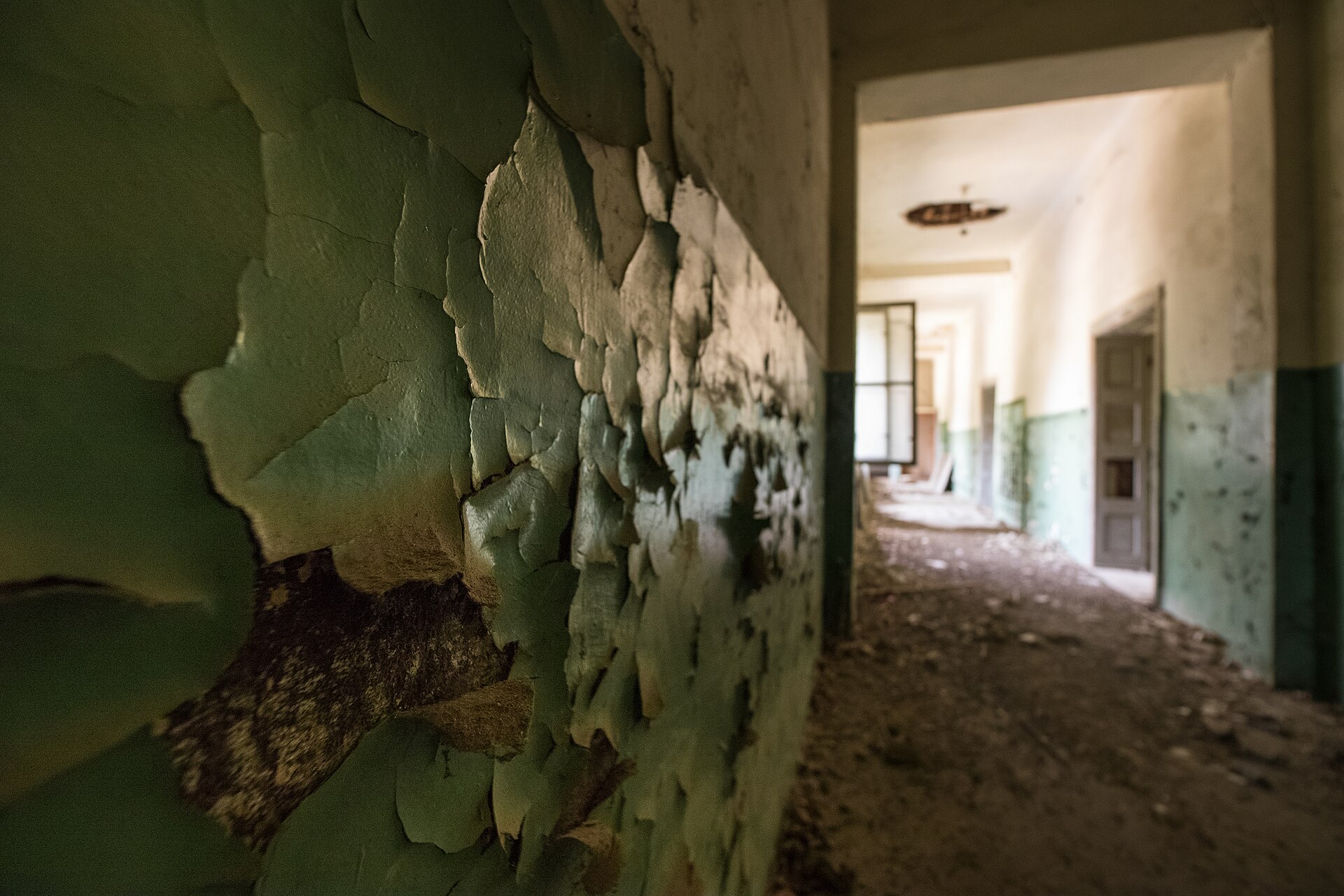
Paint peels in a bathroom when the coating loses its grip on the wall beneath it. The film lifts in flakes, curls at the edges, or bubbles into small blisters that break open when touched.
A bathroom makes this failure more likely than any other room. Every hot shower fills the air with steam, and that steam settles on walls and ceilings as condensation. Over weeks and months, the repeated wetting and drying works away at the bond that holds paint in place.
This article explains why paint peels off bathroom walls, including moisture, poor surface prep, the wrong paint, and rushed drying times. It also covers the repair steps and the habits that stop the problem from coming back.
What peeling paint is telling you
Peeling paint is a symptom, not the disease. The coating fails because something underneath it changed, and painting over the damage hides that change for a short while only.
The pattern of the peeling often hints at the cause. Peeling across a whole ceiling usually points to steam and weak ventilation. A single patch low on a wall near a tub or toilet more often points to a splash zone or a slow leak.
A soft or spongy patch, a musty smell, or a stain that keeps growing after the wall dries all suggest water is still getting in. In that case, stop and find the source before doing any cosmetic work.
Moisture gets behind the paint film
Moisture is the most common reason bathroom paint peels. Steam from showers, splashes from the tub, and condensation on cool walls all push water toward the paint film.
When water seeps into the wall, the adhesion between the paint and the surface weakens, according to Real Simple. The film can blister as trapped vapor tries to escape, then peel away in sheets once the bond gives out.
Leaks make the same problem worse and faster. A dripping pipe inside a wall, a loose shower fitting, or failed grout can soak the drywall behind the paint for weeks before anything shows on the surface. By the time the paint bubbles, the wall behind it may already be damp through.
Humidity targets help here. The US Environmental Protection Agency advises keeping indoor relative humidity below 60 percent, ideally between 30 and 50 percent. A bathroom that stays above that range after every shower is a room where paint will struggle.
The EPA also advises drying wet materials within 24 to 48 hours of a leak or spill. Fast drying limits mold growth and gives the wall a chance to return to a paintable state.
Fixing a dripping shower head or a failed seal matters as much as the repaint itself. Water that keeps arriving will defeat any paint, no matter how good the product is.
The surface was not ready
Paint sticks only to a clean, dry, stable surface. When it goes onto dust, soap film, grease, or old flaking paint, the new coat bonds to the dirt instead of the wall.
Bathrooms collect exactly the films that block adhesion. Hair spray, soap residue, and cleaning products leave a thin layer on walls and ceilings. Old paint that is already loose gives the new coat nothing solid to hold.
Skipping primer causes the same failure. Primer seals porous drywall and gives the topcoat a uniform surface to grip. Without it, the topcoat can soak in unevenly and lift as it cures.
Painting over a damp wall traps the moisture under the new coat. The trapped water then pushes the film off from behind, often within days of the job. Walls must be fully dry before primer goes on.
The repair starts with removal. Real Simple advises taking off loose paint with a wire brush, a scraper, or 100-grit sandpaper, then patching holes and sanding smooth with 220-grit sandpaper. A damp sponge clears the dust, and the wall then needs at least 24 hours to dry.
The wrong paint or primer for a wet room
Not every paint suits a bathroom. Flat finishes absorb moisture and are hard to wipe clean. Cheap paints often have weaker binders, so they break down faster in steam.
Bathrooms need a paint rated for high humidity. Products labeled for bathrooms or kitchens usually carry mildew-resistant additives and a tougher film. Satin or semi-gloss finishes also help, because their harder surface resists moisture better than a flat finish and wipes clean without scrubbing away the coating.
Primer choice matters too. A primer made for damp rooms, or a stain-blocking primer where water stains are present, seals the surface and blocks old stains from bleeding through. Using a primer that does not match the topcoat or the wall material can leave a weak layer in the middle of the job.
Color and brand matter less than the label. Read the can for humidity resistance, the recommended surfaces, and the recoat times. A paint that works well in a bedroom can still fail in a bathroom.
Rushed drying and tape mistakes
Two small rushing errors cause a surprising share of peeling. The first is recoating before the previous coat has dried. The second is pulling painter's tape off at the wrong time.
Paint that is recoated too soon traps solvents and moisture between layers. The surface may look dry while the layer beneath is still soft. As the trapped layer cures, it shrinks and pulls away, taking the topcoat with it.
Real Simple reports that painters should wait at least 24 hours before adding a coat over primer. The exact time varies by product and ventilation, so the instructions on the can are the final word.
Tape can also lift fresh paint. Mary Kate Hearns, senior product manager at Shurtape Technologies, told Real Simple that removing painter's tape after paint has dried is a common reason fresh paint peels. She advises removing tape slowly at a 45-degree angle and scoring dried paint along the tape edge with a razor blade first.
How to fix peeling bathroom paint
A lasting repair follows the same order every time: stop the water, dry the wall, strip the loose paint, prime, and then repaint. Skipping a step saves an afternoon and costs a second repair.
- Find and fix the water source. Repair leaks, reseal grout, and recaulk the tub. Check that the exhaust fan runs and vents outside, not into the attic.
- Dry the wall fully. Run the fan and a dehumidifier if needed. The wall should feel dry to the touch and show no dark damp patches.
- Strip every loose flake. Scrape, brush, and sand until the edges of the remaining paint feel firm and feathered into the wall.
- Patch holes and cracks with filler, then sand smooth. Wipe the dust away with a damp sponge and let the wall dry again.
- Prime the repaired areas with a primer suited to damp rooms. Let it dry for the full time on the label, at least 24 hours if the product calls for it.
- Apply two thin topcoats of bathroom-rated paint in satin or semi-gloss. Wait the labeled recoat time between coats.
Work in thin coats rather than one heavy coat. Heavy coats sag, trap moisture, and take far longer to cure through.
If the damaged area is large, the drywall is soft, or mold covers more than a small patch, call a professional. The EPA notes that mold areas larger than 10 square feet may need professional remediation. A pro can also check whether the wall framing behind the drywall has taken water damage.
How to keep it from peeling again
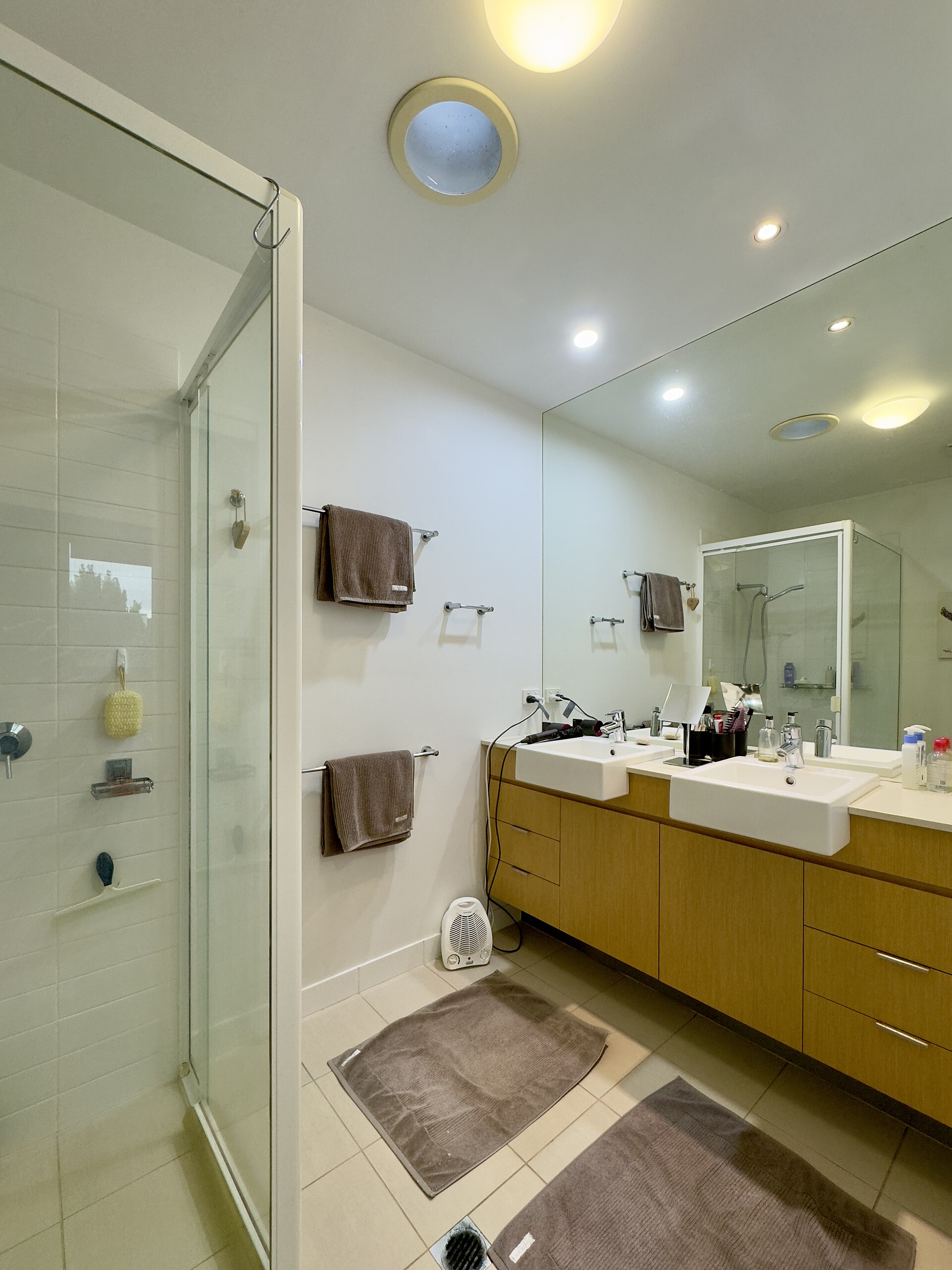
Prevention is mostly ventilation. Run the exhaust fan during every shower and leave it on for 20 to 30 minutes after you finish. If the bathroom has no fan, open a window during and after showers until one can be fitted.
Keep the room in the EPA target range of 30 to 50 percent relative humidity. A small hygrometer, sold at most hardware stores, shows the reading at a glance.
Small maintenance jobs protect the paint too. Recaulk the tub when the caulk around the bathtub cracks or pulls away, since gaps let water run down behind tiles and into the wall. Wipe down walls after very steamy showers in bathrooms with weak airflow.
Wash painted walls gently. A soft sponge with mild soap removes the soap film and residue that weaken adhesion over time. Avoid harsh scrubbing, which can wear through the finish and expose the primer beneath.
Repaint on schedule rather than waiting for failure. A bathroom repaint every few years, with proper prep, costs far less than repairing water-damaged drywall. Watch the ceiling and the wall above the shower first, since those areas fail earliest.
Frequently asked questions
Can I paint over peeling paint?
Painting over peeling paint fails quickly. The new coat bonds to loose flakes instead of the wall, so it lifts with them. Strip the loose paint, patch, prime, and then repaint.
Which paint finish is best for a bathroom?
Satin or semi-gloss finishes work best in most bathrooms. Their harder surface resists moisture and wipes clean more easily than flat paint. Check that the product is rated for high-humidity rooms.
How long should I run the bathroom fan?
Run the fan during the shower and for 20 to 30 minutes after. That clears the steam that would otherwise condense on walls and ceilings. A fan on a timer switch makes the habit automatic.
Does peeling paint mean there is mold?
Not always. Peeling alone can come from steam and poor prep. Mold is more likely if the area smells musty or stays damp.
When should I call a professional?
Call a pro for active leaks inside walls, soft or crumbling drywall, or mold covering more than 10 square feet. A painter can handle surface repairs, but hidden water damage needs a plumber or a remediation specialist.
The bottom line
Paint peels off bathroom walls because moisture breaks the bond between the coating and the surface, and poor prep or the wrong paint makes that bond weaker from the start. Fix the water first, strip the loose paint, prime a dry wall, and repaint with a bathroom-rated product in satin or semi-gloss. Run the fan after every shower, and the repair has a real chance to last.
Tags: bathroom paint, peeling paint, moisture damage, home repair
Latest in Home
- Is a Buzzing Light Switch Dangerous?
- How to Fix a Dripping Shower Head
- The Right Way to Caulk a Bathtub
- Is Tap Water That Smells Like Chlorine Normal?
Subscribe to Rive News for one practical home guide each week.
Related stories

Why Your Faucet Keeps Dripping After You Turn It Off
A dripping faucet is usually a worn washer, O-ring, or cartridge that can no longer seal. One drip per second wastes over 3,000 gallons

How to fix a running toilet without a plumber in 30 minutes
A running toilet can waste 200 gallons of water a day. Diagnose the flapper, float, or fill valve in two minutes, then fix it yourself

How to hang heavy shelves on drywall safely
Studs first, toggle bolts second, plastic anchors never for heavy loads. Weight ratings, installation steps, and mistakes that bring