
Why Do Gutters Overflow Even When They Look Clean? 6 Reasons
Key takeaways
- Gutters overflow without clogs when the pitch is wrong, the channel is too small for the roof, or downspouts are too far apart.
- The correct gutter slope is at least 1/4 inch per 10 feet toward the downspout; anything flatter lets water pool and spill.
- Persistent overflow damages foundations, fascia boards, and siding, so a clean-looking gutter that still spills needs a structural fix, not another cleaning.
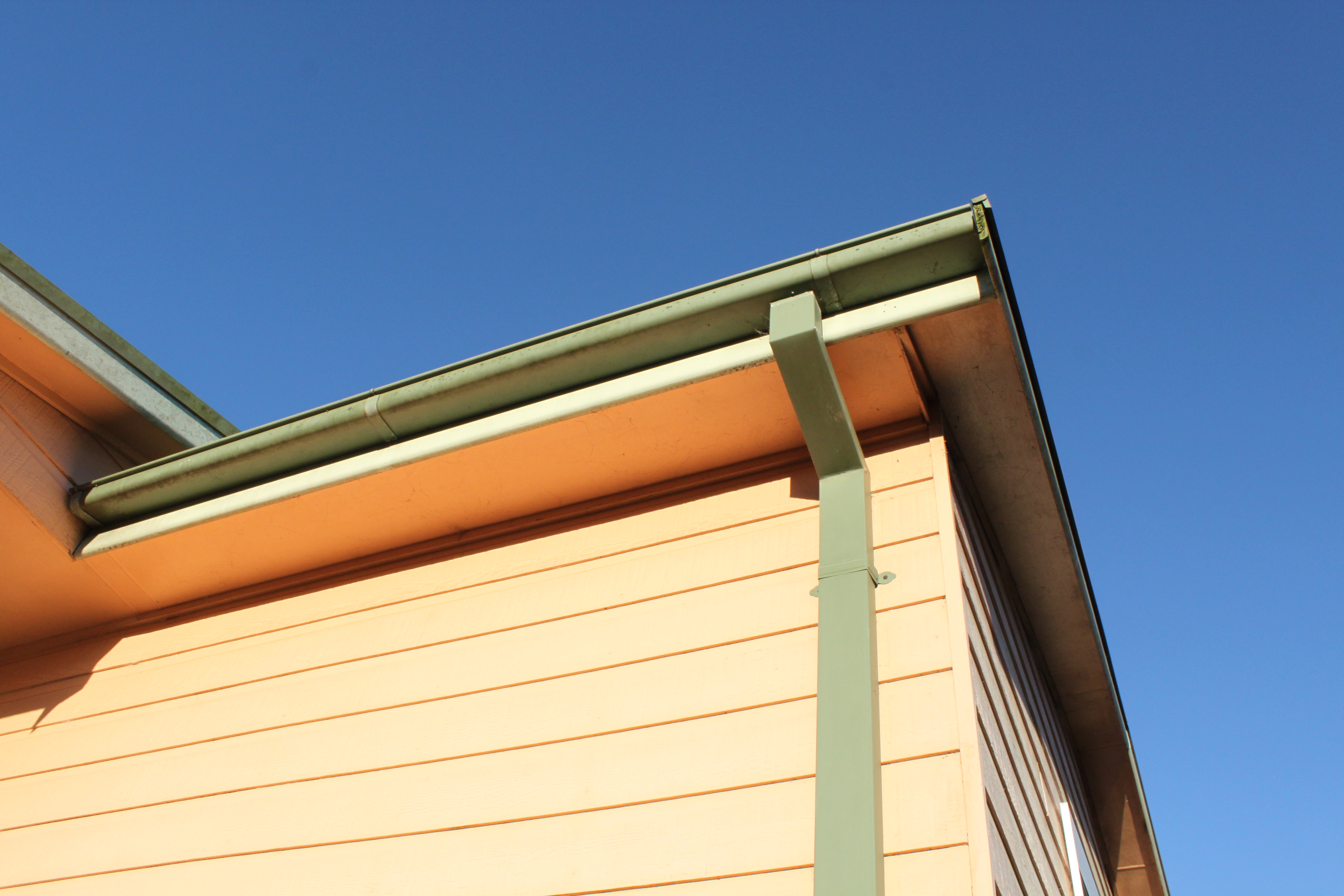
You cleaned the gutters and can see daylight through the channel. Then the next storm hits and water pours over the edge like a waterfall. It feels like the cleaning did nothing.
Cleaning was probably not the problem. Gutters can overflow with zero visible debris when the slope is wrong, the gutter is too small for the roof, the downspouts are badly placed, or the channel is sagging between its hangers, according to waterproofing experts at Aqviz.
This article explains what a gutter system is supposed to do, the six reasons clean-looking gutters overflow, how to spot each one from the ground, and the fixes that actually last.
What gutters are built to handle
A gutter system has one job: catch roof runoff and carry it to downspouts that send it away from the foundation. K-style, half-round, and box gutters, typically sized between 5 and 7 inches, handle average flow rates between 0.75 and 1.5 gallons per linear foot, Aqviz reports.
That capacity has limits. During intense downpours producing more than 1 inch of rain per hour, standard systems often become overwhelmed, especially on homes with undersized downspouts, steep roofs, or improper pitch.
Overflow in that situation is not a defect. It is the system telling you it was sized for average rain, not a cloudburst.
The distinction matters. If your gutters only overflow in truly violent storms, you may need more capacity. If they spill in ordinary rain, something in the installation is wrong, and cleaning alone will never fix it.
1. The pitch is wrong
The single most common no-clog cause is incorrect slope. Gutters must drop at least 1/4 inch per 10 feet toward the downspout to maintain flow, Aqviz states. A channel that looks perfectly straight to the eye is often too level, and one that slopes away from the downspout sends water the wrong way entirely.
Standing water is the giveaway. If you see water sitting in the trough a day after rain, or if one section always spills while the rest drains, the pitch is off. Sagging between hangers creates the same effect: the low spots pool water instead of moving it toward the outlet.
Some installers prioritize the visual appeal of an even fascia and hang the gutter level, contractor Stephen Cutler told a homeowner on JustAnswer, which is why a gutter can look fine and drain terribly. A professional can check the pitch and reset the hangers so water moves toward the downspout.
2. The gutters are too small for the roof
Insufficient capacity is the second classic. A steep or large roof sheds water too quickly for a narrow 5-inch gutter, and it overflows during even moderate rain, Aqviz explains. Roof valleys make it worse: two slopes funneling into one valley can dump a surge of water into a single gutter section faster than it can carry it away.
The fix is sizing up. Upgrading to 6-inch K-style gutters increases flow capacity for steep or large roof surfaces, and the US Department of Energy's weatherization guidance similarly stresses that gutter size must match the roof's water load. If only one valley section overflows, a splash guard at the valley outlet can catch the surge without replacing the whole run.
3. Downspouts are too few or too far apart
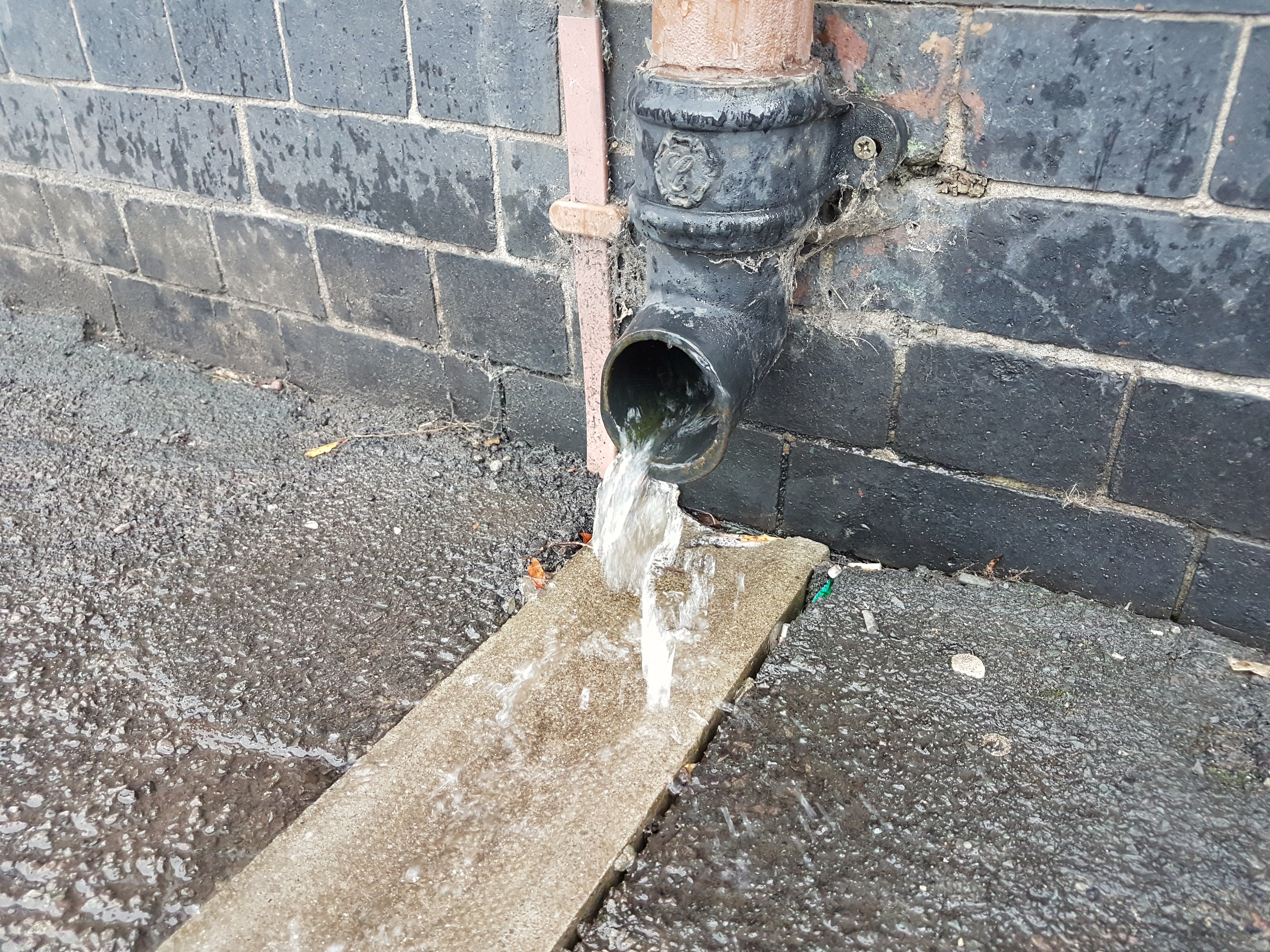
A clean gutter still overflows when the water has nowhere to exit. Poor downspout distribution causes water to accumulate in long gutter sections, and if downspouts are too far apart or badly positioned, water backs up and spills over the edge even with no debris, Aqviz reports.
The JustAnswer case is typical: a 50-foot gutter with downspouts at both ends overflowed in the middle during heavy rain, with both downspouts clear. The center of a long run is simply too far from either exit. Adding a downspout in the middle, or splitting the run so each section has its own outlet, solves it.
Downspout size matters too. A minimum of 2x3 inches is standard, but larger 3x4-inch downspouts improve flow during heavy rain, Aqviz recommends. And a gutter can look clean while the downspout itself is blocked: debris stuck in elbows or narrow pipe openings creates backup during peak flow, so always check the downspouts, not just the channel.
4. Hangers are loose or too far apart
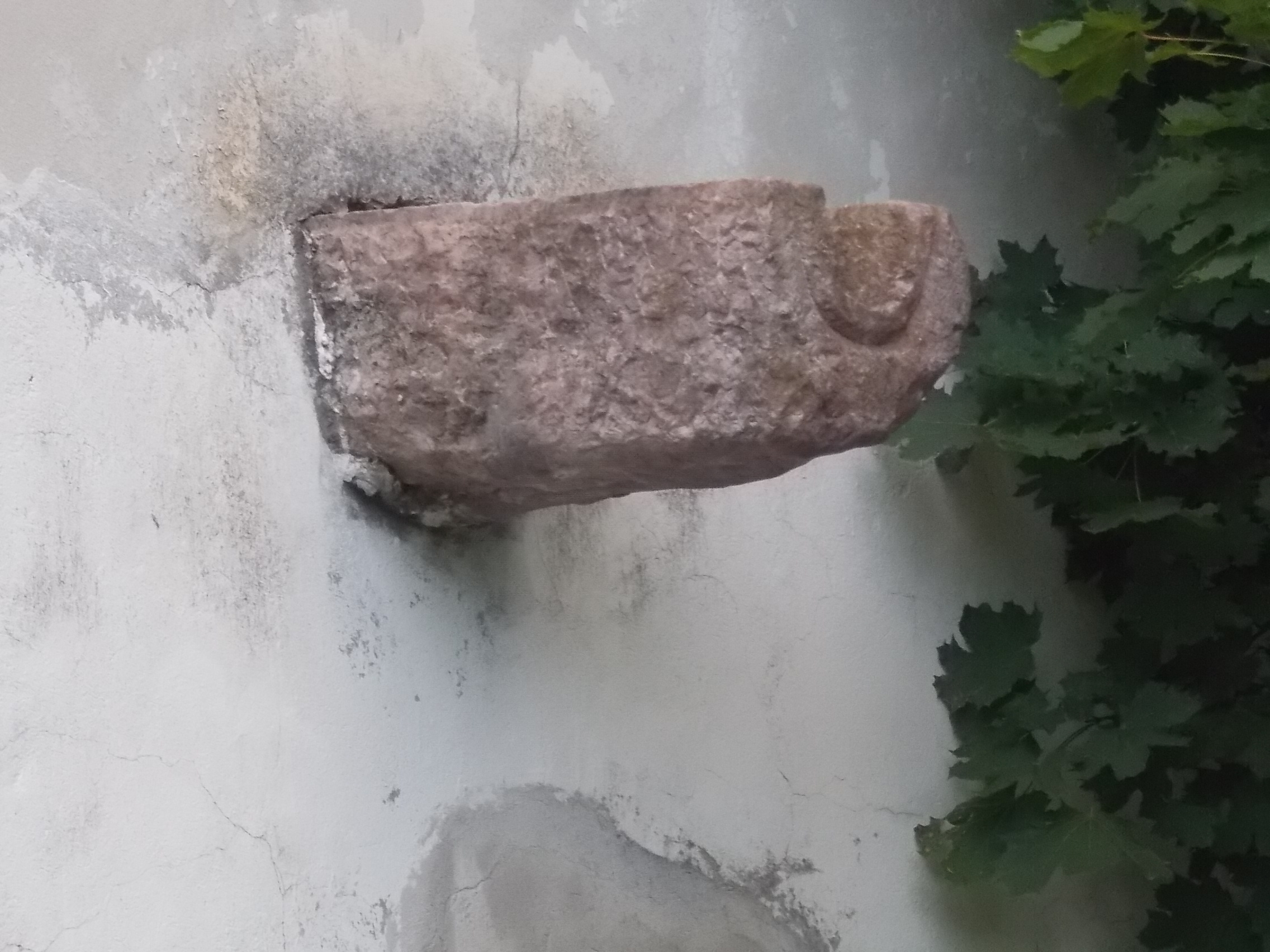
Gutters need support every 2 to 3 feet, according to Proclean, a Dublin gutter service. Wider spacing lets the channel sag under normal water weight, and each sag becomes a low spot where water pools instead of flowing.
Loose or damaged fasteners cause the same problem. The US Department of Energy's weatherization guidance notes that hangers need to be strong enough to prevent sagging. Walk the run after rain: any section holding water between hangers needs tightening or extra hangers.
5. The roof is overwhelming one section
Roof valleys concentrate runoff. Where two roof slopes meet, the combined flow hits the gutter at one point, and during heavy rain that surge can overtop the channel even when everything downstream is clear, Aqviz explains.
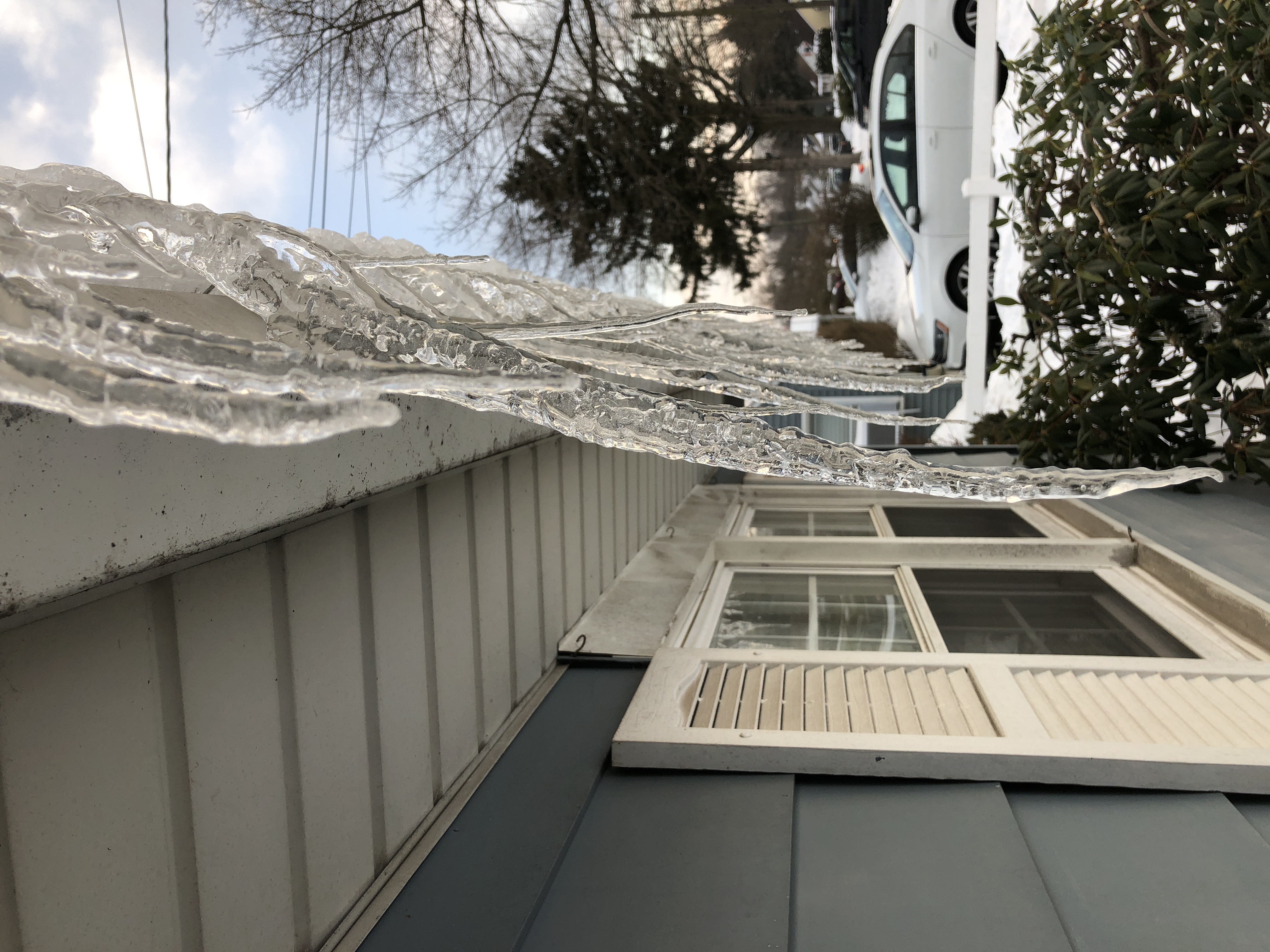
Ice brings a winter version of the same problem. Ice dams form when snow melts on the roof and refreezes at the gutter edge, creating a solid barrier that traps water behind it. That trapped water has nowhere to go but over the edge or back under the shingles.
6. The system is simply worn out
Older galvanized steel gutters rust from the inside out, and vinyl gutters turn brittle and crack after years of heat and cold, Urban Splatter reports. Once the material itself is failing, patches only buy a little time.
Rust, cracks, and holes change how water moves through the channel. Rough, corroded interiors slow flow the way a clog would, and separated joints leak mid-channel, which looks like overflow from the ground. When several of these signs appear at once, or the gutters are 20 or more years old, replacement is usually the better value than another round of patching.
Why it matters more than a wet wall
Prolonged overflow causes foundation erosion as water pools around the base of the house, basement flooding from increased hydrostatic pressure, fascia board rot as wooden boards stay saturated, siding discoloration and staining, and landscape damage as mulch washes out and soil erodes, Aqviz documents.
That damage is slow and expensive, which is why a gutter that "looks clean" but still spills deserves the same urgency as a visibly clogged one. Water pooling near the foundation is one of the costliest home problems to fix after the fact, and it often starts at the roofline. The same thinking applies below ground: if your sump pump runs every few minutes, the gutter system above it may be part of the story.
Frequently asked questions
How much slope should gutters have?
At least 1/4 inch of drop per 10 feet of gutter toward the downspout, according to Aqviz and the US Department of Energy's weatherization guidance. Less than that, and water pools instead of flowing. If your gutter looks level to the eye, it is probably too flat.
Why does only one section of my gutter overflow?
Localized overflow usually means a local problem: a sag between hangers, a blocked downspout elbow, a roof valley dumping a surge into that section, or the pitch flattening out there. Check the downspout serving that section first, then look for standing water in the channel after rain.
Are gutter guards worth it for overflow problems?
Gutter guards help with debris, not with pitch, capacity, or downspout placement. If your gutters overflow because they are too small or too flat, guards will not change that. They are worth adding after the structural issues are fixed, to keep the corrected system working.
When should gutters be replaced instead of repaired?
One loose hanger or a single leaking corner can be repaired. When you see several problems at once, the gutters are 20 or more years old, or leaks keep returning at the joints, replacement is usually the better value, Urban Splatter advises. A door that will not stop slamming is a nuisance; a failing gutter is a foundation risk, so weigh the stakes accordingly.
The bottom line
A gutter that overflows while looking clean is not a cleaning failure. It is a design or installation problem: wrong pitch, too little capacity, too few downspouts, sagging hangers, a valley surge, or worn-out material.
Check the slope with the 1/4-inch rule, look for standing water after rain, and size the fix to the cause. The water has to go somewhere, and making sure it goes away from your house is the whole point of the system.
Tags: gutters, roof, home maintenance, water damage
Latest in Home
- Why Does My Sump Pump Run Every Few Minutes?
- How to Stop a Door Slamming Shut on Its Own: 12 Fixes
- Why Is One Room Colder Than the Rest of the House?
- Why Do LED Bulbs Flicker in Some Fixtures but Not Others?
Subscribe for one practical home fix in your inbox every morning.
Related stories

Why Your Faucet Keeps Dripping After You Turn It Off
A dripping faucet is usually a worn washer, O-ring, or cartridge that can no longer seal. One drip per second wastes over 3,000 gallons

How to fix a running toilet without a plumber in 30 minutes
A running toilet can waste 200 gallons of water a day. Diagnose the flapper, float, or fill valve in two minutes, then fix it yourself

How to hang heavy shelves on drywall safely
Studs first, toggle bolts second, plastic anchors never for heavy loads. Weight ratings, installation steps, and mistakes that bring